2016.12.01
🎁 Extra Information 🎁
🍙 Moon River
Moon river, wider than a mile
I'm crossin' you in style some day
Old dream maker, you heartbreaker
Wherever you're goin', I'm goin' your way
Two drifters, off to see the world
There's such a lot of world to see
We're after the same rainbow's end, waitin' 'round the bend
My huckleberry friend, Moon River, and me
Two drifters, off to see the world
There's such a lot of world to see
We're after the same rainbow's end, waitin' 'round the bend
My huckleberry friend, Moon River, and me

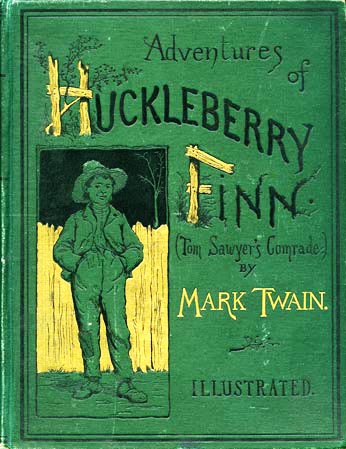
🍙 Adventures of Huckleberry Finn
Adventures of Huckleberry Finn (or, in more recent editions, The Adventures of Huckleberry Finn) is a novel by Mark Twain, first published in the United Kingdom in December 1884 and in the United States in February 1885. Commonly named among the Great American Novels, the work is among the first in major American literature to be written throughout in vernacular English, characterized by local color regionalism. It is told in the first person by Huckleberry "Huck" Finn, a friend of Tom Sawyer and narrator of two other Twain novels (Tom Sawyer Abroad and Tom Sawyer, Detective). It is a direct sequel to The Adventures of Tom Sawyer.The book is noted for its colorful description of people and places along the Mississippi River. Set in a Southern antebellum society that had ceased to exist about 20 years before the work was published, Adventures of Huckleberry Finn is an often scathing satire on entrenched attitudes, particularly racism.
🍙 The Pink Panther
The Pink Panther is a series of comedy-mystery films featuring an inept French police detective, Inspector Jacques Clouseau. The series began with the release of The Pink Panther (1963). The role of Clouseau was originated by, and is most closely associated with, Peter Sellers. Most of the films were directed and co-written by Blake Edwards, with theme music composed by Henry Mancini. Elements and characters inspired by the films were adapted into other media, including books, comic books and animated series.In the movies, the Pink Panther is a large and valuable pink diamond which is first shown in the opening film in the series. The diamond is called the "Pink Panther" because the flaw at its center, when viewed closely, is said to resemble a leaping pink panther. The phrase reappears in the title of the fourth film The Return of the Pink Panther, in which the theft of the diamond is again the center of the plot. The phrase was used for all the subsequent films in the series, even when the jewel did not figure in the plot. It ultimately appeared in six of the eleven films.

🍙 Entrapment
In criminal law, entrapment is a practice whereby a law enforcement agent induces a person to commit a criminal offence that the person would have otherwise been unlikely to commit. It "is the conception and planning of an offence by an officer, and his procurement of its commission by one who would not have perpetrated it except for the trickery, persuasion or fraud of the officer."It is a conduct that is generally discouraged and thus, in many jurisdictions, is a possible defence against criminal liability.Depending on the law in the jurisdiction, the prosecution may be required to prove beyond a reasonable doubt that the defendant was not entrapped or the defendant may be required to prove that they were entrapped as an affirmative defence.

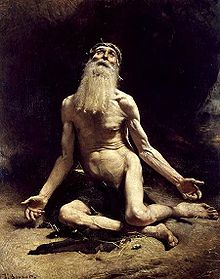
🍙 Job (Bible figure)
Job is the central figure of the Book of Job in the Bible. Job is a prophet in the Abrahamic religions: Judaism, Christianity, and Islam. In rabbinical literature, Iyov is called one of the prophets of the Gentiles.Job is presented as a good and prosperous family man who is beset with horrendous disasters that take away all that he holds dear, including his offspring, his health, and his property. He struggles to understand his situation and begins a search for the answers to his difficulties.
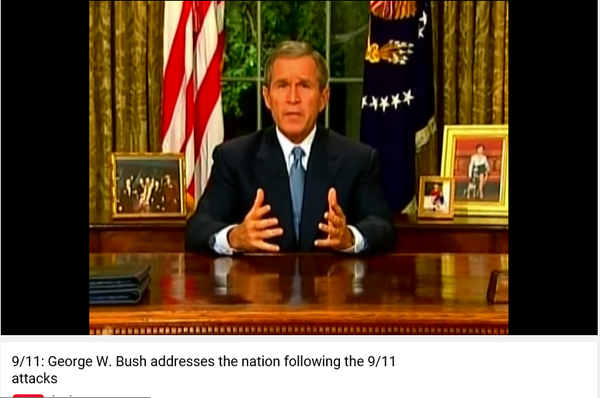
🍙 George W. Bush: 9/11 Address to the Nation (2001)

Good evening. Today, our fellow citizens, our way of life, our very freedom came under attack in a series of deliberate and deadly terrorist acts. The victims were in airplanes, or in their offices; secretaries, businessmen and women, military and federal workers; moms and dads, friends and neighbors. Thousands of lives were suddenly ended by evil, despicable acts of terror.
The pictures of airplanes flying into buildings, fires burning, huge structures collapsing, have filled us with disbelief, terrible sadness, and a quiet, unyielding anger. These acts of mass murder were intended to frighten our nation into chaos and retreat. But they have failed; our country is strong.
A great people has been moved to defend a great nation. Terrorist attacks can shake the foundations of our biggest buildings, but they cannot touch the foundation of America. These acts shattered steel, but they cannot dent the steel of American resolve.
America was targeted for attack because we're the brightest beacon for freedom and opportunity in the world. And no one will keep that light from shining.
Today, our nation saw evil, the very worst of human nature. And we responded with the best of America — with the daring of our rescue workers, with the caring for strangers and neighbors who came to give blood and help in any way they could.
Immediately following the first attack, I implemented our government's emergency response plans. Our military is powerful, and it's prepared. Our emergency teams are working in New York City and Washington, D.C. to help with local rescue efforts.
Our first priority is to get help to those who have been injured, and to take every precaution to protect our citizens at home and around the world from further attacks.
The functions of our government continue without interruption. Federal agencies in Washington which had to be evacuated today are reopening for essential personnel tonight, and will be open for business tomorrow. Our financial institutions remain strong, and the American economy will be open for business, as well.
The search is underway for those who are behind these evil acts. I've directed the full resources of our intelligence and law enforcement communities to find those responsible and to bring them to justice. We will make no distinction between the terrorists who committed these acts and those who harbor them.
I appreciate so very much the members of Congress who have joined me in strongly condemning these attacks. And on behalf of the American people, I thank the many world leaders who have called to offer their condolences and assistance.
America and our friends and allies join with all those who want peace and security in the world, and we stand together to win the war against terrorism. Tonight, I ask for your prayers for all those who grieve, for the children whose worlds have been shattered, for all whose sense of safety and security has been threatened. And I pray they will be comforted by a power greater than any of us, spoken through the ages in Psalm 23: "Even though I walk through the valley of the shadow of death, I fear no evil, for You are with me."
This is a day when all Americans from every walk of life unite in our resolve for justice and peace. America has stood down enemies before, and we will do so this time. None of us will ever forget this day. Yet, we go forward to defend freedom and all that is good and just in our world.
Thank you. Good night, and God bless America.
🎪 1100 Words I need to know 🎪
🎓 Week 28~30
Pan- : "all, every, whole, all-inclusive,"
💠 Panacea (n.): pan- "all" + akos "cure,"
- something that will solve all problems
➡ Technology is not a panacea for all our problems.
2.something that will cure all illnesses
ex- : out of, from, upwards, completely, deprive of, without, former
💠 Eradicate (v.): ex- "out"+ radix (genitive radicis) "root"
- to get rid of something completely or destroy something bad
➡ The government claims to be doing all it can to eradicate corruption.
👉 Related: eradication (n.)
Ad- : "to, toward, near, at" in space or time
"with regard to, in relation to,"
💠 Adherent (adj.): ad "to" + haerere "to stick"
- a person who strongly supports a particular person, principle, or set of ideas
➡ She has long been an adherent of the Communist Party.
2. sticky
➡ an adherent surface
👉 Related: adherent (n.)
adhesive (adj.)
adhere (v.)
🎄 MORE🎄
💠 Gusto (n.):
- great energy, enthusiasm, and enjoyment that is experienced by someone taking part in an activity, especially a performance
➡ Everyone joined in the singing with great gusto.
👉 Related: gustation (n.)
💠 Nadir (n.): nazir "opposite" + as-samt "road, path"
- the worst moment, or the moment of least hope and least achievement
➡ The defeat was the nadir of her career.
week28
🌟 vulnerable (adj.)c. 1600, from Late Latin vulnerabilis "wounding," from Latin vulnerare "to wound, hurt, injure, maim," from vulnus (genitive vulneris) "wound," perhaps related to vellere "pluck, to tear" (see svelte), or from PIE *wele-nes-, from *wele- (2) "to strike, wound" (see Valhalla).
🌟 bedlam (n.) "scene of mad confusion," 1660s, from colloquial pronunciation of "Hospital of Saint Mary of Bethlehem" in London, founded 1247 as a priory, mentioned as a hospital 1330 and as a lunatic hospital 1402; converted to a state lunatic asylum on dissolution of the monasteries in 1547. It was spelled Bedlem in a will from 1418, and Betleem is recorded as a spelling of Bethlehem in Judea from 971.
🌟 cacophony (n.) 1650s, from Greek kakophonia, from kakophonos "harsh sounding," from kakos "bad, evil" (see caco-) + phone "voice, sound," from PIE root *bha- (2) "to speak, tell, say"
👉 Related: Cacophonous.
🌟 exploit
(n.) Look up exploit at Dictionary.com
late 14c., "outcome of an action," from Old French esploit "a carrying out; achievement, result; gain, advantage" (12c., Modern French exploit), a very common word, used in senses of "action, deed, profit, achievement," from Latin explicitum "a thing settled, ended, or displayed," noun use of neuter of explicitus, past participle of explicare "unfold, unroll, disentangle" (see explicit).
Meaning "feat, achievement" is c. 1400. Sense evolution is from "unfolding" to "bringing out" to "having advantage" to "achievement."
👉 Related: Exploits.
(v.) c. 1400, espleiten, esploiten "to accomplish, achieve, fulfill," from Old French esploitier, espleiter "carry out, perform, accomplish," from esploit (see exploit (n.)). The sense of "use selfishly" first recorded 1838, from a sense development in French perhaps from use of the word with reference to mines, etc. (compare exploitation).
👉 Related: Exploited; exploiting.
🌟 propinquity (n.) Look up propinquity at Dictionary.com
late 14c., "nearness in relation, kinship," later also "physical nearness" (early 15c.), from Old French propinquite (13c.) and directly from Latin propinquitatem (nominative propinquitas) "nearness, vicinity; relationship, affinity," from propinquus "near, neighboring," from prope "near" (enlarged from PIE *pro "before;" see pro-) + suffix -inquus.
Nothing propinks like propinquity [Ian Fleming, chapter heading, "Diamonds are Forever," 1956; phrase popularized 1960s by U.S. diplomat George Ball]
-
🌟 disgruntled (adj.) past participle adjective from disgruntle.
🌟 infallible (adj.) Look up infallible at Dictionary.com
"exempt from error in judgment, knowledge, or opinion," early 15c., from Medieval Latin infallibilis, from in- "not, opposite of" (see in- (1)) + Late Latin fallibilis (see fallible). In reference to Popes, attested from 1870, hence infallibilism, the doctrine of this; infallibilist.
👉 Related: Infallibly.
🌟 panacea (n.) Look up panacea at Dictionary.com
"universal remedy," 1540s, from Latin panacea, a herb (variously identified) that would heal all illnesses, from Greek panakeia "cure-all," from panakes "all-healing," from pan- "all" (see pan-) + akos "cure," from iasthai "to heal" (see -iatric). Earlier in English as panace (1510s).
🌟 eradicate (v.) Look up eradicate at Dictionary.com
early 15c., "destroy utterly," literally "pull up by the roots," from Latin eradicatus, past participle of eradicare "to root out, annihilate" (see eradication).
👉 Related: Eradicated; eradicating; eradicable.
🌟 impede (v.) Look up impede at Dictionary.com
c. 1600, back-formation from impediment, or else from Latin impedire "impede, be in the way, hinder, detain," literally "to shackle the feet."
👉 Related: Impeded; impedes; impeding; impedient.
🌟 sedate
(adj.) Look up sedate at Dictionary.com
"calm, quiet," 1660s, from Latin sedatus "composed, moderate, quiet, tranquil," past participle of sedare "to settle, calm," causative of sedere "to sit" (see sedentary). Related: Sedately
(v.) Look up sedate at Dictionary.com
"treat with sedatives," 1945, a back-formation from the noun derivative of sedative (adj.). The word also existed 17c. in a sense "make calm or quiet."
👉 Related: Sedated; sedating.
🌟 equanimity (n.) Look up equanimity at Dictionary.com
c. 1600, "fairness, impartiality," from French équanimité, from Latin aequanimitatem (nominative aequanimitas) "evenness of mind, calmness; good-will, kindness," from aequanimis "mild, kind," literally "even-minded," from aequus "even, level" (see equal (adj.)) + animus "mind, spirit" (see animus). Meaning "evenness of temper" in English is from 1610
🌟 compatible (adj.) Look up compatible at Dictionary.com
mid-15c., from Middle French compatible (15c.), from Medieval Latin compatibilis, from Late Latin compati (see compassion).
👉 Related: Compatibility.
🌟 serenity (n.) Look up serenity at Dictionary.com
1530s, of weather, 1590s, of persons, from Middle French sérénité, from Latin serenitatem (nominative serenitas) "clearness, serenity," from serenus (see serene). Earliest use (mid-15c.) was as a title of honor for kings, probably from the similar use of Latin serenitas, applied to Roman emperors, later popes.
🌟 revere (v.) Look up revere at Dictionary.com
1660s, from French révérer, from Latin revereri "revere, fear" (see reverence (n.), which also was the earlier form of the verb).
👉 Related: Revered; revering.
🌟 irrational (adj.) Look up irrational at Dictionary.com
late 15c., "not endowed with reason" (of beasts, etc.), from Latin irrationalis/inrationalis "without reason, not rational," from assimilated form of in- "not, opposite of" (see in- (1)) + rationalis "of or belonging to reason, reasonable" (see rational (adj.)).
Meaning "illogical, absurd" is attested from 1640s. Related: Irrationally. The mathematical sense "inexpressible in ordinary numbers" is from late 14c. in English, from use of the Latin word as a translation of Greek alogon in Euclid.
🌟 avarice (n.) Look up avarice at Dictionary.com
c. 1300, from Old French avarice "greed, covetousness" (12c.), from Latin avaritia "greed," from avarus "greedy," adjectival form of avere "crave, long for."
🌟 insatiable (adj.) Look up insatiable at Dictionary.com
early 15c., insaciable, from Old French insaciable "ravenous" (15c., Modern French insatiable), or directly from Latin insatiabilis "not to be satisfied," from in- "not, opposite of" (see in- (1)) + satiabilis, from satiare (see satiate).
👉 Related: Insatiably; insatiableness.
🌟 nadir (n.) Look up nadir at Dictionary.com
late 14c., in astronomical sense, from Medieval Latin nadir, from Arabic nazir "opposite to," in nazir as-samt, literally "opposite direction," from nazir "opposite" + as-samt "road, path" (see zenith
🌟 moribund (adj.) Look up moribund at Dictionary.com
1721, "about to die," from Middle French moribund (16c.), from Latin moribundus "dying, at the point of death," from mori "to die" (see mortal (adj.)). Figurati
week29
🌟 lithe (adj.) Look up lithe at Dictionary.com
Old English liðe "soft, mild, gentle, calm, meek," also, of persons, "gracious, kind, agreeable," from Proto-Germanic *linthja- (source also of Old Saxon lithi "soft, mild, gentle," Old High German lindi, German lind, Old Norse linr "soft to the touch, gentle, mild, agreeable," with characteristic loss of "n" before "th" in English), from PIE root *lento- "flexible" (source also of Latin lentus "flexible, pliant, slow," Sanskrit lithi).
In Middle English, used of the weather. Current sense of "easily flexible" is from c. 1300. Related: Litheness. Old and Middle English had the related verb lin "to cease doing (something)," also used of the wind dying down.
🌟 obese (adj.) Look up obese at Dictionary.com
1650s, back-formation from obesity and in part from Latin obesus "fat, stout, plump," past participle of obedere "that has eaten itself fat" (see obesity). According to OED, "Rare before 19th c." Related: Obeseness. Latin obesus was translated in Old English as oferfæt "overfat."
🌟 adherent
(adj.) Look up adherent at Dictionary.com
late 14c., "sticking, clinging to, adhesive," from Old French adherent or directly from Latin adhaerentem (nominative adhaerens), present participle of adhaerere "stick to," from ad- "to" (see ad-) + haerere "to stick" (past participle haesus; see hesitation). (n.) early 15c., "follower, supporter, one who upholds (a leader, cause, etc.)," from Old French adherent or directly from Latin adhaerentem (nominative adhaerens), present participle of adhaerere "stick to," from ad "to" (see ad-) + haerere "to stick" (see hesitation). Meaning "adhesive substance" is from 1912.
🌟 bliss
(n.) Look up bliss at Dictionary.com
Old English blis, also bliðs "bliss, merriment, happiness, grace, favor," from Proto-Germanic *blithsjo (source also of Old Saxon blidsea, blizza), from *blithiz "gentle, kind" + *-tjo noun suffix. Originally mostly of earthly happiness; influenced by association with bless and blithe.(v.) often with out, by 1973, U.S. colloquial, from bliss (n.).
🌟 pathetic (adj.) Look up pathetic at Dictionary.com
1590s, "affecting the emotions, exciting the passions," from Middle French pathétique "moving, stirring, affecting" (16c.), from Late Latin patheticus, from Greek pathetikos "subject to feeling, sensitive, capable of emotion," from pathetos "liable to suffer," verbal adjective of pathein "to suffer" (see pathos). Meaning "arousing pity, pitiful" is first recorded 1737. Colloquial sense of "so miserable as to be ridiculous" is attested from 1937. Related: Pathetical (1570s); pathetically. Pathetic fallacy (1856, first used by Ruskin) is the attribution of human qualities to inanimate objects.
-
🌟 exhort (v.) Look up exhort at Dictionary.com
c. 1400, "to exhort, encourage," from Old French exhorer (13c.) and directly from Latin exhortari "to exhort, encourage, stimulate" (see exhortation).
👉 Related: Exhorted; exhorting.
🌟 apathy (n.) Look up apathy at Dictionary.com
c. 1600, "freedom from suffering," from French apathie (16c.), from Latin apathia, from Greek apatheia "freedom from suffering, impassability, want of sensation," from apathes "without feeling, without suffering or having suffered," from a- "without" (see a- (3)) + pathos "emotion, feeling, suffering" (see pathos). Originally a positive quality; sense of "indolence of mind, indifference to what should excite" is from c. 1733.
🌟 fracas (n.) Look up fracas at Dictionary.com
1727, from French fracas "crash, sudden noise; tumult, bustle, fuss" (15c.), from Italian fracasso "uproar, crash," back-formation from fracassare "to smash, crash, break in pieces," from fra-, a shortening of Latin infra "below" (see infra-) + Italian cassare "to break," from Latin quassare "to shake" (see quash).
🌟 inebriated (adj.) Look up inebriated at Dictionary.com
"drunken," c. 1600, past participle adjective from inebriate. The earlier adjective was inebriate (late 15c.).
🌟 adversary (n.) Look up adversary at Dictionary.com
"unfriendly opponent, enemy" (originally especially of Satan as the enemy of mankind), mid-14c., aduersere, from Anglo-French adverser (13c.), Old French adversarie (12c., Modern French adversaire) "hostile opponent, enemy," or directly from Latin adversarius "an opponent, rival, enemy," noun use of adjective meaning "opposite, hostile, contrary," literally "turned toward one," from adversus "turned against, turned toward, fronting, facing," figuratively "hostile, adverse, unfavorable," past participle of advertere "to turn toward," from ad "to" (see ad-) + vertere "to turn, turn back, be turned; convert, transform, translate; be changed" (see versus). The Latin word is glossed in Old English by wiðerbroca.
🌟 indolent
(adj.) Look up indolent at Dictionary.com
1660s, "causing no pain, painless," from French indolent (16c.) or directly from Late Latin indolentem (see indolence). Sense of "living easily, slothful," is 1710, a sense perhaps developed in French. 👉 Related: Indolently.
🌟 gusto (n.) Look up gusto at Dictionary.com
1620s, "very common from the beginning of the 19th c." [OED], from Italian gusto "taste," from Latin gustus "a tasting," related to gustare "to taste, take a little of," from PIE *gus-tu-, suffixed form of root *geus- "to taste, choose" (source also of Sanskrit jus- "enjoy, be pleased," Avestan zaosa- "pleasure," Old Persian dauš- "enjoy"). The root forms words for "taste" in Greek and Latin, but its descendants in Germanic and Celtic mostly mean "try" or "choose" (such as Old English cosan, cesan, Modern English choose; Gothic kausjan "to test, to taste of," Old High German koston "try," German kosten "taste of"). The semantic development could have been in either direction. English first borrowed the French form, guste "organ of taste; sense of taste" (mid-15c.), but this became obsolete.
🌟 garrulous (adj.) Look up garrulous at Dictionary.com
1610s, from Latin garrulus "talkative, chattering," from garrire "to chatter," from PIE root *gar- "to call, cry," of imitative origin (compare Greek gerys "voice, sound," Ossetic zar "song," Welsh garm, Old Irish gairm "noise, cry").
👉 Related: Garrulously; garrulousness.
🌟 banal (adj.) Look up banal at Dictionary.com
"trite, commonplace," 1840, from French banal, "belonging to a manor, common, hackneyed, commonplace," from Old French banel "communal" (13c.), from ban "decree; legal control; announcement; authorization; payment for use of a communal oven, mill, etc." (see ban (v.)). The modern sense evolved from the word's use in designating things like ovens or mills that belonged to feudal serfs, or else compulsory military service; in either case it was generalized in French through "open to everyone" to "commonplace, ordinary," to "trite, petty."
🌟 platitude (n.) Look up platitude at Dictionary.com
1812, "dullness," from French platitude "flatness, vapidness" (late 17c.), from Old French plat "flat" (see plateau (n.)); formed on analogy of latitude, etc. Meaning "a flat, dull, or commonplace remark" is recorded from 1815.
👉 Related: Platitudinous. Hence platitudinarian (n.), 1855; platitudinize (1867).
🌟 pique
(n.) Look up pique at Dictionary.com
1530s, "fit of ill feeling," from Middle French pique "a prick, sting, irritation," noun of action from piquer (see pike (n.2)).
(v.) Look up pique at Dictionary.com
"to excite to anger," 1670s, from French piquer "to prick, sting" (see pike (n.2)). Softened meaning "to stimulate, excite" is from 1690s.
👉 Related: Piqued; piquing.
🌟 dilettante (n.) Look up dilettante at Dictionary.com
1733, borrowing of Italian dilettante "lover of music or painting," from dilettare "to delight," from Latin delectare (see delight (n.)). Originally without negative connotation, "devoted amateur," the pejorative sense emerged late 18c. by contrast with professional.
🌟 atypical (adj.) Look up atypical at Dictionary.com
1847, from a- (2) "not" + typical. Related: Atypica
🌟 nondescript (adj.) Look up nondescript at Dictionary.com
1680s, "not hitherto described," in scientific usage, coined from non- + Latin descriptus, past participle of describere (see describe). General sense of "not easily described or classified" is from 1806.
🌟 wane (v.) Look up wane at Dictionary.com
Old English wanian "make or become smaller gradually, diminish, decline, fade," from Proto-Germanic *wanen (source also of Old Saxon wanon, Old Norse vana, Old Frisian wania, Middle Dutch waenen, Old High German wanon "to wane, to grow less"), from *wano- "lacking," from PIE *we-no-, from root *eue- "to leave, abandon, give out" (see vain).
👉 Related: Waned; waning; wanes.
week30
🌟 extinct (adj.) Look up extinct at Dictionary.com
early 15c., "extinguished, quenched," from Latin extinctus/exstinctus, past participle of extinguere/exstinguere "to put out, quench; go out, die out; kill, destroy" (see extinguish). Originally of fires; in reference to the condition of a family or a hereditary title that has "died out," from 1580s; of species by 1690s. Shakespeare uses it as a verb. Compare extinction.
🌟 idyllic (adj.) Look up idyllic at Dictionary.com
"full of natural, simple charm," 1831, literally "suitable for an idyll" from French idyllique or else from idyll + -ic. In late 18c. it meant "pertaining to an idyll."
🌟 galvanize (v.) Look up galvanize at Dictionary.com
1801, "stimulate by galvanic electricity," from French galvaniser, from galvanisme (see galvanism). Figurative sense of "excite, stimulate (as if by electricity)" first recorded 1853 (galvanic was in figurative use in 1807). Meaning "to coat with metal by means of galvanic electricity" (especially to plate iron with tin, but now typically to plate it with zinc) is from 1839.
He'll swear that in her dancing she cuts all others out. Though like a Gal that's galvanized, she throws her legs about.
👉 Related: Galvanized; galvanizing.
🌟 encumbrance (n.) Look up encumbrance at Dictionary.com
c. 1300, "trouble, difficulty; ensnarement, temptation," from Old French encombrance "encumbrance, obstruction; calamity, trouble," from encombrer (see encumber). Meaning "that which encumbers, impediment, obstacle" is from late 14c. in English.
🌟 gaudy (adj.) Look up gaudy at Dictionary.com
"showy, tastelessly rich," c. 1600; earlier "joyfully festive" (1580s), probably a re-adjectivizing of gaudy (n.) "large, ornamental bead in a rosary" (early 14c.) via the noun gaud + -y (2.). In early Modern English it also could mean "full of trickery" (1520s).
Or possibly the adjective is from or influenced by Middle English noun gaudegrene (early 14c.), name of a yellowish-green color or pigment, originally of dye obtained from the weld plant (see weld (n.1)). This Germanic plant-name became gaude in Old French, and thus the Middle English word. Under this theory, the sense shifted from "weld-dye" to "bright ornamentation."
As a noun, "feast, festival" 1650s, from gaudy day "day of rejoicing" (1560s).
🌟 condescend (adj.) Look up condescend at Dictionary.com
mid-14c., "to yield deferentially," from Old French condescendere (14c.) "to agree, consent, give in, yield," from Late Latin condescendere "to let oneself down," from Latin com "with, together" (see com-) + descendere "descend" (see descend). Sense of "to sink willingly to equal terms with inferiors" is from mid-15c.
🌟 candor (n.) Look up candor at Dictionary.com
"openness of mind, impartiality, frankness," c. 1600, from Latin candor "purity, openness," originally "whiteness," from candere "to shine, to be white" (see candle). Borrowed earlier in English (c. 1500) with the Latin literal sense "extreme whiteness."
🌟 mortify (v.) Look up mortify at Dictionary.com
late 14c., "to kill," from Old French mortefiier "destroy, overwhelm, punish," from Late Latin mortificare "cause death, kill, put to death," literally "make dead," from mortificus "producing death," from Latin mors (genitive mortis) "death" (see mortal (adj.)) + root of facere "to make" (see factitious). Religious sense of "to subdue the flesh by abstinence and discipline" first attested early 15c. Sense of "humiliate" first recorded 1690s (compare mortification).
👉 Related: Mortified; mortifying.
🌟 jocose (adj.)
"given to jokes and jesting," 1670s, from Latin iocosus "full of jesting, fond of jokes, funny," from iocus "pastime, sport; a jest, joke" (see joke (n.)). Often it implies ponderous humor (compare jocund).
👉 Related: Jocosely; jocoseness.
🌟 malign (adj.)
early 14c., from Old French maligne "having an evil nature," from Latin malignus "wicked, bad-natured," from male "badly" (see mal-) + -gnus "born," from gignere "to bear, beget," from PIE root *gn- "to bear" (see genus).
(v.)
"to slander," mid-15c., from earlier more literal sense of "to plot, to contrive" (early 15c.), from Old French malignier "to plot, deceive, pervert," from Late Latin malignare "to do maliciously," from malignus "mean, unkind" (see malign (adj.)).
👉 Related: Maligned; maligning.
🌟 omnipotent (adj.)
early 14c., from Old French omnipotent "almighty, all-powerful" (11c.) or directly from Latin omnipotentem (nominative omnipotens) "all-powerful, almighty," from omnis "all" (see omni-) + potens (genitive potentis) "powerful" (see potent). Strictly only of God or a deity; general sense of "having absolute power or authority" is attested from 1590s.
🌟 zenith (n.)
"point of the heavens directly overhead at any place," late 14c., from Old French cenith (Modern French zénith), from Medieval Latin cenit, senit, bungled scribal transliterations of Arabic samt "road, path," abbreviation of samt ar-ras, literally "the way over the head." Letter -m- misread as -ni-.
The Medieval Latin word could as well be influenced by the rough agreement of the Arabic term with classical Latin semita "sidetrack, side path" (notion of "thing going off to the side"), from se- "apart" + *mi-ta-, suffixed zero-grade form of PIE root *mei- (1) "to change" (see mutable). Figurative sense of "highest point or state" is from c. 1600.
🌟 fledgling also fledgeling, 1830, "untried" (adj.), in Tennyson; 1846 as a noun meaning "young bird" (one newly fledged); from fledge + diminutive suffix -ling. Of persons, from 1856.
🌟 peremptory (adj.)
"decisive," mid-15c., legal term, from Anglo-French peremptorie, from Middle French peremtoire, from Latin peremptorius "destructive, decisive, final," from peremptor "destroyer," from perimpere "destroy, cut off," from per "away entirely, to destruction" (see per) + emere "to take" (see exempt (adj.)). Of persons or their words, "certain, assured, brooking no debate," 1580s.
👉 Related: Peremptorily.
🌟 precedent(n.)
early 15c., "case which may be taken as a rule in similar cases," from Middle French precedent, noun use of an adjective, from Latin praecedentum (nominative praecedens), present participle of praecedere "go before" (see precede). Meaning "thing or person that goes before another" is attested from mid-15c. As an adjective in English from c. 1400. As a verb meaning "to furnish with a precedent" from 1610s, now only in past participle precedented.
🌟 wheedle (v.)
"to influence by flattery," 1660s, of uncertain origin, perhaps connected with Old English wædlian "to beg," from wædl "poverty" [OED], or borrowed by English soldiers in the Thirty Years' War from German wedeln "wag the tail," hence "fawn, flatter" (compare adulation).
👉 Related: Wheedled; wheedling.
🌟 rustic (adj.)
mid-15c., from Latin rusticus "of the country, rural; country-like, plain, simple, rough, coarse, awkward," from rus (genitive ruris) "open land, country" (see rural). Noun meaning "a country person, peasant" is from 1550s (also in classical Latin).
👉 Related: Rustical (early 15c.).
🌟 jubilant (adj.)
1660s (Milton), from Latin iubilantem (nominative iubilans), present participle of iubilare "to let out whoops," in Christian writers, "to shout for joy," related to iubilum "wild shout," from Proto-Italic *iu, an exclamation of joy that probably was in Proto-Indo-European (cognates: Greek iu, an interjection of amazement, iuge "crying;" Middle High German ju, juch, an exclamation of joy; Dutch juichen, Old Norse yla, English yowl). With ending as in sibilant.
👉 Related: Jubilantly.
🌟 decorum (n.)
1560s, from Latin decorum "that which is seemly," noun use of neuter of adjective decorus "fit, proper," from decor
🌟 charlatan (n.)
1610s, from French charlatan "mountebank, babbler" (16c.), from Italian ciarlatano "a quack," from ciarlare "to prate, babble," from ciarla "chat, prattle," perhaps imitative of ducks' quacking.
👉 Related: Charlatanism; charlatanical; charlatanry.
限會員,要發表迴響,請先登入


