Introduction – Company Background
GuangXin Industrial Co., Ltd. is a specialized manufacturer dedicated to the development and production of high-quality insoles.
With a strong foundation in material science and footwear ergonomics, we serve as a trusted partner for global brands seeking reliable insole solutions that combine comfort, functionality, and design.
With years of experience in insole production and OEM/ODM services, GuangXin has successfully supported a wide range of clients across various industries—including sportswear, health & wellness, orthopedic care, and daily footwear.
From initial prototyping to mass production, we provide comprehensive support tailored to each client’s market and application needs.
At GuangXin, we are committed to quality, innovation, and sustainable development. Every insole we produce reflects our dedication to precision craftsmanship, forward-thinking design, and ESG-driven practices.
By integrating eco-friendly materials, clean production processes, and responsible sourcing, we help our partners meet both market demand and environmental goals.

Core Strengths in Insole Manufacturing
At GuangXin Industrial, our core strength lies in our deep expertise and versatility in insole and pillow manufacturing. We specialize in working with a wide range of materials, including PU (polyurethane), natural latex, and advanced graphene composites, to develop insoles and pillows that meet diverse performance, comfort, and health-support needs.
Whether it's cushioning, support, breathability, or antibacterial function, we tailor material selection to the exact requirements of each project-whether for foot wellness or ergonomic sleep products.
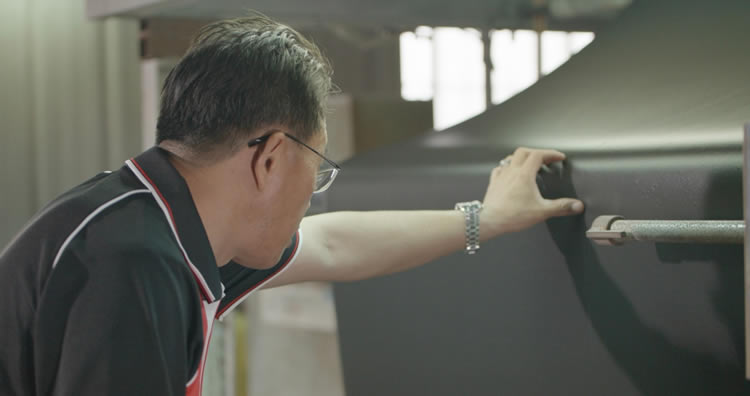
We provide end-to-end manufacturing capabilities under one roof—covering every stage from material sourcing and foaming, to precision molding, lamination, cutting, sewing, and strict quality control. This full-process control not only ensures product consistency and durability, but also allows for faster lead times and better customization flexibility.
With our flexible production capacity, we accommodate both small batch custom orders and high-volume mass production with equal efficiency. Whether you're a startup launching your first insole or pillow line, or a global brand scaling up to meet market demand, GuangXin is equipped to deliver reliable OEM/ODM solutions that grow with your business.

Customization & OEM/ODM Flexibility
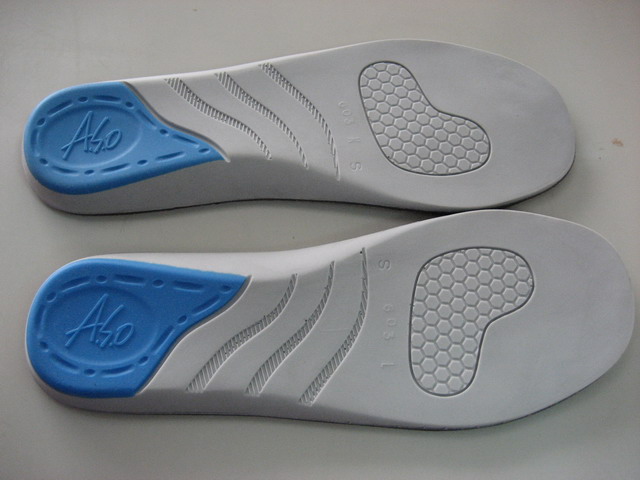
GuangXin offers exceptional flexibility in customization and OEM/ODM services, empowering our partners to create insole products that truly align with their brand identity and target market. We develop insoles tailored to specific foot shapes, end-user needs, and regional market preferences, ensuring optimal fit and functionality.
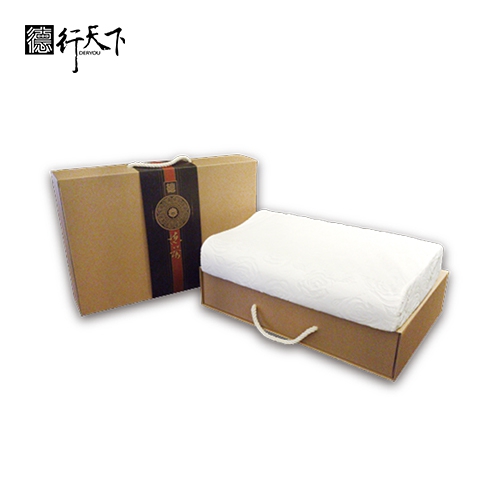
Our team supports comprehensive branding solutions, including logo printing, custom packaging, and product integration support for marketing campaigns. Whether you're launching a new product line or upgrading an existing one, we help your vision come to life with attention to detail and consistent brand presentation.
With fast prototyping services and efficient lead times, GuangXin helps reduce your time-to-market and respond quickly to evolving trends or seasonal demands. From concept to final production, we offer agile support that keeps you ahead of the competition.
Quality Assurance & Certifications
Quality is at the heart of everything we do. GuangXin implements a rigorous quality control system at every stage of production—ensuring that each insole meets the highest standards of consistency, comfort, and durability.
We provide a variety of in-house and third-party testing options, including antibacterial performance, odor control, durability testing, and eco-safety verification, to meet the specific needs of our clients and markets.
Our products are fully compliant with international safety and environmental standards, such as REACH, RoHS, and other applicable export regulations. This ensures seamless entry into global markets while supporting your ESG and product safety commitments.
ESG-Oriented Sustainable Production
At GuangXin Industrial, we are committed to integrating ESG (Environmental, Social, and Governance) values into every step of our manufacturing process. We actively pursue eco-conscious practices by utilizing eco-friendly materials and adopting low-carbon production methods to reduce environmental impact.
To support circular economy goals, we offer recycled and upcycled material options, including innovative applications such as recycled glass and repurposed LCD panel glass. These materials are processed using advanced techniques to retain performance while reducing waste—contributing to a more sustainable supply chain.
We also work closely with our partners to support their ESG compliance and sustainability reporting needs, providing documentation, traceability, and material data upon request. Whether you're aiming to meet corporate sustainability targets or align with global green regulations, GuangXin is your trusted manufacturing ally in building a better, greener future.
Let’s Build Your Next Insole Success Together
Looking for a reliable insole manufacturing partner that understands customization, quality, and flexibility? GuangXin Industrial Co., Ltd. specializes in high-performance insole production, offering tailored solutions for brands across the globe. Whether you're launching a new insole collection or expanding your existing product line, we provide OEM/ODM services built around your unique design and performance goals.
From small-batch custom orders to full-scale mass production, our flexible insole manufacturing capabilities adapt to your business needs. With expertise in PU, latex, and graphene insole materials, we turn ideas into functional, comfortable, and market-ready insoles that deliver value.
Contact us today to discuss your next insole project. Let GuangXin help you create custom insoles that stand out, perform better, and reflect your brand’s commitment to comfort, quality, and sustainability.
🔗 Learn more or get in touch:
🌐 Website: https://www.deryou-tw.com/
📧 Email: shela.a9119@msa.hinet.net
📘 Facebook: facebook.com/deryou.tw
📷 Instagram: instagram.com/deryou.tw
Taiwan anti-odor insole OEM processing factory
Are you looking for a trusted and experienced manufacturing partner that can bring your comfort-focused product ideas to life? GuangXin Industrial Co., Ltd. is your ideal OEM/ODM supplier, specializing in insole production, pillow manufacturing, and advanced graphene product design.
With decades of experience in insole OEM/ODM, we provide full-service manufacturing—from PU and latex to cutting-edge graphene-infused insoles—customized to meet your performance, support, and breathability requirements. Our production process is vertically integrated, covering everything from material sourcing and foaming to molding, cutting, and strict quality control.Orthopedic pillow OEM development factory Taiwan
Beyond insoles, GuangXin also offers pillow OEM/ODM services with a focus on ergonomic comfort and functional innovation. Whether you need memory foam, latex, or smart material integration for neck and sleep support, we deliver tailor-made solutions that reflect your brand’s values.
We are especially proud to lead the way in ESG-driven insole development. Through the use of recycled materials—such as repurposed LCD glass—and low-carbon production processes, we help our partners meet sustainability goals without compromising product quality. Our ESG insole solutions are designed not only for comfort but also for compliance with global environmental standards.Indonesia orthopedic insole OEM manufacturer
At GuangXin, we don’t just manufacture products—we create long-term value for your brand. Whether you're developing your first product line or scaling up globally, our flexible production capabilities and collaborative approach will help you go further, faster.Pillow ODM design company in Vietnam
📩 Contact us today to learn how our insole OEM, pillow ODM, and graphene product design services can elevate your product offering—while aligning with the sustainability expectations of modern consumers.Flexible manufacturing OEM & ODM China
Piloderma luminosum is a very common species, found throughout Northern Europe. The photo shows the holotype – the specimen that defines the species. Credit: Sten Svantesson/Fungal Biology Five new Piloderma fungi species have been identified, highlighting forest biodiversity and conservation needs. Although fungi in the genus Piloderma are common, scientists have recently identified five previously unknown species. One of them is now recognized as one of the most widespread species in Northern Europe, while another is found only in old-growth forests. These findings, published in Fungal Biology, reveal that the diversity within this genus is much greater than previously believed. They also raise concerns that some species may be at risk of disappearing due to the logging of old-growth forests. Many Piloderma species are among the most common fungi in Sweden. They form a symbiotic relationship with trees known as mycorrhiza, where the fungi help trees absorb water and nutrients in exchange for sugar. This relationship plays a vital role in the health and growth of forest ecosystems. Piloderma fugax under the microscope. Images of the fresh fruiting body are unavailable as it was collected during a previous research project where no photos were taken. Credit: Sten Svantesson/ Fungal Biology The five new species are described in a recent study in Fungal Biology. Combined with seven new species reported last year, the total number of known Piloderma species has now tripled. What was once considered a small genus is now categorized as medium-sized. “We have long suspected that Piloderma species are important in mycorrhizal symbiosis and that their diversity is much greater than the number of named species suggested. It is rewarding to finally identify and name them so we can begin to understand and communicate more clearly about these fungi,” says Martin Ryberg, professor at the Department of Organismal Biology. Rare species found in old-growth forest One of the new species described is Piloderma fugax. It appears to be rare and was found close to Gällivare in Sweden and in Trøndelag in Norway. Its ecology deviates from other species in the genus, as it only grows in old-growth forests. Since it is also small and difficult to detect, the researchers have given it the name fugax, which means shy, hidden, or fleeting in Latin. Piloderma byssinum is another widespread fungal species, and the species from which P. luminosum was distinguished. Credit: Sten Svantesson/Fungal Biology “It’s interesting but also a little frightening to see that in a genus like Piloderma, where we previously thought all species were common, there are such hidden old-growth forest species. They risk disappearing as the forest landscape is transformed from natural forests to plantations. Because of their insignificant size, no one has discovered them. I hope that our research can assist in making more people aware of and marvel at this kind of species and forests,” says Sten Svantesson, lead author of the study. Sten Svantesson, postdoctoral researcher at the Department of Organismal Biology and Museum Curator at the Museum of Evolution at Uppsala University. Credit: Kristina Stenmarck Compared DNA to identify new species In the study, the researchers looked for new species in Sweden, Norway, Finland, and Lithuania. They collected fruiting bodies and went through collections already made in other research projects. Then, potentially new species were compared with existing species to establish that they were, in fact, new. “Species are deemed to be new if we, based on DNA sequencing, consider that we can establish that they are biologically distinct from existing species, that is, if no reproduction occurs between them. We then use data from soil and root tip samples uploaded into international gene databases from previous studies to obtain more information about their geographical distribution and ecology,” says Sten Svantesson. Among the five new species found, was also Piloderma luminosum. This very common species was found to be easily recognisable by its almost luminous yellow to orange fruiting bodies. It has been distinguished from a species complex that includes the equally common species Piloderma byssinum. The difference between the two species is small but consistent. “These two species often grow right next to each other and are commonly occurring in soil and root tip samples. By distinguishing them as different species, their differentiation can now be investigated – whether they have developed different niches or whether other factors have led to one original species becoming two,” says Sten Svantesson. Reference: “Five new species in Piloderma (Atheliales, Basidiomycota) and epitypification of P. byssinum” by Sten Svantesson, Lowie Tondeleir, Matti Kulju, Reda Iršėnaitė, Björn D. Lindahl, Teppo Helo, Karl-Henrik Larsson and Martin Ryberg, 30 December 2024, Fungal Biology. DOI: 10.1016/j.funbio.2024.101531 Funding: The Swedish Taxonomy Initiative
The Human Pangenome Reference Consortium, a multi-institutional effort including UW Medicine, expands on the original Human Genome Project with data from 47 diverse individuals. It aims to improve understanding of genetic diversity and equity in human genome research, leading to transformative insights into genetic diseases. University of Washington School of Medicine researchers played key roles in several aspects of a new genomic reference collection representing greater human population diversity. UW Medicine genome experts made significant scientific contributions to a National Institutes of Health (NIH) Human Genome Research Institute reference collection that better represents the genetic diversity of the world’s populations. Called the Human Pangenome Reference Consortium, the multi-institutional effort expands and updates earlier work that started as the Human Genome Project. That original project, with drafts reported in 2001 and 2003, was based on a more limited sampling of human DNA. The goal then was to create an entire sequence of a human genome to use as a reference. It reflected data mostly from one person, with slight amounts of genetic information from about 20 others. That project was officially completed in 2022 with the release of the first telomere-to-telomere human genome. Advancements in Human Genome Project In contrast, the human pangenome reference contains nearly full genomic data from 47 people, representing different populations globally. This accounts for 94 human genomes, since each person carries two copies, one from each parent. David Porubsky (left) and Mitchell Vollger (right) discuss the recent findings from the Human Pangenome Reference Consortium. Both led companion research studies published as part of the human pangenome reference collection report, May 2023. Credit: Randy Carnell/UW Medicine “The pangenome approach represents a new way of thinking about human genetic variation,” said Evan Eichler, professor of genome sciences at the University of Washington School of Medicine in Seattle and one of the senior scientists in the Human Pangenome Reference Consortium. “It has the potential not only to improve discovery of genetic diseases but also transform our understanding of the genetic diversity of our species.” Continued Expansion and Improved Equity The current pangenome draft reference will continue to be expanded to include DNA sequencing and analysis from people from a variety of other ancestral and geographic roots. Eventually a cohort of more than 350 participants will enable researchers to capture the most common genetic variants, including ones that have been missed previously because they map to complex regions. The latest research from the Human Pangenome Reference Consortium is reported in a series of papers in Nature and other scientific journals. Impressive Research Outcomes By reflecting variation across human populations, the pangenome reference collection is expected to improve equity in human genome research. Individuals and families from a wider range of backgrounds might benefit from new clinical advances based on knowledge of how genetic variation influences human health. Researchers are already making discoveries that could not have been possible through previous human genome reference sequences. The pangenome project studies in which University of Washington School of Medicine scientists made significant contributions were: Drafting the Pangenome Reference The overall project report, “A draft human pangenome reference,” is published in Nature. Eichler, an expert in human genome evolution and variation, and their relation to disease, was among the senior authors. David Porubsky, Mitchell Vollger, William T. Harvey, Katherine M. Munson, Carl A. Baker, Kendra Hoekzema, Jennifer Kordusky and Alexandra P. Lewis, all from his department, were part of the project team. This paper examines the diploid assemblies from 47 individuals. Diploid assemblies show a person’s DNA sequence inherited from both parents, while only those from one parent appear in haploid assemblies. The assemblies were assessed to determine the extent of their coverage, accuracy, and reliability. The assemblies were found to be nearly complete (more than 99%) and highly accurate at the structural and base-pair levels. The researchers noted these assemblies outperformed earlier efforts at assembly quality, due to state-of-the-art sequencing technology and analytical innovations. In addition to ascertaining known variants, the assemblies also captured new variants in structurally complex regions of the genome. These regions were previously inaccessible. Challenges and Future Outlook The authors also emphasized that the current pangenome reference is still a draft and that many challenges remain in building and refining this reference. For example, the scientists plan to push towards a telomere-to-telomere or tip-to-tip sequencing of chromosomes to get a more complete picture of how people differ. “That will give us a more comprehensive representation of all types of human variation,” they noted. The researchers also would like to broaden subject recruitment because the present samples are insufficient to convey the extent of diversity in the human population. Despite those and other limitations, the researchers anticipate that optimizing the pangenome reference collection will lead rapidly to a broad number of applications for scientists and clinicians. Uncovering Variation Within Repetitive DNA One of the related papers, a study led by UW Medicine researchers, is “Increased mutation and gene conversion within human segmental duplications,” also appearing in Nature. The lead author is Mitchell R. Vollger, a postdoctoral fellow in genome sciences who collaborated with his colleagues as a student in the Eichler lab and with other Human Pangenome Reference Consortium scientists. By overcoming previous obstacles in mapping areas of the genome containing large segments of repeated DNA code, they were able to spot more variants at the single-nucleotide level for many regions for the first time. This is leading to a greater understanding of how, where, and to what degree mutations occur. They discovered an elevated density of single-nucleotide variants within segmental duplications, compared to unique regions of the genome. They also found that almost a quarter of this increase was due to genes copying to new locations in a process called “interlocus gene conversion.” The scientists created a map of hotpots that were prime locations for donating or receiving genetic material. They also observed that, from an evolutionary standpoint, areas of segmental duplication were slightly older than other parts of the genome containing unique sequences of DNA. However, this did not explain the increased density of single-nucleotide variants. Interestingly, the nucleotide cytosine was more likely to convert to guanine, and vice versa, within duplicated sequences than were conversions among adenine and thymine. (A, T, C and G are the four chemicals that make up the alphabet for the DNA code.) “These distinct mutational properties help maintain the higher cytosine and guanine content of segmental duplications of DNA, compared to unique DNA,” the researchers reported. The scientists found more than 1.99 million single-nucleotide variants in these duplicated and gene-rich areas of the human genome—regions previously considered to be unreadable. “A lot of this new sequence was uncovered last year [as part of the T2T Consortium] in copy number variable regions where there’s lots of differences between people,” Vollger said. “My focus in this latest work was looking at these variable regions and discovering the additional diversity that exists there and beginning to characterize it.” He added, “Depending on how you choose to count, most human variation comes from these copy number variable regions that are only going to be unlocked using a pangenome reference. I think it’s absolutely critical that we continue to push the pangenome resource so that the scientific and clinical research community begins to adopt it.” Closing the Gaps in Human Genome Assemblies Another paper that is part of the series from the Human Pangenome Research Consortium appears in the journal Genome Research, under the title “Gaps and complex structurally variant loci in phased genome assemblies.” The lead author is David Porubsky, an acting instructor in genome sciences who conducts studies in the Eichler lab. “Finishing multiple genomes is more difficult,” Porubsky said, “because human genomes are diploid. People carry two copies of a genome: the one inherited from the mom, and one inherited from the dad. So, the task is harder. That’s why there are gaps remaining. To resolve them, it will require more development in sequencing technology and more development in the underlying assembly algorithms, which we are using to put all these pieces together.” Traditionally it has been challenging for scientists to separately reconstruct the DNA sequences for the two copies of our 23 chromosomes, but noteworthy progress has been made. To do so, sequencing data usually is obtained from both parents, as well as from the child. However, in clinical settings, parental data is not always available. Porubsky, Eichler, and their team are studying an approach that attempts to produce a complete genome assembly showing the set of genes from each parent—but without obtaining any parental data. They use a method called single-cell strand sequencing, or Strand-seq. Either approach (trio-based or no parental data) can still result in gaps of missing information. The team analyzed gaps, assembly breaks, and misorientations from 77 phased and assembled human genomes from the Human Pangenome Reference Consortium. (A phased genome assembly tries to resolve the groups of variants in the chromosomes passed from each parent.) The team learned several reasons for gaps arising in both methods, including areas where portions of DNA are incorrectly oriented. Many of these faulty orientations relate to large inversions, where things are figuratively turned upside down or inside out. Most of these occur between identical repeats of DNA code. There were also major assembly alignment discontinuities identified as regions of DNA that had undergone frequent expansions and contractions. Importantly, many of these areas overlapped with protein-coding genes, including areas with variations in copy number (how many times a section is repeated in one individual compared to another). “My main task in this effort,” Porubsky said, “was to better understand where we are coming short in the genome assembly, where the remaining gaps are, and how to close them. I was looking into where these gaps reside, their frequency, and the sequence properties. We found that many of these gaps are represented by these very long, highly repetitive sequences, which are difficult to assemble under the current technologies and algorithms.” Future Directions and Biomedical Relevance “We are actually better positioned in the future to resolve them,” Porubsky said, “and actually fill in these missing pieces of the puzzle and be able to better understand the human genome—even in these very complex parts of the human genome.” These regions contain biomedically relevant information, he noted. “This is very important,” he said, “because many of these complex parts of the genomes are associated with genetic disorders, such as certain forms of autism and Prader-Willi syndrome. Analyzing these regions may help in the future to better understand how to treat and diagnose these genetic disorders and identify perhaps new disorders which haven’t been identified.” “A pangenomic representation [of these regions] would be most useful, yet more challenging, to realize,” the researchers noted in their paper. For more on this breakthrough, see: Human Pangenome Reference: A Deeper Understanding of Worldwide Genomic Diversity A Crystal Clear Image of Human Genomic Diversity Release of the New Human Pangenome Reference Piecing Together the Human Pangenome “Increased mutation rate and gene conversion within human segmental duplications” by Mitchell R. Vollger, Philip C. Dishuck, William T. Harvey, William S. DeWitt, Xavi Guitart, Michael E. Goldberg, Allison N. Rozanski, Julian Lucas, Mobin Asri, Human Pangenome Reference Consortium, Katherine M. Munson, Alexandra P. Lewis, Kendra Hoekzema, Glennis A. Logsdon, David Porubsky, Benedict Paten, Kelley Harris, PingHsun Hsieh and Evan E. Eichler, 10 May 2023. Nature. DOI: 10.1038/s41586-023-05895-y The Human Pangenome Reference Consortium work at UW Medicine was supported in part by grants from the U.S. National Institutes of Health (5RO1HG002385, 5U01HG010971, R01HG010169, U24HG007497, and 1UO1HGO01973). Eichler is an investigator at the Howard Hughes Medical Institute.
Data for a new gene-function map are available for other scientists to use. “It’s a big resource in the way the human genome is a big resource, in that you can go in and do discovery-based research,” says Professor Jonathan Weissman. Scientists used their single-cell sequencing tool Perturb-seq on every expressed gene in the human genome, linking each to its job in the cell. Genetic research has advanced rapidly over the last few decades. For example, just a few months ago scientists announced the first complete, gap-free human genome sequencing. Now researchers have advanced again, creating the first comprehensive functional map of genes that are expressed in human cells. The Human Genome Project was an ambitious initiative to sequence every piece of human DNA. The project drew together collaborators from research institutions around the world, including MIT’s Whitehead Institute for Biomedical Research, and was finally completed in 2003. Now, over two decades later, MIT Professor Jonathan Weissman and colleagues have gone beyond the sequence to present the first comprehensive functional map of genes that are expressed in human cells. The data from this project, published online on June 9, 2022, in the journal Cell, ties each gene to its job in the cell, and is the culmination of years of collaboration on the single-cell sequencing method Perturb-seq. The data are available for other scientists to use. “It’s a big resource in the way the human genome is a big resource, in that you can go in and do discovery-based research,” says Weissman, who is also a member of the Whitehead Institute and an investigator with the Howard Hughes Medical Institute. “Rather than defining ahead of time what biology you’re going to be looking at, you have this map of the genotype-phenotype relationships and you can go in and screen the database without having to do any experiments.” CRISPR, which stands for clustered regularly-interspaced short palindromic repeats, a genome editing tool invented in 2009 made it easier than ever to edit DNA. It is easier, faster, less expensive, and more accurate than previous genetic editing methods. The screen allowed the researchers to delve into diverse biological questions. They used it to explore the cellular effects of genes with unknown functions, to investigate the response of mitochondria to stress, and to screen for genes that cause chromosomes to be lost or gained, a phenotype that has proved difficult to study in the past. “I think this dataset is going to enable all sorts of analyses that we haven’t even thought up yet by people who come from other parts of biology, and suddenly they just have this available to draw on,” says former Weissman Lab postdoc Tom Norman, a co-senior author of the paper. Pioneering Perturb-Seq The project takes advantage of the Perturb-seq approach that makes it possible to follow the impact of turning on or off genes with unprecedented depth. This method was first published in 2016 by a group of researchers including Weissman and fellow MIT professor Aviv Regev, but could only be used on small sets of genes and at great expense. The massive Perturb-seq map was made possible by foundational work from Joseph Replogle, an MD-PhD student in Weissman’s lab and co-first author of the present paper. Replogle, in collaboration with Norman, who now leads a lab at Memorial Sloan Kettering Cancer Center; Britt Adamson, an assistant professor in the Department of Molecular Biology at Princeton University; and a group at 10x Genomics, set out to create a new version of Perturb-seq that could be scaled up. The researchers published a proof-of-concept paper in Nature Biotechnology in 2020. The Perturb-seq method uses CRISPR-Cas9 genome editing to introduce genetic changes into cells, and then uses single-cell RNA sequencing to capture information about the RNAs that are expressed resulting from a given genetic change. Because RNAs control all aspects of how cells behave, this method can help decode the many cellular effects of genetic changes. Since their initial proof-of-concept paper, Weissman, Regev, and others have used this sequencing method on smaller scales. For example, the researchers used Perturb-seq in 2021 to explore how human and viral genes interact over the course of an infection with HCMV, a common herpesvirus. In the new study, Replogle and collaborators including Reuben Saunders, a graduate student in Weissman’s lab and co-first author of the paper, scaled up the method to the entire genome. Using human blood cancer cell lines as well as noncancerous cells derived from the retina, he performed Perturb-seq across more than 2.5 million cells, and used the data to build a comprehensive map tying genotypes to phenotypes. Delving Into the Data Upon completing the screen, the researchers decided to put their new dataset to use and examine a few biological questions. “The advantage of Perturb-seq is it lets you get a big dataset in an unbiased way,” says Tom Norman. “No one knows entirely what the limits are of what you can get out of that kind of dataset. Now, the question is, what do you actually do with it?” The first, most obvious application was to look into genes with unknown functions. Because the screen also read out phenotypes of many known genes, the researchers could use the data to compare unknown genes to known ones and look for similar transcriptional outcomes, which could suggest the gene products worked together as part of a larger complex. The mutation of one gene called C7orf26 in particular stood out. Researchers noticed that genes whose removal led to a similar phenotype were part of a protein complex called Integrator that played a role in creating small nuclear RNAs. The Integrator complex is made up of many smaller subunits — previous studies had suggested 14 individual proteins — and the researchers were able to confirm that C7orf26 made up a 15th component of the complex. They also discovered that the 15 subunits worked together in smaller modules to perform specific functions within the Integrator complex. “Absent this thousand-foot-high view of the situation, it was not so clear that these different modules were so functionally distinct,” says Saunders. Another perk of Perturb-seq is that because the assay focuses on single cells, the researchers could use the data to look at more complex phenotypes that become muddied when they are studied together with data from other cells. “We often take all the cells where ‘gene X’ is knocked down and average them together to look at how they changed,” Weissman says. “But sometimes when you knock down a gene, different cells that are losing that same gene behave differently, and that behavior may be missed by the average.” The researchers found that a subset of genes whose removal led to different outcomes from cell to cell were responsible for chromosome segregation. Their removal was causing cells to lose a chromosome or pick up an extra one, a condition known as aneuploidy. “You couldn’t predict what the transcriptional response to losing this gene was because it depended on the secondary effect of what chromosome you gained or lost,” Weissman says. “We realized we could then turn this around and create this composite phenotype looking for signatures of chromosomes being gained and lost. In this way, we’ve done the first genome-wide screen for factors that are required for the correct segregation of DNA.” “I think the aneuploidy study is the most interesting application of this data so far,” Norman says. “It captures a phenotype that you can only get using a single-cell readout. You can’t go after it any other way.” The researchers also used their dataset to study how mitochondria responded to stress. Mitochondria, which evolved from free-living bacteria, carry 13 genes in their genomes. Within the nuclear DNA, around 1,000 genes are somehow related to mitochondrial function. “People have been interested for a long time in how nuclear and mitochondrial DNA are coordinated and regulated in different cellular conditions, especially when a cell is stressed,” Replogle says. The researchers found that when they perturbed different mitochondria-related genes, the nuclear genome responded similarly to many different genetic changes. However, the mitochondrial genome responses were much more variable. “There’s still an open question of why mitochondria still have their own DNA,” said Replogle. “A big-picture takeaway from our work is that one benefit of having a separate mitochondrial genome might be having localized or very specific genetic regulation in response to different stressors.” “If you have one mitochondria that’s broken, and another one that is broken in a different way, those mitochondria could be responding differentially,” Weissman says. In the future, the researchers hope to use Perturb-seq on different types of cells besides the cancer cell line they started in. They also hope to continue to explore their map of gene functions, and hope others will do the same. “This really is the culmination of many years of work by the authors and other collaborators, and I’m really pleased to see it continue to succeed and expand,” says Norman. Reference: “Mapping information-rich genotype-phenotype landscapes with genome-scale Perturb-seq” by Joseph M. Replogle, Reuben A. Saunders, Angela N. Pogson, Jeffrey A. Hussmann, Alexander Lenail, Alina Guna, Lauren Mascibroda, Eric J. Wagner, Karen Adelman, Gila Lithwick-Yanai, Nika Iremadze, Florian Oberstrass, Doron Lipson, Jessica L. Bonnar, Marco Jost, Thomas M. Norman and Jonathan S. Weissman, 9 June 2022, Cell. DOI: 10.1016/j.cell.2022.05.013
DVDV1551RTWW78V
ODM pillow factory in Vietnam 》small batch friendly, big on consistencyTaiwan neck support pillow OEM factory 》empowering your product line with advanced material solutionsInsole ODM factory in Indonesia 》offering full-service support from design to delivery
下一則: Indonesia OEM/ODM hybrid insole services 》driving
限會員,要發表迴響,請先登入


