Introduction – Company Background
GuangXin Industrial Co., Ltd. is a specialized manufacturer dedicated to the development and production of high-quality insoles.
With a strong foundation in material science and footwear ergonomics, we serve as a trusted partner for global brands seeking reliable insole solutions that combine comfort, functionality, and design.
With years of experience in insole production and OEM/ODM services, GuangXin has successfully supported a wide range of clients across various industries—including sportswear, health & wellness, orthopedic care, and daily footwear.
From initial prototyping to mass production, we provide comprehensive support tailored to each client’s market and application needs.
At GuangXin, we are committed to quality, innovation, and sustainable development. Every insole we produce reflects our dedication to precision craftsmanship, forward-thinking design, and ESG-driven practices.
By integrating eco-friendly materials, clean production processes, and responsible sourcing, we help our partners meet both market demand and environmental goals.
Core Strengths in Insole Manufacturing
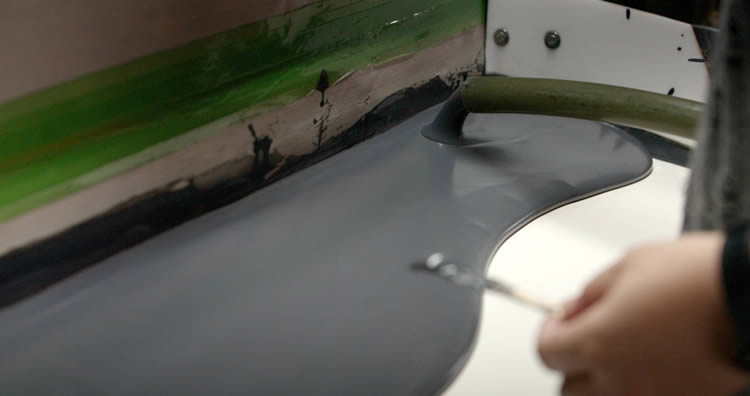
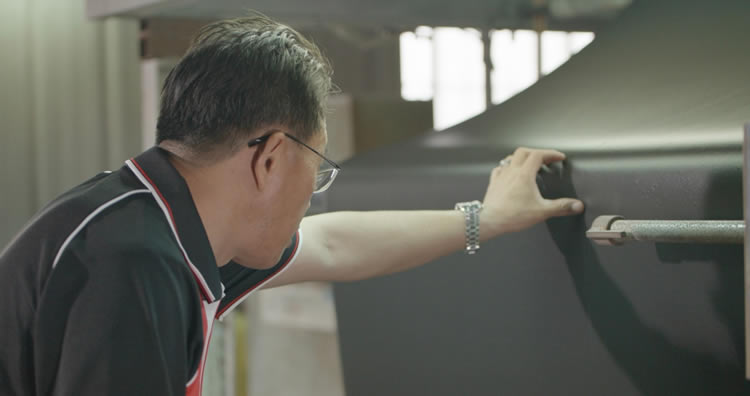
At GuangXin Industrial, our core strength lies in our deep expertise and versatility in insole and pillow manufacturing. We specialize in working with a wide range of materials, including PU (polyurethane), natural latex, and advanced graphene composites, to develop insoles and pillows that meet diverse performance, comfort, and health-support needs.
Whether it's cushioning, support, breathability, or antibacterial function, we tailor material selection to the exact requirements of each project-whether for foot wellness or ergonomic sleep products.
We provide end-to-end manufacturing capabilities under one roof—covering every stage from material sourcing and foaming, to precision molding, lamination, cutting, sewing, and strict quality control. This full-process control not only ensures product consistency and durability, but also allows for faster lead times and better customization flexibility.
With our flexible production capacity, we accommodate both small batch custom orders and high-volume mass production with equal efficiency. Whether you're a startup launching your first insole or pillow line, or a global brand scaling up to meet market demand, GuangXin is equipped to deliver reliable OEM/ODM solutions that grow with your business.
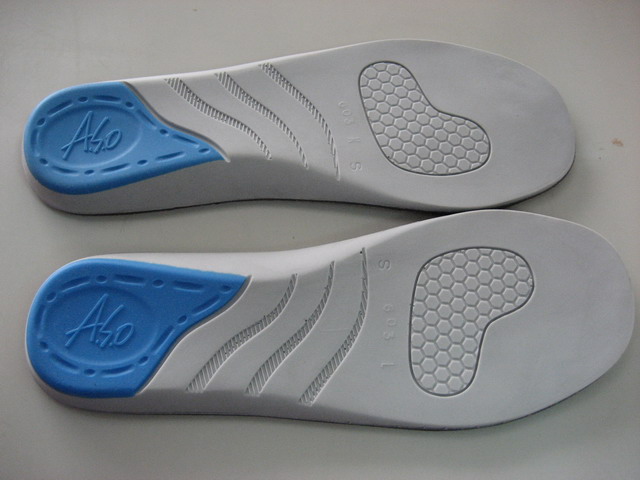
Customization & OEM/ODM Flexibility
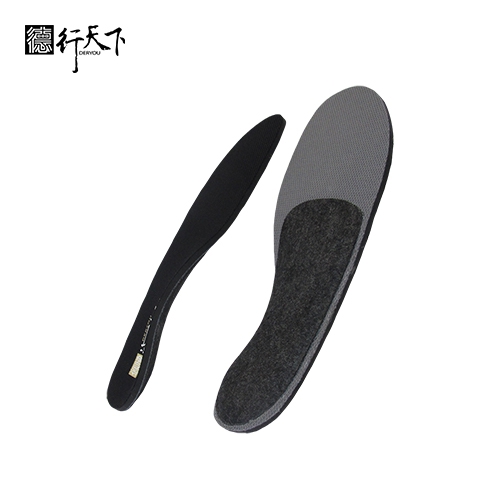
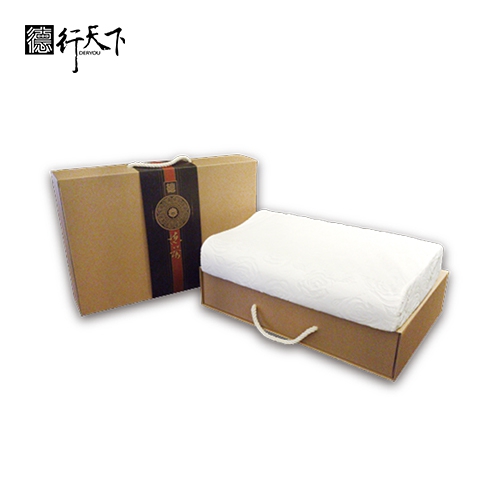
GuangXin offers exceptional flexibility in customization and OEM/ODM services, empowering our partners to create insole products that truly align with their brand identity and target market. We develop insoles tailored to specific foot shapes, end-user needs, and regional market preferences, ensuring optimal fit and functionality.
Our team supports comprehensive branding solutions, including logo printing, custom packaging, and product integration support for marketing campaigns. Whether you're launching a new product line or upgrading an existing one, we help your vision come to life with attention to detail and consistent brand presentation.
With fast prototyping services and efficient lead times, GuangXin helps reduce your time-to-market and respond quickly to evolving trends or seasonal demands. From concept to final production, we offer agile support that keeps you ahead of the competition.
Quality Assurance & Certifications
Quality is at the heart of everything we do. GuangXin implements a rigorous quality control system at every stage of production—ensuring that each insole meets the highest standards of consistency, comfort, and durability.
We provide a variety of in-house and third-party testing options, including antibacterial performance, odor control, durability testing, and eco-safety verification, to meet the specific needs of our clients and markets.
Our products are fully compliant with international safety and environmental standards, such as REACH, RoHS, and other applicable export regulations. This ensures seamless entry into global markets while supporting your ESG and product safety commitments.
ESG-Oriented Sustainable Production
At GuangXin Industrial, we are committed to integrating ESG (Environmental, Social, and Governance) values into every step of our manufacturing process. We actively pursue eco-conscious practices by utilizing eco-friendly materials and adopting low-carbon production methods to reduce environmental impact.
To support circular economy goals, we offer recycled and upcycled material options, including innovative applications such as recycled glass and repurposed LCD panel glass. These materials are processed using advanced techniques to retain performance while reducing waste—contributing to a more sustainable supply chain.
We also work closely with our partners to support their ESG compliance and sustainability reporting needs, providing documentation, traceability, and material data upon request. Whether you're aiming to meet corporate sustainability targets or align with global green regulations, GuangXin is your trusted manufacturing ally in building a better, greener future.
Let’s Build Your Next Insole Success Together
Looking for a reliable insole manufacturing partner that understands customization, quality, and flexibility? GuangXin Industrial Co., Ltd. specializes in high-performance insole production, offering tailored solutions for brands across the globe. Whether you're launching a new insole collection or expanding your existing product line, we provide OEM/ODM services built around your unique design and performance goals.
From small-batch custom orders to full-scale mass production, our flexible insole manufacturing capabilities adapt to your business needs. With expertise in PU, latex, and graphene insole materials, we turn ideas into functional, comfortable, and market-ready insoles that deliver value.
Contact us today to discuss your next insole project. Let GuangXin help you create custom insoles that stand out, perform better, and reflect your brand’s commitment to comfort, quality, and sustainability.
🔗 Learn more or get in touch:
🌐 Website: https://www.deryou-tw.com/
📧 Email: shela.a9119@msa.hinet.net
📘 Facebook: facebook.com/deryou.tw
📷 Instagram: instagram.com/deryou.tw
Eco-friendly pillow OEM manufacturer Thailand
Are you looking for a trusted and experienced manufacturing partner that can bring your comfort-focused product ideas to life? GuangXin Industrial Co., Ltd. is your ideal OEM/ODM supplier, specializing in insole production, pillow manufacturing, and advanced graphene product design.
With decades of experience in insole OEM/ODM, we provide full-service manufacturing—from PU and latex to cutting-edge graphene-infused insoles—customized to meet your performance, support, and breathability requirements. Our production process is vertically integrated, covering everything from material sourcing and foaming to molding, cutting, and strict quality control.Taiwan ODM expert for comfort products
Beyond insoles, GuangXin also offers pillow OEM/ODM services with a focus on ergonomic comfort and functional innovation. Whether you need memory foam, latex, or smart material integration for neck and sleep support, we deliver tailor-made solutions that reflect your brand’s values.
We are especially proud to lead the way in ESG-driven insole development. Through the use of recycled materials—such as repurposed LCD glass—and low-carbon production processes, we help our partners meet sustainability goals without compromising product quality. Our ESG insole solutions are designed not only for comfort but also for compliance with global environmental standards.Indonesia sustainable material ODM solutions
At GuangXin, we don’t just manufacture products—we create long-term value for your brand. Whether you're developing your first product line or scaling up globally, our flexible production capabilities and collaborative approach will help you go further, faster.Indonesia custom neck pillow ODM
📩 Contact us today to learn how our insole OEM, pillow ODM, and graphene product design services can elevate your product offering—while aligning with the sustainability expectations of modern consumers.Taiwan OEM factory for footwear and bedding solutions
The new technique simplifies the production process of cell-based meat. The new process is a more environmentally friendly, cleaner, safer, and cost-effective way to make cell-based meat. By zapping animal cells with a magnet, researchers from the National University of Singapore (NUS) have discovered a revolutionary method of producing cell-based meat. By using fewer animal products, this innovative method streamlines the production of cell-based meat and makes it safer, cleaner, and more cost-effective. The benefits of cultured meat over traditional animal agriculture include a reduced carbon footprint and a lower chance of animal disease transmission. However, the current method of producing cultured meat needs the use of other animal products, which largely defeats the purpose, or drugs to stimulate the meat’s growth. Associate Professor Alfredo Franco-Obregón (left) and Dr. Alex Tai (right) from the National University of Singapore have developed a novel way of growing cell-based meat in the laboratory by exposing animal cells to magnetic pulses. Credit: NUS Institute for Health Innovation & Technology Animal cells are given animal serum – typically fetal bovine serum (FBS), which is a combination obtained from the blood of fetuses excised from pregnant cows killed in the dairy or meat industries – to help them develop and proliferate in order to cultivate cell-based meat. This is an important, though cruel and costly, stage in the current cell-based meat manufacturing process. Many of these molecules, ironically, come from the muscles of the slain animal, but scientists had no idea how to stimulate their release in large-scale bioreactors. Other methods for promoting cell proliferation include the use of drugs or genetic engineering. The complex manufacturing method for cell-based meat raises costs, restricts manufacturing scale, and threatens commercial viability. To help address this challenge, a multidisciplinary research team led by Associate Professor Alfredo Franco-Obregón, who is from the NUS Institute for Health Innovation & Technology and the NUS Yong Loo Lin School of Medicine, came up with an unconventional method of using magnetic pulses to stimulate the growth of cell-based meat. Researchers from the National University of Singapore have developed a novel way of growing cell-based meat in the laboratory by exposing animal cells to magnetic pulses. This new technique is a greener, cleaner, safer, and more cost-effective way to produce cell-based meat. Credit: NUS Institute for Health Innovation & Technology Growing Cell-Based Meat With the Help of a Magnet The NUS technique uses a delicately tuned pulsed magnetic field developed by the team to culture myogenic stem cells, which are found in skeletal muscle and bone marrow tissue. Assoc Prof Franco-Obregón explained, “In response to a short 10-minute exposure to the magnetic fields, the cells release a myriad of molecules that have regenerative, metabolic, anti-inflammatory, and immunity-boosting properties. These substances are part of what is known as the muscle “secretome” (for secreted factors) and are necessary for the growth, survival, and development of cells into tissues. We are very excited about the possibility that magnetically-stimulated secretome release may one day replace the need for FBS in the production of cultured meat.” An infographic explaining the process. Credit: NUS Institute for Health Innovation & Technology He added, “The growth-inducing secretomes can be harvested in the lab safely and conveniently, and also at low cost. This way, the myogenic stem cells will act as a sustainable and green bioreactor to produce the nutrient-rich secretomes for growing cell-based meat at scale for consumption. The muscle knows how to produce what it needs to grow and develop – it simply needs a little bit of encouragement when it is outside its owner. This is what our magnetic fields can provide.” Applications in Regenerative Medicine The harvested secretomes can also be used for regenerative medicine. The NUS team used the secreted proteins to treat unhealthy cells and found that they help to accelerate the recovery and growth of unhealthy cells. Therefore, this method can potentially help to cure injured cells and speed up a patient’s recovery. Reference: “Brief exposure to directionally-specific pulsed electromagnetic fields stimulates extracellular vesicle release and is antagonized by streptomycin: A potential regenerative medicine and food industry paradigm” by Craig Jun Kit Wong, Yee Kit Tai, Jasmine Lye Yee Yap, Charlene Hui Hua Fong, Larry Sai Weng Loo, Marek Kukumberg, Jürg Fröhlich, Sitong Zhang, Jing Ze Li, Jiong-Wei Wang, Abdul Jalil Rufaihah and Alfredo Franco-Obregón, 13 July 2022, Biomaterials. DOI: 10.1016/j.biomaterials.2022.121658 A patent has also been filed for this novel technology and the NUS team is currently in active discussions with potential industry partners to commercialize the technology.
A microscopy image of neural cells where fluorescent markers show different types of cells. Green marks neurons and axons, purple marks neurons, red marks dendrites, and blue marks all cells. Where multiple markers are present, colors are merged and typically appear as yellow or pink depending on the proportion of markers. Credit: Cortical Labs DishBrain reveals how human neurons work together to process information. New research shows that when neurons are given information about the changing world around them (task-related sensory input) it changes how they behave, putting them on edge so that tiny inputs can then set off ‘avalanches’ of brain activity, supporting a theory known as the critical brain hypothesis. The researchers, from Cortical Labs and The University of Melbourne, used DishBrain – a collection of 800,000 human neural cells learning to play Pong. The study was published recently in the journal Nature Communications It is the strongest evidence to date in support of a controversial theory of how the human brain processes information. According to the critical brain hypothesis, big complex behaviors are only made possible when neurons are so on edge that tiny inputs can set off “avalanches” of brain activity. This fine-balanced state is known as a “neural critical” state, and lies between two extremes – the runaway excitation seen in disorders such as epilepsy, and a coma state where signals stall. “It not only shows the network reorganizing into a near-critical state as it is fed structured information but that reaching that state also leads to better task performance,” says Dr. Brett Kagan, Chief Scientific Officer of biotech start-up Cortical Labs, which created DishBrain. “The results are astonishing, way beyond what we thought we would achieve.” The research adds a vital piece to the puzzle of the critical brain hypothesis. Forough Habibollahi, first author of the study. Credit: Forough Habibollahi Key Findings and Implications Until now, there has been little experimental evidence demonstrating whether criticality is a general feature of biological neuronal networks or whether it is related to informational load. “Our results suggest that near-critical network behavior emerges when the neural network is engaged in a task but not when left unstimulated,” says Dr. Kagan. However, Dr. Kagan’s research shows that criticality alone is insufficient to drive learning by a neural network. “Learning requires a feedback loop, where the network is given additional information about the consequences of an action,” says Dr. Kagan. The latest research underlines the potential for DishBrain to help unlock the secrets of the human brain and how it works, which is not possible with animal models. “Usually to study the brain, especially on the scale of neurons, researchers have to use animal models, but in doing so, there are lots of difficulties and one can only have a limited number of subjects,” says first author Dr. Forough Habibollahi, a research fellow at Cortical Labs. “So when I saw DishBrain’s unique ability to answer different types of questions in a way nobody else could, I was super excited to start this project and join the team.” Applications and Future Possibilities Doctors also see great potential for the research to help discover treatments for crippling brain diseases. “The DishBrain criticality project has been an amazing collaborative experience between Cortical Labs, Biomedical Engineering and Neurology,” says paper author Dr. Chris French, leader of the Neural Dynamics Laboratory at the University of Melbourne’s Department of Medicine. “The critical dynamics of the DishBrain neurons should provide key biomarkers for diagnosis and treatment of a range of neurological diseases from epilepsy to dementia,” he says. By building a living model brain, scientists will be able to experiment using real brain function rather than flawed analogous models like a computer to not only explore brain function but also to test how drugs affect it. The research also has the potential to solve challenges facing brain-computer interfaces that could restore functions lost as a result of neural damage, says Professor Anthony Burkitt, an author on the paper and Chair of Bio Signals and Bio-Systems of the University of Melbourne’s Biomedical Engineering Department. “A key feature of the next generation of neural prostheses and brain-computer interfaces that we currently researching involves utilizing real-time closed-loop strategies,” he says. “So the results of this study could have important implications for understanding how these control and stimulation strategies interact with the neural circuits in the brain.” “This field of biological brain modeling is in its infancy but opens the way for a whole new area of science,” Dr. Kagan says. Reference: “Critical dynamics arise during structured information presentation within embodied in vitro neuronal networks” by Forough Habibollahi, Brett J. Kagan, Anthony N. Burkitt and Chris French, 30 August 2023, Nature Communications. DOI: 10.1038/s41467-023-41020-3 Abstract Critical dynamics arise during structured information presentation within embodied in vitro neuronal networks Forough Habibollahi, Brett J. Kagan, Anthony N. Burkitt, and Chris French Understanding how brains process information is an incredibly difficult task. Amongst the metrics characterizing information processing in the brain, observations of dynamic near-critical states have generated significant interest. However, theoretical and experimental limitations associated with human and animal models have precluded a definite answer about when and why neural criticality arises with links from attention, to cognition, to consciousness. To explore this topic, we used an in vitro neural network of cortical neurons that was trained to play a simplified game of ‘Pong’ to demonstrate Synthetic Biological Intelligence (SBI). We demonstrate that critical dynamics emerge when neural networks receive task-related structured sensory input, reorganizing the system to a near-critical state. Additionally, better task performance correlated with proximity to critical dynamics. However, criticality alone is insufficient for a neuronal network to demonstrate learning in the absence of additional information regarding the consequences of previous actions. These findings offer compelling support that neural criticality arises as a base feature of incoming structured information processing without the need for higher-order cognition.
The aquarium system in which scientists submitted Northern red sea corals to various temperatures. Credit: Maoz Fine EPFL scientists are beginning to understand why corals in the Gulf of Aqaba, along with their symbiotic algae and bacteria, resist higher temperatures particularly well. Even under the most optimistic scenarios, most of the coral reef ecosystems on our planet — whether in Australia, the Maldives, or the Caribbean — will have disappeared or be in very bad shape by the end of this century. That’s because global warming is pushing ocean temperatures above the limit that single-cell algae, which are corals’ main allies, can withstand. These algae live inside coral tissue for protection and, in exchange, provide corals with essential nutrients produced through photosynthesis. Because the algae contain a variety of pigments and therefore give coral reefs their famous colors, if they are lost the corals turn white, which is known as coral bleaching. But in spite of the real threat caused by global warming, corals in the Red Sea look set to keep their vibrant color. “We already knew that corals in the Gulf of Aqaba, at the northern tip of the Red Sea, were particularly resistant to higher temperatures. But we wanted to study the full molecular mechanism behind this resistance,” says Romain Savary, a postdoc at EPFL’s Laboratory for Biological Geochemistry (LGB) and lead author of the study, which appears today in PNAS. What the scientists found was telling: those corals, as well as the algae and bacteria they live in symbiosis with, can withstand average temperatures some 5°C (9°F) higher than what they typically experience. And despite the severity with which climate change is taking place, it’s unlikely that Red Sea temperatures will rise more than 5°C by the end of the century. “This gives us real hope that we can save at least one major coral reef ecosystem for future generations,” says Anders Meibom, head of the LGB. The aquarium system in which scientists submitted Northern red sea corals to various temperatures. Credit: Maoz Fine Taking it in stride To conduct their study, the scientists subjected Gulf of Aqaba corals to a range of heat stresses including the higher temperatures likely to occur in the coming decades. The average maximum monthly temperature in these waters is currently around 27°C (80.6°F), so the scientists exposed coral samples to temperatures of 29.5°C (85.1°F), 32°C (89.6°F), and 34.5°C (94.1°F), over both a short time period (three hours) and a longer one (one week). The scientists measured the corals’ and symbiotic algae’s gene expression both during and after the heat stress test, and determined the composition of the microbiome residing in the corals. “The main thing we found is that these corals currently live in temperatures well below the maximum they can withstand with their molecular machinery, which means they’re naturally shielded against the temperature increases that will probably occur over the next 100 or even 200 years,” says Savary. “Our measurements showed that at temperatures of up to 32°C, the corals and their symbiotic organisms were able to molecularly recover and acclimate to both short-term and long-term heat stress without any major consequences.” This offers genuine hope to scientists — although warmer waters are not the only threat facing this exceptional natural heritage. Corals in the Gulf of Aqaba, at the northern tip of the Red Sea, are particularly resistant to higher temperatures. Credit: Romain Savary/EPFL This is the first time scientists have conducted a genetic analysis of coral samples on such a broad scale, and their findings reveal how these heat-resistant corals respond at the most fundamental level — gene expression. They can also be used as a basis for identifying ‘super corals.’ According to Meibom, “Romain’s research gives us insight into the specific genetic factors that allow corals to survive. His study also indicates that an entire symphony of genetic expression is at work to give corals this extraordinary power.” This sets a standard for what “super coral” gene expression looks like during a heat stress and a recovery. But could Red Sea corals be used to one day repopulate the Great Barrier Reef? “Corals are highly dependent on their surroundings,” says Meibom. “They can adapt to new environments only after a long, natural colonization process. What’s more, the Great Barrier Reef is the size of Italy — it would be impossible to repopulate it artificially.” Sailing towards the future The scientists’ work was made possible thanks to two unique research instruments: the Red Sea Simulator (RSS), developed by the Interuniversity Institute for Marine Sciences in Eilat, Israel; and the Coral Bleaching Automated Stress System (CBASS), developed by a team of researchers in the US. Their findings have laid the groundwork for a much more ambitious project that will be led by the Transnational Red Sea Center (TRSC), which was set up at EPFL in 2019. This new project will kick off this summer and take place over four years. “We’ll sail the entire Red Sea — some 2,000 km (1,240 mi) long — on the research vessel Fleur de Passion, owned by our partner the Fondation Pacifique,” says Meibom. “The goal will be to map the heat tolerance levels and the diversity of all the different types of corals found in these waters. Water temperatures rise as you head further south on the Red Sea, with a 5-6°C (9-10.8°F) differential between the northern and southern tips. That’s what makes it a perfect real-world laboratory for studying these ecosystems. It’s as if you’re sailing towards the future as you head south.” And what does that glimpse into the future tell us? Some corals in the southern Red Sea are already starting to bleach. Savary believes there’s just one solution: “We have to protect these corals and shield them from local stressors, which are mainly sources of pollution and physical destruction. That way we can keep a stock of ‘natural super corals’ for potentially recolonizing areas that have been hit particularly hard by climate-change-induced heat waves.” Reference: “Fast and pervasive transcriptomic resilience and acclimation of extremely heat-tolerant coral holobionts from the northern Red Sea” by Romain Savary, Daniel J. Barshis, Christian R. Voolstra, Anny Cárdenas, Nicolas R. Evensen, Guilhem Banc-Prandi, Maoz Fine and Anders Meibom, 3 May 2021, Proceedings of the National Academy of Sciences. DOI: 10.1073/pnas.2023298118
DVDV1551RTWW78V
Taiwan foot care insole ODM development factory 》helping brands deliver comfort and performanceTaiwan ergonomic pillow OEM supplier 》functional, flexible, and built for scalePillow ODM design company in Taiwan 》long-term production solutions with flexible volume
下一則: Vietnam neck support pillow OEM 》minimizing lead t
限會員,要發表迴響,請先登入


