蘇穆基女郎
(匈牙利)

歌名:匈牙利民謠組曲
(Éva szívem Éva+Azért jöttem ide karikázni+Piros alma bele-esett a sarba(詳內文)
作詞:匈牙利民謠,不可考
作曲:匈牙利民謠,不可考
編舞:Sandor Timer(Bartok舞團編舞家);
整理與發表:Andor Czompo,1972年
舞名:Somogyi Karikázó
中文舞名:蘇穆基女郎
預備舞姿:女子舞,單圈,前搖籃舞姿(Front basket hold),與鄰伴右手上,左手下.
蘇穆基是匈牙利的一個郡(county),匈牙利文全名為Somogy vármegye,位於匈牙利西南部與克羅埃西亞相鄰: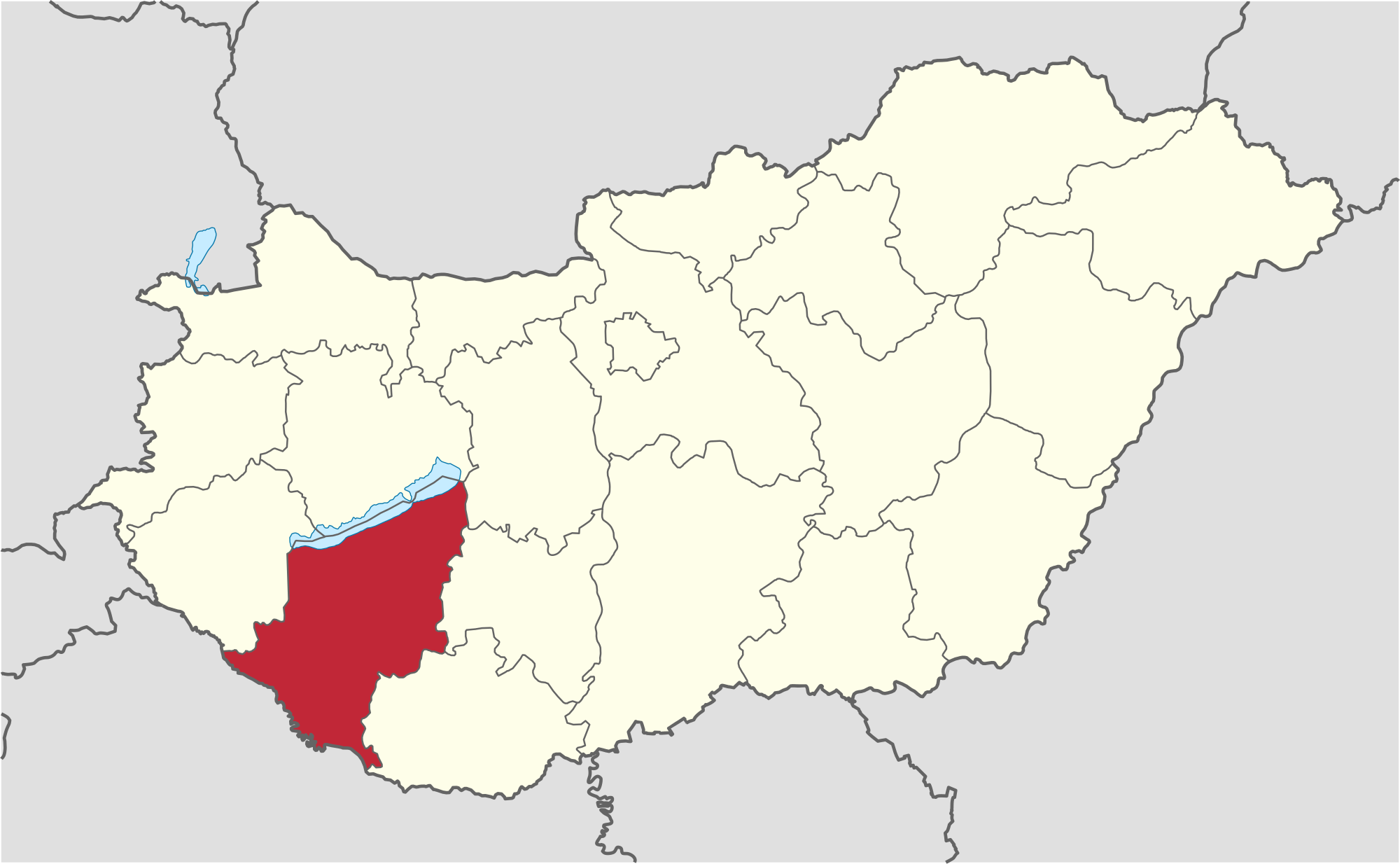
圖片來源:匈牙利文版維基百科
本舞舞名Somogyi Karikázó,第一個字Somogyi比Somogy多一個”i”,意思是”蘇穆基的”.舞名的意思就很清楚的說這首舞是來自蘇穆基的”Karikázó”.那接下來我們就要知道"Karikázó"是什麼啦.
Karikázó在匈牙利文中的原意是”環”的意思(英文的"ring" ),在這裡指的是圓環舞.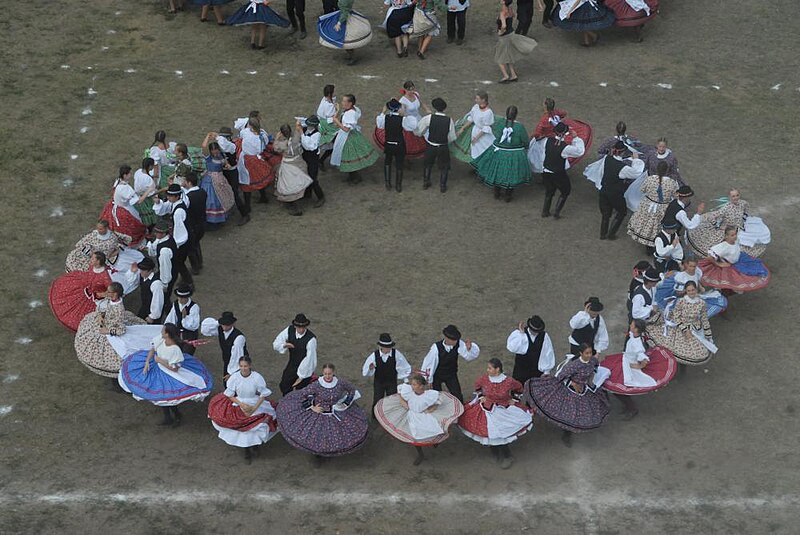
圖片來源:匈牙利文版維基百科
在匈牙利 Karikázó為女生跳的傳統圓環舞,舞姿為背後搖籃舞姿,或身前右上左下交叉牽手(前搖籃舞姿,front basket hold),圍成閉口圓朝反方向線行進.通常都是由舞者清唱,邊唱邊跳,沒有用樂器伴奏.如果男生想跳Karikázó的話也是可以,就是不能直接插進女生的隊伍中,男生只能圍在女生圓圈的外面,用搭肩舞姿(T型舞姿)圍繞著內圈的女生跳.(舞友們如果在網路上有看到男女混搭,一起跳匈牙利圓環舞的影片,都不是道地的唷!)
背後搖籃舞姿: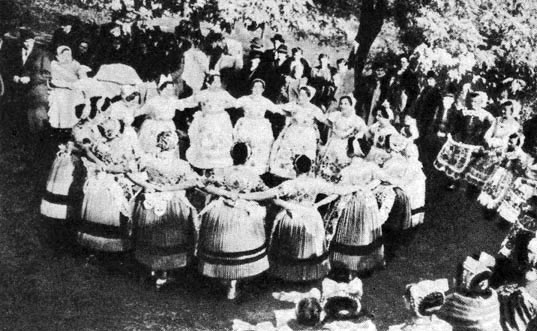
歌曲的部份,本歌曲原名Éva szívem Éva,中文直譯為:伊娃,我心愛的伊娃(Eva也可翻譯成夏娃).這是一首來自蘇穆基郡卡拉德村(匈牙利文:Karád,意思是你的劍)流傳已久的匈牙利民謠,已經考證不出原始的作詞/作曲者.
蘇穆基郡卡拉德村位置圖: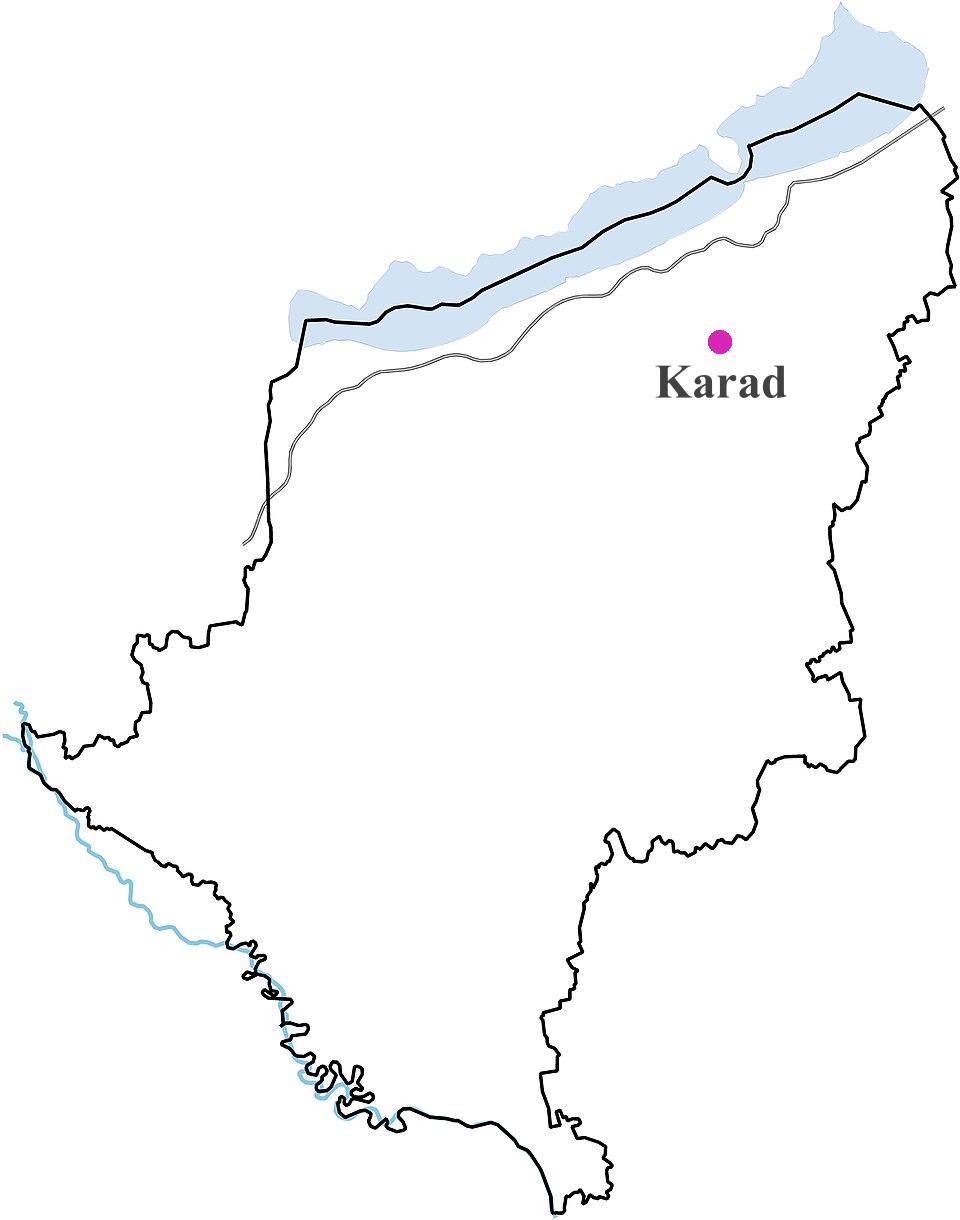
卡拉德村: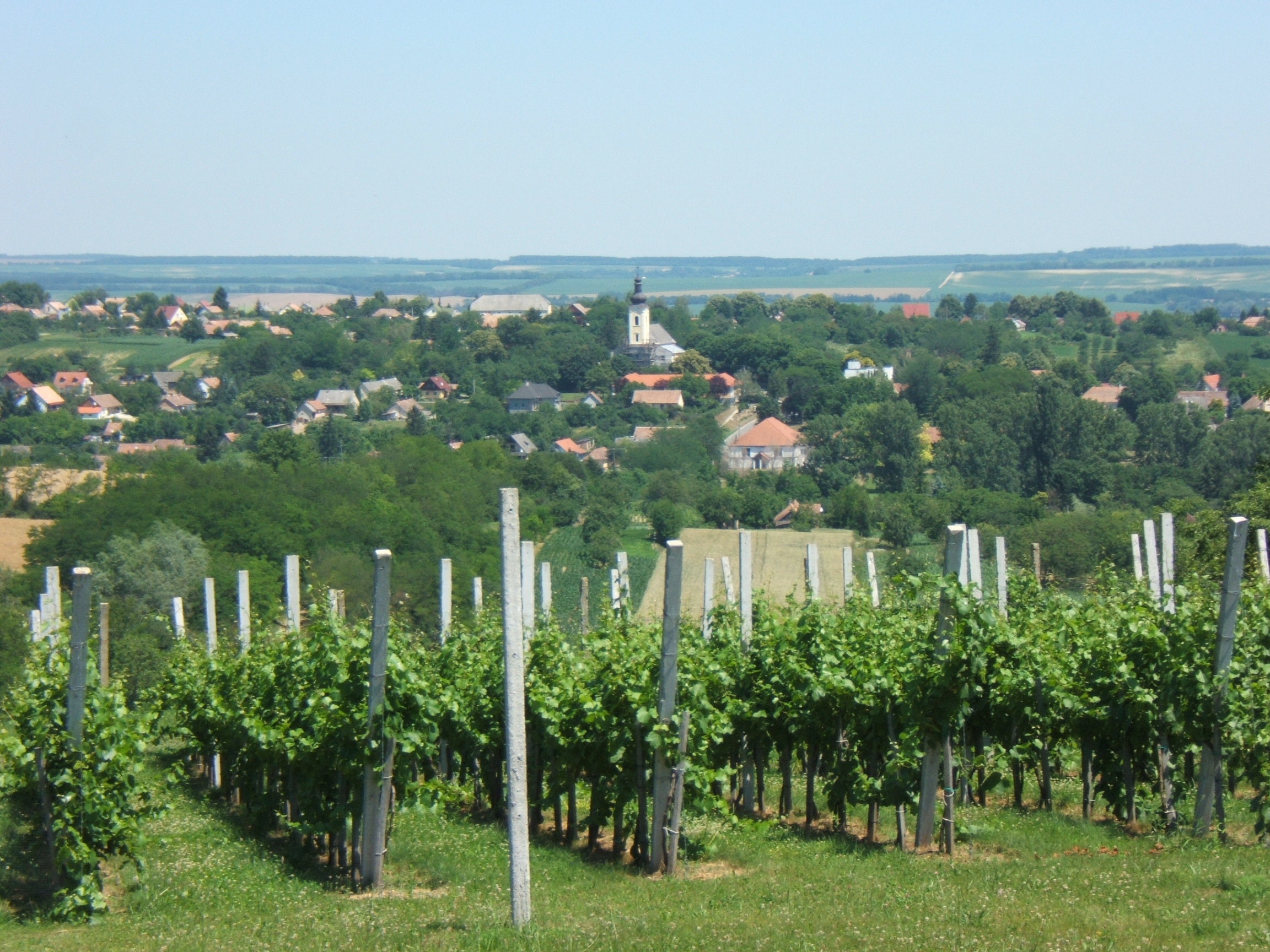
圖片來源:匈牙利文版維基百科
卡拉德村村徽(上面就是一把劍):
圖片來源:匈牙利文版維基百科
青蛙老師找到比較早的歌曲錄音是匈牙利民謠電台保存,西元1938年4月13日由Bogdán Györgyné演唱的版本.舞友們一聽就一定聽出來這首就是蘇穆基女郎的配曲.
匈牙利原文歌詞:
1.
Éva szívem Éva
Most érik a szíva
Teridvel az alja
Fölszedjük hajnalba.
2.
Bárcsak ez a hajnal
Sokáig tartana
Hogy a szerelemnek
Vége ne szakanna.
3.
Szerelem, szerelem
Átkozott gyötrelem
Mér nem virágoztál
Minden fa tetejin.
4.
Minden fa tetejin
Cidrusfa levelin
Hadd szakajtott volna
Minden szegény legény.
西元1939年版民謠:Éva szívem Éva
舞友們聽完這首難得聽到的古老民謠後,心中有沒有升起一股疑問:好像意猶未盡,跟我們跳舞時用的歌曲很像,可是好像又少了什麼?有這個疑問的舞友們,我佩服您,沒錯,我們土風舞用的音樂不只是Éva szívem Éva這一首民謠,Éva szívem Éva是我們在跳第一段慢板時的音樂.我們土風舞用的音樂是由蘇穆基地區的三首民謠組合而成的組曲:
第一段慢板:Éva szívem Éva
第二段快板:Azért jöttem ide karikázni和Piros alma bele-esett a sarba兩首歌曲
現在青蛙老師就來揭曉我們土風舞版使用的音樂.我們土風舞版使用的音樂是西元1969年1月28日,由匈牙利Béla Vavrinecz指揮,Mátyás Jónás and his Folk Orchestra樂團演出發行的”Ugorjunk a táncba... Hungarian Folk Dances”專輯唱片.這一張唱片A面總共有我們土風舞原曲3首,分別是A1:卡那村的牧人;A4:中歐少女跟A6的這一首蘇穆基女郎.
Ugorjunk a táncba... Hungarian Folk Dances_專輯唱片封面: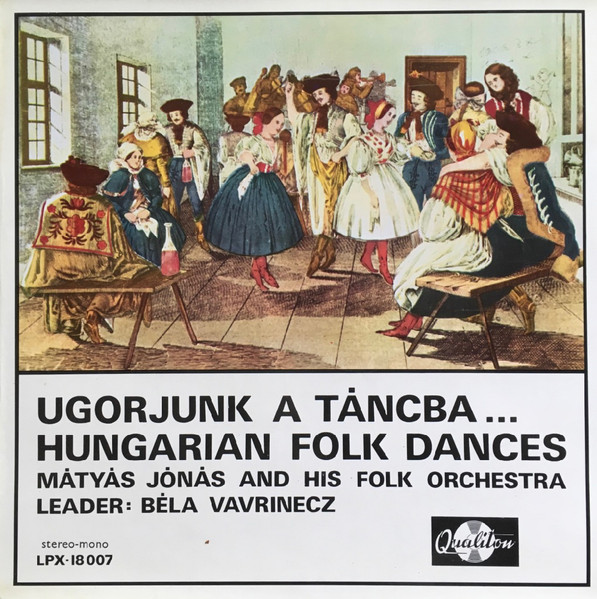
Ugorjunk a táncba... Hungarian Folk Dances_專輯唱片封底: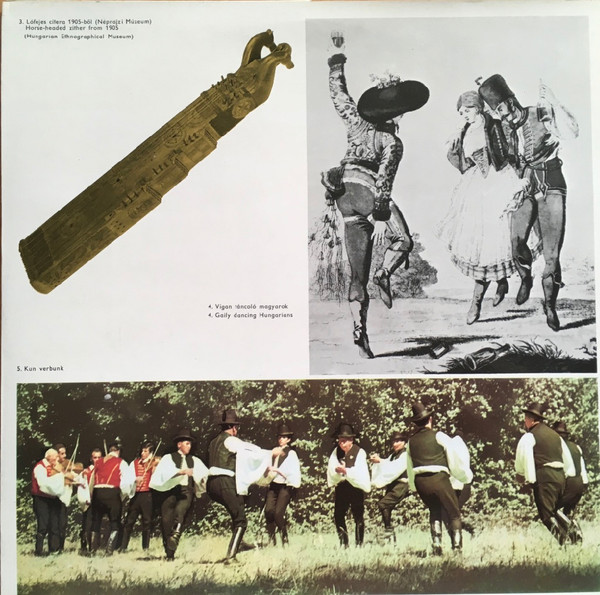
Ugorjunk a táncba... Hungarian Folk Dances_專輯唱片內頁_01: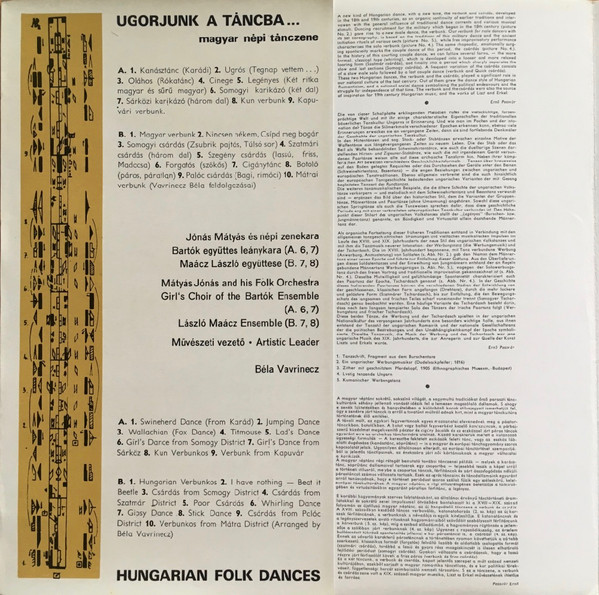
Ugorjunk a táncba... Hungarian Folk Dances_專輯唱片內頁_02: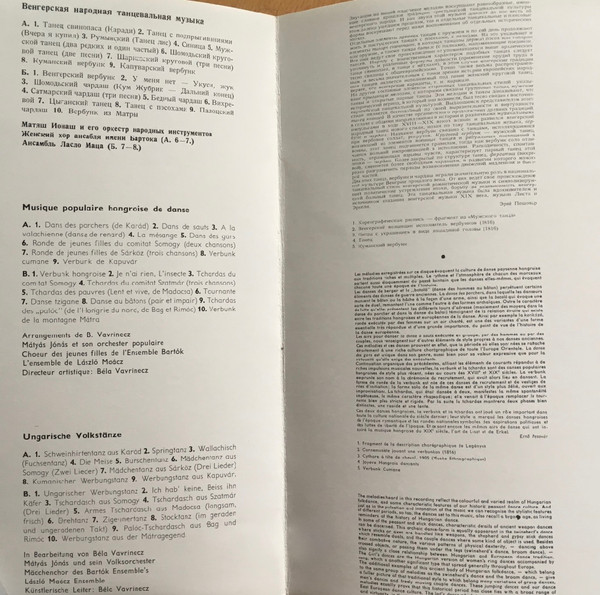
Ugorjunk a táncba... Hungarian Folk Dances_專輯唱片內頁_03: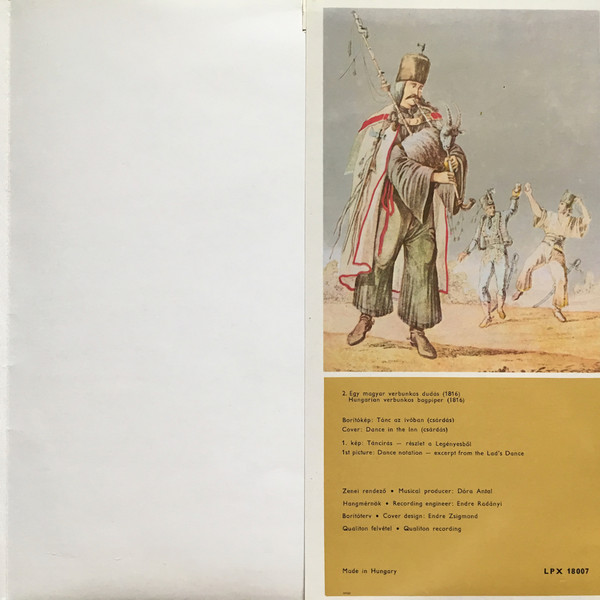
Ugorjunk a táncba... Hungarian Folk Dances_專輯唱片A面: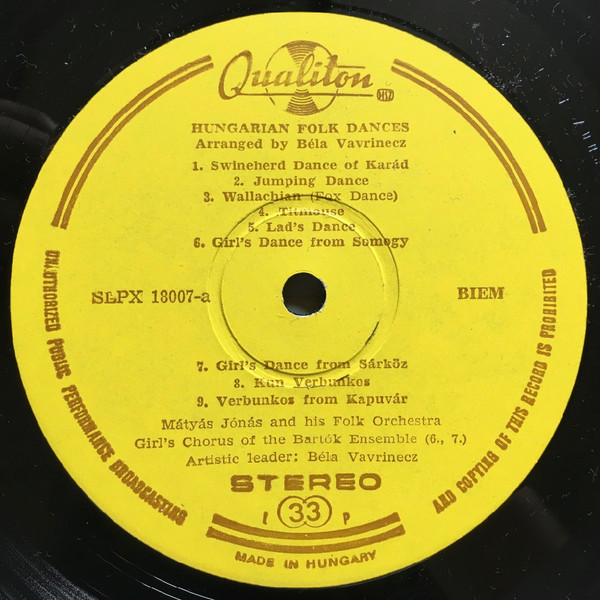
Ugorjunk a táncba... Hungarian Folk Dances_專輯唱片B面: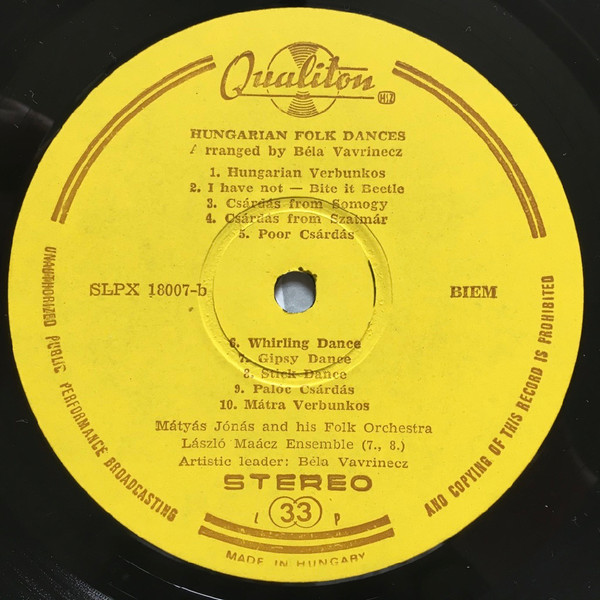
根據美國加州土風舞基金會舞蹈研究委員會(Folk Dance Federation of California Dance Research Committee)所提供本歌曲完整的匈牙利原文歌詞與英文翻譯歌詞如下:
本舞匈牙利原文歌詞:
第一段慢板:
Eva szivem eva, most erik a szilva,
Teritve az alja felszedjuk hajnalra.
Barcsak ez a hajnal sokaig tartana,
Hogy a szerelemnek vege ne szakadna.
Szerelem, szerelem, atkozott gyotrelem,
Mert mem termettel volt minden falevelen.
第二段快板:
Azert jottem ide karikazni,
Na a babam itt talalna lenni,
Keze laba ki talana torni,
Nekem kollne arrol szamot adni.
Mit er annak a legenynek elete,
Kinek mindig nadragzsebben a keze,
Nem meri a lanyokat megolelni,
Mert azt hiszi hogy a fene megeszi.
Piros alma bele-esett a sarba,
Bele-esett a saros pocsolyaba,
Piros almat kiveszem es megmosom,
A babamat szazsor is megcsokolom,
結尾:
Piros almat kiveszem es megmosom,
A babamat szazsor is megcsokolom.
歌詞英譯:
第一段慢板:
Eva, my heart, Eva, the plum tree is now ripe,
Underneath are spread plums, we will pick them up by dawn.
If only this dawn, would last a long time,
So that our love, would never end!
Love, love, cursed suffering!
Why didnt you grow, on every leaf?
第二段快板:
I came here to do the karikazo,
Should my sweetheart be here and,
Should his arms and legs break by any chance?
I would be the one responsible.
What is the worth of a fellows life?
Who always keeps his hands in his pockets?
He is afraid to embrace the girls,
Because he thinks the pox will take him.
A red apple fell into the mud,
Fell into the muddy puddle,
Ill take out the red apple and wash it,
And kiss my sweetheart a hundred times.
結尾:
Ill take out the red apple and wash it,
And kiss my sweetheart a hundred times.
歌詞中譯:(沒別人啦,就是青蛙老師 來翻譯啦)
來翻譯啦)
第一段慢板:
伊娃,我心愛的伊娃,李子樹結的李子已經熟了,
李子樹下散落滿地的李子,我們黎明時分來採李子吧
但願黎明能長久持續下去,
這樣我們的愛情就永遠不會消逝
愛情呀,愛情,總像被下詛咒般的痛苦
為什麼不能長在每一片的樹葉上呢?
第二段快板:
我來這裡跳圓環舞
我心愛的甜心應該也在這裡
萬一他的手或腳摔斷了怎麼辦?
這我將負起這個責任
一個人的生命值多少錢?
總是把手插在口袋裡的人(青蛙老師註:這一句跟上一句應該是倒裝句)
他不敢擁抱女孩
因為他害怕天花會奪走他的命
一顆紅蘋果掉進了泥巴裏
掉進泥濘的泥坑裏
我要把紅蘋果撈出來洗乾淨
然後親吻我的甜心一百次
結尾:
我要把紅蘋果撈出來洗乾淨
然後親吻我的甜心一百次
老闆招待本舞土風舞原版音樂:
接下來講舞的部份.本舞原為匈牙利Bartok舞團的編舞家Sandor Timer編舞,後來由匈牙利土風舞老師Andor Czompo整理後,於1972年開始在美國加州各地教授,並於1973年在加州Hidden Valley所舉辦的南北教師研習會(North-South Teachers Seminar)中正式發表.Andor Czompo老師是匈牙利國家民族藝術學者,曾陸陸續續在美國世界舞蹈營中教授近百首匈牙利舞蹈,我們跳的許多匈牙利舞蹈都是由Andor Czompo老師教出來的.
年輕時期的Andor Czompo老師: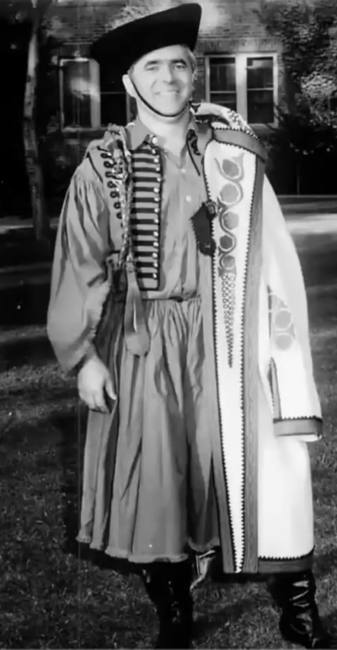
圖片來源:美國南加州土風舞基金會(Folk Dance Federation of California, South, Inc.)
匈牙利Andor Czompo老師: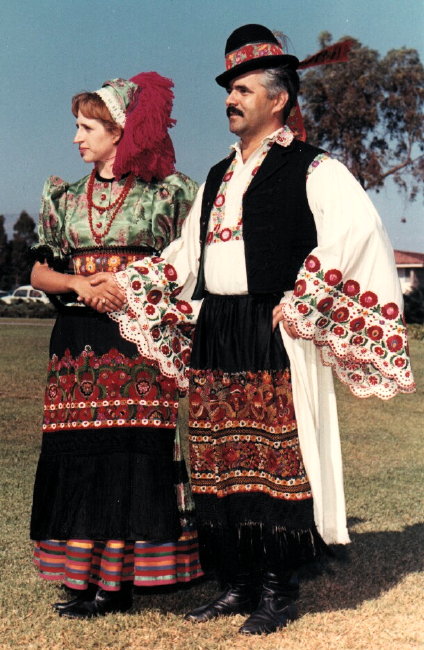
圖片來源:美國南加州土風舞基金會(Folk Dance Federation of California, South, Inc.)
Andor Czompo老師與妻子Ann Czompo老師: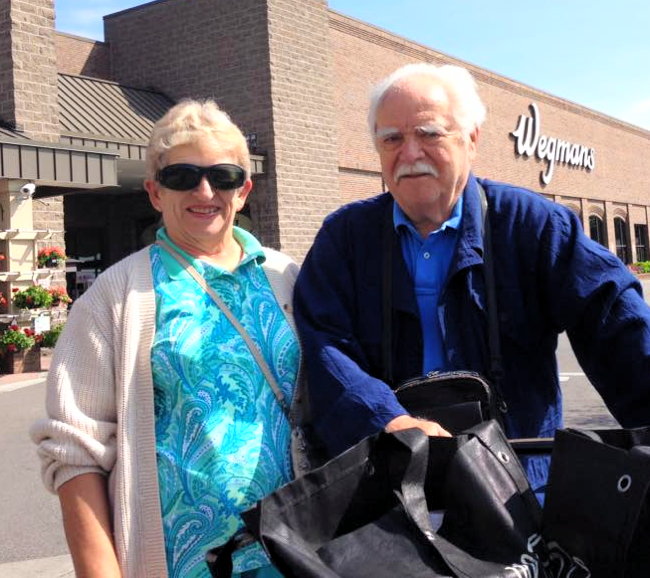
圖片來源:美國南加州土風舞基金會(Folk Dance Federation of California, South, Inc.)
Andor Czompo老師:逝世於西元2019年12月3日: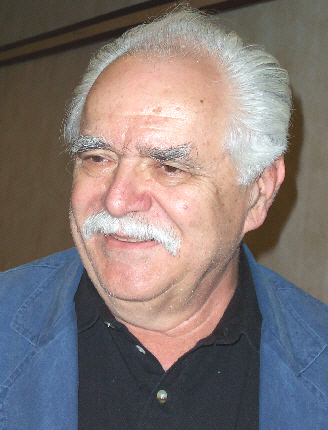
圖片來源:美國南加州土風舞基金會(Folk Dance Federation of California, South, Inc.)
本舞用到的匈牙利傳統舞步都相當的典型,像夏得西步,雙夏得西步,利達步,併利達步,希弗拉步(接近"跳的蘇格蘭均衡步")...等等,都是跳匈牙利舞常用到的舞步.青蛙老師在這裡對這些常用的匈牙利舞步做個簡單的說明
利達步:基本結構是一個側踏步加一個交叉步,因應不同的舞曲音樂型式與舞蹈行進方向,衍生出來幾種不同變化的利達步.
樂理:
1.Upbeat Rida Step(或Open Rida Step):這是最常用的利達步.Upbeat樂理上稱為弱起拍子或前起拍子.指的是前一小節的最後一拍.強弱拍的順序為:弱,強,弱,強.我們口令可以下”and,one,and,two”(國語口語化口令”和,1,和,2”)
2.Downbeat Rida Step(或Closed Rida Step):相對Upbeat Rida Step而來,樂理上稱謂強起拍子,從每一小節的第一拍開始起算.動作要領與Upbeat Rida Step一樣,只是剛好差一拍.強弱拍的順序跟upbeat剛好顛倒:強,弱,強,弱.我們口令可以下”one,and,two,and”(國語口語化口令”1,和,2,和”)
舞蹈:
1.Upbeat Rida Step(Open Rida Step):右足起,右腳前腳掌(ball,也就是蹠骨)向右側踏,左腳前交叉於右腳前,同時置重心.此為一個完整的利達步.由左足往左邊起也可以做利達步:左腳前腳掌向左側踏,右腳前交叉於左腳前,同時置重心.這也是幽谷少女最後一段的動作,左腳起步的利達步.我們口令可以下and,one,and,two(國語口語化口令”和,1,和,2”)
2.Downbeat Rida Step(Close Rida Step):同樣由右腳起,但是是往左邊行進:右腳往左,於左腳前交叉,並置重心,左腳前掌(ball)向左側踏.相同的,左腳向右交叉開始,往右邊移動的利達步,是左足往右行進的利達步.我們口令可以下one,and,two,and(國語口語化口令”1,和,2,和”),本舞第五小節向左邊移動的利達步用的就是這個舞步.
因此利達步分弱起拍子與強起拍子,左足,右足不同的組合,就有四種不同的利達步的變化步.
西元1967年第20屆世界土風舞營手冊中對匈牙利利達步的說明: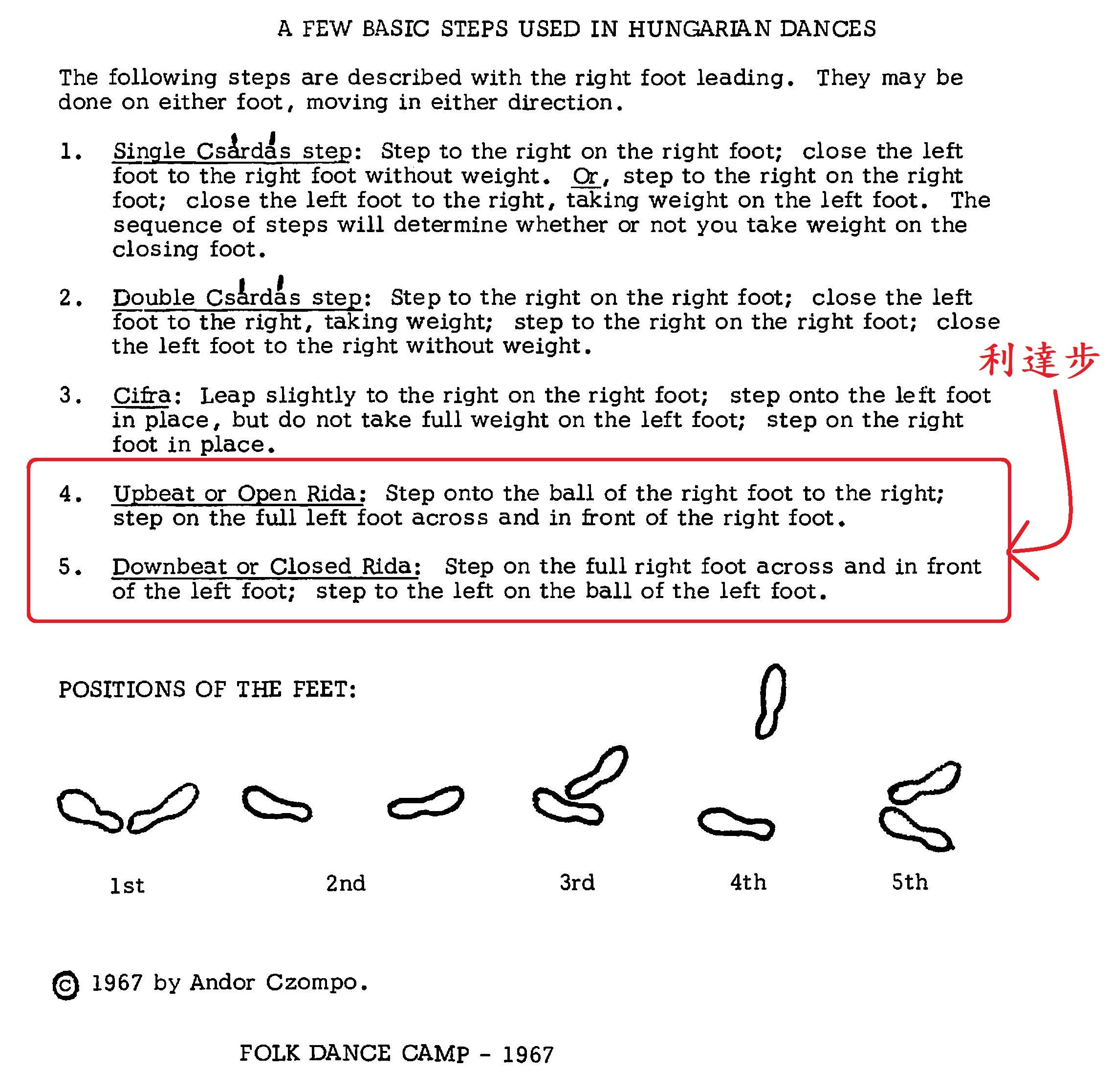
Andor Czompo老師在西元1966年曾經發表過常用匈牙利舞步說明,青蛙老師伴隨翻譯如下:
The following steps are described with the Right foot leading. They may be done on either foot, moving in either direction.
以下舞步說明以右腳起步做說明,舞步用哪一隻腳起步都可以,往哪一個方向也都可以.
- Single Csárdás Step: Step to the Right on the Right foot; close the Left foot to the Right foot without weight. OR, step to the Right on the Right foot; close the Left foot to the Right foot taking weight on the Left foot. The sequence of steps will determine whether or not you take weight on the closing foot.
夏得西步:右腳向右踏,左腳併右腳(也就是右側踏併步),左腳置重心或不置重心,端看下一步由哪一隻腳起步. - Double Csárdás Step: Step to the Right with the Right foot; close the Left foot to the Right foot taking weight; step to the Right on the Right foot; close the Left foot to the Right foot without weight.
雙夏得西步:右腳向右踏,左腳併右腳,左腳置重心;右腳再向右踏一步,左腳併右腳,不置重心(也就是向右邊連續2個側踏併步). - Cifra Step: Leap slightly to the Right on the Right foot; step onto the Left foot next to the Right foot in place but do not take full weight on the Left foot; step on the Right foot in place.
希弗拉步:右腳向右輕跳,左腳踏在右腳旁,右腳原地踏(有點像跳的蘇格蘭均衡步.) - Upbeat or Open Rida: Step onto the ball of the Right foot to the Right; step on full Left foot across and in front of the Right foot.
開式利達步:右足起,右腳前腳掌(ball,也就是蹠骨)向右側踏,左腳前交叉於右腳前,同時置重心 - Downbeat or Closed Rida: Step on full Right foot across and in front of the Left foot; step to the Left on the ball of the Left foot.
閉式利達步:右腳往左,於左腳前交叉,並置重心,左腳前掌(ball)向左側踏. - Lengetö (Leg Swing): Leap onto the Right foot in place, bringing Left foot up slightly in back; hop on the Right foot, swinging Left foot forward.
- Fono or Fonas (Weaving Step):
- Forward: Step on the Right foot in front of the Left; hop on the Right foot, bringing the Left foot in an arc around in front of the right foot.
- Same footwork as above but the arc moves from front to back, which looks somewhat like a reel-type step-hop.
- Simple Bokázó: Step in place three times, Right-Left-Right, bringing the heels together with clicks on each step.
- Bokázó Variations:
- In a parallel 1st position, click heels together on each count.
- Open heels (ct 1); close heels with a click (ct 2).
- Step Right in place (ct 1); step Left in place (ct 2); close Right foot to the Left with a heel click (ct 3); pause (ct 4).
- Jump on both feet, landing with Right foot crossed over in front of the Left foot, heels turned in slightly (ct 1); jump on both feet apaart, heels turned out slightly (ct 2); close both feet together with weight on both feet (ct 3); pause (ct 4).
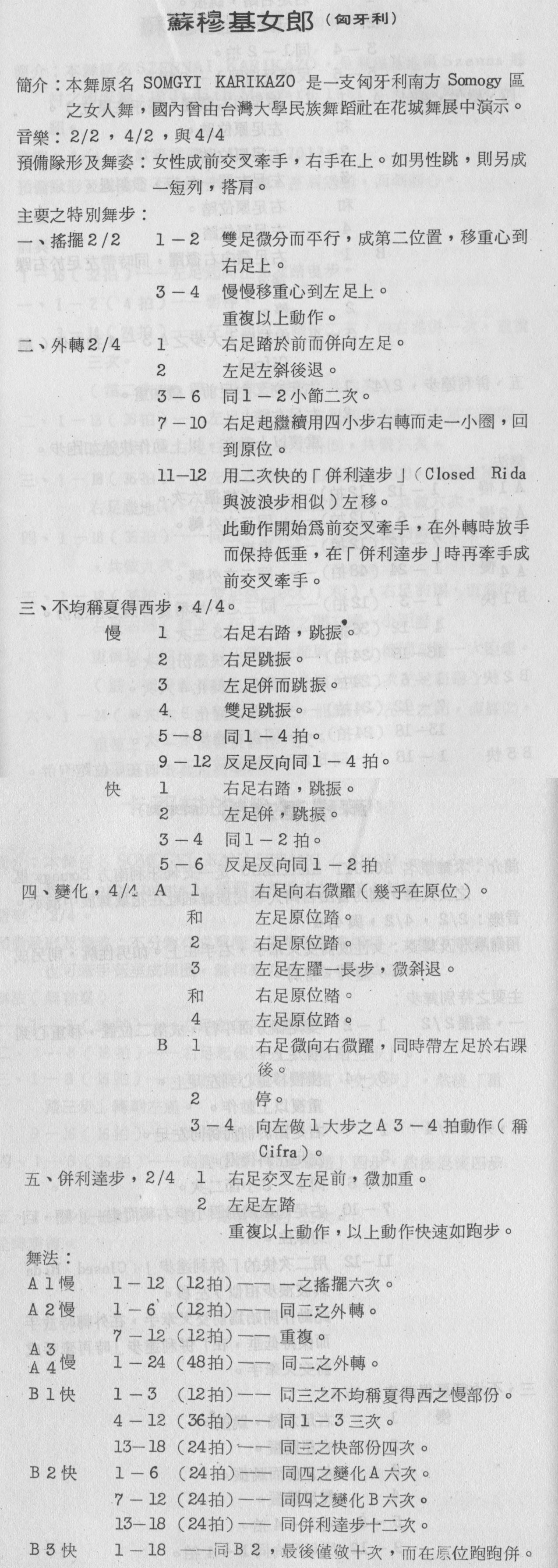
有了以上基本舞步說明後,我們看舞序就更簡單,更容易get到舞序的精髓:
老闆招待本舞中文:
老闆招待本舞原文舞序:
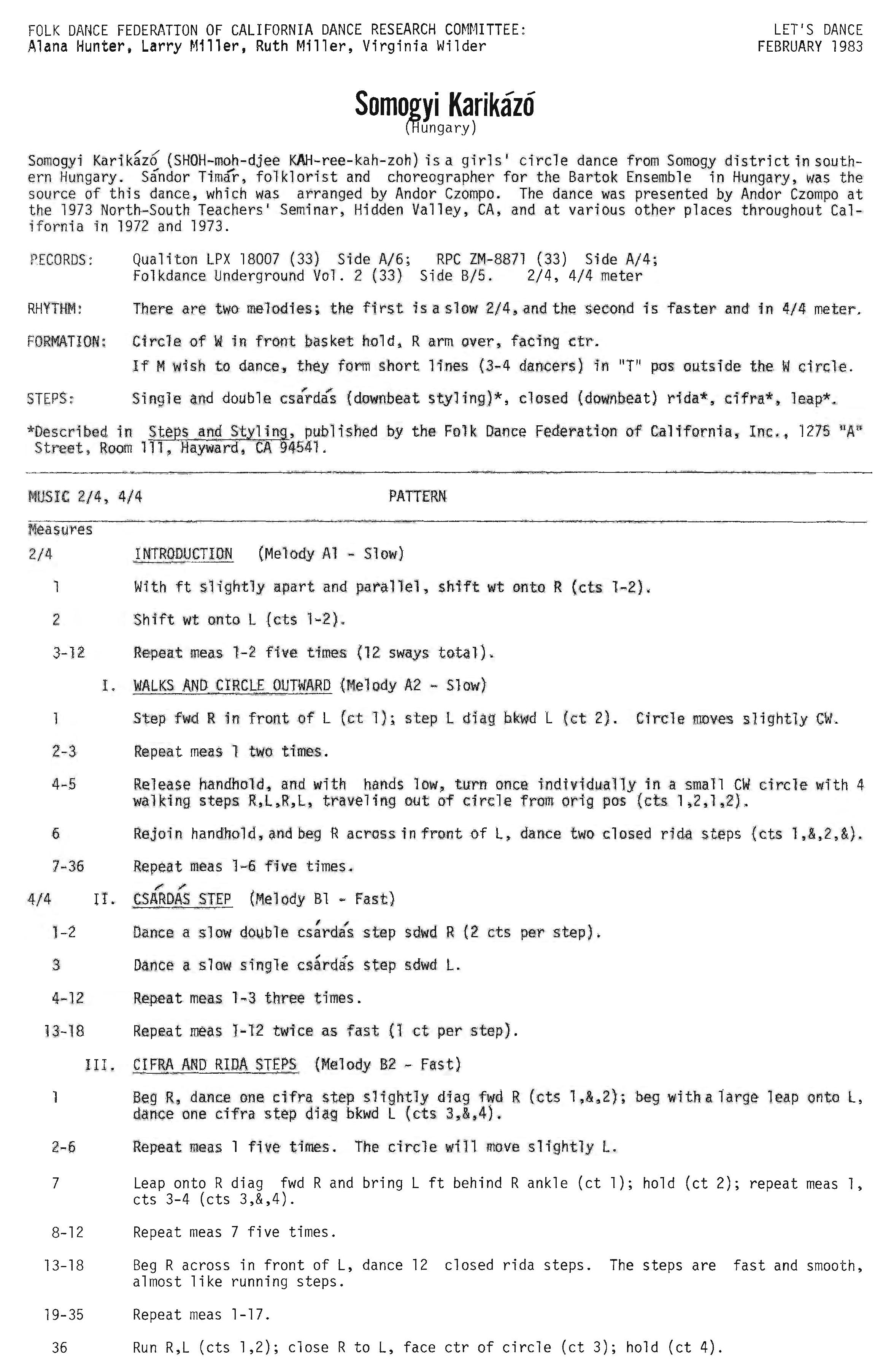
請舞友們注意前奏序舞的部份,前奏是有動作的,全體依照節奏往右左緩慢搖擺移置重心(shift weight,sway).預備舞姿也是要注意牽手上下的位置,這裡請舞友們記住一個原則,領舞者在左邊,往左(反方向線)移動時,與鄰伴的牽手是右上左下;相反的,如果領舞者在右邊,往右(方向線)行進,則是左上右下,例如我們跳山地舞的千人舞姿(也稱為聯歡舞姿).
Front basket hold(千人舞姿,往方向線與鄰伴牽手方向,本舞因為是往左行進,所以手剛好跟本圖相反):
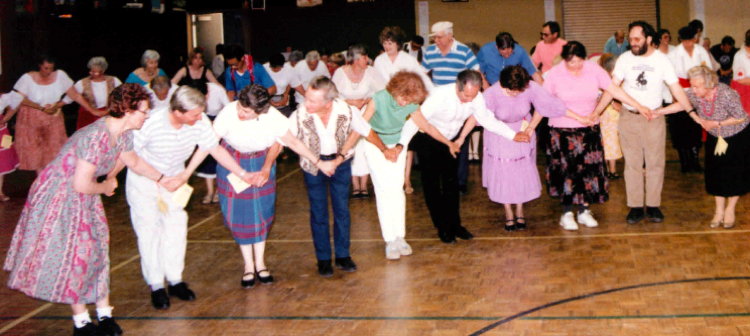
圖片來源:美國南加州土風舞基金會(Folk Dance Federation of California, South, Inc.)
最後老闆招待2部外國友社參考示範影片,請舞友們注意,女生在中間圍成單圈閉口圈跳,男生要跳的話,只能在外圍用搭肩(T舞姿)圍著女生跳.
1.以色列友社Dunav folk dancers示範參考示範影帶:
2.美國加州沙加緬度(Sacramento, California)舞友Roy Butler上傳的影片,這個社團的特色就是會請樂隊Village Folk Orkestra現場演奏跟演唱.
參考資料:
1.英文版維基百科
2.匈牙利文版維基百科
3.美國加州土風舞基金會:Folk Dance Federation of California
4.匈牙利民謠電台網站:https://folkradio.hu/
5.匈牙利民謠網站:https://zti.hungaricana.hu/
6.匈牙利蘇穆基郡卡拉德村網站:https://www.karad.hu/


