A clay graphite crucible rarely draws attention when everything runs smoothly, yet it quietly determines the quality of every melt. Neglect it, and problems appear without warning—contaminated metal, unexpected cracks, shortened lifespan. Proper cleaning and maintenance are less about routine chores and more about preserving reliability.
The first thing to understand is that a clay graphite crucible is not meant to look new after use. Darkened surfaces and slight residue are normal. What matters is preventing buildup that interferes with performance. After each pour, while the crucible is still warm—but no longer dangerously hot—loose slag should be removed. A gentle tap or the use of a suitable tool helps dislodge residue before it hardens completely. Waiting too long allows impurities to fuse with the surface, making removal far more difficult.
Water, despite being an obvious cleaning agent in many situations, is not always the right choice here. Rapid temperature changes can introduce stress fractures, especially if the crucible has not cooled evenly. Instead of rinsing, dry cleaning methods are preferred. A soft brush or wooden scraper works well to clear remaining debris without damaging the inner lining. Metal tools, if used carelessly, may scratch the surface and weaken structural integrity over time.
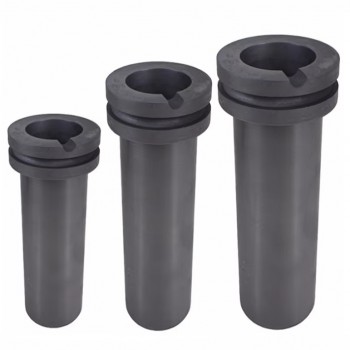
Inspection is just as important as cleaning. Small cracks often begin at the rim or base, where thermal stress concentrates. These imperfections might seem harmless at first glance, but they can expand quickly under repeated heating cycles. Holding the crucible up to light or gently tapping it can reveal hidden weaknesses. A clear, ringing sound usually indicates structural soundness, while a dull tone may signal internal damage.
Storage conditions also play a subtle but crucial role. Crucibles should be kept in a dry environment, away from moisture and sudden temperature shifts. Even minimal moisture absorbed into the material can turn into steam during heating, leading to internal pressure and potential failure. Covering them or storing them in sealed containers adds an extra layer of protection.
Preheating is another habit that extends lifespan significantly. Introducing a crucible directly to high heat stresses the material unevenly. Gradual warming allows it to expand uniformly, reducing the risk of cracking. This step may feel time-consuming, but it prevents costly replacements in the long run.
With consistent care, a clay graphite crucible can serve through many cycles without compromising performance. It becomes a dependable part of the casting process rather than a weak link. Maintenance, in this sense, is not about perfection—it is about respect for the material and the role it plays in shaping molten metal into something useful.
下一則: High-Speed vs. Low-Speed Drilling in Pearl Processing
- How Automatic Casting Machines Enhance Precision in Jewelry Manufacturing
- The Benefits of Digital Inside Ring Engraving Machines
- Pneumatic Jewelry Engravers and Modern Jewelry Production
- The Evolution of Pearl Drilling Technology in Jewelry Making
- High-Speed vs. Low-Speed Drilling in Pearl Processing
- Keeping Your Pneumatic Jewelry Engraver Running Smoothly
限會員,要發表迴響,請先登入


