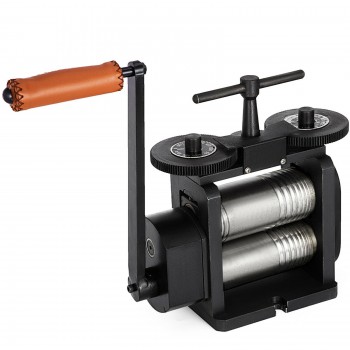
A smooth sheet of metal can be beautiful, but texture is often what gives jewelry its personality. Light catches raised surfaces differently, fingerprints disappear into patterned finishes, and even the simplest pendant gains depth through carefully impressed designs. One of the most effective tools for producing these effects is the jewelry rolling mill machine, which allows artists to transfer patterns directly onto metal with remarkable precision.
The process begins long before the metal reaches the rollers. Choosing the right texture source is just as important as selecting the metal itself. Commercial texture plates provide crisp geometric patterns, but many jewelers enjoy experimenting with unexpected materials. Fine mesh, dried leaves, lace, handmade paper, feathers, or even coarse fabric can leave fascinating impressions when used correctly. Every material tells a different visual story.
Preparation is essential. The metal sheet should be annealed until it becomes soft enough to accept an impression without cracking. After annealing, the surface needs to be cleaned thoroughly. Dirt, oxidation, or small metal particles trapped between the sheet and the texture material can create unwanted marks that are difficult to remove later.
When feeding the sandwich through the rolling mill, pressure must be carefully adjusted. Excessive force may flatten delicate textures or even damage the rollers, while insufficient pressure results in shallow, uneven patterns. Experienced jewelers often make several test passes on scrap metal before committing valuable silver or gold. These trials reveal how a particular material responds and help determine the ideal roller gap.
Layering textures is another creative technique that produces unique surfaces. A sheet might first receive a subtle linen-like pattern before selected areas are rolled again with a geometric design. Because each pass slightly compresses the metal, careful planning prevents previously created details from disappearing. The final result often looks far more complex than the individual steps involved.
Different metals react differently under pressure. Fine silver generally records extremely crisp impressions due to its softness, while sterling silver requires a little more force. Copper is popular for practice because it accepts textures well and remains affordable. Brass offers attractive golden tones, although its harder structure may soften very fine details. Understanding these characteristics allows jewelers to choose the best material for a specific design.
Textured sheets become the foundation for countless projects. Rings, earrings, cuff bracelets, pendants, and decorative settings all benefit from surfaces that reflect light in distinctive ways. Even small textured accents can transform an otherwise simple design into something that appears handcrafted and full of character.
Proper maintenance of the rolling mill ensures consistent results over many years. The rollers should remain clean and dry, with protective covers used whenever the machine is not in service. Lubricating moving components according to the manufacturers recommendations helps maintain smooth operation, while avoiding excessive pressure protects both the equipment and the precision finish of the rollers.
Creating textured metal sheets is a blend of craftsmanship and experimentation. A jewelry rolling mill does more than reduce thickness—it opens the door to endless surface designs that cannot be achieved through polishing alone. With thoughtful material selection, careful preparation, and a willingness to explore unconventional texture sources, jewelers can create pieces that feel distinctive before a single stone is ever set.
下一則: Daily Maintenance Tips for Your Jewelry Rotary Tumbler
- How Automatic Casting Machines Enhance Precision in Jewelry Manufacturing
- The Benefits of Digital Inside Ring Engraving Machines
- Pneumatic Jewelry Engravers and Modern Jewelry Production
- The Evolution of Pearl Drilling Technology in Jewelry Making
- High-Speed vs. Low-Speed Drilling in Pearl Processing
- Keeping Your Pneumatic Jewelry Engraver Running Smoothly
限會員,要發表迴響,請先登入


