Ceramic melting crucibles are essential tools for handling molten metals in jewelry workshops, laboratories, and small foundries. Their ability to withstand high temperatures makes them reliable for repeated melting operations. However, even premium crucibles can fail prematurely if they are exposed to improper heating, rapid cooling, or careless handling. Understanding why cracks develop and how thermal shock occurs is the first step toward extending the working life of these valuable tools.
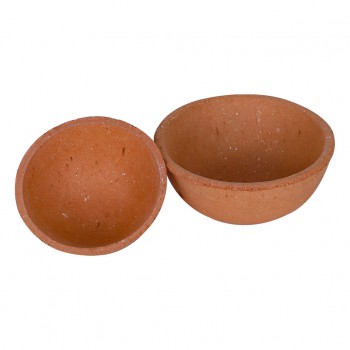
One of the most common causes of damage is heating a cold crucible too quickly. Ceramic materials naturally expand when exposed to heat, but the expansion must occur evenly throughout the structure. If the outer surface becomes extremely hot while the interior remains cool, internal stress develops. As these stresses increase, fine cracks may appear, eventually growing into larger fractures after several melting cycles.
Gradual preheating is one of the simplest yet most effective preventive measures. Before reaching full operating temperature, the crucible should be warmed slowly to remove residual moisture and allow the ceramic body to expand uniformly. This controlled temperature increase significantly lowers the chance of sudden stress concentrations that weaken the material.
Cooling deserves equal attention. After pouring molten metal, many operators are tempted to speed up the process by placing the hot crucible on a cold steel bench or exposing it to cool air. Such practices create an abrupt temperature difference between various parts of the crucible, leading to thermal shock. Allowing the ceramic melting crucible to cool naturally on a heat-resistant surface produces a much gentler temperature transition and helps preserve its structural integrity.
Moisture is another hidden risk. Even a small amount of trapped water inside a ceramic crucible can instantly convert into steam when heated. The resulting pressure may create internal cracks or, in severe cases, cause the crucible to fracture unexpectedly. Proper storage in a dry environment and careful inspection before each use greatly reduce this hazard.
Mechanical damage should not be overlooked. Tiny chips along the rim or hairline cracks caused by accidental impacts often become starting points for larger failures during heating. Operators should examine crucibles regularly and replace damaged ones before they reach a critical condition. Continuing to use a compromised crucible increases both equipment costs and safety risks.
Matching the crucible to the application also plays an important role. Different ceramic compositions are designed for different temperature ranges and metal types. Using an undersized crucible or one intended for lower temperatures places unnecessary stress on the material and shortens its service life. Selecting the appropriate size and grade ensures more stable performance throughout repeated melting operations.
Routine maintenance further contributes to durability. Residual flux, oxidation products, and metal deposits should be removed after each melting session using methods recommended by the manufacturer. Excessive buildup can create uneven heating zones that increase thermal stress during subsequent use.
A ceramic melting crucible is not simply a disposable accessory but a precision component that directly affects melting quality and workplace safety. With careful temperature management, gentle handling, regular inspections, and proper storage, users can dramatically reduce the risk of cracks and thermal shock. These straightforward practices not only extend the lifespan of the crucible but also promote more consistent melting performance, lower operating costs, and safer metalworking operations over the long term.
Related articles: https://jewelerstoolsmall.tenkomori.tv/e490653.html
下一則: Small Jewelry Casting Machines and the Future of Personalized Jewelry
- The Importance of Temperature Control in Automatic Jewelry Casting Systems
- Exploring the Technology Behind Modern Pearl Drilling Machines
- Daily Maintenance Tips for Your Jewelry Rotary Tumbler
- Small Jewelry Casting Machines and the Future of Personalized Jewelry
- The Advantages of Compact Jewelry Mini Drill Press Designs
- How Inside Ring Engraving Machines Support Small Jewelry Businesses
限會員,要發表迴響,請先登入


