Precision has always been the foundation of fine jewelry manufacturing. Whether producing a delicate engagement ring, a detailed pendant, or a complex custom design, even the smallest casting imperfections can affect the final appearance and durability of a piece. Traditional casting methods rely heavily on the operator’s experience and manual control, which can introduce variations between batches. Automatic casting machines have changed this process by bringing greater consistency, repeatability, and control to modern jewelry production.
One of the biggest advantages of automatic casting machines is their ability to maintain stable casting conditions. Temperature, vacuum levels, pressure, and casting speed all influence the quality of the final piece. In manual operations, these factors can fluctuate due to human reaction time or environmental changes. Automatic systems continuously monitor and adjust critical parameters, helping ensure that molten metals fill molds evenly and completely. This results in fewer defects such as incomplete fills, air pockets, and surface irregularities.
Temperature management is particularly important when working with precious metals. Gold, silver, platinum, and other alloys each require specific melting and casting conditions. A slight temperature deviation can change the metal’s flow characteristics or cause unwanted oxidation. Automatic casting machines use precise heating controls to keep the metal within the ideal range throughout the process. This improves structural integrity while preserving the intended details of the original design.
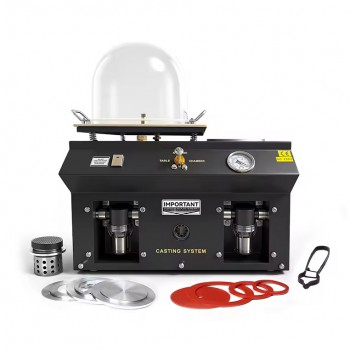
Another area where automation improves precision is the reduction of human error. Jewelry casting often involves multiple steps, including mold preparation, melting, vacuum application, and cooling. A small mistake in timing or handling can lead to costly material waste. Automatic machines follow programmed sequences, allowing manufacturers to achieve the same results repeatedly. For workshops producing multiple pieces with identical designs, this consistency is especially valuable.
Modern automatic casting systems also provide better control over complex designs. Many contemporary jewelry pieces include thin sections, intricate patterns, and fine decorative elements that are difficult to reproduce using less advanced equipment. Controlled casting pressure and optimized metal flow allow these machines to capture tiny design features more accurately. As a result, jewelers can create more ambitious designs without worrying about excessive finishing work after casting.
Efficiency is another important benefit. Although automatic casting machines require an initial investment, they can significantly reduce production time and material loss over the long term. Fewer failed castings mean less wasted precious metal and fewer hours spent repairing defects. The ability to store and repeat casting parameters also helps manufacturers streamline workflows and train new operators more effectively.
In addition, automatic casting technology improves workplace reliability. Casting precious metals involves high temperatures and potentially hazardous conditions. By automating many stages of the process, operators can reduce direct exposure to heat and molten materials. This creates a safer working environment while allowing skilled craftsmen to focus more on design development, finishing, and quality control.
However, automation does not replace craftsmanship. The best results come from combining advanced machinery with the knowledge of experienced jewelers. Operators still need to understand alloy behavior, mold preparation, and post-casting treatment. An automatic casting machine provides precision and stability, but professional judgment remains essential for achieving exceptional results.
The development of automatic casting machines represents a major step forward in jewelry manufacturing. By controlling variables that were once difficult to manage, these systems help transform creative ideas into accurately produced pieces with fewer imperfections. For modern jewelry workshops seeking higher quality, improved efficiency, and reliable production standards, automatic casting technology has become an essential tool for achieving precision at every stage of the manufacturing process.
下一則: Exploring the Technology Behind Modern Pearl Drilling Machines
限會員,要發表迴響,請先登入


