A pearl drilling machine may look relatively simple compared with larger jewelry production equipment, yet a small fault can bring an entire drilling operation to a halt. The spindle, drill bit, chuck, cooling system, workholding components, and drive mechanism all have to work together with reasonable precision. When maintenance is postponed, wear accumulates quietly until a minor issue becomes a production interruption. Regular servicing helps keep these problems manageable and makes pearl drilling machine downtime far less disruptive.
One of the most important maintenance tasks is checking the drill spindle. Pearl drilling requires controlled rotation and accurate positioning, so excessive spindle play can produce oversized or irregular holes. Operators should periodically check for unusual vibration, side-to-side movement, and changes in running noise. A spindle that feels rough or develops noticeable play should be inspected before it affects a larger batch of pearls.
Drill bits also deserve routine attention. A worn or improperly sharpened bit requires more pressure to penetrate the pearl, increasing heat and placing additional stress on the machine. It can also cause chipping around the hole entrance or exit. Replacing damaged bits at the appropriate time is usually cheaper than dealing with broken components, rejected pearls, and unexpected stoppages.
Cooling and lubrication systems should not be overlooked. Depending on the machine design, water or another cooling medium may be used to control drilling temperature and remove debris. Dirty fluid, blocked channels, or insufficient flow can reduce drilling performance. Fresh cooling liquid should be used according to the machine manufacturers recommendations, while reservoirs, hoses, and filters should be inspected for accumulated pearl dust and other particles.
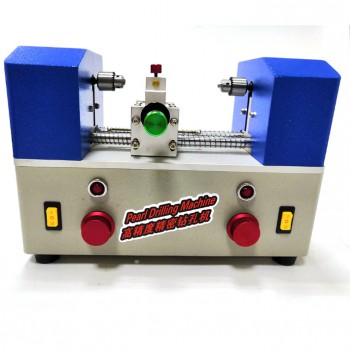
The chuck and workholding mechanism require regular cleaning because fine debris can interfere with secure positioning. Even a small particle between a pearl and its fixture may change the drilling angle. Cleaning these contact surfaces after production sessions helps maintain repeatable positioning and prevents unnecessary adjustments during the next job.
Drive belts, gears, bearings, and electrical connections should also form part of a scheduled inspection. Belts that become loose may cause inconsistent spindle speed, while worn bearings can introduce vibration long before complete failure occurs. Electrical connectors should be checked for looseness, damaged insulation, or signs of overheating. Detecting these conditions early gives the operator an opportunity to repair the machine during planned downtime rather than during an urgent production run.
Cleaning the machine after each working period is another inexpensive way to prevent trouble. Pearl dust and moisture can accumulate around moving parts and eventually contribute to corrosion or mechanical resistance. A few minutes spent removing debris can save considerably more time later.
The real value of preventive maintenance is predictability. A well-maintained pearl drilling machine is easier to operate, produces more consistent holes, and is less likely to stop unexpectedly in the middle of an order. Instead of waiting for a component to fail, workshop operators can replace consumable parts and perform adjustments during quieter periods. Over time, this approach reduces repair costs, protects production schedules, and extends the useful life of the drilling equipment.
- Improving Production Consistency with a Pearl Drilling Machine
- The Future of Small Induction Melting Furnaces in Jewelry Manufacturing
- Exploring the Technology Behind Modern Pearl Drilling Machines
- Creating Textured Metal Sheets Using a Jewelry Rolling Mill Machine
- The Benefits of Digital Inside Ring Engraving Machines
- Preventing Cracks and Thermal Shock in Ceramic Melting Crucibles
限會員,要發表迴響,請先登入


