In jewelry manufacturing, precision is not only measured by the shape of a finished piece but also by the consistency of every step that creates it. Among all factors influencing casting quality, temperature control plays one of the most decisive roles. Automatic jewelry casting systems have transformed traditional casting methods by introducing digital monitoring, programmable heating cycles, and automated operation. However, even the most advanced automatic jewelry casting machine depends on accurate temperature management to achieve reliable results.
During the casting process, metals must reach a specific melting point while maintaining the correct fluidity. If the temperature is too low, molten metal may not flow smoothly into narrow areas of a mold, causing incomplete filling, rough surfaces, or missing details. This problem is especially common in intricate jewelry designs containing thin sections, sharp edges, or delicate patterns. On the other hand, excessive temperatures can create new challenges, including increased oxidation, metal contamination, and changes in alloy properties.
Automatic casting systems address these issues by using advanced sensors and control systems to maintain stable thermal conditions. Instead of relying on the operator’s visual judgment alone, modern machines can continuously measure temperature changes and adjust heating power accordingly. This level of control reduces human error and allows manufacturers to repeat the same casting parameters across multiple production cycles.
Temperature stability is also closely connected with mold performance. Before molten metal enters the mold, the mold temperature must be carefully balanced. A mold that is too cold can cause premature solidification, preventing metal from reaching fine details. A mold that is overheated may slow cooling rates and affect the final hardness or structure of the jewelry. Automatic systems help coordinate melting temperature and mold temperature, creating a smoother transition from liquid metal to solid form.
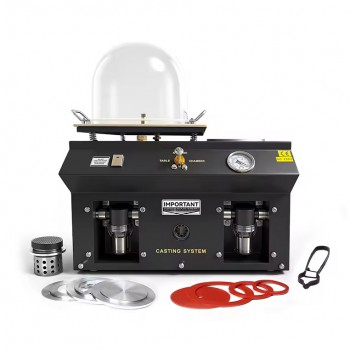
Different precious metals require different thermal strategies. Gold alloys, silver alloys, platinum, and other materials each have unique melting characteristics and respond differently to heat exposure. A temperature profile that works well for one alloy may produce poor results with another. Advanced automatic casting machines allow operators to store and adjust customized programs, making it easier to handle various materials without repeatedly testing production settings.
Energy efficiency is another important benefit of precise temperature management. Older casting methods often involved keeping furnaces hotter than necessary to compensate for temperature fluctuations. This approach wasted energy and increased equipment wear. Automated systems optimize heating cycles by delivering power only when needed, reducing operational costs while improving environmental performance.
Temperature control also contributes to longer equipment life. Sudden temperature changes place stress on heating elements, crucibles, and internal components. By maintaining gradual heating and cooling processes, automatic casting systems reduce thermal shock and help prevent premature damage. This is particularly valuable for workshops that rely on continuous production.
For jewelry makers, temperature control is more than a technical feature; it directly affects craftsmanship and profitability. Fewer casting defects mean less material waste, fewer repairs, and greater confidence in the final product. Whether producing custom rings, detailed pendants, or large-scale collections, consistent thermal management allows designers to focus on creativity rather than troubleshooting unpredictable casting problems.
The development of automatic jewelry casting technology has shown that successful casting depends on harmony between machinery, materials, and precise temperature regulation. As jewelry designs continue to become more complex, accurate thermal control will remain a fundamental requirement for achieving exceptional quality and efficiency in modern manufacturing.
下一則: The Future of Small Induction Melting Furnaces in Jewelry Manufacturing
限會員,要發表迴響,請先登入


