Much ado about nothing Official Trailer

is the debut studio album by London-based rock quartet Mumford & Sons. It was released on 2 October 2009 in the UK, and on 16 February 2010 in the United States and Canada.
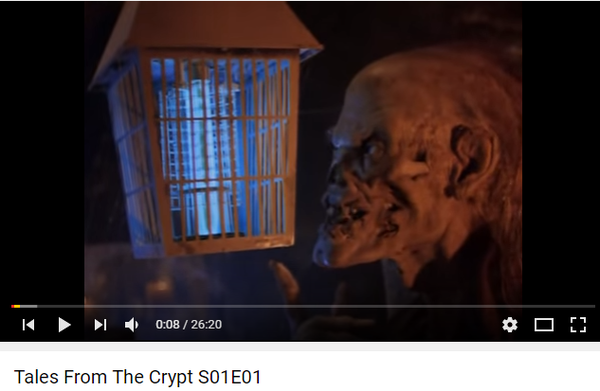
Tales of horror based on the gruesome E.C. comic books of the 1950s.
The title is based on the 1950s EC Comics series of the same name and most of the content originated in that comic or the other EC Comics of the time (Haunt of Fear, The Vault of Horror, Crime SuspenStories, Shock SuspenStories, and Two-Fisted Tales). The show was produced by HBO.
A drama centered on the personal and professional lives of five surgical interns and their supervisors.
Definition:If you stop by somewhere, you make a short visit to a person or place
Stopping by Woods on a Snowy Evening.
En
1. Endaugered(adj)
Definition:To expose to harm or danger; imperil.
Poison gas blew off and endangered the lives of hundreds of persons.
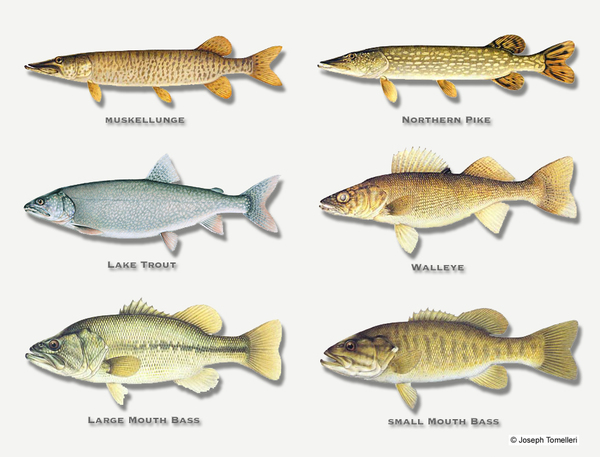
Definition:A species is a class of plants or animals whose members have the same main characteristics and are able to breed with each other.
Today the survival of our species is threatened .
Definition:To make strong or increase the strength of.
Such antagonism, he has asserted, strengthened his resolve.

Definition:To inspire with hope, courage, or confidence.
She encouraged him to talk to her .
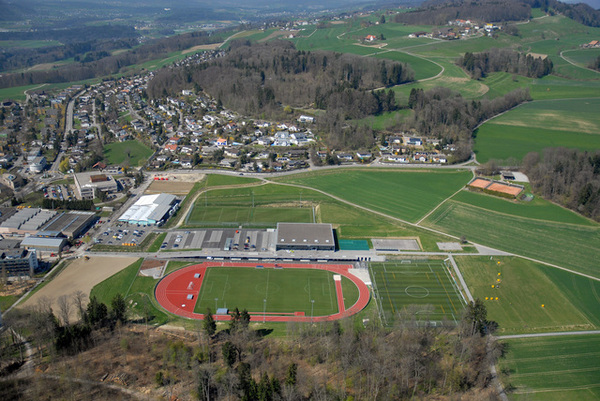
Definition:To make or become wide or wider.
He had an operationto widen an artery in his heart.

Definition:An observer of an event, especially a sports contest.
Fifty thousand spectators came to the match.
Definition:The readership for printed matter, as for a book.
His books have a large audience .
Definition:To examine carefully and critically, especially for flaws.
They inspected the roof for leaks .
Definition: A view or vista.
Children often draw without perspective .
9. Auditorium(n)
Definition:A large room to accommodate an audience in a building such as a school or theater.
late 15c., from Old French succomber "succumb, die, lose one's (legal) case," and directly from Latin succumbere "submit, surrender, yield, be overcome; sink down; lie under; cohabit with," from assimilated form of sub "under, beneath" (see sub-) + -cumbere "take a reclining position," related to cubare "lie down" (see cubicle). Originally transitive; sense of "sink under pressure" is first recorded c. 1600. As a euphemism for "to die," from 1849. Related: Succumbed; succumbing.
early 14c., "building set apart for holy worship," from Anglo-French sentuarie, Old French saintuaire "sacred relic, holy thing; reliquary, sanctuary," from Late Latin sanctuarium "a sacred place, shrine" (especially the Hebrew Holy of Holies; see sanctum), also "a private room," from Latin sanctus "holy" (see saint (n.)).
late 15c., herbengar "one sent ahead to arrange lodgings" (for a monarch, an army, etc.), alteration of Middle English herberger "provider of shelter, innkeeper" (late 12c.), from Old French herbergeor "one who offers lodging, innkeeper," agent noun from herbergier "provide lodging," from herber "lodging, shelter," from Frankish *heriberga "lodging, inn" (cognate with Old Saxon, Old High German heriberga "army shelter"), from Germanic compound *harja-bergaz "shelter, lodgings," which is also the source of harbor (n.). Sense of "forerunner, that which precedes and gives notice of the coming of another" is mid-16c. The unetymological -n- is from 15c. (see messenger). As a verb, from 1640s (harbinge "to lodge" is late 15c.).
"lodging for ships; sheltered recess in a coastline," early 12c., a specialized sense of Middle English herberwe "temporary dwelling place, quarters, lodgings; an inn; the camp of an army in the field," probably from Old English here-beorg (West Saxon), *here-berg (Anglian) "lodgings, quarters," from Proto-Germanic compound *harja-bergaz "shelter, lodgings," from *heri "army, host" (see harry (v.)) + *burzjan- "protection, shelter" (see bury (v.)). Perhaps modeled on Old Norse herbergi "room, lodgings, quarters."
late 14c., from Latin ascendere "to climb up, mount, ascend," figuratively "to rise, reach," from ad- "to" (see ad-) + scandere "to climb" (see scan (v.)). Also in 15c. used with a sense "to mount (a female) for copulation." Related: Ascended; ascending. An Old English word for it was stigan.
late 14c., "to cast down" (a sense now obsolete), from Old French aflicter, from Latin afflictare "to damage, harass, torment," frequentative of affligere (past participle afflictus) "to dash down, overthrow," from ad "to" (see ad-) + fligere (past participle flictus) "to strike," from PIE root *bhlig- "to strike" (source also of Greek phlibein "to press, crush," Czech blizna "scar," Welsh blif "catapult").
The weakened or transferred meaning "to trouble in body or mind, harass, distress," is attested from 1530s. Related: Afflicted; afflicting.
"person or persons in constant suffering of body or mind," 1650s, noun use of past participle adjective from afflict. Related: Afflictedness.
bliss (n.)
Old English blis, also blis "bliss, merriment, happiness, grace, favor," from Proto-Germanic *blithsjo (source also of Old Saxon blidsea, blizza), from *blithiz "gentle, kind" + *-tjo noun suffix. Originally mostly of earthly happiness; influenced by association with bless and blithe.
(v.)
often with out, by 1973, U.S. colloquial, from bliss (n.).
pathetic (adj.)
1590s, "affecting the emotions, exciting the passions," from Middle French pathtique "moving, stirring, affecting" (16c.), from Late Latin patheticus, from Greek pathetikos "subject to feeling, sensitive, capable of emotion," from pathetos "liable to suffer," verbal adjective of pathein "to suffer" (see pathos). Meaning "arousing pity, pitiful" is first recorded 1737. Colloquial sense of "so miserable as to be ridiculous" is attested from 1937. Related: Pathetical (1570s); pathetically. Pathetic fallacy (1856, first used by Ruskin) is the attribution of human qualities to inanimate objects.
exhort (v.)
c. 1400, "to exhort, encourage," from Old French exhorer (13c.) and directly from Latin exhortari "to exhort, encourage, stimulate" (see exhortation). Related: Exhorted; exhorting.
apathy (n.)
c. 1600, "freedom from suffering," from French apathie (16c.), from Latin apathia, from Greek apatheia "freedom from suffering, impassability, want of sensation," from apathes "without feeling, without suffering or having suffered," from a- "without" (see a- (3)) + pathos "emotion, feeling, suffering" (see pathos). Originally a positive quality; sense of "indolence of mind, indifference to what should excite" is from c. 1733.
fracas (n.)
1727, from French fracas "crash, sudden noise; tumult, bustle, fuss" (15c.), from Italian fracasso "uproar, crash," back-formation from fracassare "to smash, crash, break in pieces," from fra-, a shortening of Latin infra "below" (see infra-) + Italian cassare "to break," from Latin quassare "to shake" (see quash).
inebriated (adj.)
"drunken," c. 1600, past participle adjective from inebriate. The earlier adjective was inebriate (late 15c.).
adversary (n.)
"unfriendly opponent, enemy" (originally especially of Satan as the enemy of mankind), mid-14c., aduersere, from Anglo-French adverser (13c.), Old French adversarie (12c., Modern French adversaire) "hostile opponent, enemy," or directly from Latin adversarius "an opponent, rival, enemy," noun use of adjective meaning "opposite, hostile, contrary," literally "turned toward one," from adversus "turned against, turned toward, fronting, facing," figuratively "hostile, adverse, unfavorable," past participle of advertere "to turn toward," from ad "to" (see ad-) + vertere "to turn, turn back, be turned; convert, transform, translate; be changed" (see versus). The Latin word is glossed in Old English by wierbroca.
indolent (adj.)
1660s, "causing no pain, painless," from French indolent (16c.) or directly from Late Latin indolentem (see indolence). Sense of "living easily, slothful," is 1710, a sense perhaps developed in French. Related: Indolently.
gusto (n.)
1620s, "very common from the beginning of the 19th c." [OED], from Italian gusto "taste," from Latin gustus "a tasting," related to gustare "to taste, take a little of," from PIE *gus-tu-, suffixed form of root *geus- "to taste, choose" (source also of Sanskrit jus- "enjoy, be pleased," Avestan zaosa- "pleasure," Old Persian dau拧- "enjoy"). The root forms words for "taste" in Greek and Latin, but its descendants in Germanic and Celtic mostly mean "try" or "choose" (such as Old English cosan, cesan, Modern English choose; Gothic kausjan "to test, to taste of," Old High German koston "try," German kosten "taste of"). The semantic development could have been in either direction. English first borrowed the French form, guste "organ of taste; sense of taste" (mid-15c.), but this became obsolete.
garrulous (adj.)
1610s, from Latin garrulus "talkative, chattering," from garrire "to chatter," from PIE root *gar- "to call, cry," of imitative origin (compare Greek gerys "voice, sound," Ossetic zar "song," Welsh garm, Old Irish gairm "noise, cry"). Related: Garrulously; garrulousness.
banal (adj.)
"trite, commonplace," 1840, from French banal, "belonging to a manor, common, hackneyed, commonplace," from Old French banel "communal" (13c.), from ban "decree; legal control; announcement; authorization; payment for use of a communal oven, mill, etc." (see ban (v.)). The modern sense evolved from the word's use in designating things like ovens or mills that belonged to feudal serfs, or else compulsory military service; in either case it was generalized in French through "open to everyone" to "commonplace, ordinary," to "trite, petty."
platitude (n.)
1812, "dullness," from French platitude "flatness, vapidness" (late 17c.), from Old French plat "flat" (see plateau (n.)); formed on analogy of latitude, etc. Meaning "a flat, dull, or commonplace remark" is recorded from 1815. Related: Platitudinous. Hence platitudinarian (n.), 1855; platitudinize (1867).
pique (n.)
1530s, "fit of ill feeling," from Middle French pique "a prick, sting, irritation," noun of action from piquer (see pike (n.2)).
(v.)
"to excite to anger," 1670s, from French piquer "to prick, sting" (see pike (n.2)). Softened meaning "to stimulate, excite" is from 1690s. Related: Piqued; piquing.
dilettante (n.)
1733, borrowing of Italian dilettante "lover of music or painting," from dilettare "to delight," from Latin delectare (see delight (n.)). Originally without negative connotation, "devoted amateur," the pejorative sense emerged late 18c. by contrast with professional.
atypical (adj.)
1847, from a- (2) "not" + typical. Related: Atypica
nondescript (adj.)
1680s, "not hitherto described," in scientific usage, coined from non- + Latin descriptus, past participle of describere (see describe). General sense of "not easily described or classified" is from 1806.
wane (v.)
Old English wanian "make or become smaller gradually, diminish, decline, fade," from Proto-Germanic *wanen (source also of Old Saxon wanon, Old Norse vana, Old Frisian wania, Middle Dutch waenen, Old High German wanon "to wane, to grow less"), from *wano- "lacking," from PIE *we-no-, from root *eue- "to leave, abandon, give out" (see vain). Related: Waned; waning; wanes.
extinct (adj.)
early 15c., "extinguished, quenched," from Latin extinctus/exstinctus, past participle of extinguere/exstinguere "to put out, quench; go out, die out; kill, destroy" (see extinguish). Originally of fires; in reference to the condition of a family or a hereditary title that has "died out," from 1580s; of species by 1690s. Shakespeare uses it as a verb. Compare extinction.
idyllic (adj.)
"full of natural, simple charm," 1831, literally "suitable for an idyll" from French idyllique or else from idyll + -ic. In late 18c. it meant "pertaining to an idyll."
galvanize (v.)
1801, "stimulate by galvanic electricity," from French galvaniser, from galvanisme (see galvanism). Figurative sense of "excite, stimulate (as if by electricity)" first recorded 1853 (galvanic was in figurative use in 1807). Meaning "to coat with metal by means of galvanic electricity" (especially to plate iron with tin, but now typically to plate it with zinc) is from 1839.
He'll swear that in her dancing she cuts all others out,
Though like a Gal that's galvanized, she throws her legs about.
[Thomas Hood, "Love has not Eyes," 1845]
Related: Galvanized; galvanizing.
encumbrance (n.)
c. 1300, "trouble, difficulty; ensnarement, temptation," from Old French encombrance "encumbrance, obstruction; calamity, trouble," from encombrer (see encumber). Meaning "that which encumbers, impediment, obstacle" is from late 14c. in English.
gaudy (adj.)
"showy, tastelessly rich," c. 1600; earlier "joyfully festive" (1580s), probably a re-adjectivizing of gaudy (n.) "large, ornamental bead in a rosary" (early 14c.) via the noun gaud + -y (2.). In early Modern English it also could mean "full of trickery" (1520s).
Or possibly the adjective is from or influenced by Middle English noun gaudegrene (early 14c.), name of a yellowish-green color or pigment, originally of dye obtained from the weld plant (see weld (n.1)). This Germanic plant-name became gaude in Old French, and thus the Middle English word. Under this theory, the sense shifted from "weld-dye" to "bright ornamentation."
As a noun, "feast, festival" 1650s, from gaudy day "day of rejoicing" (1560s).
condescend (adj.)
mid-14c., "to yield deferentially," from Old French condescendere (14c.) "to agree, consent, give in, yield," from Late Latin condescendere "to let oneself down," from Latin com "with, together" (see com-) + descendere "descend" (see descend). Sense of "to sink willingly to equal terms with inferiors" is from mid-15c.
candor (n.)
"openness of mind, impartiality, frankness," c. 1600, from Latin candor "purity, openness," originally "whiteness," from candere "to shine, to be white" (see candle). Borrowed earlier in English (c. 1500) with the Latin literal sense "extreme whiteness."
mortify (v.)
late 14c., "to kill," from Old French mortefiier "destroy, overwhelm, punish," from Late Latin mortificare "cause death, kill, put to death," literally "make dead," from mortificus "producing death," from Latin mors (genitive mortis) "death" (see mortal (adj.)) + root of facere "to make" (see factitious). Religious sense of "to subdue the flesh by abstinence and discipline" first attested early 15c. Sense of "humiliate" first recorded 1690s (compare mortification). Related: Mortified; mortifying.
jocose (adj.)
"given to jokes and jesting," 1670s, from Latin iocosus "full of jesting, fond of jokes, funny," from iocus "pastime, sport; a jest, joke" (see joke (n.)). Often it implies ponderous humor (compare jocund). Related: Jocosely; jocoseness.
malign (adj.)
early 14c., from Old French maligne "having an evil nature," from Latin malignus "wicked, bad-natured," from male "badly" (see mal-) + -gnus "born," from gignere "to bear, beget," from PIE root *gn- "to bear" (see genus).
(v.)
"to slander," mid-15c., from earlier more literal sense of "to plot, to contrive" (early 15c.), from Old French malignier "to plot, deceive, pervert," from Late Latin malignare "to do maliciously," from malignus "mean, unkind" (see malign (adj.)). Related: Maligned; maligning.
omnipotent (adj.)
early 14c., from Old French omnipotent "almighty, all-powerful" (11c.) or directly from Latin omnipotentem (nominative omnipotens) "all-powerful, almighty," from omnis "all" (see omni-) + potens (genitive potentis) "powerful" (see potent). Strictly only of God or a deity; general sense of "having absolute power or authority" is attested from 1590s.
zenith (n.)
"point of the heavens directly overhead at any place," late 14c., from Old French cenith (Modern French znith), from Medieval Latin cenit, senit, bungled scribal transliterations of Arabic samt "road, path," abbreviation of samt ar-ras, literally "the way over the head." Letter -m- misread as -ni-.
The Medieval Latin word could as well be influenced by the rough agreement of the Arabic term with classical Latin semita "sidetrack, side path" (notion of "thing going off to the side"), from se- "apart" + *mi-ta-, suffixed zero-grade form of PIE root *mei- (1) "to change" (see mutable). Figurative sense of "highest point or state" is from c. 1600.
fledgling
also fledgeling, 1830, "untried" (adj.), in Tennyson; 1846 as a noun meaning "young bird" (one newly fledged); from fledge + diminutive suffix -ling. Of persons, from 1856.
peremptory (adj.)
"decisive," mid-15c., legal term, from Anglo-French peremptorie, from Middle French peremtoire, from Latin peremptorius "destructive, decisive, final," from peremptor "destroyer," from perimpere "destroy, cut off," from per "away entirely, to destruction" (see per) + emere "to take" (see exempt (adj.)). Of persons or their words, "certain, assured, brooking no debate," 1580s. Related: Peremptorily.
限會員,要發表迴響,請先登入


