
The Hunger Games is a trilogy of young adult dystopian novels written by American novelist Suzanne Collins. The series is set in The Hunger Games universe, and follows young characters Katniss Everdeen and Peeta Mellark.
The novels in the trilogy are titled The Hunger Games (2008), Catching Fire (2009), and Mockingjay (2010). The novels have all been developed into films, with the film adaptation of Mockingjay split into two parts. The first two books in the series were both New York Times best sellers, and Mockingjay topped all US bestseller lists upon its release.
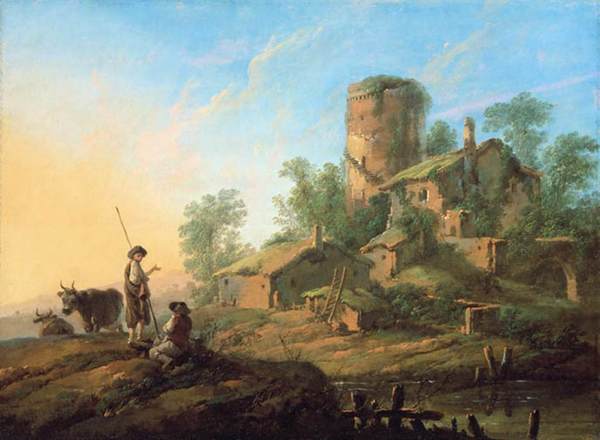
A pastoral lifestyle (see pastoralism) is that of shepherds herding livestock around open areas of land according to seasons and the changing availability of water and pasture. It lends its name to a genre of literature, art and music that depicts such life in an idealized manner, typically for urban audiences.

Saint Francis of Assisi was an Italian Roman Catholic friar and preacher. He founded the men's Order of Friars Minor, the women’s Order of Saint Clare, the Third Order of Saint Francis and the Custody of the Holy Land. Francis is one of the most venerated religious figures in history.

Saint Peter , also known as Simon Peter, Simeon, or Simōn About this sound pronunciation, according to the New Testament, was one of the Twelve Apostles of Jesus Christ, leaders of the early Christian Church. The ancient Christian churches all venerate Peter as a major saint and associate him with founding the Church of Antioch and later the Church in Rome, but differ about the authority of his successors in present-day Christianity.
Simon&Garfunkel Bridge over thoubled water lyrics


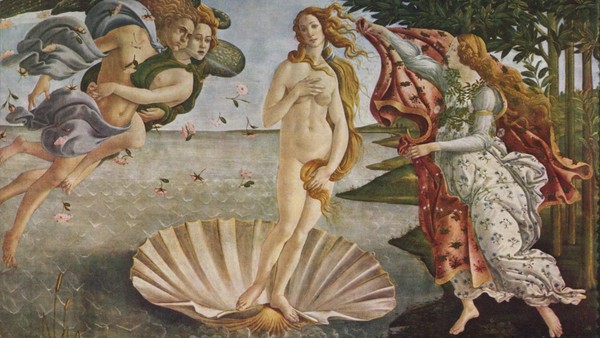
The Birth of Venus is a painting by Sandro Botticelli generally thought to have been painted in the mid 1480s. It has long been suggested that Botticelli was commissioned to paint the work by the Medici family of Florence, specifically Lorenzo di Pierfrancesco de' Medici under the influence of his cousin Lorenzo de' Medici, close patron to Botticelli. However, there are no documents associated with the painting, and its first identification with the Medici family only comes in the 1550 edition of Vasari's Lives.
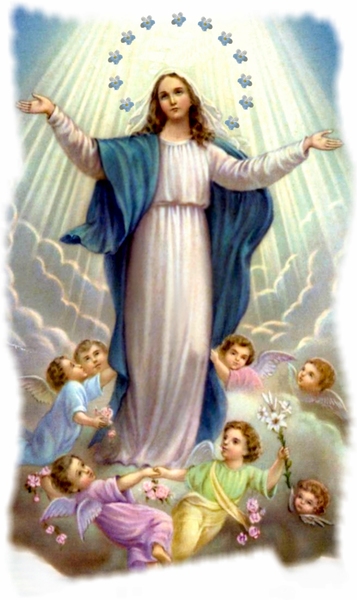
The Immaculate Conception, according to the teaching of the Catholic Church, is the conception of the Blessed Virgin Mary free from original sin by virtue of the foreseen merits of her son Jesus Christ. The Catholic Church teaches that Mary was conceived by normal biological means in the womb of her mother, Saint Anne, but God acted upon her soul, keeping it "immaculate".
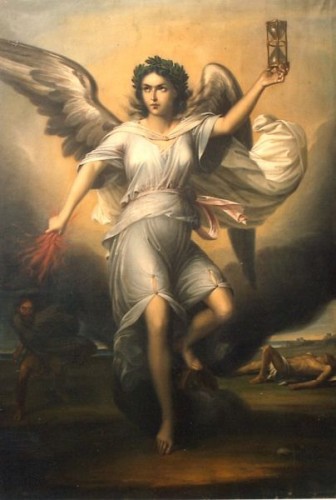
In the ancient Greek religion, Nemesis, also called Rhamnousia/Rhamnusia ("the goddess of Rhamnous") was the goddess who enacted retribution against those who succumb to hubris (arrogance before the gods). Another name was Adrasteia/Adrestia, meaning "the inescapable".
 Enemy vs Rival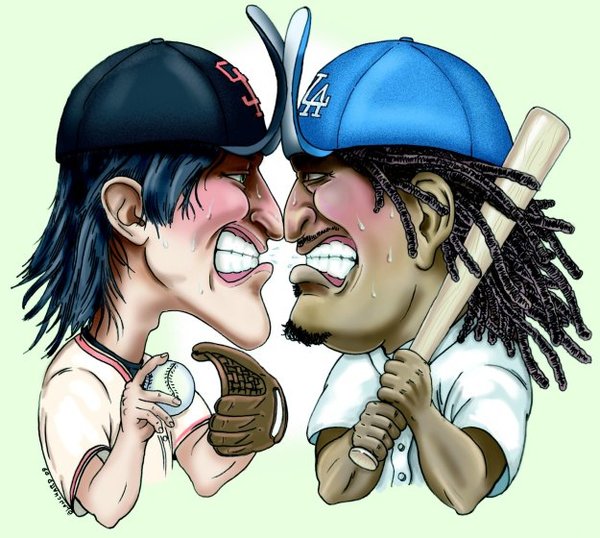
The meaning of rival is essentially that person that tries to lead other one without paying harm. However, in case enemy, the opponents do not hesitate in paying harm to each other. Moreover, rival is the persons that belong to same business, sport activity or nature of job. However, for being enemies, this condition is not necessary.
Pro
Proponent(n)

Definition:One who argues in support of something;
Stapp became a strong early proponent of automobile seat belts.
Proprietary(n)
Definition:Of or relating to a proprietor or to ownership.
The company has a proprietary right to the property.
Problem(n)

Definition: A question to be considered, solved, or answered.
I pushed the problem aside; at present it was insoluble.
Deleterious(adj)
Definition:Having a harmful effect.
Petty crime is having a deleterious effect on community life.
Delivery(n)

Definition:The act of conveying or delivering.
Use recorded delivery for large cheques or money orders.
Describe(vt)
Definition:To give an account of in speech or writing.
Globalisation is a catch-all to describe increased international trade.
Mutation(n)

Definition:The act or process of being altered or changed.
Scientists have found a genetic mutation that appears to be the cause of Huntington's disease.
1540s, "practicing illusion or magic, deceptive," from Latin praestigious "full of tricks," from praestigiae "juggler's tricks," probably altered by dissimilation from praestrigiae, from praestringere "to blind, blindfold, dazzle," from prae "before" (see pre-) + stringere "to tie or bind" (see strain (v.)). Derogatory until 19c.; meaning "having dazzling influence" is attested from 1913 (see prestige). Related: Prestigiously; prestigiousness.
1650s, "trick," from French prestige (16c.) "deceit, imposture, illusion" (in Modern French, "illusion, magic, glamour"), from Latin praestigium "delusion, illusion" (see prestigious). Derogatory until 19c.; sense of "dazzling influence" first applied 1815, to Napoleon
1832, originally in reference to a 15c.-16c. architectural style with wavy, flame-like curves, from French flamboyant "flaming, wavy," present participle of flamboyer "to flame," from Old French flamboiier "to flame, flare, blaze, glow, shine" (12c.), from flambe "a flame, flame of love," from flamble, variant of flamme, from Latin flammula "little flame" (see flame (n.)). Extended sense of "showy, ornate" is from 1879. Related: Flamboyantly.
Middle English flaume, also flaumbe, flambe, flame, flamme, mid-14c., "a flame;" late 14c., "a flaming mass, a fire; fire in general, fire as an element;" also figurative, in reference to the "heat" or "fire" of emotions, from Anglo-French flaume, flaumbe "a flame" (Old French flambe, 10c.), from Latin flammula "small flame," diminutive of flamma "flame, blazing fire," from PIE *bhleg- "to shine, flash," from root *bhel- (1) "to shine, flash, burn" (see bleach (v.)).
Old English ilca "the same" (pron.), from Proto-Germanic *ij-lik (compare German eilen), in which the first element is from the PIE demonstrative particle *i- (see yon) and the second is that in Old English -lic "form" (see like (adj.)). Of similar formation are each, which and such, but this word disappeared except in Scottish and thus did not undergo the usual southern sound changes. Phrase of that ilk implies coincidence of name and estate, as in Lundie of Lundie; it was applied usually to families, so that by c. 1790 ilk began to be used with the meaning "family," then broadening to "type, sort."
late 14c., "formal prohibition; interdiction of legal proceedings by authority;" also, the document setting forth such a prohibition, from Old French inibicion and directly from Latin inhibitionem (nominative inhibitio) "a restraining," from past participle stem of inhibere "to hold in, hold back, keep back," from in- "in, on" (see in- (2)) + habere "to hold" (see habit (n.)). Psychological sense of "involuntary check on an expression of an impulse" is from 1876.
c. 1400, from Middle French remuneration and directly from Latin remunerationem (nominative remuneratio) "a repaying, recompense," noun of action from past participle stem of remunerari "to pay, reward," from re- "back" (see re-) + munerari "to give," from munus (genitive muneris) "gift, office, duty" (see municipal).
For the vowel change in the Latin compound, see acquisition. Meaning "evil, wickedness" is from late 14c. Old Iniquity (1610s) was a comic or buffoonish character in old morality plays, representing vice.
[Genesis vi.6, KJV, 1611]
限會員,要發表迴響,請先登入


