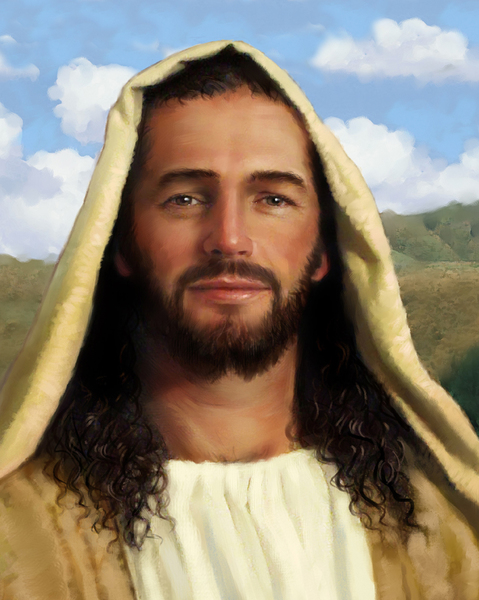
Jesus, also referred to as Jesus of Nazareth or Jesus Christ,was a Jewish preacher and religious leader who has become the central figure of Christianity. Christians believe him to be the Son of God and the awaited Messiah prophesied in the Old Testament.
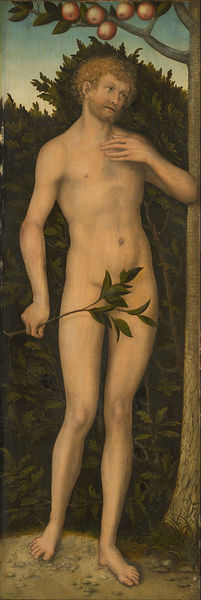
Adam is a figure from the Book of Genesis who is also mentioned in the New Testament, the deuterocanonical books, the Quran, the Book of Mormon, and the Book of Iqan. According to the creation myth of the Abrahamic religions, he was the first human.

Immortality is eternal life, the ability to live forever. At least one species has potential biological immortality: Turritopsis dohrnii.
Certain scientists, futurists, and philosophers have theorized about the immortality of the human body, and advocate that human immortality is achievable in the first few decades of the 21st century, whereas other advocates believe that life extension is a more achievable goal in the short term, with immortality awaiting further research breakthroughs into an indefinite future. The absence of aging would provide humans with biological immortality, but not invulnerability to death by physical trauma;
Eternity in common parlance is either an infinite or an indeterminately long period of time. In classical philosophy, however, eternity is defined as what exists outside time while sempiternity is the concept that corresponds to the colloquial definition of eternity.
"Hark! The Herald Angels Sing" is a Christmas carol that first appeared in 1739 in the collection Hymns and Sacred Poems, having been written by Charles Wesley. Wesley had requested and received slow and solemn music for his lyrics, not the joyful tune expected today. Moreover, Wesley's original opening couplet is "Hark! how all the welkin rings / Glory to the King of Kings".
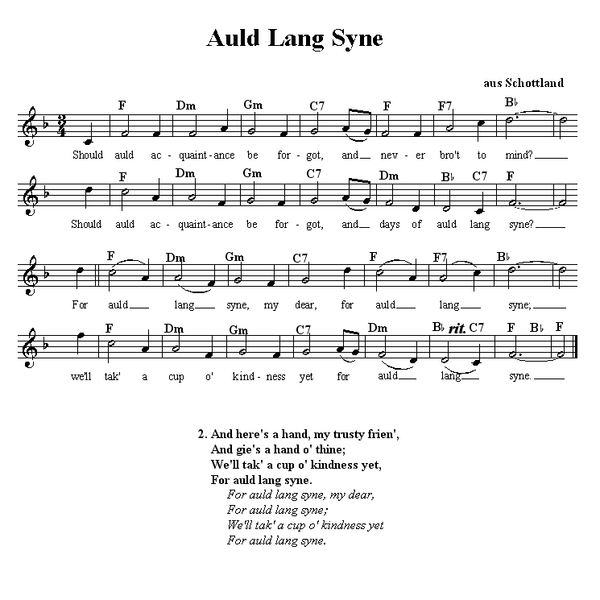
"Auld Lang Syne" is a Scots poem written by Robert Burns in 1788 and set to the tune of a traditional folk song (Roud # 6294). It is well known in many countries, especially in the English-speaking world, its traditional use being to bid farewell to the old year at the stroke of midnight on New Year's Eve. By extension, it is also sung at funerals, graduations and as a farewell or ending to other occasions.
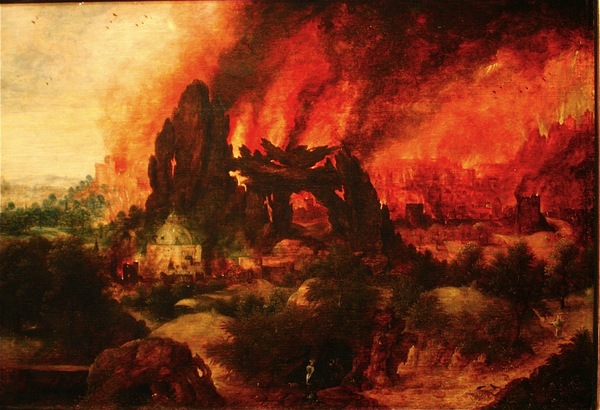
Sodom and Gomorrah were cities mentioned in the aisha and the Book of Genesis and throughout the Hebrew Bible, the New Testament and in the deuterocanonical books, as well as in the Quran and the hadith.
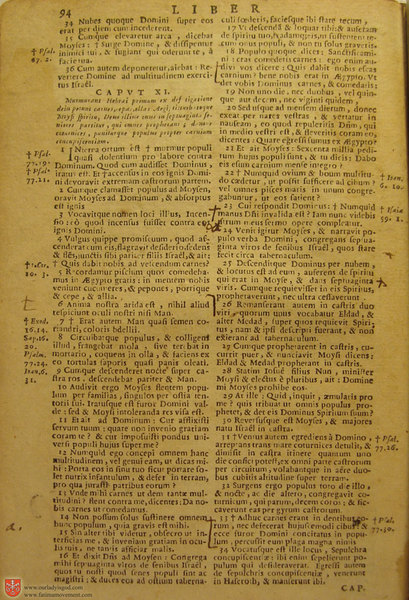
The Vulgate is a late fourth-century Latin translation of the Bible that became, during the 16th century, the Catholic Church's officially promulgated Latin version of the Bible.
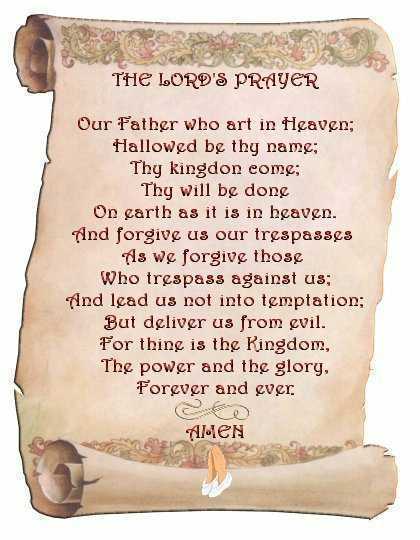
The Lord's Prayer, also called the Our Father, Pater Noster, and the Model Prayer is a venerated Christian prayer originally recorded in Aramaic that, according to the New Testament, was taught by Jesus to his disciples. Two forms of it are recorded in the New Testament: a longer form in the Gospel of Matthew as part of the Sermon on the Mount, and a shorter form in the Gospel of Luke as a response by Jesus to a request by "one of his disciples" to teach them "to pray as John taught his disciples."

Protestantism is a form of Christian faith and practice which originated with the Protestant Reformation, a movement against what its followers considered to be errors in the Roman Catholic Church. It is one of the three major divisions of Christendom, together with Roman Catholicism and Orthodoxy. The term derives from the letter of protestation from German Lutheran princes in 1529 against an edict condemning the teachings of Martin Luther as heretical.
Inauguration
An inauguration is a formal ceremony or special event to mark either:
l the beginning of a major public leader's term of office.
l the opening or first public use of a new civic area, organisation or project. Such as a museum, hospital or film studio.
The term, in a less formal context, can also be used to be refer:
l to the beginning or introduction of a new system, policy, or period.
l the first, maiden or initial use of something. For example, a ship, railway or even computer service of some kind.
https://en.wikipedia.org/wiki/Inauguration
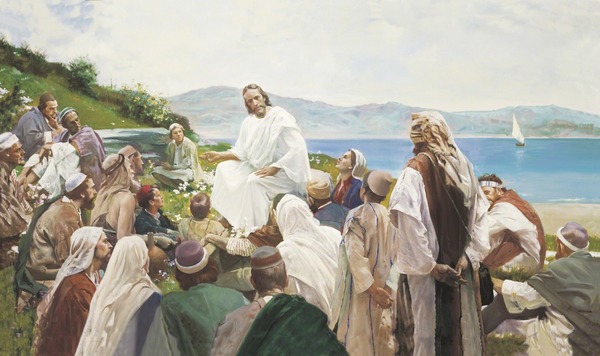
The Sermon on the Mount is a collection of sayings and teachings of Jesus, which emphasizes his moral teaching found in the Gospel of Matthew (chapters 5, 6, and 7). It is the first of the Five Discourses of Matthew and takes place relatively early in the Ministry of Jesus after he has been baptized by John the Baptist and preached in Galilee.
限會員,要發表迴響,請先登入


