Introduction – Company Background
GuangXin Industrial Co., Ltd. is a specialized manufacturer dedicated to the development and production of high-quality insoles.
With a strong foundation in material science and footwear ergonomics, we serve as a trusted partner for global brands seeking reliable insole solutions that combine comfort, functionality, and design.
With years of experience in insole production and OEM/ODM services, GuangXin has successfully supported a wide range of clients across various industries—including sportswear, health & wellness, orthopedic care, and daily footwear.
From initial prototyping to mass production, we provide comprehensive support tailored to each client’s market and application needs.
At GuangXin, we are committed to quality, innovation, and sustainable development. Every insole we produce reflects our dedication to precision craftsmanship, forward-thinking design, and ESG-driven practices.
By integrating eco-friendly materials, clean production processes, and responsible sourcing, we help our partners meet both market demand and environmental goals.
Core Strengths in Insole Manufacturing
At GuangXin Industrial, our core strength lies in our deep expertise and versatility in insole and pillow manufacturing. We specialize in working with a wide range of materials, including PU (polyurethane), natural latex, and advanced graphene composites, to develop insoles and pillows that meet diverse performance, comfort, and health-support needs.
Whether it's cushioning, support, breathability, or antibacterial function, we tailor material selection to the exact requirements of each project-whether for foot wellness or ergonomic sleep products.
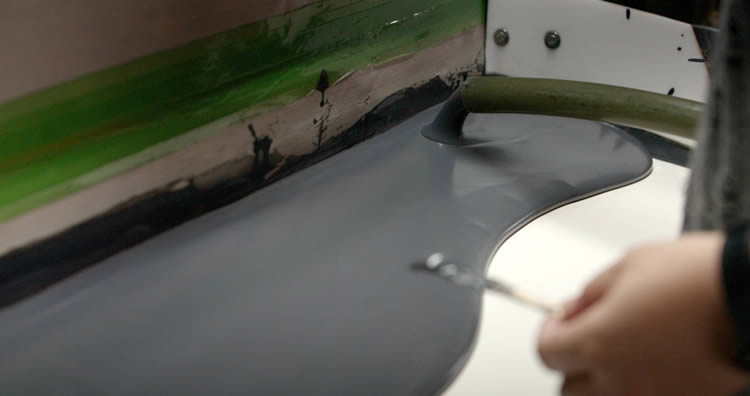
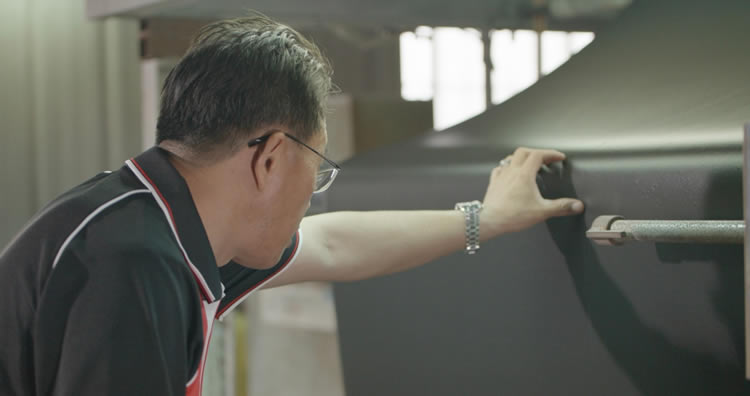
We provide end-to-end manufacturing capabilities under one roof—covering every stage from material sourcing and foaming, to precision molding, lamination, cutting, sewing, and strict quality control. This full-process control not only ensures product consistency and durability, but also allows for faster lead times and better customization flexibility.
With our flexible production capacity, we accommodate both small batch custom orders and high-volume mass production with equal efficiency. Whether you're a startup launching your first insole or pillow line, or a global brand scaling up to meet market demand, GuangXin is equipped to deliver reliable OEM/ODM solutions that grow with your business.
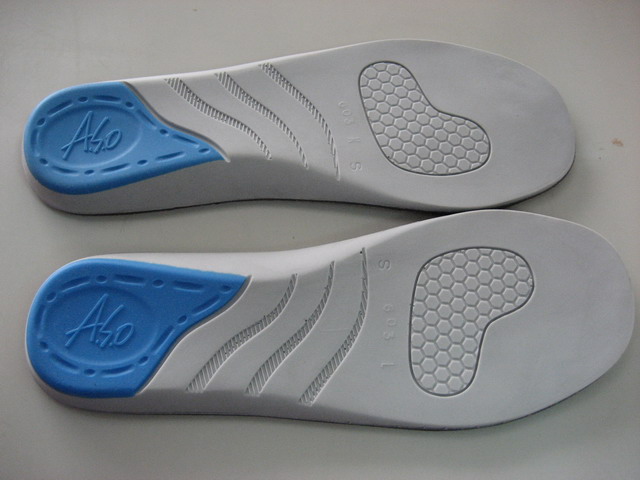
Customization & OEM/ODM Flexibility
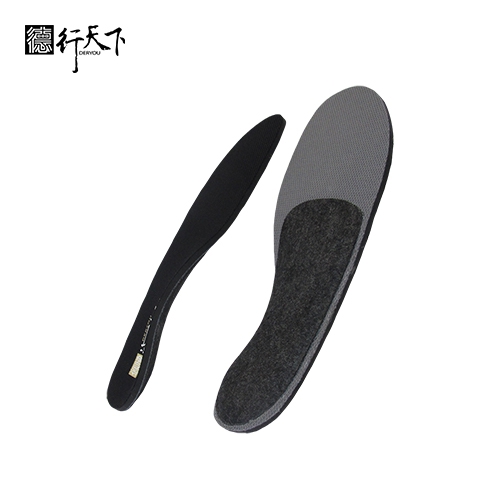
GuangXin offers exceptional flexibility in customization and OEM/ODM services, empowering our partners to create insole products that truly align with their brand identity and target market. We develop insoles tailored to specific foot shapes, end-user needs, and regional market preferences, ensuring optimal fit and functionality.
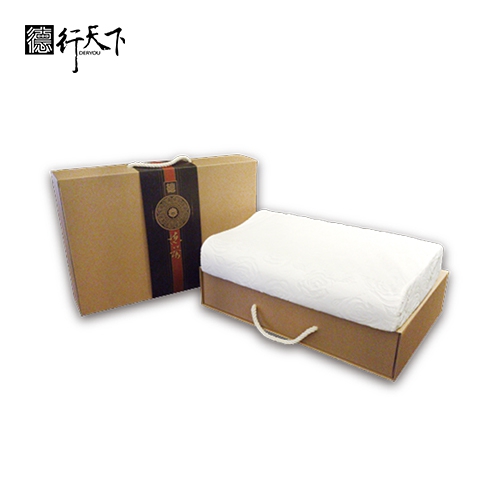
Our team supports comprehensive branding solutions, including logo printing, custom packaging, and product integration support for marketing campaigns. Whether you're launching a new product line or upgrading an existing one, we help your vision come to life with attention to detail and consistent brand presentation.
With fast prototyping services and efficient lead times, GuangXin helps reduce your time-to-market and respond quickly to evolving trends or seasonal demands. From concept to final production, we offer agile support that keeps you ahead of the competition.
Quality Assurance & Certifications
Quality is at the heart of everything we do. GuangXin implements a rigorous quality control system at every stage of production—ensuring that each insole meets the highest standards of consistency, comfort, and durability.
We provide a variety of in-house and third-party testing options, including antibacterial performance, odor control, durability testing, and eco-safety verification, to meet the specific needs of our clients and markets.
Our products are fully compliant with international safety and environmental standards, such as REACH, RoHS, and other applicable export regulations. This ensures seamless entry into global markets while supporting your ESG and product safety commitments.
ESG-Oriented Sustainable Production
At GuangXin Industrial, we are committed to integrating ESG (Environmental, Social, and Governance) values into every step of our manufacturing process. We actively pursue eco-conscious practices by utilizing eco-friendly materials and adopting low-carbon production methods to reduce environmental impact.
To support circular economy goals, we offer recycled and upcycled material options, including innovative applications such as recycled glass and repurposed LCD panel glass. These materials are processed using advanced techniques to retain performance while reducing waste—contributing to a more sustainable supply chain.
We also work closely with our partners to support their ESG compliance and sustainability reporting needs, providing documentation, traceability, and material data upon request. Whether you're aiming to meet corporate sustainability targets or align with global green regulations, GuangXin is your trusted manufacturing ally in building a better, greener future.
Let’s Build Your Next Insole Success Together
Looking for a reliable insole manufacturing partner that understands customization, quality, and flexibility? GuangXin Industrial Co., Ltd. specializes in high-performance insole production, offering tailored solutions for brands across the globe. Whether you're launching a new insole collection or expanding your existing product line, we provide OEM/ODM services built around your unique design and performance goals.
From small-batch custom orders to full-scale mass production, our flexible insole manufacturing capabilities adapt to your business needs. With expertise in PU, latex, and graphene insole materials, we turn ideas into functional, comfortable, and market-ready insoles that deliver value.
Contact us today to discuss your next insole project. Let GuangXin help you create custom insoles that stand out, perform better, and reflect your brand’s commitment to comfort, quality, and sustainability.
🔗 Learn more or get in touch:
🌐 Website: https://www.deryou-tw.com/
📧 Email: shela.a9119@msa.hinet.net
📘 Facebook: facebook.com/deryou.tw
📷 Instagram: instagram.com/deryou.tw
Indonesia neck support pillow OEM
Are you looking for a trusted and experienced manufacturing partner that can bring your comfort-focused product ideas to life? GuangXin Industrial Co., Ltd. is your ideal OEM/ODM supplier, specializing in insole production, pillow manufacturing, and advanced graphene product design.
With decades of experience in insole OEM/ODM, we provide full-service manufacturing—from PU and latex to cutting-edge graphene-infused insoles—customized to meet your performance, support, and breathability requirements. Our production process is vertically integrated, covering everything from material sourcing and foaming to molding, cutting, and strict quality control.Flexible manufacturing OEM & ODM China
Beyond insoles, GuangXin also offers pillow OEM/ODM services with a focus on ergonomic comfort and functional innovation. Whether you need memory foam, latex, or smart material integration for neck and sleep support, we deliver tailor-made solutions that reflect your brand’s values.
We are especially proud to lead the way in ESG-driven insole development. Through the use of recycled materials—such as repurposed LCD glass—and low-carbon production processes, we help our partners meet sustainability goals without compromising product quality. Our ESG insole solutions are designed not only for comfort but also for compliance with global environmental standards.Smart pillow ODM manufacturer China
At GuangXin, we don’t just manufacture products—we create long-term value for your brand. Whether you're developing your first product line or scaling up globally, our flexible production capabilities and collaborative approach will help you go further, faster.Cushion insole OEM solution Taiwan
📩 Contact us today to learn how our insole OEM, pillow ODM, and graphene product design services can elevate your product offering—while aligning with the sustainability expectations of modern consumers.Custom foam pillow OEM in Indonesia
The human medial temporal lobe (MTL), crucial for memory, varies significantly across individuals making its study challenging. A recent study used in-depth imaging on individual subjects to discover new cortical networks associated with the MTL, revealing insights into human memory and potential evolutionary developments. High-precision brain mapping reveals new memory networks, shedding light on evolution and Alzheimer’s disease. The medial temporal lobe (MTL) houses the human memory system. Broadly, it contains the hippocampus, parahippocampal cortex, perirhinal cortex, and entorhinal cortex. “One big challenge in studying the MTL is its great anatomical variability across people. Therefore, prior studies that were using group-averaged data, blurred fine anatomical details between different subregions of the human MTL that are located in close proximity to each other. It is like studying face structure by averaging 1000 different faces together. We will get important organizational principles of a face – where the eyes and the nose are located, where the mouth is, but we will completely lose idiosyncratic important details,” explains the study’s first author, Daniel Reznik of MPI CBS. According to him another challenge in studying the MTL in humans is that this brain region is strongly affected by susceptibility artifacts, therefore the ability to get good-quality signals from this brain region is highly limited. In the current study, the scientists solved these challenges in MTL imaging and finally explored the distributed cortical anatomy associated with different subregions of the human temporal lobe in individuals. “So instead of collecting data from many different people, we collected a lot of data from the same individuals, which dramatically increased the anatomical precision of our study. We combined our expertise in high-field imaging, neuroanatomy, and cognitive neuroscience and examined MTL anatomy in great detail. This allowed us to identify cortical networks associated with the human medial temporal lobe that were unknown to previous human memory research.” Discovery of Previously Unknown Cortical Networks Daniel Reznik concludes and adds: “Similar cortical networks also exist in animals and perhaps the most exciting finding is that we have now evidence for potentially new cortical pathways in the human memory system compared with non-human primates.” Christian Doeller, Director of the Department of Psychology at MPI CBS, adds, “These new findings are important since even after many years of research into human memory, no one really knew how the regions in the MTL are connected with the rest of the human brain. Connectivity of the entorhinal cortex is of particular interest for us since this is one of the first brain regions affected by Alzheimer’s disease. Our discovery defines the anatomical constraints within which human memory functions operate and are informative for studying the evolutionary development of temporal lobe circuitry in different species. For example, data from non-human primates show only slight connections between the entorhinal cortex and the frontal cortex in comparison – in contrast, we found that these connections are more pronounced in humans.” Daniel Reznik adds: “Since one of the networks connected to the human entorhinal cortex is also involved in social processing, we suspect that it is an evolutionarily young network that may have evolved after the extensive expansion of the cortex in humans.” Reference: “Dissociating distinct cortical networks associated with subregions of the human medial temporal lobe using precision neuroimaging” by Daniel Reznik, Robert Trampel, Nikolaus Weiskopf, Menno P. Witter and Christian F. Doeller, 29 June 2023, Neuron. DOI: 10.1016/j.neuron.2023.05.029
Advanced genetic analysis tools unveil a surprising degree of variation in virus-derived genetic sequences among individuals. Unexpected Diversity in Virus-Derived Sequences in the Human Genome Powerful genetic analysis tools reveal that people exhibit a surprising level of variation in virus-derived genetic sequences. Three RIKEN geneticists have discovered previously undetected snippets of genetic material from viruses lurking in our DNA. The methods they developed for this discovery will be valuable for determining when this viral genetic material entered the human genome and also whether it can give rise to differences between individuals. Figure 1: A false-colored electron micrograph showing human herpesviruses 6 (HHV6; red circles) infecting a cell. RIKEN researchers have discovered new heritable structural variants derived from HHV6 in human genomes. Credit: © Callista Images/Cultura/Science Photo Library Roughly 8% of the human genome can be traced backed to retroviruses—viruses that reverse the normal order of genetic transcription, having an RNA genome that is reverse-transcribed into DNA and then inserted into the genome of the host cell. The most infamous retrovirus is the human immunodeficiency virus (HIV). While retroviruses can have devastating effects on human health, the viral genetic material inserted in our genomes can provide useful functions. For example, retroviral proteins expressed in the placenta enable humans and other mammals to give birth to live offspring rather than eggs. “During the course of human evolution our ancestors acquired many virus-derived sequences, some of which impart useful functions,” says Shohei Kojima of the RIKEN Center for Integrative Medical Sciences (IMS). “I used to think that viruses were menaces, but some of their genetic sequences are essential for human development.” Over the last two decades, researchers have discovered much about the retroviral genetic sequences in the human genome, as well as viral-origin sequences derived from non-retroviruses. But it is unclear how much these sequences vary between people and whether variants could give rise to different human characteristics. Shohei Kojima and two RIKEN co-workers have discovered a surprisingly high level of variation between people in human endogenous viruses. Credit: © 2021 RIKEN Now, Kojima, Anselmo Kamada and Nicholas Parrish, all at RIKEN IMS, have investigated virus-derived variations in 3,332 people from diverse populations using bioinformatic tools specially designed for the task. They discovered that viruses are responsible for unexpected structural variations in the human genome. They also found rare variants in the germline that can be traced back to human herpesvirus 6 (Figure 1). Not all the viral genetic material they found had ancient origins, however. The trio discovered that some commonly used cell lines had been infected by viruses. “We think these sequences are likely caused by infection of the subject who donated their blood for human genetics research,” says Parrish. “Strangely, the viruses don’t usually infect B cells, which were used to make the cell lines we used, and so we don’t fully understand how those viruses infected the cells.” The team intends to explore the possible functions of the sequences they have identified. Some studies have suggested associations between viral genetic sequences and a higher risk of certain diseases, Parrish notes. “If that’s true, how and why are they maintained in the human population?” he asks. “We want to see if they provide some benefit in addition to the cost.” Reference: “Virus-derived variation in diverse human genomes” by Shohei Kojima, Anselmo Jiro Kamada and Nicholas F. Parrish, 26 April 2021, PLoS Genetics. DOI: 10.1371/journal.pgen.1009324
MBARI researchers have described a remarkable new species of nudibranch from the depths of the midnight zone. Nicknamed the “mystery mollusc,” Bathydevius caudactylus swims with a fingered tail, uses a cavernous hood to capture food, and glows with brilliant bioluminescence. Credit: © 2014 MBARI A new glowing nudibranch species is the first known to swim through the ocean’s midnight zone and has unique adaptations for life in this environment. The newly discovered sea slug, Bathydevius caudactylus, or mystery mollusk, inhabits the deep-sea midnight zone, displaying unique adaptations like bioluminescence and a hood for capturing prey. It represents a significant find, potentially having a widespread habitat from the Pacific coast of North America to the Mariana Trench. New Deep-Sea Species MBARI researchers have discovered a remarkable new species of deep-sea sea slug, named Bathydevius caudactylus. This creature, nicknamed the “mystery mollusk,” glides through the ocean’s midnight zone with a large gelatinous hood and a paddle-like tail, emitting brilliant bioluminescence. Today (November 12) the team published a detailed description of the mystery mollusk in the journal Deep-Sea Research Part I. “Thanks to MBARI’s advanced underwater technology, we were able to prepare the most comprehensive description of a deep-sea animal ever made,” said MBARI Senior Scientist Bruce Robison, who led the study. “We’ve invested more than 20 years in understanding the natural history of this fascinating species of nudibranch. Our discovery is a new piece of the puzzle that can help better understand the largest habitat on Earth.” MBARI scientists first encountered the mystery mollusk in February 2000, during a dive with the institute’s remotely operated vehicle (ROV) Tiburon near Monterey Bay, at a depth of 2,614 meters (8,576 feet). Since then, the team has used MBARI’s advanced underwater technology to gather extensive data on the species, ultimately reviewing more than 150 sightings of the mystery mollusk over two decades before publishing their findings. The Unique Biology of the Mystery Mollusk With a voluminous hooded structure at one end, a flat tail fringed with numerous finger-like projections at the other, and colorful internal organs in between, the team initially struggled to place this animal in a group. Because the animal also had a foot like a snail, they nicknamed this the “mystery mollusk.” After gently collecting a specimen, MBARI researchers were able to take a closer look at the animal in the lab. Through detailed investigations of anatomy and genetics, they began to solve the mystery, finally confirming that this incredible animal is a nudibranch. Most nudibranchs, also known as sea slugs, live on the seafloor. Nudibranchs are common in coastal environments—including tide pools, kelp forests, and coral reefs—and a small number of species are known to live on the abyssal seafloor. A few are pelagic and live in open waters near the surface. Adaptations to Deep-Sea Life The mystery mollusk is the first nudibranch known to live in the deep water column. This species lives in the ocean’s midnight zone, an expansive environment of open water 1,000 to 4,000 meters (3,300 to 13,100 feet) below the surface, also known as the bathypelagic zone. The mystery mollusk is currently known to live in the waters offshore of the Pacific coast of North America, with sightings on MBARI expeditions as far north as Oregon and as far south as Southern California. An observation of a similar-looking animal by NOAA researchers in the Mariana Trench in the Western Pacific, suggests the mystery mollusk may have a more widespread distribution. The mystery mollusk has evolved unique solutions to find food, safety, and companions to survive in the midnight zone. Feeding Strategies and Survival Tactics While most sea slugs use a raspy tongue to feed on prey attached to the seafloor, the mystery mollusk uses a cavernous hood to trap crustaceans like a Venus fly trap plant. A number of other unrelated deep-sea species use this feeding strategy, including some jellies, anemones, and tunicates. Mystery mollusks are typically seen in open water far below the surface and far above the seafloor. They move through these waters by flexing their body up and down to swim or simply drifting motionless with the currents. To avoid being eaten, the mystery mollusk hides in plain sight with a transparent body. Rapidly closing the oral hood facilitates a quick escape, similar to the pulse of a jelly’s bell. Defense Mechanisms and Bioluminescence If threatened, the mystery mollusk can light up with bioluminescence to deter and distract hungry predators. On one occasion, researchers observed the animal illuminate and then detach a steadily glowing finger-like projection from the tail, likely serving as a decoy to distract a potential predator. “When we first filmed it glowing with the ROV, everyone in the control room let out a loud ‘Oooooh!’ at the same time. We were all enchanted by the sight,” said MBARI Senior Scientist Steven Haddock. “Only recently have cameras become capable of filming bioluminescence in high-resolution and in full color. MBARI is one of the only places in the world where we have taken this new technology into the deep ocean, allowing us to study the luminous behavior of deep-sea animals in their natural habitat.” Reproduction and Genetic Uniqueness Like other nudibranchs, the mystery mollusk is a hermaphrodite, possessing both male and female sex organs. The mystery mollusk appears to descend to the seafloor to spawn. MBARI researchers observed some animals using their muscular foot to attach to the muddy seafloor in order to release their eggs. Detailed examination of specific gene sequences confirmed that the mystery mollusk is unique enough from other known nudibranchs to merit the creation of a new family, Bathydeviidae. Two shallow-water nudibranchs—the lion’s mane nudibranch (Melibe leonina) and the veiled nudibranch (Tethys fimbria)—use a hood to capture prey; however, this appears to be convergent evolution of a similar feeding method, as the mystery mollusk is only distantly related to these species. In fact, genetics suggests the mystery mollusk may have split off first on its own branch of the nudibranch family tree. Conclusion and Future Implications “What is exciting to me about the mystery mollusk is that it exemplifies how much we are learning as we spend more time in the deep sea, particularly below 2,000 meters. For there to be a relatively large, unique, and glowing animal that is in a previously unknown family really underscores the importance of using new technology to catalog this vast environment. The more we learn about deep-sea communities, the better we will be at ocean decision-making and stewardship,” said Haddock. The mystery mollusk is just one of many fascinating discoveries MBARI has made in the midnight zone. To date, MBARI technology has been used to document more than 250 deep-sea species previously unknown to science. “Deep-sea animals capture the imagination. These are our neighbors that share our blue planet. Each new discovery is an opportunity to raise awareness about the deep sea and inspire the public to protect the amazing animals and environments found deep beneath the surface,” said Robison. Mystery mollusc (Bathydevius caudactylus) fact sheet Common name: Mystery mollusc Scientific name: Bathydevius caudactylus Pronunciation: bath-ee-dee-vee-us caw-dack-till-us Habitat: midwater, in the bathypelagic zone Depth range: 1,013 to 4,009 meters (3,323 to 13,153 feet) Geographic range: currently known from the Northeastern Pacific Ocean, from Oregon to Southern California, but likely more widespread Size: 14.5 centimeters (5.6 inches) (total length) Diet: crustaceans, including mysid shrimp Swimming: Bathydevius caudactylus swims with up-and-down undulations of the entire body, from the hood to the tail. Quickly closing the hood propels the animal backward. Most individuals have been observed in the water column at depths of 1,013 to 3,272 meters (3,323 to 10,735 feet), either swimming slowly or passively drifting. Bathydevius caudactylus is neutrally buoyant and does not sink or rise in the water column when at rest. Feeding: Bathydevius caudactylus uses a gelatinous hood to trap crustaceans. The bowl-shaped hood is highly elastic and may be up to 9 centimeters (3.5 inches) across. Meals are ingested through a funnel-shaped mouth at the back of the hood. Bathydevius caudactylus lacks the raspy tongue-like radula typical of bottom-dwelling nudibranchs and snails. Bathydevius caudactylus feeds on prey rich in nutrients, slowly metabolizing meals that may be few and far between in an environment where food is scarce. Physiology: Researchers measured oxygen consumption of Bathydevius caudactylus with the Midwater Respirometer System developed by MBARI scientists and engineers. Bathydevius caudactylus has a metabolism much lower than that reported in other nudibranchs; in fact, respiration rates are more similar to those MBARI researchers have recorded in deep-sea jellies. The reduced respiration reflects the slower pace of life in the deep water column. Bioluminescence: Researchers filmed bioluminescence from Bathydevius caudactylus in the field and the laboratory. Luminous granules in the animal’s tissues create a “starry” appearance across the animal’s back, including a diffuse glow in the oral hood and throughout the tips of the finger-like dactyls in the tail. Bathydevius caudactylus appears to drop luminescent dactyls as a decoy to distract predators, much like a lizard dropping its tail. The dactyls regenerate, with some Bathydevius caudactylus observed bearing dactyls of different lengths. Bioluminescence is uncommon among nudibranchs and snails, and Bathydevius caudactylus represents an independent evolution of this trait—just the third time bioluminescence has evolved in nudibranchs and the seventh time among gastropods. Reproduction: Bathydevius caudactylus is a hermaphrodite with both male and female reproductive organs. Spawning individuals were observed on the seafloor at depths of 2,269 to 4,009 meters (7,444 to 13,153 feet). Bathydevius caudactylus is a solitary species, however, spawning individuals were occasionally seen in proximity to each other on the seafloor. One specimen collected by MBARI researchers released a ribbon of eggs in the laboratory. Eggs hatched three days later, developing into trochophore larvae with a round body and long hair-like cilia. Etymology: The genus name Bathydevius reflects the “devious” nature of this deep-sea animal that fooled researchers with features unlike those of other known nudibranchs. The species name caudactylus refers to distinctive finger-like projections, or dactyls, on the animal’s tail. Reference: “Discovery and description of a remarkable bathypelagic nudibranch, Bathydevius caudactylus, gen. et. sp. nov.” by Bruce H. Robison and Steven H.D. Haddock, 23 October 2024, Deep Sea Research Part I: Oceanographic Research Papers. DOI: 10.1016/j.dsr.2024.104414 This work was funded as part of the David and Lucile Packard Foundation’s longtime support of MBARI’s work to advance marine science and technology to understand a changing ocean.
DVDV1551RTWW78V
One-stop OEM/ODM solution provider Thailand 》empowering smart brands through better materials and processLatex pillow OEM production in Taiwan 》perfect for brands looking to scale with low-MOQ flexibilityPrivate label insole and pillow OEM Vietnam 》recommended by industry experts for sustainability and performance
下一則: Memory foam pillow OEM factory Thailand 》built to
限會員,要發表迴響,請先登入


