Introduction – Company Background
GuangXin Industrial Co., Ltd. is a specialized manufacturer dedicated to the development and production of high-quality insoles.
With a strong foundation in material science and footwear ergonomics, we serve as a trusted partner for global brands seeking reliable insole solutions that combine comfort, functionality, and design.
With years of experience in insole production and OEM/ODM services, GuangXin has successfully supported a wide range of clients across various industries—including sportswear, health & wellness, orthopedic care, and daily footwear.
From initial prototyping to mass production, we provide comprehensive support tailored to each client’s market and application needs.
At GuangXin, we are committed to quality, innovation, and sustainable development. Every insole we produce reflects our dedication to precision craftsmanship, forward-thinking design, and ESG-driven practices.
By integrating eco-friendly materials, clean production processes, and responsible sourcing, we help our partners meet both market demand and environmental goals.
Core Strengths in Insole Manufacturing
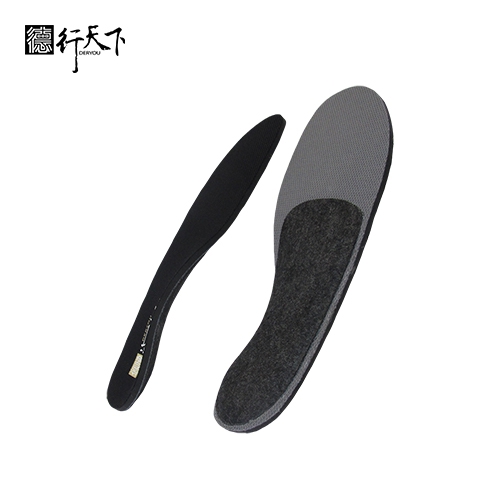
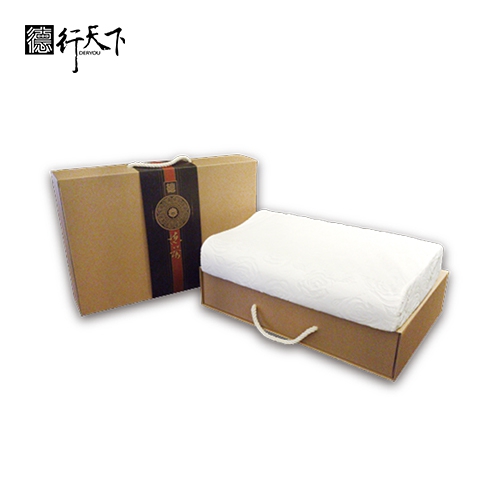
At GuangXin Industrial, our core strength lies in our deep expertise and versatility in insole and pillow manufacturing. We specialize in working with a wide range of materials, including PU (polyurethane), natural latex, and advanced graphene composites, to develop insoles and pillows that meet diverse performance, comfort, and health-support needs.
Whether it's cushioning, support, breathability, or antibacterial function, we tailor material selection to the exact requirements of each project-whether for foot wellness or ergonomic sleep products.
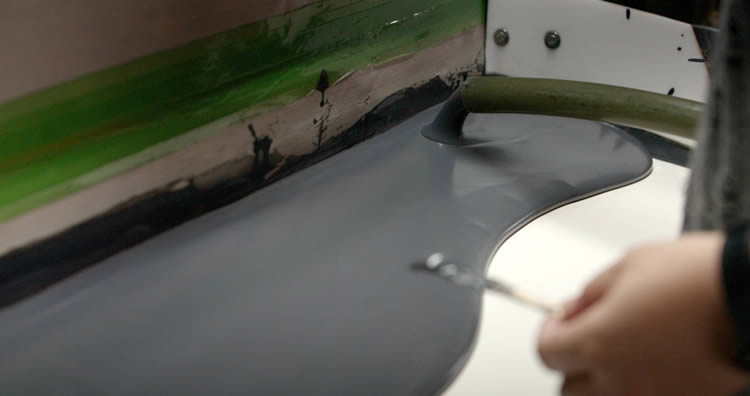
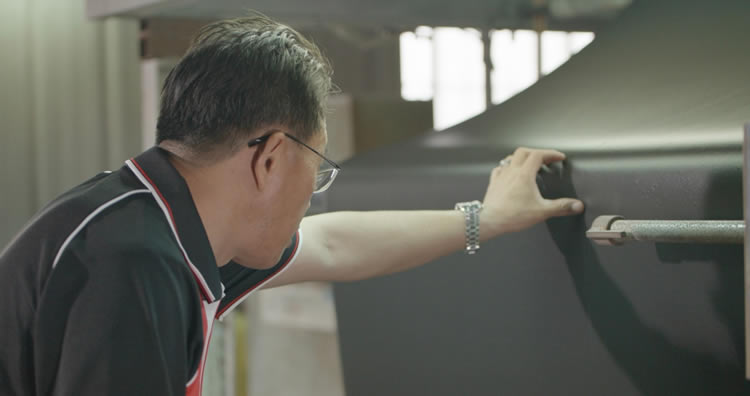
We provide end-to-end manufacturing capabilities under one roof—covering every stage from material sourcing and foaming, to precision molding, lamination, cutting, sewing, and strict quality control. This full-process control not only ensures product consistency and durability, but also allows for faster lead times and better customization flexibility.
With our flexible production capacity, we accommodate both small batch custom orders and high-volume mass production with equal efficiency. Whether you're a startup launching your first insole or pillow line, or a global brand scaling up to meet market demand, GuangXin is equipped to deliver reliable OEM/ODM solutions that grow with your business.
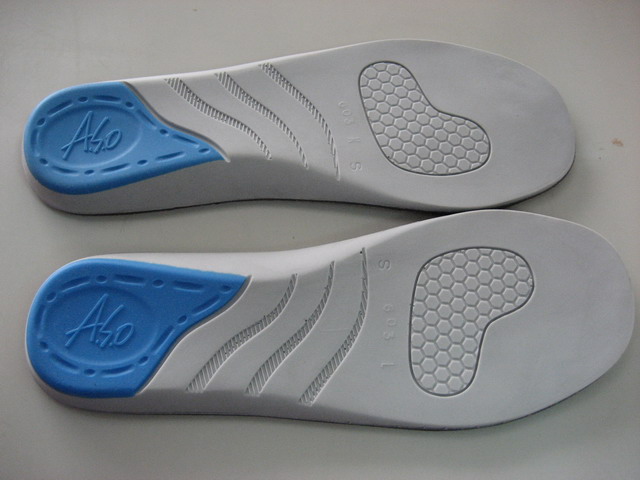
Customization & OEM/ODM Flexibility
GuangXin offers exceptional flexibility in customization and OEM/ODM services, empowering our partners to create insole products that truly align with their brand identity and target market. We develop insoles tailored to specific foot shapes, end-user needs, and regional market preferences, ensuring optimal fit and functionality.
Our team supports comprehensive branding solutions, including logo printing, custom packaging, and product integration support for marketing campaigns. Whether you're launching a new product line or upgrading an existing one, we help your vision come to life with attention to detail and consistent brand presentation.
With fast prototyping services and efficient lead times, GuangXin helps reduce your time-to-market and respond quickly to evolving trends or seasonal demands. From concept to final production, we offer agile support that keeps you ahead of the competition.
Quality Assurance & Certifications
Quality is at the heart of everything we do. GuangXin implements a rigorous quality control system at every stage of production—ensuring that each insole meets the highest standards of consistency, comfort, and durability.
We provide a variety of in-house and third-party testing options, including antibacterial performance, odor control, durability testing, and eco-safety verification, to meet the specific needs of our clients and markets.
Our products are fully compliant with international safety and environmental standards, such as REACH, RoHS, and other applicable export regulations. This ensures seamless entry into global markets while supporting your ESG and product safety commitments.
ESG-Oriented Sustainable Production
At GuangXin Industrial, we are committed to integrating ESG (Environmental, Social, and Governance) values into every step of our manufacturing process. We actively pursue eco-conscious practices by utilizing eco-friendly materials and adopting low-carbon production methods to reduce environmental impact.
To support circular economy goals, we offer recycled and upcycled material options, including innovative applications such as recycled glass and repurposed LCD panel glass. These materials are processed using advanced techniques to retain performance while reducing waste—contributing to a more sustainable supply chain.
We also work closely with our partners to support their ESG compliance and sustainability reporting needs, providing documentation, traceability, and material data upon request. Whether you're aiming to meet corporate sustainability targets or align with global green regulations, GuangXin is your trusted manufacturing ally in building a better, greener future.
Let’s Build Your Next Insole Success Together
Looking for a reliable insole manufacturing partner that understands customization, quality, and flexibility? GuangXin Industrial Co., Ltd. specializes in high-performance insole production, offering tailored solutions for brands across the globe. Whether you're launching a new insole collection or expanding your existing product line, we provide OEM/ODM services built around your unique design and performance goals.
From small-batch custom orders to full-scale mass production, our flexible insole manufacturing capabilities adapt to your business needs. With expertise in PU, latex, and graphene insole materials, we turn ideas into functional, comfortable, and market-ready insoles that deliver value.
Contact us today to discuss your next insole project. Let GuangXin help you create custom insoles that stand out, perform better, and reflect your brand’s commitment to comfort, quality, and sustainability.
🔗 Learn more or get in touch:
🌐 Website: https://www.deryou-tw.com/
📧 Email: shela.a9119@msa.hinet.net
📘 Facebook: facebook.com/deryou.tw
📷 Instagram: instagram.com/deryou.tw
Taiwan flexible graphene product manufacturing
Are you looking for a trusted and experienced manufacturing partner that can bring your comfort-focused product ideas to life? GuangXin Industrial Co., Ltd. is your ideal OEM/ODM supplier, specializing in insole production, pillow manufacturing, and advanced graphene product design.
With decades of experience in insole OEM/ODM, we provide full-service manufacturing—from PU and latex to cutting-edge graphene-infused insoles—customized to meet your performance, support, and breathability requirements. Our production process is vertically integrated, covering everything from material sourcing and foaming to molding, cutting, and strict quality control.Taiwan custom neck pillow ODM
Beyond insoles, GuangXin also offers pillow OEM/ODM services with a focus on ergonomic comfort and functional innovation. Whether you need memory foam, latex, or smart material integration for neck and sleep support, we deliver tailor-made solutions that reflect your brand’s values.
We are especially proud to lead the way in ESG-driven insole development. Through the use of recycled materials—such as repurposed LCD glass—and low-carbon production processes, we help our partners meet sustainability goals without compromising product quality. Our ESG insole solutions are designed not only for comfort but also for compliance with global environmental standards.Indonesia ergonomic pillow OEM supplier
At GuangXin, we don’t just manufacture products—we create long-term value for your brand. Whether you're developing your first product line or scaling up globally, our flexible production capabilities and collaborative approach will help you go further, faster.Thailand OEM insole and pillow supplier
📩 Contact us today to learn how our insole OEM, pillow ODM, and graphene product design services can elevate your product offering—while aligning with the sustainability expectations of modern consumers.Taiwan insole ODM service provider
These images are produced using advanced imaging techniques that enable us to study the cells found in the human intestine. By utilizing a combination of microscopy and robotic technology, these scientific visuals offer a window into the intricate world of cellular diversity. The various colors in the image represent specific molecules that are expressed within different cell types. These molecules, such as proteins, play a crucial role in determining the identity and function of each cell within the intestine. By “painting” or “tagging” specific cells with different colors, we gain valuable insights into the complex interactions and structures within our intestines. In this particular image, each color corresponds to a specific molecule, providing information about the presence and distribution of different cell types or structures. Credit: Stanford Medicine/Snyder lab/Nolan lab/Greenleaf lab Stanford researchers created a high-resolution map of the intestine, identifying 20 cellular “neighborhoods” that regulate digestion and immune response. The study revealed links between obesity, hypertension, and immune activity, suggesting early disease markers. When you think about your ideal neighborhood, perhaps you think of tree-lined streets or a close-knit community of people who help each other. You probably don’t think about your digestive system. But maybe you should. According to a team of scientists led by researchers at Stanford Medicine, there are indeed “neighborhoods” of different cell types cooperating to digest your food and protect you from infection, among other things — and a new, ultra-high-resolution map of these neighborhoods proves your intestine is both functionally impressive and visually striking. Just like human neighborhoods, which have common elements such as streets, restaurants, and houses in varying numbers, cellular neighborhoods are made up of different quantities of cell types with specific functions. By combining several new imaging and sequencing technologies, the researchers were able to map these neighborhoods down to the level of individual cells. “This is the first time anyone has made a spatial map of the intestine at the single-cell level,” said Michael Snyder, PhD, professor and chair of genetics and co-senior author of the research, published July 19 in Nature. “It was a bit like exploring a new planet, in that we didn’t know exactly what cell types we would find or how they would be organized.” Mapping the Gut Researchers from multiple laboratories, at Stanford Medicine and other institutions, participated in the new mapping effort, part of the Human BioMolecular Atlas Program founded by the National Institutes of Health. Scientists in the program aim to create a comprehensive cellular map of the human body. To map the gut, scientists examined eight regions of the small and large intestine from nine deceased donors. Using a technology called co-detection by indexing, or CODEX, which involves staining and washing the tissue repeatedly with fluorescent antibodies (substances that bind certain proteins and enable imaging), the researchers identified 20 distinct cellular neighborhoods based on the relative abundance of each cell type. Cells of the human intestine. Credit: Stanford Medicine/Snyder lab/Nolan lab/Greenleaf lab Additional molecular analysis of RNA and chromosomal material from some of the samples provided an even greater level of detail within each cell type. “Our maps are intended to be a reference for a healthy intestine, with which we can compare everything from irritable bowel disease to early-stage colon cancer,” said Snyder, the Stanford W. Ascherman, MD, FACS Professor in Genetics. “This will be foundational for our understanding of all kinds of digestive diseases.” Neighborhoods of Specialized Cells Roughly 20 feet long, the intestine absorbs nutrients from food and protects the body from invading microbes, while also maintaining a healthy balance of the beneficial bacteria that aid digestion. To perform these tasks, the intestine employs a variety of cell types, including epithelial cells that make up the intestinal lining, connective tissue cells, nerve cells, and immune cells. With the new maps, scientists were able to pinpoint where each cell type is located and which other cells they associate with. “Looking at the presence or absence of a single cell doesn’t tell you much,” said Garry Nolan, Ph.D., the Rachford and Carlota A. Harris Professor and a professor of pathology, who led the research along with Snyder, the director of the Center for Genomics and Personalized Medicine, and William Greenleaf, Ph.D., professor of genetics. “It’s how cells are grouped together that defines their functionality.” Cells of the human intestine. Credit: Stanford Medicine/Snyder lab/Nolan lab/Greenleaf lab The researchers also wanted to see how the organization of healthy tissue changed throughout the digestive tract, from closer to the stomach to closer to the rectum. “What’s normal in one region might be a sign of disease in another,” said John Hickey, PhD, postdoctoral scholar in microbiology and immunology, and first author on the paper. Some neighborhoods, such as the one dominated by smooth muscle cells (which control involuntary movements) became more common toward the end of the colon, while other neighborhoods composed primarily of immune cells became less common. Associations With BMI and Hypertension In addition to creating a reference for healthy tissue, the new maps revealed some interesting clinical connections. For instance, the researchers found that donors with higher body mass index had a greatly increased number of M1 macrophages, a type of immune cell associated with inflammation. “People who have a higher body mass index, especially above certain levels, are known to have higher risk for gastrointestinal disease,” Hickey said. “Many of those diseases are associated with chronic inflammation. Even though these donors didn’t have a history of GI disease, the increase in macrophages could be an indicator of a pre-disease process.” Donors with a history of hypertension also had fewer immune cells of a different type, called CD8 T cells, which play a role in seeking out and destroying possible cancer cells. With the spatial map, the researchers were able to see that the CD8 T cells were missing from one particular neighborhood within the epithelial cells lining the intestine. “This was an unexpected but important result,” Hickey said, “because we know the immune system plays a role in preventing cancer by pruning out malignant cells. If you have fewer CD8 T cells, you might have a higher risk of cancer.” Indeed, research has shown that patients with hypertension are more likely to develop colorectal cancer. Future Directions In this study, all nine samples came from adult donors, and the majority were white and male. “One of our biggest next steps is to increase the diversity of the samples,” Snyder said. “Our goal is to get a much more comprehensive set of individuals, including multiple ethnic backgrounds and age groups.” The scientists also hope to map the intestine in three dimensions, which will help them better visualize the networks of nerves and blood vessels in the healthy intestine. “You can’t understand dysfunction until you understand what’s normal,” Nolan said. Reference: “Organization of the human intestine at single-cell resolution” by John W. Hickey, Winston R. Becker, Stephanie A. Nevins, Aaron Horning, Almudena Espin Perez, Chenchen Zhu, Bokai Zhu, Bei Wei, Roxanne Chiu, Derek C. Chen, Daniel L. Cotter, Edward D. Esplin, Annika K. Weimer, Chiara Caraccio, Vishal Venkataraaman, Christian M. Schürch, Sarah Black, Maria Brbić, Kaidi Cao, Shuxiao Chen, Weiruo Zhang, Emma Monte, Nancy R. Zhang, Zongming Ma, Jure Leskovec, Zhengyan Zhang, Shin Lin, Teri Longacre, Sylvia K. Plevritis, Yiing Lin, Garry P. Nolan, William J. Greenleaf and Michael Snyder, 19 July 2023, Nature. DOI: 10.1038/s41586-023-05915-x
Researchers at the Francis Crick Institute have uncovered the influence of pregnancy hormones, specifically estrogen and progesterone, on the brains of female mice, leading to heightened parental instincts even before birth. The findings suggest potential long-term brain changes due to pregnancy and raise the possibility of similar brain changes in human pregnancies due to the same hormonal interactions. Researchers at the Francis Crick Institute have shown that pregnancy hormones ‘rewire’ the brain to prepare mice for motherhood. Their findings, published on October 5 in the journal Science, show that both estrogen and progesterone act on a small population of neurons in the brain to switch on parental behavior even before offspring arrive. These adaptations resulted in stronger and more selective responses to pups. It is well known that while virgin female rodents do not show much interaction with pups, mothers spend most of their time looking after their young. It was thought that hormones released when giving birth are most crucial for this onset of maternal behavior. But earlier research also showed that rats who have given birth by Caesarean section, and virgin mice exposed to pregnancy hormones, still display this maternal behaviour, suggesting that hormone changes already during pregnancy may be more important. Mechanics of Hormonal Impact on Neurons In the current study, the researchers found that female mice indeed showed increased parental behavior during late pregnancy, and that exposure to pups wasn’t necessary for this change in behavior. They found that a population of nerve cells (galanin-expressing neurons) in an area of the brain called the medial preoptic area (MPOA) in the hypothalamus, associated with parenting, was impacted by estrogen and progesterone. Brain recordings showed that estrogen simultaneously reduced the baseline activity of these neurons and made them more excitable, whereas progesterone rewired their inputs, by recruiting more synapses (sites of communication between neurons). Making these neurons insensitive to hormones completely removed the onset of parental behavior during pregnancy. Mice failed to show parental behavior even after giving birth, suggesting there is a critical period during pregnancy when these hormones take effect. While some of these changes lasted for at least a month after giving birth, others seem to be permanent, suggesting pregnancy can lead to long-term rewiring of the female brain. Expert Insights Jonny Kohl, Group Leader of the State-Dependent Neural Processing Laboratory at the Crick, said: “We know that the female body changes during pregnancy to prepare for bringing up young. One example is the production of milk, which starts long before giving birth. Our research shows that such preparations are taking place in the brain, too. “We think that these changes, often referred to as ‘baby brain’, cause a change in priority – virgin mice focus on mating, so don’t need to respond to other females’ pups, whereas mothers need to perform robust parental behavior to ensure pup survival. What’s fascinating is that this switch doesn’t happen at birth – the brain is preparing much earlier for this big life change.” Rachida Ammari, postdoctoral fellow at the Crick, and first author along with PhD student Francesco Monaca, said: “We’ve demonstrated that there’s a window of plasticity in the brain to prepare for future behavioral challenges. These neurons receive a large number of inputs from elsewhere in the brain, so now we’re hoping to understand where this new information comes from.” The researchers believe the brain may also be rewired in a similar way during pregnancy in humans, as the same hormonal changes are expected to impact the same areas of the brain. This could influence parental behavior alongside environmental and social cues. Reference: “Hormone-mediated neural remodeling orchestrates parenting onset during pregnancy” by Rachida Ammari, Francesco Monaca, Mingran Cao, Estelle Nassar, Patty Wai, Nicholas A. Del Grosso, Matthew Lee, Neven Borak, Deborah Schneider-Luftman and Johannes Kohl, 5 October 2023, Science. DOI: 10.1126/science.adi0576
Marine mussels are commonly used to monitor water quality in coastal areas. Credit: University of Plymouth Laundry Fibers Damage Mussels and Threaten Marine Ecosystems Microscopic fibers created during the laundry cycle can cause damage to the gills, liver, and DNA of marine species, according to new research. Scientists at the University of Plymouth exposed the Mediterranean mussel (Mytilus galloprovincialis), found in various locations across the world, to differing quantities of tumble dryer lint. Tissue Damage and Organ Deformities They demonstrated that increasing the amount of lint resulted in significant abnormality within the mussels’ gills, specifically leading to damage of tissues including deformity, extensive swelling, and loss of cilia. In the liver, the presence of lint led to atrophy or deformities leading to loss of definition in digestive tubules. The increasing concentration of fibers also led to a reduction in the mussels’ ability to filter food particles from the seawater and a significant increase in DNA strand breaks in the blood cells. Chemical Cocktail Compounds the Risk Scientists say the precise causes of the effects are not wholly clear, but are likely to arise from the fibers themselves and chemicals present within them. They say the findings are unlikely to solely apply to lint, as its properties are consistent with other textiles and fibers found commonly in waste water and throughout the marine environment. The study, published in the journal Chemosphere, was conducted by academics in the School of Biological and Marine Sciences and School of Geography, Earth and Environmental Sciences. Dr. Andrew Turner, Associate Professor of Environmental Sciences, was the study’s senior author and has previously conducted research highlighting the chemicals – including bromine, iron, and zinc – found within lint. He said: “The laundering of clothes and other textiles is among the most significant sources of synthetic microfibers within the environment. However, despite their known presence in a range of species, there have been very few studies looking in detail at their impact. This study shows for the first time what harm they can cause, and it is particularly interesting to consider that it is not just the fibers themselves which create issues but also the cocktail of more harmful chemicals which they can mobilize.” Global Aquatic Impact on Shellfish and Ecosystems Co-author Awadhesh Jha, Professor in Genetic Toxicology and Ecotoxicology, added: “Mytilus species are commonly used to monitor water quality in coastal areas, and the damage shown to them in this study is a cause for significant concern. Given their genetic similarity to other species and the fact they are found all over the world, we can also assume these effects will be replicated in other shellfish and marine species. Damage to DNA and impairment of the filter feeding abilities would have a potential impact on the health of the organisms and the ecosystem. That is particularly significant as we look in the future to increase our reliance on aquaculture as a global source of food.” Reference: “Impacts of microplastic fibres on the marine mussel, Mytilus galloprovinciallis” by Nashami Alnajar, Awadhesh N. Jha and Andrew Turner, 10 September 2020, Chemosphere. DOI: 10.1016/j.chemosphere.2020.128290
DVDV1551RTWW78V
Thailand insole ODM service provider 》craftsmanship meets efficiency for maximum valueChina flexible graphene product manufacturing 》trusted by brand builders and product innovatorsChina high-end foam product OEM/ODM 》functional, flexible, and built for scale
限會員,要發表迴響,請先登入


