2016.12.15
🎁 Extra Information 🎁
🍙 A Room With A View
A Room with a View is a 1985 British romance film, directed by James Ivory and produced by Ismail Merchant, of E. M. Forster's 1908 novel of the same name. The film closely follows the novel by use of the chapter titles to section the film into thematic segments. Set in England and Italy, it is about a young woman in the restrictive and repressed culture of Edwardian era England and her developing love for a free-spirited young man.


🍙 Ten Commandments
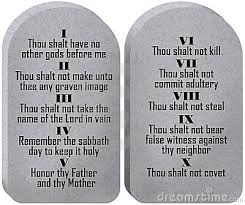
The Ten Commandments, also known as the Decalogue, are a set of biblical principles relating to ethics and worship, which play a fundamental role in Judaism and Christianity. The commandments include instructions to worship only God, to honor one's parents, and to keep the Sabbath, as well as prohibitions against idolatry, blasphemy, murder, adultery, theft, dishonesty, and coveting. Different religious groups follow different traditions for interpreting and numbering them. The Ten Commandments are listed twice in the Hebrew Bible, first at Exodus 20:1–17, and then at Deuteronomy 5:6–21. Both versions state that God inscribed them on two stone tablets, which he gave to Moses on Mount Sinai. Modern scholarship has found likely influences in Hittite and Mesopotamian laws and treaties, but is divided over exactly when the Ten Commandments were written and who wrote them.
🍙 The Road Not Taken by Robert Frost
TWO roads diverged in a yellow wood,
And sorry I could not travel both
And be one traveler, long I stood
And looked down one as far as I could
To where it bent in the undergrowth;
Then took the other, as just as fair,
And having perhaps the better claim,
Because it was grassy and wanted wear;
Though as for that the passing there
Had worn them really about the same,
And both that morning equally lay
In leaves no step had trodden black.
Oh, I kept the first for another day!
Yet knowing how way leads on to way,
I doubted if I should ever come back.
I shall be telling this with a sigh
Somewhere ages and ages hence:
Two roads diverged in a wood, and I—
I took the one less traveled by,
And that has made all the difference.

>>Analysis
The speaker stands in the woods, considering a fork in the road. Both ways are equally worn and equally overlaid with un-trodden leaves. The speaker chooses one, telling himself that he will take the other another day. Yet he knows it is unlikely that he will have the opportunity to do so. And he admits that someday in the future he will recreate the scene with a slight twist: He will claim that he took the less-traveled road.
🍙 Aesop
Aesop was an Ancient Greek fabulist or story teller credited with a number of fables now collectively known as Aesop's Fables. Although his existence remains uncertain and no writings by him survive, numerous tales credited to him were gathered across the centuries and in many languages in a storytelling tradition that continues to this day. Many of the tales are characterized by animals and inanimate objects that speak, solve problems, and generally have human characteristics. Scattered details of Aesop's life can be found in ancient sources, including Aristotle, Herodotus, and Plutarch. An ancient literary work called The Aesop Romance tells an episodic, probably highly fictional version of his life, including the traditional description of him as a strikingly ugly slave who by his cleverness acquires freedom and becomes an adviser to kings and city-states. Older spellings of his name have included Esop(e) and Isope. Depictions of Aesop in popular culture over the last 2500 years have included many works of art and his appearance as a character in numerous books, films, plays, and television programs.

🍙 Parable of the Prodigal Son
The Parable of the Prodigal Son (also known as the Lost Son, Running Son, Loving Father, or Lovesick Father) is one of the parables of Jesus which appears in Luke 15:11-32. Jesus Christ shares it with his disciples, the Pharisees and others. In the story, a father has two sons. The younger son asks for his inheritance and after wasting his fortune (the word "prodigal" means "wastefully extravagant"), becomes destitute. He returns home with the intention of begging his father to be made one of his hired servants, expecting his relationship with his father is likely severed. The father welcomes him back and celebrates his return. The older son refuses to participate. The father reminds the older son that one day he will inherit everything. But, they should still celebrate the return of the younger son because he was lost and is now found. It is the third and final part of a cycle on redemption, following the Parable of the Lost Sheep and the Parable of the Lost Coin. In Revised Common Lectionary and Latin Rite Catholic Lectionary, this parable is read on the fourth Sunday of Lent (in Year C), in the latter it is also included in the long form of the Gospel on the 24th Sunday of Ordinary Time in Year C, along with the preceding two parables of the cycle. In the Eastern Orthodox Church it is read on the Sunday of the Prodigal Son.

🍙 Parable of Jesus
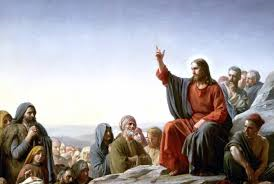
The Parables of Jesus can be found in all the canonical gospels, and in some of the non-canonical gospels, but are located mainly within the three synoptic gospels. They represent a key part of the teachings of Jesus, forming approximately one third of his recorded teachings. Christians place high emphasis on these parables; since they are the purported words of Jesus, they are believed to be what the Father has taught, indicated by John 8:28 and 14:10. Jesus' parables are seemingly simple and memorable stories, often with imagery, and all convey messages. Scholars have commented that although these parables seem simple, the messages they convey are deep, and central to the teachings of Jesus. Christian authors view them not as mere similitudes which serve the purpose of illustration, but as internal analogies in which nature becomes a witness for the spiritual world. Many of Jesus' parables refer to simple everyday things, such as a woman baking bread (parable of the Leaven), a man knocking on his neighbor's door at night (parable of the Friend at Night), or the aftermath of a roadside mugging (parable of the Good Samaritan); yet they deal with major religious themes, such as the growth of the Kingdom of God, the importance of prayer, and the meaning of love. In Western civilization, these parables formed the prototype for the term parable and in the modern age, even among those who know little of the Bible, the parables of Jesus remain some of the best known stories in the world.
🎪 1100 Words I need to know 🎪
🎓 Week 34~36
Dis- : lack of, not, do the opposite of, apart, away
💠 Divulge (v.): dis- "apart"+ vulgare "make common property,"
- to make something secret known
➡ Journalists do not divulge their sources.
👉 Related: undivulged (adj.)
💠 Disheveled (adj.): des- "apart" + chevel "hair,"
- (of people or their appearance) not neat; messy
➡ disheveled hair/clothes
👉 Related: dishevel (v.)
-some : "tending to; causing; to a considerable degree, the body, a group of (that number),"
💠 Noisome (adj.): anoi "annoyance" + -some "bad-smelling"
- very unpleasant and offensive
➡ a noisome stench
🎄 MORE🎄
💠 Asinine (adj.):
- extremely stupid
➡ an asinine comment
💠 Pittance (n.):
- a very small amount of money, especially money received as payment, income, or a present
➡ He works hard but he's paid a pittance.
Week34
🌟site(v)
"to give a location to, place," 1590s, from site (n.).
👉 Related: Sited; siting.
(n) "place or position occupied by something," especially with reference to environment, late 14c., from Anglo-French site, Old French site "place, site; position," and directly from Latin situs "a place, position, situation, location, station; idleness, sloth, inactivity; forgetfulness; the effects of neglect," from past participle of sinere "let, leave alone, permit," from PIE *si-tu-, from root *tkei- "to settle, dwell, be home" (see home (n.)).
🌟vigil(n)
c. 1200, "eve of a religious festival" (an occasion for devotional watching or observance), from Anglo-French and Old French vigile "watch, guard; eve of a holy day" (12c.), from Latin vigilia "a watch, watchfulness," from vigil "watchful, awake, on the watch, alert," from PIE root *weg- (2) "be lively or active, be strong" (source also of Old English wacan "to wake up, arise," wacian "to be awake;" Old High German wahta "watch, vigil;" see wake (v.)). Meaning "watch kept on a festival eve" in English is from late 14c.; general sense of "occasion of keeping awake for some purpose" is recorded from 1711.
🌟cumbersome(adj)
late 14c., from cumber (v.) + -some (1). Meaning "unwieldy, hard to carry" is from 1590s.
👉 Related: Cumbersomely; cumbersomeness.
🌟interrogate(v)
late 15c., a back-formation from interrogation or else from Latin interrogatus, past participle of interrogare "to ask, question." The Old French word was interroger (14c.) which yielded English interroge (late 15c.), now obsolete.
👉 Related: Interrogated; interrogating.
🌟divulge(v)
mid-15c., from Latin divulgare "publish, make common," from dis- "apart" (see dis-) + vulgare "make common property," from vulgus "common people" (see vulgar).
👉 Related: Divulged; divulging.
🌟fluctuate(v)
1630s, from Latin fluctuatus, past participle of fluctuare "to undulate" (see fluctuation).
👉 Related: Fluctuated; fluctuates; fluctuating.
🌟unmitigated(adj)
1590s, from un- (1) "not" + past participle of mitigate (v.).
🌟commodious(adj)
early 15c., "beneficial, convenient," from Medieval Latin commodiosus "convenient, useful," from Latin commodus "proper, fit, appropriate, convenient, satisfactory" (see commode). Meaning "roomy, spacious" first attested 1550s.
👉 Related: Commodiously; commodiousness.
🌟antiquated(adj)
1620s, past participle adjective from antiquate (1530s) "to make old or obsolete," from Latin antiquatus, past participle of antiquare (see antique (adj.)). An older adjective in the same sense was antiquate (early 15c.), from Latin.
🌟disheveled(adj)
also dishevelled, early 15c., "without dressed hair," parallel form of dishevel (adj.); see dishevel. General sense of "with disordered dress" is from c. 1600.
🌟tenacious(adj)
c. 1600, from Latin stem of tenacity + -ous.
👉 Related: Tenaciously; tenaciousness.
🌟façade(n)
1650s, "front of a building," from French façade (16c.), from Italian facciata "the front of a building," from faccia "face," from Vulgar Latin *facia (see face (n.)). Figurative use by 1845.
🌟asinine(adj)
c. 1600, "obstinate, stupid," from Latin asininus "stupid," literally "like an ass," from asinus "ass," also "dolt, blockhead" (see ass (n.1)). The literal sense in English is recorded from 1620s.
🌟grimace(v)
1707, from French grimacer, from grimace "grotesque face" (see grimace (n.)).
👉 Related: Grimaced; grimacing.
(n) 1650s, from French grimace (15c.) "grotesque face, ugly mug," possibly from Frankish or another Germanic source (compare Old Saxon grima "face mask," Old English grima "mask, helmet"), from the same root as grim (adj.). With pejorative suffix -azo (from Latin -aceus).
🌟calumny(n)
"False & alicious misrepresentation of the words or actions of others, calculated to injure their reputation" [Fowler], mid-15c., from Middle French calomnie (15c.), from Latin calumnia "trickery, subterfuge, misrepresentation, malicious charge," from calvi "to trick, deceive," from PIE root *kel- (6) "to deceive, confuse" (source also of Greek kelein "to bewitch, seduce, beguile," Gothic holon "to deceive," Old Norse hol "praise, flattery," Old English hol "slander," holian "to slander").
🌟pittance(n)
c. 1200, "pious donation to a religious house or order to provide extra food; the extra food provided," also "a small portion, scanty rations," from Old French pitance "pity, mercy, compassion; refreshment, nourishment; portion of food allowed a monk or poor person by a pious bequest," apparently literally "pity," from pitié (see pity). Meaning "small amount, portion" first recorded 1560s.
🌟au courant(adj)
"aware of current events," 1762, French, literally "with the current" (see current (n.)).
🌟fastidious(adj)
mid-15c., "full of pride," from Latin fastidiosus "disdainful, squeamish, exacting," from fastidium "loathing, squeamishness; dislike, aversion; excessive nicety," which is of uncertain origin; perhaps from *fastu-taidiom, a compound of fastus "contempt, arrogance, pride," and taedium "aversion, disgust." Fastus is possibly from PIE *bhars- (1) "projection, bristle, point," on the notion of "prickliness" (Watkins) or "a semantic shift from 'top' to 'haughtiness' which is conceivable, but the u-stem is not attested independently" [de Vaan], who adds that "fastidium would be a tautology." Early use in English was both in passive and active senses. Meaning "squeamish, over-nice" in English emerged 1610s.
👉 Related: Fastidiously; fastidiousness.
🌟noisome(adj)
late 14c., "harmful, noxious," from noye "harm, misfortune," shortened form of anoi "annoyance" (from Old French anoier, see annoy) + -some (1). Meaning "bad-smelling" first recorded 1570s.
👉 Related: Noisomeness.
🌟unkempt(adj)
1570s, from un- (1) "not" + kempt "well-combed, neat," from variant past participle of Middle English kemben "to comb," from Old English cemban "to comb," from Proto-Germanic *kambijan, from *kamb- "comb" (see comb (n.)). Form unkembed is recorded from late 14c. The verb kemb is rare after 1400s, but its negative past participle form endures.
Week35
🌟parable(n)
mid-13c., parabol, modern form from early 14c., "saying or story in which something is expressed in terms of something else," from Old French parable "parable, parabolic style in writing" (13c.), from Latin parabola "comparison," from Greek parabole "a comparison, parable," literally "a throwing beside," hence "a juxtaposition," from para- "alongside" (see para- (1)) + bole "a throwing, casting, beam, ray," related to ballein "to throw" (see ballistics). Replaced Old English bispell. In Vulgar Latin, parabola took on the meaning "word," hence Italian parlare, French parler "to speak" (see parley (n.)).
🌟whimsical(adj)
👉 Related: Whimsically.
🌟lampoon(v) 1650s, from lampoon (n.), or else from French lamponner, from the Middle French noun.
👉 Related: Lampooned; lampooning.
(n) "A personal satire; abuse; censure written not to reform but to vex" [Johnson], 1640s, from French lampon (17c.), a word of unknown origin, said by French etymologists to be from lampons "let us drink," which is said to have been a popular refrain for scurrilous songs, in which case it would be originally a drinking song. French lampons is from lamper "to drink, guzzle," a nasalized form of laper "to lap," from a Germanic source akin to lap (v.). Also see -oon.
🌟countenance(v)
late 15c., "to behave or act," from countenance (n.). Sense of "to favor, patronize" is from 1560s, from notion of "to look upon with sanction or smiles."
👉 Related: Countenanced; countenancing.
(n) mid-13c., from Old French contenance "demeanor, bearing, conduct," from Latin continentia "restraint, abstemiousness, moderation," literally "way one contains oneself," from continentem, present participle of continere (see contain). Meaning evolving Middle English from "appearance" to "facial expression betraying a state of mind," to "face" itself (late 14c.).
🌟sanctimonious(adj)
c. 1600 (in "Measure for Measure," with the disparaging sense "making a show of sanctity, affecting an appearance of holiness"), from sanctimony + -ous. The un-ironic, literal sense was used occasionally in English from c. 1600 to c. 1800. Related: Sanctimoniously; sanctimoniousness.
🌟equanimity(n)
c. 1600, "fairness, impartiality," from French équanimité, from Latin aequanimitatem (nominative aequanimitas) "evenness of mind, calmness; good-will, kindness," from aequanimis "mild, kind," literally "even-minded," from aequus "even, level" (see equal (adj.)) + animus "mind, spirit" (see animus). Meaning "evenness of temper" in English is from 1610s.
🌟effrontery(n)
"shamelessness, impudence, boldness in transgressing the bounds of modesty and propriety," 1715, from French effronterie, from effronté "shameless," from Old French esfronte "shameless, brazen," probably from Late Latin effrontem (nominative effrons) "barefaced, shameless," from assimilated form of Latin ex "out" (see ex-) + frontem (nominative frons) "brow" (see front (n.)). Also compare affront. Latin frontus had a sense of "ability to blush," but the literal sense of effrontery often has been taken to be "putting forth the forehead." Forehead in Johnson's Dictionary (1755) has a secondary sense of "impudence; confidence; assurance; audaciousness; audacity." English had an earlier verb effront "treat with effrontery" (17c.).
🌟nonentity(n)
also nonentity, c. 1600, "something which does not exist," from non- + entity. Meaning "a person or thing of no importance" is attested from 1710.
🌟flabbergasted(adj)
1772, flabbergasted, mentioned (with bored) in a magazine article that year as a new vogue word, of uncertain origin. Perhaps from some dialect (in 1823 flabbergast was noted as a Sussex word), perhaps ultimately an arbitrary formation alluding to flabby or flapper and aghast. "Like many other popular words expressing intensity of action, ... not separable into definite elements or traceable to a definite origin" [Century Dictionary]. Related: Flabbergasted; flabbergasting; flabbergastation.
🌟debacle(n)
"disaster," 1848, from French débâcle "downfall, collapse, disaster" (17c.), a figurative use, literally "breaking up (of ice on a river)," extended to the violent flood that follows when the river ice melts in spring; from débâcler "to free," from Middle French desbacler "to unbar," from des- "off" + bacler "to bar," from Vulgar Latin *bacculare, from Latin baculum "stick" (see bacillus). Sense of "disaster" was present in French before English borrowed the word.
🌟vivacious(adj) 1640s, from Latin vivax (genitive vivacis) "lively, vigorous" (see vivacity) + -ous.
👉 Related: Vivaciously.
(as a surname from mid-13c.), from Middle French gant, of uncertain origin; perhaps from a Scandinavian source (compare Old Norse gand "a thin stick," also "a tall thin man") and somehow connected with the root of gander. Connection also has been suggested to Old French jaunet "yellowish" [Middle English Dictionary].
🌟mien(n)
"facial expression," 1510s, probably a shortening of Middle English demean "bearing, demeanor" (see demeanor) and influenced by Middle French mine "appearance, facial expression," which is of unknown origin, possibly Celtic (compare Breton min "beak, muzzle, nose," Irish men "mouth").
🌟hirsute(adj)
"hairy," 1620s, from Latin hirsutus "rough, shaggy, bristly," figuratively "rude, unpolished," related to hirtus "shaggy," and possibly to horrere "to bristle with fear" (see horror).
🌟refute(v)
1510s, "refuse, reject," from Middle French réfuter (16c.) and directly from Latin refutare "drive back; rebut, disprove; repress, repel, resist, oppose," from re- "back" (see re-) + -futare "to beat," probably from PIE root *bhau- "to strike down" (see bat (n.1)). Meaning "prove wrong" dates from 1540s. Since c. 1964 linguists have frowned on the subtle shift in meaning towards "to deny," as it is used in connection with allegation. 👉 Related: Refuted; refuting.
🌟pensive(adj)
late 14c, from Old French pensif "thoughtful, distracted, musing" (11c.), from penser "to think," from Latin pensare "weigh, consider," frequentative of pendere "weigh" (see pendant).
👉 Related: Pensively; pensiveness.
🌟whet(v)
Old English hwettan "to whet, sharpen," figuratively "incite, encourage," from Proto-Germanic *hwatjan (source also of Old Norse hvetja "to sharpen, encourage," Middle Low German, Middle Dutch wetten, Old High German wezzan, German wetzen "to sharpen," Gothic ga-hvatjan "to sharpen, incite"), from PIE root *kwed- "to sharpen" (source also of Sanskrit codati "incites," literally "sharpens;" Old English hwæt "brave, bold," Old Saxon hwat "sharp").
🌟stupor(n)
late 14c., from Latin stupor "insensibility, numbness, dullness," from stupere "be stunned" (see stupid).
🌟wince(v)
c. 1300, wincen; mid-13c. winchen, "to recoil suddenly," from Anglo-French *wenchir, Old North French *wenchier (Old French guenchir) "to turn aside, avoid," from Frankish *wenkjan, from Proto-Germanic *wankjan (source also of Old High German wankon "to stagger, totter," Old Norse vakka "to stray, hover;" see wink (v.)). Originally of horses. Modern form is attested from late 13c.
👉 Related: Winced; wincing.
🌟cliche(n)
1825, "electrotype, stereotype," from French cliché, a technical word in printer's jargon for "stereotype block," noun use of past participle of clicher "to click" (18c.), supposedly echoic of the sound of a mold striking molten metal. Figurative extension to "trite phrase, worn-out expression" is first attested 1888, following the course of stereotype.
👉 Related: Cliched (1928).
Week36
🌟genre(v)
1770, "particular style of art," a French word in English (nativized from c. 1840), from French genre "kind, sort, style" (see gender (n.)). Used especially in French for "independent style." In painting, as an adjective, "depicting scenes of ordinary life" (a domestic interior or village scene, as compared to landscape, historical, etc.) from 1849.
🌟candid(adj)
1620s, "white," from Latin candidum "white; pure; sincere, honest, upright," from candere "to shine," from PIE root *kand- "to glow, to shine" (see candle). In English, metaphoric extension to "frank" first recorded 1670s (compare French candide "open, frank, ingenuous, sincere"). Of photography, 1929.
👉 Related: Candidly; candidness.
🌟unsavory(adj)
also unsavoury, early 13c., "tasteless, insipid," from un- (1) "not" + savory (adj.). Meaning "unpleasant or disagreeable to the taste" is attested from late 14c.; of persons, from c. 1400.
👉 Related: Unsavoriness.
🌟degrade(v)
late 14c., from Old French degrader (12c.) "degrade, deprive (of office, rank, etc.)," from des- "down" (see dis-) + Latin gradi "to walk, go, step" (see grade (n.)).
👉 Related: Degraded; degrading.
🌟venial(adj)
c. 1300, "pardonable," from Old French venial "pardonable, excusable" (13c.) and directly from Late Latin venialis "pardonable," from Latin venia "forgiveness, indulgence, pardon," related to venus "sexual love, desire" (see Venus).
👉 Related: Venially.
🌟epitome(n)
1520s, "an abstract; brief statement of the chief points of some writing," from Middle French épitomé (16c.), from Latin epitome "an abridgment," from Greek epitome "an abridgment, a cutting on the surface; brief summary," from epitemnein "cut short, abridge," from epi "into" (see epi-) + temnein "to cut" (see tome). Sense of "person or thing that typifies something" is first recorded c. 1600.
👉 Related: Epitomical.
🌟dexterity(n)
1520s, from Middle French dexterité (16c.), from Latin dexteritatem (nominative dexteritas) "readiness, skillfulness, prosperity," from dexter "skillful," also "right (hand)" (source of Old French destre, Spanish diestro, etc.), from PIE root *deks- "on the right hand," hence "south" to one facing east (source also of Sanskrit daksinah "on the right hand, southern, skillful;" Avestan dashina- "on the right hand;" Greek dexios "on the right hand," also "fortunate, clever;" Old Irish dess "on the right hand, southern;" Welsh deheu; Gaulish Dexsiva, name of a goddess of fortune; Gothic taihswa; Lithuanian desinas; Old Church Slavonic desnu, Russian desnoj). The Latin form is with the comparative suffix -ter, thus meaning etymologically "the better direction." Middle English dester meant "right hand," and in heraldry dexter means "on the right side."
🌟grotesque(adj)
"wildly formed, of irregular proportions, boldly odd," c. 1600s, originally a noun (1560s), from Middle French crotesque (16c., Modern French grotesque), from Italian grottesco, literally "of a cave," from grotta (see grotto). The explanation that the word first was used of paintings found on the walls of Roman ruins revealed by excavation (Italian pittura grottesca) is "intrinsically plausible," according to OED. Originally merely fanciful and fantastic, the sense became pejorative, "clownishly absurd, uncouth," after mid-18c. As the British name for a style of square-cut, sans-serif letter, from 1875.
👉 Related: Grotesquely; grotesqueness.
🌟compassion(n) mid-14c., from Old French compassion "sympathy, pity" (12c.), from Late Latin compassionem (nominative compassio) "sympathy," noun of state from past participle stem of compati "to feel pity," from com "with, together" (see com-) + pati "to suffer" (see passion). Latin compassio is an ecclesiastical loan-translation of Greek sympatheia (see sympathy). An Old English loan-translation of compassion was efenðrowung.
🌟repugnant(n) late 14c., "contrary, contradictory," from Old French repugnant "contradictory, opposing" or directly from Latin repugnantem (nominative repugnans), present participle of repugnare "to resist, fight back, oppose; disagree, be incompatible," from re- "back" (see re-) + pugnare "to fight" (see pugnacious). Meaning "distasteful, objectionable" is from 1777.
🌟acme(n) "highest point," 1560s, from Greek akme "(highest) point, edge; peak of anything," hence "prime (of life, etc.), the best time," from PIE *ak-ma-, suffixed form of root *ak- "be sharp" (see acro-). In English it was written in Greek letters until c. 1620. The U.S. grocery store chain was founded 1891 in Philadelphia, Pennsylvania.
🌟copious(adj) mid-14c., from Latin copiosus "plentiful," from copia "an abundance, ample supply, profusion, plenty," from com- "with" (see com-) + ops (genitive opis) "power, wealth, resources," from PIE root *op- (1) "to work, produce in abundance," (see opus).
👉 Related: Copiously.
🌟vehemently(adv) early 15c., from Middle French vehement, veement "impetuous, ardent" (12c.), from Latin vehementem (nominative vehemens) "impetuous, eager, violent, furious, ardent, carried away," perhaps [Barnhart] from a lost present middle participle of vehere "to carry" (see vehicle). The other theory is that it represents vehe- "lacking, wanting" + mens "mind."
👉 Related: Vehement.
🌟depict(v) early 15c., from Latin depictus, past participle of depingere "to portray, paint, sketch; describe, imagine," from de- "down" (see de-) + pingere "to paint" (see paint (v.)). 👉 Related: Depicted; depicting.
🌟naive(adj) 1650s, "natural, simple, artless," from French naïve, fem. of naïf, from Old French naif "naive, natural, genuine; just born; foolish, innocent; unspoiled, unworked" (13c.), from Latin nativus "not artificial," also "native, rustic," literally "born, innate, natural" (see native (adj.)).
👉 Related: Naively.
🌟perfidious(adj) 1590s, from Latin perfidiosus "treacherous," from perfidia (see perfidy).
👉 Related: Perfidiously; perfidiousness.
🌟covet(v) mid-13c., from Old French coveitier "covet, desire, lust after" (12c., Modern French convoiter, influenced by con- words), probably ultimately from Latin cupiditas "passionate desire, eagerness, ambition," from cupidus "very desirous," from cupere "long for, desire" (see cupidity).
👉 Related: Coveted; coveting.
🌟ingratiate(v) 1620s, possibly via 16c. Italian ingraziarsi "to bring (oneself) into favor," or an unrecorded Medieval Latin *ingratiatus, from Latin phrase in gratiam "for the favor of," from in "in" (see in- (2)) + gratia "favor, grace" (see grace (n.)).
👉 Related: Ingratiated; ingratiating.
🌟penury(n) c. 1400, from Latin penuria "want, need; scarcity," related to paene "scarcely."
🌟ignominious(adj) early 15c., from Middle French *ignominieus or directly from Latin ignominiosus "disgraceful, shameful," from ignominia "disgrace, infamy, loss of a (good) name," from assimilated form of in- "not, opposite of" (see in- (1)) + nomen (genitive nominis) "name" (see name (n.)). The Latin spelling perhaps influenced by words from Old Latin gnoscere "come to know."
👉 Related: Ignominiously; ignominiousness.
限會員,要發表迴響,請先登入


