-
Term explanation: 3% x 5 = 15%
Onomatopoeia- is a word that phonetically imitates, resembles or suggests the source of the sound that it describes. Common occurrences of onomatopoeias include animal noises such as "meow", "roar" or "chirp". Onomatopoeias are not the same across all languages; they conform to some extent to the broader linguistic system they are part of.
nonsense- is a communication, via speech, writing, or any other symbolic system, that lacks any coherent meaning. Sometimes in ordinary usage, nonsense is synonymous with absurdity or the ridiculous. Many poets, novelists and songwriters have used nonsense in their works, often creating entire works using it for reasons ranging from pure comic amusement or satire, to illustrating a point about language or reasoning.
nursery rhymes- is a traditional poem or song for children in Britain and many other countries, but usage only dates from the late 18th/early 19th century. Many nursery rhymes have been argued to have hidden meanings and origins.
Fantasy- is a fiction genre that uses magic or other supernatural elements as a main plot element, theme, or setting. Many works within the genre take place in imaginary worlds where magic and magical creatures are common. Fantasy is generally distinguished from the genres of science fiction and horror by the expectation that it steers clear of scientific and macabre themes.
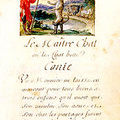
Charles Perrault- was a French author and member of the Académie Française. He laid the foundations for a new literary genre, the fairy tale, with his works derived from pre-existing folk tales. The best known of his tales include Little Red Riding Hood, Cinderella, The Sleeping Beauty. Perrault was an influential figure in the 17th-century French literary scene.
Essay: 10% x 4 = 40%
-
What is children's literature? Are there certain specific characteristics detaching children’s literature from adult’s books? If yes, what are they? If no, why are we here to study this subject?
-includes stories, books, magazines, and poems that are enjoyed by children. Modern children's literature is classified in two different ways: genre or the intended age of the reader. Children's literature can be traced to stories and songs, part of a wider oral tradition, that adults shared with children before publishing existed. As for the second question, I think is yes. The characteristics of children’s literature are, most of the characters in children’s book are children, including childhood events, actions and happenings. The context of children’s literature is more express children’s point of view and the is optimistic, there is always hope and some elements to raise spirit. The use of words is repeat in order to stick with the kids and easy for them to memorize. There’s an obvious characteristic of children’s literature is illustration. Illustration help keep children’s attention and stimulate their imagination, and they help them understand the story.
-
The climax is the high point of the story, where the culmination of events creates the peak of the conflict. In the plot of narrative work, a resolution consists of a series of events that follow the climax, and thus serves as the conclusion of the story, even though not all stories have a resolution. Could you (1) relocate where the climax of Charlotte's Web is and (2) analyze your resolution that (3) associated with the idea of conflicts?
In my opinion, I think the climax of Charlotte’s Web is that Wilbur wins the special price at the country fair. Mr. Zukerman was given 25 dollars, and Wilbur was given a bronze medal. His life has saved. I think the resolution is the end of the story. Although Wilbur’s best friend Charlotte died, he becomes friend with Charlotte’s babies, which choose to stay at the farm. What Charlotte said before her death, she told Wilbur, ‘By helping you, perhaps I was trying to lift up my life a trifle. Heaven knows anyone’s life can stand a little of that.’ These words let Wilbur believes himself, and he knows that Charlotte is always with him.
-
-
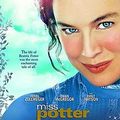
We’ve watched an enchanting film, "Miss Potter," based on the life of Beatrix Potter, the best-selling author of children's books of all time, this semester before the midterm. One of the phrases that opens and ends the whole movie is the voice of the title protagonist, “there's something delicious about writing those first few words of a story. You can never quite tell where they will take you. Mine took me here, where I belong.” Could you paraphrase what that means in the context of your understanding of Miss Potter’s works, life, as well as your life experience and expectation?
-
Who is Mother Goose? Is she real?
-Mother Goose is an iconic figure in literature, associated with both fairy tales and nursery rhymes. The modern American reader may be most familiar with the classic book of short poems called The Real Mother Goose. Many of these poems are well known adaptations of poems or songs for children, long predating the publication of the book. There have been several hypotheses that a real Mother Goose at one point existed. Mother Goose was a reference to any farmer woman who might raise geese, or who might care for children and collect them about her in flocks to tell tales.