1.
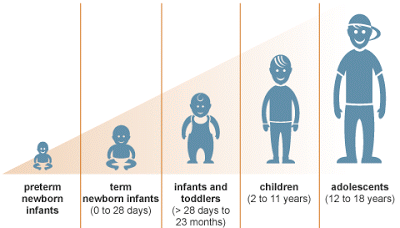
Children development stages:
Infants/Babies (0 – 2 years)
This is a time for developing the bonds that will last a lifetime providing the child with the inner resources to develop self-esteem and the ability to relate positively with others. It is also the time for parents to begin to discover who this new person really is. Each child is unique and it is imperative that parents learn to understand, respect, support and encourage the unique characteristics and abilities of each child.
Toddlers/Preschoolers (2 – 5 years)
When a child takes the first step on his or her own, a new phase in development begins. It is a time for active exploration of their environment. Language development takes major leaps. This is also a stage of rapid physical and intellectual development preparing these children for starting school which includes interacting cooperatively with peers while at the same time being able to compete physically and intellectually.
School Age Children (6 – 12 years)
Watching them try new activities, cheering them on at athletic events and applauding their accomplishments at recitals are usually some of the high points for most parents. However, achieving success is often preceded with frustration and sometimes learning to accept one’s weaknesses as well as celebrating and building on strengths. When will equipped parents can be excellent coaches for their child no matter what the endeavor. However, learning to make good choices and exercise self-discipline does not come easily for many.
Adolescents/Teenagers (13 – 18 years)
There is no doubt that for most families, the teen years present a challenge for both parents and children. It is often fraught with scary body changes, bullying by peers and a new surge for independence. This leads to passive-aggressive behavior, self-consciousness and self-doubt and/or over-confidence and of course moodiness. High School is usually better for most. It is a time to really begin defining one’s self and realistically contemplating the future. Skill development is accelerated to prepare for college or job training programs. Social skills are honed and relationships take on more of a serious nature. Peer pressure is at its max and in today’s teen society there are more tempting sidetracks than ever.
Ignorance is bliss.
-Not knowing is better than knowing and worrying
2.
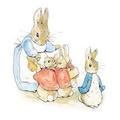
Beatrix Potter- was an English writer, illustrator, natural scientist, and conservationist best known for her children's books featuring animals, such as those in The Tale of Peter Rabbit. Born into a privileged household, Potter was educated by governesses and grew up isolated from other children. She had numerous pets and spent holidays in Scotland and the Lake District, developing a love of landscape, flora and fauna, all of which she closely observed and painted. Though Potter was typical of women of her generation in having limited opportunities for higher education, her study and watercolors of fungi led to her being widely respected in the field of mycology. In her thirties, Potter published the highly successful children's book, The Tale of Peter Rabbit. Potter began writing and illustrating children's books full-time.
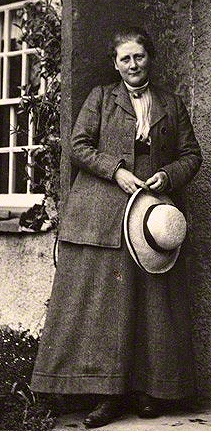
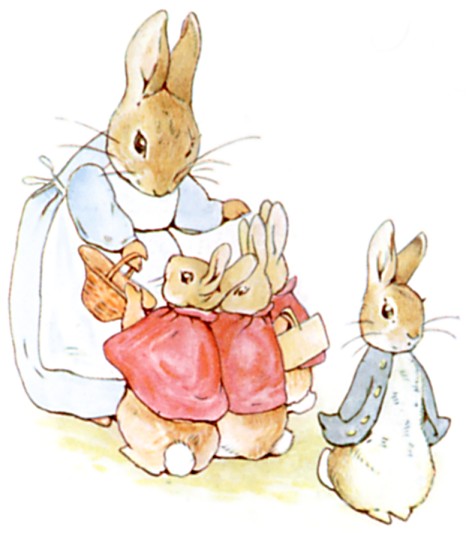
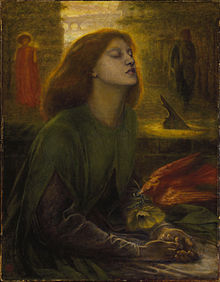
Beatrice (given name) - is a name derived from the French name Béatrice, which came from the Latin Beatrix, which means "she who makes happy”. Beatrice is the Italian language variant. The popularity of the name spread because of Dante Alighieri's poetry about the Florentine woman Beatrice Portinari.The name is rising in popularity in the United Kingdom. It is also gaining popularity in the United States, where it ranked as the 691st most popular name for baby girls born in 2012.
3.
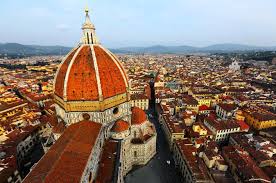
Florence- is the capital city of the Italian region of Tuscany and of the Metropolitan City of Florence. It is the most populous city in Tuscany, with 383,083 inhabitants, expanding to over 1,520,000 in the metropolitan area. Florence was a centre of medieval European trade and finance and one of the wealthiest cities of the time. It is considered the birthplace of the Renaissance, and has been called "the Athens of the Middle Ages". A turbulent political history includes periods of rule by the powerful Medici family, and numerous religious and republican revolutions. From 1865 to 1871 the city was the capital of the recently established Kingdom of Italy.
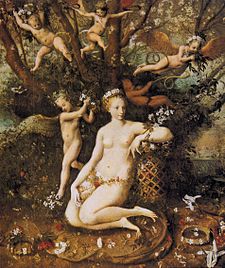
Flora- was a Sabine-derived goddess of flowers and of the season of spring– a symbol for nature and flowers (especially the may-flower). While she was otherwise a relatively minor figure in Roman mythology, being one among several fertility goddesses, her association with the spring gave her particular importance at the coming of springtime, as did her role as goddess of youth.
4.
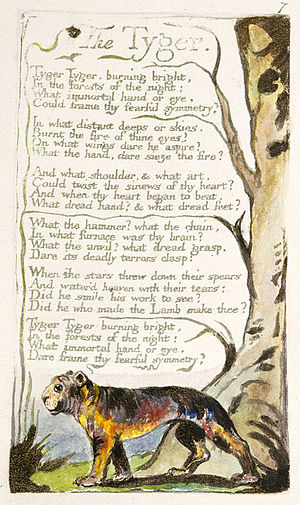
The Tyger by William Blake- is a poem by the English poet William Blake published in 1794 as part of the Songs of Experience collection. Literary critic Alfred Kazin calls it "the most famous of his poems," and The Cambridge Companion to William Blake says it is "the most anthologized poem in English." It is one of Blake's most reinterpreted and arranged works.
5. Term Explanation and Vocabulary
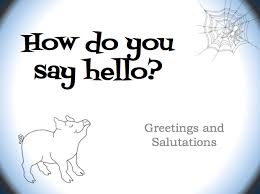
(1) salutation- is a greeting used in a letter or other written or non-written communication. Salutations can be formal or informal. The most common form of salutation in an English letter is dear followed by the recipient's given name or title.
Quotation from Charlotte’s Web-
“And then, just as Wilbur was settling down for his morning nap, he heard again the thin voice that had addressed him the night before.
"Salutations!" said the voice.
Wilbur jumped to his feet. "Salu-what?" he cried.
"Salutations!" repeated the voice.
"What are they, and where are you?" screamed Wilbur. "Please, please, tell me where you are. And what are salutations?"
"Salutations are greetings," said the voice. "When I say 'salutations,' it's just my fancy way of saying hello or good morning.”
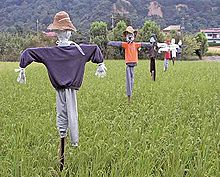
(2) scarecrow- is a decoy or mannequin in the shape of a human. It is usually dressed in old clothes and placed in open fields to discourage birds such as crows or sparrows from disturbing and feeding on recently cast seed and growing crops.
Scare (v.)- cause great fear or nervousness in; frighten
Crow (n.)- a large perching bird with mostly glossy black plumage, a heavy bill, and a raucous voice.
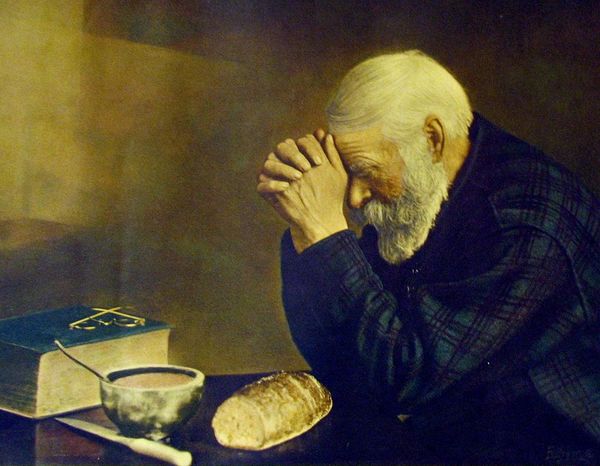
(3) Say Grace (謝飯)- is a short prayer or thankful phrase said before or after eating. The term most commonly refers to Christian traditions. Some traditions hold that grace and thanksgiving imparts a blessing which sanctifies the meal. In English, reciting such a prayer is sometimes referred to as "saying grace".
6.
Keep/Break/Miss the promise (n.).
I promised (v.) to Wilbur.