II. Term explanation: 4% x 5= 20%
1. Bildungsroman-
2. Initiation-
3. fairy tales-
4. nursery rhymes-
5. fables- is a literary genre: a succinct fictional story, in prose or verse, that features animals, legendary creatures, plants, inanimate objects, or forces of nature that are anthropomorphized (given human qualities, such as the ability to speak human language) and that illustrates or leads to a particular moral lesson (a "moral"), which may at the end be added explicitly as a pithy maxim.
IV. Essay: 10% x 2 = 20%
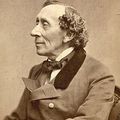
1. The climax of a narrative work is its point of highest tension or drama in which the outcome is made known. Could you relocate where the climax of“The Princess and the Pea”byHans Christian Andersen is and analyze your resolutionassociated with the ideas of conflict?
2. In the West African folktale “Why Mosquitoes Buzz in People's Ears,” retold by author Aardema, a mosquito brags to an iguana that he spied a farmer digging yams as big as mosquitoes. The iguana scoffs at such a notion and refuses to listen to anymore nonsense. Grumbling, he puts sticks in his ears and scuttles off through the reeds and sets off a chain reaction among a myriad of animals inhabiting the same landscape. The iguana offends a friendly python, who shoots down a rabbit hole and terrifies a rabbit. Seeing the rabbit scares a crow overhead, who spreads an alarm that danger is near. When a monkey reacts to the alarm, an owlet is killed, which sets off a wave of grieving in the mother owl so profound that she is unable to wake the sun each day with her hooting. The nights grow longer, and when the King Lion calls a meeting to get to the bottom of the situation, the chain of events is traced back to the source of all the trouble — the pesky mosquito. Finding the culprit satisfies the mother owl, who calls the sun back again. But, alas, the mosquito is forever plagued with a guilty conscience, compelling him to forever be a pest. Discuss thethemesfrom the story that children can relate to their own lives such as the incidents and consequences, cause and effect: What happens when the grumpy iguana goes lumbering off with sticks stuck in his ears? How does one misunderstanding become a big problem? What do you learn about the lion from the way he handled the problem? Have you and a friend ever had a misunderstanding? What happened?