1.
dia- through
diarrhea- is the condition of having at least three loose or liquid bowel movements each day. It often lasts for a few days and can result in dehydration due to fluid loss.
diagnose- is the identification of the nature and cause of a certain phenomenon.
diabetes-any of several disorders characterized by high levels of glucose in the blood and increased
urine production, esp. diabetes mellitus.
2.
di- apart, away
diversity- the quality or condition of being diverse or the condition of having or including people from different ethnicities and social
backgrounds.
dilapidated-having fallen into a state of disrepair or deterioration, as through neglect;
broken-down and shabby.
3.
enterprise- an undertaking, especially one of some scope, complication, and risk.
-a business organization.
-industrious, systematic activity, especially when directed toward profit.
entrepreneur-a person who organizes and manages an enterprise, esp. a business.
4.
impair- to cause to weaken, be damaged, or diminish, as in quality.
impairment- the occurrence of a change for the worse or a symptom of reduced quality or strength.
impaired driving- is the crime of driving a motor vehicle while impaired by alcohol or other drugs (including those prescribed by physicians), to a level that renders the driver incapable of operating a motor vehicle safely.
5.
inte- among
intercollegiate- taking place between or participating in activities between different
colleges or of or representative of two or more colleges.
integral- of or belonging as an essential part of the whole; necessary to completeness; constituent or composed of parts that together constitute a whole.
-entire; complete; whole.
6.
e- out
evacuate-to withdraw or cause to withdraw from (a place of danger) to a place of
greater safety or to make empty by removing the contents of.
eloquent- capable of or characterized by eloquence.
emissary- an agent sent on a mission to represent or advance the interests of another.
7.
chronic fatigue syndrome- is a complex medical condition, characterized by long-term fatigue and other symptoms. These symptoms are to such a degree that they limit a person's ability to carry out ordinary daily activities. Biological, genetic, infectious, and psychological mechanisms have been proposed, but the cause is not understood. The fatigue of CFS is not due to ongoing exertion, is not much relieved by rest, and is not due to any other medical condition. Diagnosis is based on a patient's signs and symptoms.
8.
existentialism- is a term applied to the work of certain late 19th- and 20th-century European philosophers who, despite profound doctrinal differences, shared the belief that philosophical thinking begins with the human subject—not merely the thinking subject, but the acting, feeling, living human individual. While the supreme value of existentialist thought is commonly acknowledged to be freedom, its primary virtue is authenticity. In the view of the existentialist, the individual's starting point is characterized by what has been called "the existential attitude", or a sense of disorientation and confusion in the face of an apparently meaningless or absurd world. Many existentialists have also regarded traditional systematic or academic philosophies, in both style and content, as too abstract and remote from concrete human experience.
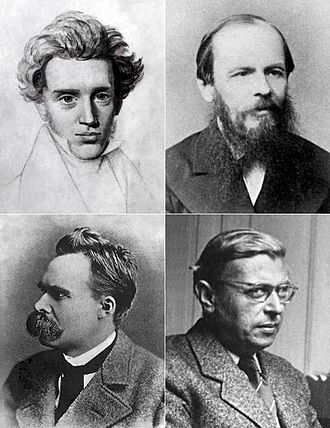
existentialists:
Kierkegarrd, Dostoyevsky
Nietzsche, Sartre
9.
SOP: Standard Operation Procedure - is used in a variety of different contexts, including healthcare, aviation, engineering, education, industry, military and civil servants.