1.The three epic poems:
The Iliad, The Odyssey, The Aeneid
2.Homer-The Iliad
(1)characters:
The Trojans-Paris(prince of the Troy)
Priam(king of the Troy)
Hector(the doomed Trojan hero)
The Achaeans-Agamemnon(Helen's brother)
Menelaus(Helen's husband)
Achilles(the fastest runner and best fighter)
Odysseus(the cleverest)
Patroculus(Achilles' friend)
Helen(from Sparta, a price gave to Paris)
(2)The Iliad, begins when the war is already in the tenth year.
3.fatal woman(femme fatale)
-The femme fatale archetype exists in the culture, folklore and myth of many cultures. Ancient mythical or legendary examples include Mohini, Lilith, the Sirens, the Sphinx, Scylla, Aphrodite, Circe, Medea, Lesbia, Helen of Troy and Visha Kanyas.
4.
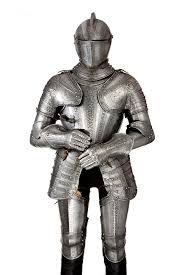
armour -is a protective covering that is used to prevent damage from being inflicted to an object, individual, or vehicle by direct contact weapons or projectiles, usually during combat, or from damage caused by a potentially dangerous environment or action (e.g., cycling, construction sites, etc.).
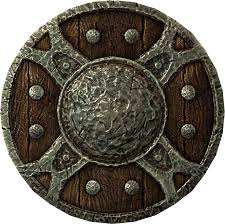
shield- is a type of personal armor, meant to intercept attacks, either by stopping projectiles such as arrows or redirecting a hit from as word, mace, battle axe or similar weapon to the side of the shield-bearer.
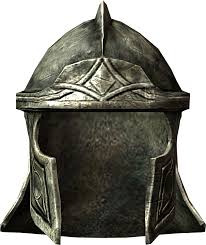
helmet- is a form of protective gear worn to protect the head from injuries. The oldest known use of helmets was by Assyrian soldiers in 900BC, who wore thick leather or bronze helmets to protect the head from blunt object and sword blows and arrow strikes in combat. Soldiers still wear helmets, now often made from lightweight plastic materials.
5.vocabulary
(1)com-together, common
combat-fighting during the war.
competition-the activities of people that are trying to get something that other people also want.
(2)vok, voc-to call
provoke- to cause someone to become annoyed or angry.
evoke- to cause the manifestation of something in someone's mind or imagination.



限會員,要發表迴響,請先登入


