1.
Theme- is the central topic of a text treats. Theme can be divided into two categories: a work's thematic concept is what readers ''think the work is about'' and its thematic statement being ''what the work is about the subject''. The most common contemporary understanding of theme is an idea or point that is central to a story, which can often be summed in a single word. Typical examples of the theme of his type are conflict between the individual and society; coming of age; humans in conflict with technology. A theme may be exemplified by the actions, utterances, or thought of a character in a novel.
2.
There major genre of literature: fiction, poetry, drama
fiction- is the classification for any story created by the imagination, rather than based strictly on history or fact. Fiction can be expressed in a variety of formats, including writings, live performance, films, television programs, video games, though the term originally and most commonly refers to the major narrative forms of literature, including the novel, novella, short story and play.
poetry- is a form of literature that uses aesthetic and rhythmic qualities of language—such as phonaesthetics, sound symbolism, and metre—to evoke meanings in addition to, or in place of, the prosaic ostensible meaning.
drama- is the specific mode of narrative, typically fictional, represented in performance. The term "drama" can refer to any kind of dramatic performance, including film, radio play ,television play, and closet drama, however, this article is concerned solely with the enactment of a play in a theatre, performed by actors, on a stage, before an audience. Unlike other forms of literature the structure of dramatic texts is directly influenced by this collaborative mode of production and a collective form of reception.
3.
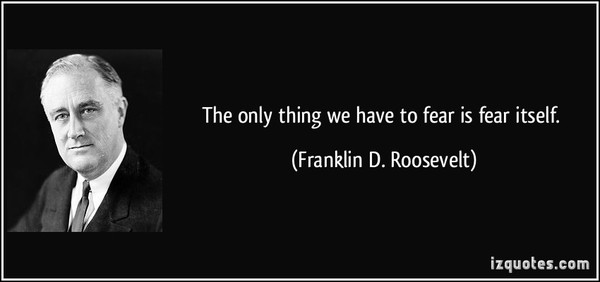
''The only thing we have to fear is fear itself.''
-Franklin Roosevelt
→ After taking the oath of office, Roosevelt proceeded to deliver his 1,883-word, 20 minute-long inaugural address, best known for his famously pointed reference to "fear itself"in one of its first lines.
inauguration- is a formal ceremony to mark the beginning of a major public leader's term of office. The "inaugural address" is a speech given during this ceremony which informs the people of his/her intentions as a leader.
4.
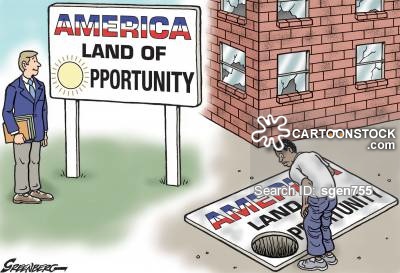
American Dream( The land of Opportunity )
- is a national ethos of the United States, the set of ideals (Democracy, Rights, Liberty, Opportunity, and Equality) in which freedom includes the opportunity for prosperity and success, and an upward social mobility for the family and children, achieved through hard work in a society with few barriers. In the definition of the American Dream by James Truslow Adams in 1931, "life should be better and richer and fuller for everyone, with opportunity for each according to ability or achievement" regardless of social class or circumstances of birth.
5.
Term Explanation and Vocabulary
(1)ann- year
annuity- the annual payment of an allowance or income.
annual-recurring, done, or performed every year; yearly.
anniversary-the annually recurring date of a past event, as of personal
or historical importance.
(2)-gen: something produced
generator-one that generates, especially a machine that converts mechanical energy
into electrical energy.
genesis- the coming into being of something; the origin.
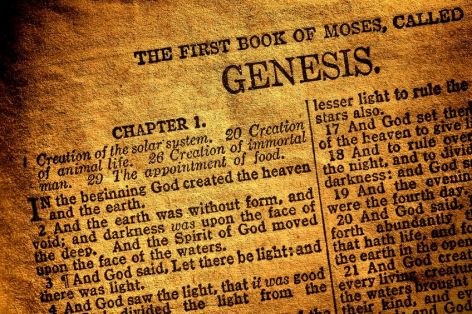
Genesis(Book of Genesis)- is the first book of the Hebrew Bible (the Tanakh) and the Christian Old Testament. The basic narrative expresses the central theme: God creates the world (along with creating the first man and woman) and appoints man as his regent, but man proves disobedient and God destroys his world through the Flood.
(3)
SARS: Severe Acute Respiratory Syndrome
acute- reacting readily to stimuli or impressions; sensitive.
chronic-lasting for a long period of time or marked by frequent recurrence,
as certain diseases.