dis-
(assimilated as dif- before -f-, to di- before most voiced consonants), word-forming element meaning 1. "lack of, not" (as in dishonest); 2. "do the opposite of" (as in disallow); 3. "apart, away" (as in discard), from Old French des- or directly from Latin dis- "apart, in a different direction, between," figuratively "not, un-," also "exceedingly, utterly," from PIE *dis- "apart, asunder" (source also of Old English te-, Old Saxon ti-, Old High German ze-, German zer-).
The PIE root is a secondary form of *dwis- and thus is related to Latin bis "twice" (originally *dvis) and to duo, on notion of "two ways, in twain."
In classical Latin, dis- paralelled de- and had much the same meaning, but in Late Latin dis- came to be the favored form and this passed into Old French as des-, the form used for new compound words formed in Old French, where it increasingly had a privative sense ("not").
In English, many of these words eventually were altered back to dis-, while in French many have been altered back to de-. The usual confusion prevails.
*discourage (v.)
mid-15c., discoragen, from Middle French descourager, from Old French descoragier, from des- "away" (see dis-) + corage (see courage). Related: Discouraged; discouragement; discouraging.
*dismiss (v.)
early 15c., from Latin dimissus, past participle of dimittere "send away, send different ways; break up, discharge; renounce, abandon," from dis- "apart, away" (see dis-) + mittere "send, let go" (see mission). Prefix altered by analogy with many dis- verbs. Dismit, in the same sense, is attested from late 14c. Related: Dismissed; dismissing. Mythology (book)
Timeless Tales of Gods and Heroes is a book written by Edith Hamilton, published in 1942 by Little, Brown and Company. It has been reissued since then by several publishers. It retells stories of Greek, Roman, and Norse mythology drawn from a variety of sources. The introduction includes commentary on the major classical poets used as sources, and on how changing cultures have led to changing characterizations of the deities and their myths. It is frequently used in high schools and colleges as an introductory text to ancient mythology and belief.

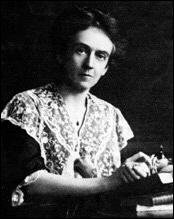
Edith Hamilton
Edith Hamilton (August 12, 1867 – May 31, 1963) was an American educator and author who was "recognized as the greatest woman Classicist." She was 62 years old when The Greek Way, her first book, was published in 1930. It was instantly successful, and is the earliest expression of her belief in "the calm lucidity of the Greek mind" and "
inclement (adj.)
1660s, from French inclément (16c.) and directly from Latin inclementem (nominative inclemens) "harsh, unmerciful," from in- "not, opposite of, without" (see in- (1)) + clementem "mild, placid." "Limitation to weather is curious" [Weekley].
peruse (v.)
late 15c., "use up, wear out, go through," from Middle English per- "completely" (see per) + use (v.). Meaning "read carefully" is first recorded 1530s, but this could be a separate formation. Meaning "read casually" is from 19c. Related: Perused; perusing.
premonition (n.)
mid-15c., from Anglo-French premunition, Middle French premonicion, from Late Latin praemonitionem (nominative praemonitio) "a forewarning," noun of action from past participle stem of Latin praemonere "forewarn," from prae "before" (see pre-) + monere "to warn" (see monitor (n.))
desist (v.)
mid-15c., from Middle French désister (mid-14c.), from Latin desistere "to stand aside, leave off, cease," from de- "off" (see de-) + sistere "stop, come to a stand" (see assist). Related: Desisted; desisting.
recoil (n.)
c. 1300, "retreat," from Old French recul "recoil, backward movement, retreat," from reculer (see recoil (v.)). Meaning "back-kick of a firearm" is from 1570s.
pertinent (adj.)
late 14c., from Anglo-French purtinaunt (late 13c.), Old French partenant (mid-13c.) and directly from Latin pertinentem (nominative pertinens) "pertaining," present participle of pertinere "to relate, concern" (see pertain). Related: Pertinently.
mastiff (n.)
large, powerful breed of dog, early 14c., from Old French mastin "great cur, mastiff" (Modern French mâtin) or Provençal mastis, both from Vulgar Latin *mansuetinus "domesticated, tame," from Latin mansuetus "tame, gentle" (see mansuetude). Probably originally meaning a dog that stays in the house, thus a guard-dog or watchdog. Form in English perhaps influenced by Old French mestif "mongrel."
obsess (v.)
c. 1500, "to besiege," from Latin obsessus, past participle of obsidere "watch closely; besiege, occupy; stay, remain, abide" literally "sit opposite to," from ob "against" (see ob-) + sedere "sit" (see sedentary). Of evil spirits, "to haunt," from 1530s. Psychological sense is 20c. Related: Obsessed; obsessing.
doleful (adj.)
late 13c., with -ful, from Middle English dole "grief" (early 13c.), from Old French doel (Modern French deuil), from Late Latin dolus "grief," from Latin dolere "suffer, grieve," which is of uncertain origin. De Vaan reports that it can be derived from a PIE root *delh- "to chop" "under the assumption that 'pain' was expressed by the feeling of 'being torn apart'. A causative *dolh-eie- 'to make somebody (feel) split' could have become 'to cause pain'. The experiencer must originally have been expressed in the dative." Related: Dolefully.
wan (adj.)
Old English wann "dark, dusky, lacking luster," later "leaden, pale, gray," of uncertain origin, and not found in other Germanic languages. The connecting notion is colorlessness. Perhaps related to wane. Related: Wanly; wanness.
histrionics (n.)
"theatrics, pretense," 1820, from histrionic; also see -ics.
elusive (adj.)
1719, from Latin elus-, past participle stem of eludere "elude, frustrate" (see elude) + -ive. Related: Elusiveness
frustrate (v.)
mid-15c., from Latin frustratus, past participle of frustrari "to deceive, disappoint, make vain," from frustra (adv.) "in vain, in error," related to fraus "injury, harm" (see fraud). Related: Frustrated; frustrating.
symptomatic (adj.)
1690s, from French symptomatique or directly from Late Latin symptomaticus, from symptomat-, stem of symptoma (see symptom). General sense of "indicative (of)" is from 1751. Related: Symptomatical (1580s).
interject (v.)
1570s, back-formation from interjection or else from Latin interiectus, past participle of intericere "to throw between, insert, interject." Related: Interjected; interjecting.
inert (adj.)
1640s, "without inherent force, having no power to act or respond," from French inerte (16c.) or directly from Latin inertem (nominative iners) "unskilled, incompetent; inactive, helpless, weak, sluggish; worthless," used of stagnant fluids, uncultivated pastures, expressionless eyes. It is a compound of in- "without, not, opposite of" (see in- (1)) + ars (genitive artis) "skill" (see art (n.)). In chemistry, "having no active properties, neutral" (1800), specifically from 1885 of certain chemically inactive, colorless, odorless gases. Of persons or creatures, "indisposed or unable to move or act," from 1774.
salient (adj.)
1560s, "leaping," a heraldic term, from Latin salientem (nominative saliens), present participle of salire "to leap," from PIE root *sel- (4) "to jump" (source also of Greek hallesthai "to leap," Middle Irish saltraim "I trample," and probably Sanskrit ucchalati "rises quickly").
imminent (adj.)
1520s, from Middle French imminent (14c.) and directly from Latin imminentem (nominative imminens) "overhanging; impending," present participle of imminere "to overhang, lean towards," hence "be near to," also "threaten, menace, impend, be at hand, be about to happen," from assimilated form of in- "into, in, on, upon" (see in- (2)) + -minere "jut out," which is related to mons "hill" (see mount (n.1)). Related: Imminently.
squeamish (adj.)
late 14c., variant (with -ish) of squoymous "disdainful, fastidious" (early 14c.), from Anglo-French escoymous, which is of unknown origin. Related: Squeamishly; squeamishness.
engross (v.)
c. 1400, "to buy up the whole stock of" (in Anglo-French from c. 1300), from Old French en gros "in bulk, in a large quantity, at wholesale," as opposed to en detail. See gross.
inundate (v.)
1620s, back-formation from inundation, or else from Latin inundatus, past participle of inundare "to overflow, run over" (source also of Spanish inundar, French inonder). Related: Inundated; inundating.
fruitless (adj.)
mid-14c., "unprofitable," from fruit + -less. Meaning "barren, sterile" is from 1510s. Related: Fruitlessly; fruitlessness.
poignant (adj.)
late 14c., "painful to physical or mental feeling" (of sauce, spice, wine as well as things that affect the feelings), from Old French poignant "sharp, pointed" (13c.), present participle of poindre "to prick, sting," from Latin pungere "to prick, pierce, sting," figuratively, "to vex, grieve, trouble, afflict," related to pugnus "a fist" (see pugnacious). Related: Poignantly.
garbled (adj.)
by 1620s of spices; by 1774 of language; past-participle adjective from garble (v.).
sanguine (adj.)
"blood-red," late 14c. (late 12c. as a surname), from Old French sanguin (fem. sanguine), from Latin sanguineus "of blood," also "bloody, bloodthirsty," from sanguis (genitive sanguinis) "blood" (see sanguinary). Meaning "cheerful, hopeful, confident" first attested c. 1500, because these qualities were thought in medieval physiology to spring from an excess of blood as one of the four humors. Also in Middle English as a noun, "type of red cloth" (early 14c.).
phlegmatic (adj.)
"cool, calm, self-possessed," and in a more pejorative sense, "cold, dull, apathetic," 1570s, from literal sense "abounding in phlegm (as a bodily humor)" (mid-14c., fleumatik), from Old French fleumatique (13c., Modern French flegmatique), from Late Latin phlegmaticus, from Greek phlegmatikos "abounding in phlegm" (see phlegm).
corroborate (v.)
1530s, "to give (legal) confirmation to," from Latin corroboratus, past participle of corroborare "to strengthen, invigorate," from assimilated form of com "with, together," here perhaps as "thoroughly" (see com-) + roborare "to make strong," from robur, robus "strength," (see robust).
comprehensible (adj.)
1520s, "able to be contained," from Latin comprehensibilis, from comprehensus, past participle of comphrehendere (see comprehend). Meaning "able to be understood" is from c. 1600. Related: Comprehensibly; comprehensibility.
zealous (adj.)
"full of zeal" (in the service of a person or cause), 1520s, from Medieval Latin zelosus "full of zeal" (source of Italian zeloso, Spanish celoso), from zelus (see zeal). The sense "fervent, inspired" was earlier in English in jealous (late 14c.), which is the same word but come up through French. Related: Zealously, zealousness.
coerce (v.)
mid-15c., cohercen, from Middle French cohercer, from Latin coercere "to control, restrain, shut up together," from com- "together" (see co-) + arcere "to enclose, confine, contain, ward off," from PIE *ark- "to hold, contain, guard" (see arcane). Related: Coerced; coercing. No record of the word between late 15c. and mid-17c.; its reappearance 1650s is perhaps a back-formation from coercion.
elapse (v.)
1640s, from Middle French elapser, from Latin elapsus, past participle of elabi "slip or glide away, escape," from ex "out, out of, away" (see ex-) + labi "to slip, glide" (see lapse (n.)). The noun now corresponding to elapse is lapse, but elapse (n.) was in recent use. Related: Elapsed; elapsing.
meticulous (adj.)
1530s, "fearful, timid," from Latin meticulosus "fearful, timid," literally "full of fear," from metus "fear, dread, apprehension, anxiety," of unknown origin. Sense of "fussy about details" is first recorded in English 1827, from French méticuleux "timorously fussy" [Fowler attributes this use in English to "literary critics"], from the Latin word. Related: Meticulosity.
domicile (n.)
mid-15c., from Middle French domicile (14c.), from Latin domicilium, perhaps from domus "house" (see domestic) + colere "to dwell" (see colony). As a verb, it is first attested 1809. Related: Domiciled; domiciliary.
lax (adj.)
c. 1400, "loose" (in reference to bowels), from Latin laxus "wide, spacious, roomy," figuratively "loose, free, wide" (also used of indulgent rule and low prices), from PIE *lag-so-, suffixed form of root *(s)lēg- "to be slack, be languid" (source also of Greek legein "to leave off, stop," lagos "hare," literally "with drooping ears," lagnos "lustful, lascivious," lagaros "slack, hollow, shrunken;" Latin languere "to be faint, weary," languidis "faint, weak, dull, sluggish, languid").
sporadic (adj.)
1680s, from Medieval Latin sporadicus "scattered," from Greek sporadikos "scattered," from sporas (genitive sporados) "scattered, dispersed," from spora "a sowing" (see spore). Originally a medical term, "occurring in scattered instances;" the meaning "happening at intervals" is first recorded 1847. Related: Sporadical (1650s); sporadically.
rash (n.)
"eruption of small red spots on skin," 1709, perhaps from French rache "a sore" (Old French rasche "rash, scurf"), from Vulgar Latin *rasicare "to scrape" (also source of Old Provençal rascar, Spanish rascar "to scrape, scratch," Italian raschina "itch"), from Latin rasus "scraped," past participle of radere "to scrape" (see raze). The connecting notion would be of itching. Figurative sense of "any sudden outbreak or proliferation" first recorded 1820.
conjecture (v.)
early 15c., from conjecture (n.). In Middle English also with a parallel conjecte (n.), conjecten (v.). Related: Conjectured; conjecturing.
obviate (v.)
1590s, "to meet and do away with," from Late Latin obviatus, past participle of obviare "act contrary to, go against," from Latin obvius "that is in the way, that moves against" (see obvious). Related: Obviated; obviating.
lurid (adj.)
1650s, "pale, wan," from Latin luridus "pale yellow, ghastly, the color of bruises," a word of uncertain origin and etymology, perhaps cognate with Greek khloros "pale green, greenish-yellow" (see Chloe), or connected to Latin lividus (see livid).
quip (v.)
"make a quip," 1570s, from quip (n.). Related: Quipped; quipping.
diatribe (n.)
1640s (in Latin form in English from 1580s), "discourse, critical dissertation," from French diatribe (15c.), from Latin diatriba "learned discussion," from Greek diatribe "employment, study," in Plato, "discourse," literally "a wearing away (of time)," from dia- "away" (see dia-) + tribein "to wear, rub," from PIE root *tere- (1) "to rub, turn, twist" (see throw (v.)). Sense of "invective" is 1804, apparently from French.
inhibition (n.)
late 14c., "formal prohibition; interdiction of legal proceedings by authority;" also, the document setting forth such a prohibition, from Old French inibicion and directly from Latin inhibitionem (nominative inhibitio) "a restraining," from past participle stem of inhibere "to hold in, hold back, keep back," from in- "in, on" (see in- (2)) + habere "to hold" (see habit (n.)). Psychological sense of "involuntary check on an expression of an impulse" is from 1876.
fortuitous (adj.)
1650s, from Latin fortuitus "happening by chance, casual, accidental," from forte "by chance," ablative of fors "chance" (related to fortuna; see fortune). It means "accidental, undesigned" not "fortunate." Earlier in this sense was fortuit (late 14c.), from French. Related: Fortuitously; fortuitousness.
incoherent (adj.)
1620s, "without coherence" (of immaterial or abstract things, especially thought or language), from in- (1) "not, opposite of" + coherent. As "without physical coherence" from 1690s. Related: Incoherently.
ilk (adj.)
Old English ilca "the same" (pron.), from Proto-Germanic *ij-lik (compare German eilen), in which the first element is from the PIE demonstrative particle *i- (see yon) and the second is that in Old English -lic "form" (see like (adj.)). Of similar formation are each, which and such, but this word disappeared except in Scottish and thus did not undergo the usual southern sound changes. Phrase of that ilk implies coincidence of name and estate, as in Lundie of Lundie; it was applied usually to families, so that by c. 1790 ilk began to be used with the meaning "family," then broadening to "type, sort."
prestigious (adj.)
1540s, "practicing illusion or magic, deceptive," from Latin praestigious "full of tricks," from praestigiae "juggler's tricks," probably altered by dissimilation from praestrigiae, from praestringere "to blind, blindfold, dazzle," from prae "before" (see pre-) + stringere "to tie or bind" (see strain (v.)). Derogatory until 19c.; meaning "having dazzling influence" is attested from 1913 (see prestige). Related: Prestigiously; prestigiousness.
placard (n.)
late 15c., "formal document authenticated by an affixed seal," from Middle French placquard "official document with a large, flat seal," also "plate of armor," from Old French plaquier "to lay on, cover up, plaster over," from Middle Dutch placken "to patch (a garment), to plaster," related to Middle High German placke "patch, stain," German Placken "spot, patch." Meaning "poster" first recorded 1550s in English; this sense is in Middle French from 15c.
integral (adj.)
late 15c., "of or pertaining to a whole; intrinsic, belonging as a part to a whole," from Middle French intégral (14c.), from Medieval Latin integralis "forming a whole," from Latin integer "whole" (see integer). Related: Integrally. As a noun, 1610s, from the adjective.
remuneration (n.)
c. 1400, from Middle French remuneration and directly from Latin remunerationem (nominative remuneratio) "a repaying, recompense," noun of action from past participle stem of remunerari "to pay, reward," from re- "back" (see re-) + munerari "to give," from munus (genitive muneris) "gift, office, duty" (see municipal).
nominal (adj.)
early 15c., "pertaining to nouns," from Latin nominalis "pertaining to a name or names," from nomen (genitive nominis) "name," cognate with Old English nama (see name (n.)). Meaning "of the nature of names" (in distinction to things) is from 1610s. Meaning "being so in name only" first recorded 1620s
expunge (v.)
c. 1600, from Latin expungere "prick out, blot out, mark (a name on a list) for deletion" by pricking dots above or below it, literally "prick out," from ex- "out" (see ex-) + pungere "to prick, pierce," related to pugnus "a fist" (see pugnacious). According to OED, taken by early lexicographers in English to "denote actual obliteration by pricking;" it adds that the sense probably was influenced by sponge (v.). Related: Expunged; expunging; expungible.
flamboyant (adj.)
1832, originally in reference to a 15c.-16c. architectural style with wavy, flame-like curves, from French flamboyant "flaming, wavy," present participle of flamboyer "to flame," from Old French flamboiier "to flame, flare, blaze, glow, shine" (12c.), from flambe "a flame, flame of love," from flamble, variant of flamme, from Latin flammula "little flame" (see flame (n.)). Extended sense of "showy, ornate" is from 1879. Related: Flamboyantly.
anathema (n.)
1520s, "an accursed thing," from Latin anathema "an excommunicated person; the curse of excommunication," from Ecclesiastical Greek anathema "a thing accursed," a slight variation of classical Greek anathāma, which meant merely "a thing devoted," literally "a thing set up (to the gods)," such as a votive offering in a temple, from ana "up" (see ana-) + tithenai "to put, place" (see theme).
schism (n.)
late 14c., scisme, "dissention within the church," from Old French scisme, cisme "a cleft, split" (12c.), from Church Latin schisma, from Greek skhisma (genitive skhismatos) "division, cleft," in New Testament applied metaphorically to divisions in the Church (I Corinthians xii.25), from stem of skhizein "to split" (see shed (v.)). Spelling restored 16c., but pronunciation unchanged. Often in reference to the Great Schism (1378-1417) in the Western Church.
utopia (n.)
1551, from Modern Latin Utopia, literally "nowhere," coined by Thomas More (and used as title of his book, 1516, about an imaginary island enjoying the utmost perfection in legal, social, and political systems), from Greek ou "not" + topos "place" (see topos). Extended to any perfect place by 1610s. Commonly, but incorrectly, taken as from Greek eu- "good" (see eu-) an error reinforced by the introduction of dystopia.
timorous (adj.)
early 15c., from Middle French timoureus (14c.), from Medieval Latin timorosus "fearful," from Latin timor "fear, dread, apprehension, anxiety; religious awe, reverence," from timere "to fear, be afraid, dread," of unknown origin. Some early senses in English seem to show confusion with Middle English temerous "rash" (see temerity). Related: Timorously; timorousness.
truncated (adj.)
late 15c., past participle adjective from truncate. Originally in heraldry; modern senses are post-1700.
jaunty (adj.)
also janty, jantee, etc., 1660s, "elegant, stylish," an imperfect or jocular attempt to render into English the contemporary pronunciation of French gentil "nice, pleasing," in Old French "noble" (see gentle). Meaning "easy and sprightly in manner" first attested 1670s. The same French word otherwise was Englished as genteel. Related: Jauntily; jauntiness.
fractious (adj.)
"apt to quarrel," 1725, from fraction in an obsolete sense of "a brawling, discord" (c. 1500) + -ous; probably on model of captious. Related: Fractiously; fractiousness.
ostentatious (adj.)
1701, from ostentation + -ous. Earlier in a similar sense were ostentative (c. 1600); ostentive (1590s). Related: Ostentatiously; ostentatiousness (1650s).
限會員,要發表迴響,請先登入


