Class Notes
1. Term Explanation
(1). fiction: Stories or narritives about imaginary persons and events. Fiction is divided into three major subgenres based on length-novel, novelle and short story.
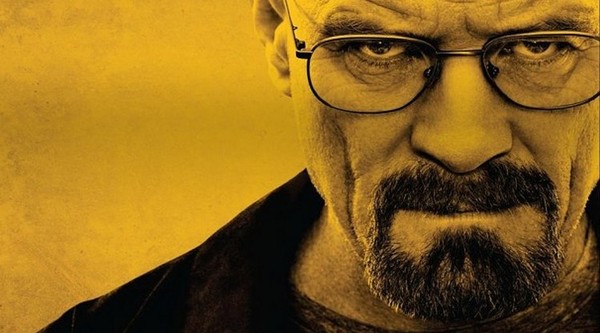
(2)protagonist: Protagonist, (meaning player of the first part, chief actor) or main character is a narrative's central or personal primary figure, who comes into conflict with an opposing major character or force.
(3)antihero: An antihero is a protagonist who is the opposite of a traditional hero and lacks the conventional heroic qualities, such as idealism, courage, or morality.
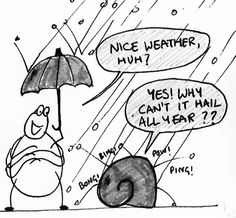
(4). irony: Irony is a literary technique or events in which what appears to be a case superficially differs radically from what actually the case is. Irony has three categories- verbal, ddramatic and situational.
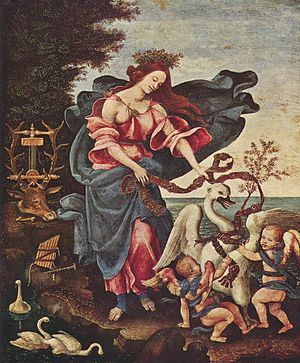
(5). allegory: As a literary device, allegory is a metophor to some extent, and it has been used widely through history in all forms of art, largely because it can readily illustrate complex ideas and concepts in ways that are comprehensible and striking to its viewers, readers, or listeners. Alleegories are used as literary devices or rhetorical devices that convey hidden meanings through symbolic figures, actions, imagery or events, which together create the moral, spiritual or political meaning the author wishes to convey.
2. Quiz about fiction
(1) From what other genres did the novel originate?
prose romance and travel writing.
(2) The voice that tells audience a fictional story is referred to as
the narrator.
(3) What is the rising action of a fictional plot?
a series of troubling events that leads to the plot's major conflicts.
(4) Which of the following desccribes a flat character?
a character who speaks and behaves in prredictable and repetitive ways.
(5) Why did the short story become a popular genre during the nineteenth century?
the rise of periodicals like newspapers and magazines meant that more space was available for publication of short stories.
(6) The setting of the story is
the time and place in which the story is set.
(7) How is the plot of a story different from its action?
the action is merely the events in a story, whereas the plot involves the way the author recounts the events to shape readers' response.
(8) How is an antihero distinguished from a conventional protagonist?
the antihero is a protagonist who does not act in typically a heroic way.
(9) Which of the following most approriately defines a story's theme?
a story's central idea or message.
(10)What is historical fiction?
fiction that incorporates real people and events.
(11)How do symboles function within an allegory?
they set up a series of correspondences throughout the entire work, often for a specific moral religious purpose.
(12)Which of the following is the correct definition of novella?
a work of fiction about 17,000 to 40,000 words, which focuses on one character.
限會員,要發表迴響,請先登入


