Introduction – Company Background
GuangXin Industrial Co., Ltd. is a specialized manufacturer dedicated to the development and production of high-quality insoles.
With a strong foundation in material science and footwear ergonomics, we serve as a trusted partner for global brands seeking reliable insole solutions that combine comfort, functionality, and design.
With years of experience in insole production and OEM/ODM services, GuangXin has successfully supported a wide range of clients across various industries—including sportswear, health & wellness, orthopedic care, and daily footwear.
From initial prototyping to mass production, we provide comprehensive support tailored to each client’s market and application needs.
At GuangXin, we are committed to quality, innovation, and sustainable development. Every insole we produce reflects our dedication to precision craftsmanship, forward-thinking design, and ESG-driven practices.
By integrating eco-friendly materials, clean production processes, and responsible sourcing, we help our partners meet both market demand and environmental goals.
Core Strengths in Insole Manufacturing
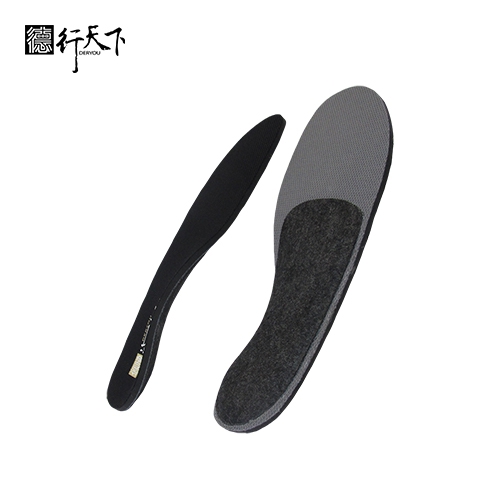
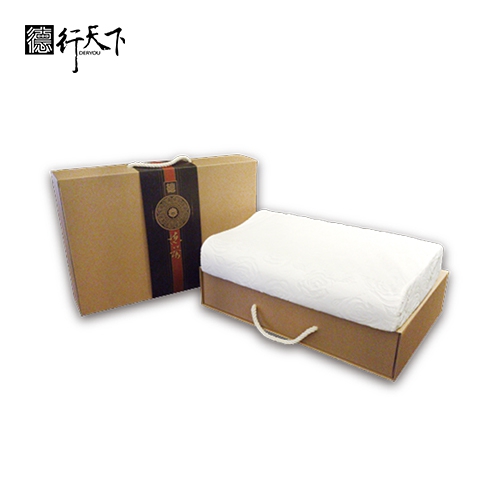
At GuangXin Industrial, our core strength lies in our deep expertise and versatility in insole and pillow manufacturing. We specialize in working with a wide range of materials, including PU (polyurethane), natural latex, and advanced graphene composites, to develop insoles and pillows that meet diverse performance, comfort, and health-support needs.
Whether it's cushioning, support, breathability, or antibacterial function, we tailor material selection to the exact requirements of each project-whether for foot wellness or ergonomic sleep products.
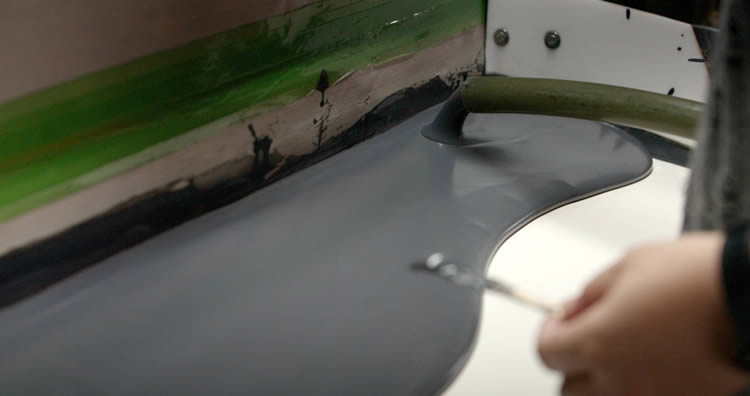
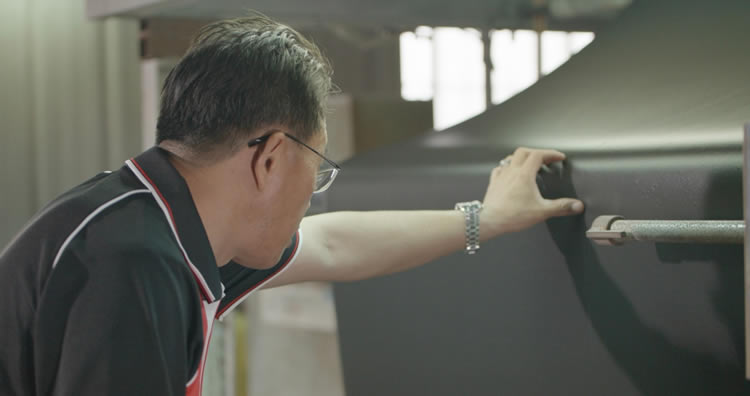
We provide end-to-end manufacturing capabilities under one roof—covering every stage from material sourcing and foaming, to precision molding, lamination, cutting, sewing, and strict quality control. This full-process control not only ensures product consistency and durability, but also allows for faster lead times and better customization flexibility.
With our flexible production capacity, we accommodate both small batch custom orders and high-volume mass production with equal efficiency. Whether you're a startup launching your first insole or pillow line, or a global brand scaling up to meet market demand, GuangXin is equipped to deliver reliable OEM/ODM solutions that grow with your business.
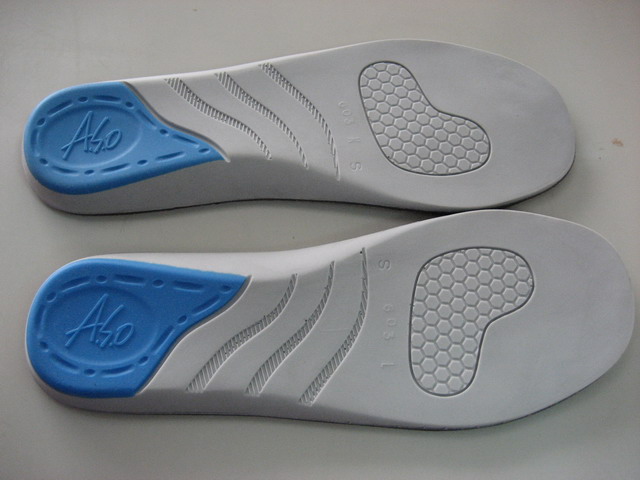
Customization & OEM/ODM Flexibility
GuangXin offers exceptional flexibility in customization and OEM/ODM services, empowering our partners to create insole products that truly align with their brand identity and target market. We develop insoles tailored to specific foot shapes, end-user needs, and regional market preferences, ensuring optimal fit and functionality.
Our team supports comprehensive branding solutions, including logo printing, custom packaging, and product integration support for marketing campaigns. Whether you're launching a new product line or upgrading an existing one, we help your vision come to life with attention to detail and consistent brand presentation.
With fast prototyping services and efficient lead times, GuangXin helps reduce your time-to-market and respond quickly to evolving trends or seasonal demands. From concept to final production, we offer agile support that keeps you ahead of the competition.
Quality Assurance & Certifications
Quality is at the heart of everything we do. GuangXin implements a rigorous quality control system at every stage of production—ensuring that each insole meets the highest standards of consistency, comfort, and durability.
We provide a variety of in-house and third-party testing options, including antibacterial performance, odor control, durability testing, and eco-safety verification, to meet the specific needs of our clients and markets.
Our products are fully compliant with international safety and environmental standards, such as REACH, RoHS, and other applicable export regulations. This ensures seamless entry into global markets while supporting your ESG and product safety commitments.
ESG-Oriented Sustainable Production
At GuangXin Industrial, we are committed to integrating ESG (Environmental, Social, and Governance) values into every step of our manufacturing process. We actively pursue eco-conscious practices by utilizing eco-friendly materials and adopting low-carbon production methods to reduce environmental impact.
To support circular economy goals, we offer recycled and upcycled material options, including innovative applications such as recycled glass and repurposed LCD panel glass. These materials are processed using advanced techniques to retain performance while reducing waste—contributing to a more sustainable supply chain.
We also work closely with our partners to support their ESG compliance and sustainability reporting needs, providing documentation, traceability, and material data upon request. Whether you're aiming to meet corporate sustainability targets or align with global green regulations, GuangXin is your trusted manufacturing ally in building a better, greener future.
Let’s Build Your Next Insole Success Together
Looking for a reliable insole manufacturing partner that understands customization, quality, and flexibility? GuangXin Industrial Co., Ltd. specializes in high-performance insole production, offering tailored solutions for brands across the globe. Whether you're launching a new insole collection or expanding your existing product line, we provide OEM/ODM services built around your unique design and performance goals.
From small-batch custom orders to full-scale mass production, our flexible insole manufacturing capabilities adapt to your business needs. With expertise in PU, latex, and graphene insole materials, we turn ideas into functional, comfortable, and market-ready insoles that deliver value.
Contact us today to discuss your next insole project. Let GuangXin help you create custom insoles that stand out, perform better, and reflect your brand’s commitment to comfort, quality, and sustainability.
🔗 Learn more or get in touch:
🌐 Website: https://www.deryou-tw.com/
📧 Email: shela.a9119@msa.hinet.net
📘 Facebook: facebook.com/deryou.tw
📷 Instagram: instagram.com/deryou.tw
Indonesia anti-bacterial pillow ODM design
Are you looking for a trusted and experienced manufacturing partner that can bring your comfort-focused product ideas to life? GuangXin Industrial Co., Ltd. is your ideal OEM/ODM supplier, specializing in insole production, pillow manufacturing, and advanced graphene product design.
With decades of experience in insole OEM/ODM, we provide full-service manufacturing—from PU and latex to cutting-edge graphene-infused insoles—customized to meet your performance, support, and breathability requirements. Our production process is vertically integrated, covering everything from material sourcing and foaming to molding, cutting, and strict quality control.Graphene sheet OEM supplier Thailand
Beyond insoles, GuangXin also offers pillow OEM/ODM services with a focus on ergonomic comfort and functional innovation. Whether you need memory foam, latex, or smart material integration for neck and sleep support, we deliver tailor-made solutions that reflect your brand’s values.
We are especially proud to lead the way in ESG-driven insole development. Through the use of recycled materials—such as repurposed LCD glass—and low-carbon production processes, we help our partners meet sustainability goals without compromising product quality. Our ESG insole solutions are designed not only for comfort but also for compliance with global environmental standards.ESG-compliant OEM manufacturer in Indonesia
At GuangXin, we don’t just manufacture products—we create long-term value for your brand. Whether you're developing your first product line or scaling up globally, our flexible production capabilities and collaborative approach will help you go further, faster.Indonesia custom insole OEM supplier
📩 Contact us today to learn how our insole OEM, pillow ODM, and graphene product design services can elevate your product offering—while aligning with the sustainability expectations of modern consumers.Taiwan athletic insole OEM production plant
Lateral (top), dorsal (middle), and ventral (bottom) views of Beaufortia granulopinna from Lizhou River, a stream tributary of Bo′ai River of the Pearl River basin, at Tianlin County, Guangxi Province, China. Credit: Chen et al. Two new species of hillstream suck-loach, Beaufortia granulopinna and Beaufortia viridis, discovered in China, exhibit specialized adaptations and face significant threats from environmental changes. Researchers from Shanghai Ocean University and Yunnan Agricultural University have discovered two new species of hillstream suck-loach, Beaufortia granulopinna and Beaufortia viridis, in southwest China’s upper Pearl River system. The research, led by Jing-Chen Chen, provides new insights into the taxonomy and molecular phylogeny of the Beaufortia pingi species group and emphasizes the critical need for habitat conservation due to environmental threats. Unique Characteristics of Beaufortia Species Beaufortia granulopinna is distinguished by its prominent tubercles, or round bumps, on the first 6-9 pectoral fin rays in adults, and a unique pattern of blurriness or absence of vertical stripes in the mid-section of the lateral body upon reaching adulthood. The species name “granulopinna” is derived from the Latin words “granulo” (grainy) and “pinna” (fin), reflecting the bumps on its fins. Beaufortia viridis is characterized by consistent vertical stripes of uniform length, width, and spacing across all growth stages, and a striking dark cyan-to-green body coloration. The species name “viridis” comes from the Latin word for “green.” Lateral (top), dorsal (middle), and ventral (bottom) views of Beaufortia viridis from Wuming River, a stream tributary to the You River of the Pearl River basin, at Wuming District, Nanning City, Guangxi Province, China. Credit: Chen et al. Habitat and Behavioral Observations These species exhibit significant morphological specializations, including a compressed body, a flattened ventral surface, and greatly expanded paired fins forming a suction cup-like structure. These adaptations enable them to adhere to rocky substrates, resisting currents while feeding on algae and invertebrates. The discoveries were made during surveys studying aquatic life in various waterways in Yunnan and Guangxi between 2022 and 2024. During these surveys, some fish exhibited strong territorial behavior, flaring their fins and headbutting rivals to drive them away. Collection site of of Beaufortia granulopinnao from Lizhou River, a stream tributary of Bo′ai River of the Pearl River basin, Tianlin County, Guangxi Province, China. Credit: Qian-Yu Liang Conservation Challenges and Opportunities The discovery highlights the rich biodiversity of the upper Pearl River system and underscores the importance of continued taxonomic and molecular research to understand and preserve these species. Species of the Beaufortia pingi group are popular ornamental fish in China, contributing to substantial profits in the aquarium trade. However, unsustainable harvesting practices threaten their populations. Their sensitivity to pollution and changes in water quality further exacerbates their decline. In the type locality of B. viridis sp. nov., Wuming District, Nanning City, many small tributaries have been modified into reservoirs for water storage, and those near agricultural areas are polluted, making them unsuitable for their survival. Interestingly, a stable population was found inside a commercial eco-camping site, where some river sections have been left undeveloped, providing a refuge for this species. The researchers emphasize the need for increased attention to these species, further research, and habitat conservation. Sustainable planning and development are crucial to ensure the harmonious coexistence of humans and nature. Reference: “Taxonomic resolution of the hillstream suck-loach Beaufortia pingi species group (Cypriniformes, Gastromyzontidae) and two new species from Southwest China– Beaufortia granulopinna and Beaufortia viridis” by Jing-Chen Chen, Jia-Jia Li, Wen-Qiao Tang, Xin-Rui Pu and Hao-Tian Lei, 9 July 2024, Zoosystematics and Evolution. DOI: 10.3897/zse.100.124370
Researchers have applied a technique called fluorescence in situ hybridization (FISH) to analyze sperm DNA for various chromosomal defects simultaneously. A new test quickly and easily identifies when sperm are carrying chromosomal mutations, and could be applied for men hoping to have children. Chemotherapy and radiation treatments are known to cause harsh side effects that patients can see or feel throughout their bodies. Yet there are additional, unseen and often undiscussed consequences of these important therapies: the impacts on their future pregnancies and hopes for healthy children. Extensive evidence shows that chemotherapy and radiation treatments are genotoxic, meaning they can mutate the DNA and damage chromosomes in patients’ cancerous and noncancerous cells alike. When this occurs in a germline cell – which are egg cells in women and sperm in men – it can lead to serious fetal and birth defects in a resulting pregnancy. For the few chemotherapies that have been studied, the risk of mutated sperm diminishes over time, as the treatment agents leave the body and men produce new sperm that were never exposed to the genotoxic agents. But for most chemotherapeutic drugs, there is still no information on their impact on DNA mutations and chromosomal damage to human sperm. Human sperm stained for semen quality testing in the clinical laboratory. Credit: Bobjgalindo/Wikimedia Exacerbating the problem, there are currently no efficient and affordable tests that can be used to track men’s germ cell health by identifying when the sperm are carrying treatment-related chromosomal mutations such as aneuploidy (abnormal number of chromosomes) or chromosome breaks, rearrangements, or deletions. But evidence from a new study led by Andrew Wyrobek at the Lawrence Livermore National Laboratory, and now at the Lawrence Berkeley National Laboratory (Berkeley Lab), suggests that this may soon change. AM8 Sperm FISH Protocol In a paper published in the journal PLOS One, the international team reported success adapting an established cellular DNA analysis technique called fluorescence in situ hybridization (FISH) to probe sperm DNA for a wide variety of chromosomal defects simultaneously. This version of the FISH technique, known as the AM8 sperm FISH protocol, is the result of decades of work done by the research team of lead author Andrew Wyrobek. A medical biophysicist at Berkeley Lab, Wyrobek studies the effects of ionizing radiation and human-made chemicals on breast cancer, brain function, and male reproductive health. “This work is the first demonstration that our sperm assay can simultaneously measure aneuploidy and other chromosomal aberrations in sperm from men who have undergone genotoxic treatments,” said Wyrobek. “When sperm with these chromosomal abnormalities fertilize an egg, the resulting fetus and live-born child may have severe health issues. For example, fetuses with trisomy 18 – an extra copy of chromosome 18 or a fetus with an unbalanced chromosomal rearrangement – typically die in utero or within a year of birth.” And, most importantly, according to Wyrobek, the assay can detect balanced chromosomal abnormalities, which are rearrangement with no loss or gain of genetic material. Balanced rearrangements are compatible with live birth and heritable to future pregnancies, and affected children are likely to experience reduced fertility when they want to have children of their own. The team – which included scientists from Lawrence Livermore National Laboratory, Stanford University, MD Anderson Cancer Center, and the National Autonomous University of Mexico – evaluated the AM8 FISH approach on sperm from nine Hodgkin lymphoma patients, who provided samples before, during, and after a multi-drug treatment regimen and radiation therapy. Encouraging Signs of Sperm Recovery Post-Treatment Results from the FISH protocol tests indicated that sperm produced during the Hodgkin lymphoma treatment had 10 times more chromosomal defects compared with sperm produced prior to treatment. But by month six post-treatment, the patients’ sperm had returned to pre-treatment quality. “We are excited by these results because they are a first step toward applying this method to any human situation – such as aging, illness, drugs, or exposure to environmental toxicants – to determine genetic risks to male germ cells and to examine the persistence of chromosomally damaged sperm,” said Wyrobek. “We believe this approach has a wide range of applications in healthcare and family planning, as it can be used to identify environmental exposures that increase the risk for producing chromosomally abnormal sperm that can affect the health of future pregnancies and children for generations to come.” However, according to Wryobek, the sperm FISH method is still in an early research phase and it will require additional validation and commercial development before it becomes available in doctor’s offices. Reference: “Meiotic susceptibility for induction of sperm with chromosomal aberrations in patients receiving combination chemotherapy for Hodgkin lymphoma” by Sara Frias, Paul Van Hummelen, Marvin L. Meistrich and Andrew J. Wyrobek, 28 December 2020, PLOS ONE. DOI: 10.1371/journal.pone.0242218 This work was supported by the National Institute of Environmental Health Science and the authors’ respective institutions.
Groundbreaking research, analyzing eyes from various species, highlights the ancient origins and evolutionary conservation of retinal cell types. This study, revealing both cross-species similarities and species-specific adaptations, offers crucial insights for eye disease research and our understanding of vision evolution. Credit: SciTechDaily.com Though vertebrates vary widely in the number of retinal cell types, most seem to have a common origin. Karthik Shekhar and his colleagues raised a few eyebrows as they collected cow and pig eyes from Boston butchers, but those eyes — eventually from 17 separate species, including humans — are providing insights into the evolution of the vertebrate retina and could lead to better animal models for human eye diseases. The retina is a miniature computer containing diverse types of cells that collectively process visual information before transmitting it to the rest of the brain. In a comparative analysis across animals of the many cell types in the retina — mice alone have 130 types of cells in the retina, as Shekhar’s previous studies have shown — the researchers concluded that most cell types have an ancient evolutionary history. These cell types, distinguished by their differences at the molecular level, give clues to their functions and how they participate in building our visual world. Ancient Origins of Retinal Cells Their remarkable conservation across species suggests that the retina of the last common ancestor of all mammals, which roamed the Earth some 200 million years ago, must have had a complexity rivaling the retina of modern mammals. In fact, there are clear hints that some of these cell types can be traced back more than 400 million years ago to the common ancestors of all vertebrates — that is, mammals, reptiles, birds and jawed fish. The retina of vertebrate species, such as mice and humans, are remarkably conserved since the origin of jawed vertebrates more than 400 million years ago. This diagram shows the similarities between the retinal cells of humans and mice, including the ON and OFF “midget” retinal ganglion cells (MGCs). Credit: Hugo Salais, Metazoa Studio, Spain The results were published on December 13 in the journal Nature as part of a 10-paper package reporting the latest results of the BRAIN Initiative Cell Census Network’s efforts to create a cell-type atlas of the adult mouse brain. The first author is Joshua Hahn, a chemical and biomolecular engineering graduate student in Shekhar’s group at the University of California, Berkeley. The work was an equal collaboration with the group of Joshua Sanes at Harvard University. Surprising Findings in Vertebrate Vision The findings were a surprise, since vertebrate vision varies so widely from species to species. Fish need to see underwater, mice and cats require good night vision, and monkeys and humans evolved very sharp daytime eyesight for hunting and foraging. Some animals see vivid colors, while others are content with seeing the world in black and white. Yet, numerous cell types are shared across a range of vertebrate species, suggesting that the gene expression programs that define these types likely trace back to the common ancestor of jawed vertebrates, the researchers concluded. The team found, for example, that one cell type — the “midget” retinal ganglion cell — that is responsible for our ability to see fine detail, is not unique to primates, as it was thought to be. By analyzing large-scale gene expression data using statistical inference approaches, the researchers discovered evolutionary counterparts of midget cells in all other mammals, though these counterparts occurred in much smaller proportions. “What we are seeing is that something thought to be unique to primates is clearly not unique. It’s a remodeled version of a cell type that is probably very ancient,” said Shekhar, a UC Berkeley assistant professor of chemical and biomolecular engineering. “The early vertebrate retina was probably extremely sophisticated, but the parts list has been used, expanded, repurposed, or refurbished in all the species that have descended since then.” Coincidentally, one of Shekhar’s UC Berkeley colleagues, Teresa Puthussery of the School of Optometry, reported last month in Nature that another cell type thought to have been lost in the human eye — a type of retinal ganglion cell responsible for gaze stabilization — is still there. Puthussery and her colleagues used information from a previous paper co-authored by Shekhar to select molecular markers that helped identify this cell type in primate retinal tissue samples. Similarities in Vertebrate Eyes The discoveries are, in a sense, not a total surprise, since the eyes of vertebrates have a similar plan: Light is detected by photoreceptors, which relay the signal to bipolar, horizontal, and amacrine cells, which in turn connect with retinal ganglion cells, which then relay the results to the brain’s visual cortex. Shekhar uses new technologies, in particular single-cell genomics, to assay the molecular composition of thousands to tens of thousands of neurons at once within the visual system, from the retina to the visual cortex. Because the number of identified retinal cell types varies widely in vertebrates — about 70 in humans, but 130 in mice, based on previous studies by Shekhar and his colleagues — the origins of these diverse cell types were a mystery. One possibility that emerged from the new research, Shekhar said, is that as the primate brain became more complex, primates began to rely less on signal processing within the eye — which is key to reflexive actions, such as reacting to an approaching predator — and more on analysis within the visual cortex. Hence the apparent decrease in molecularly distinct cell types in the human eye. Evolution of Human Retina “Our study is saying that the human retina may have evolved to trade cell types that perform sophisticated visual computations for cell types that basically just transmit a relatively unprocessed image of the visual world with the brain so that we can do a lot more sophisticated things with that,” Shekhar said. “We are giving up speed for finesse.” Implications for Eye Disease Research The team’s new detailed map of cell types in a variety of vertebrate retinas could aid research on human eye disease. Shekhar’s group is also studying molecular hallmarks of glaucoma, the leading cause of irreversible blindness in the world and, in the U.S., the second most common cause of blindness after macular degeneration. Yet, while mice are a favorite model animal for studying glaucoma, they have very few of the midget retinal ganglion cell counterparts. These cell types make up only 2% to 4% of all ganglion cells in mice, whereas 90% of retinal ganglion cells are midget cells in humans. “This work is clinically important because, ultimately, the midget cells are probably what we should care about the most in human glaucoma,” Shekhar said. “Knowing their counterparts in the mouse will hopefully help us design and interpret these glaucoma mouse models a little better.” Single-Cell Transcriptomics in Retinal Research Shekhar and Sanes have, for the past eight years, been applying single-cell genomic approaches to profile the mRNA molecules in cells to categorize them according to their gene expression fingerprints. That technique has gradually helped identify more and more distinct cell types within the retina, many of them through studies that Shekhar initiated while a postdoctoral fellow with Aviv Regev, one of the pioneers of single-cell genomics, at the Broad Institute. It was in her lab that Shekhar began working with Sanes, a renowned retinal neurobiologist who became Shekhar’s co-advisor and collaborator. In the current study, they wanted to expand their single-cell transcriptomic approach to other species to understand how retinal cell types have changed through evolution. They gathered, in all, eyes from 17 species: human, two monkeys (macaque and marmoset), four rodents (three species of mice and one ground squirrel), three ungulates (cow, sheep and pig), tree shrew, opossum, ferret, chicken, lizard, zebrafish and lamprey. With Sanes’ team at Harvard conducting the transcriptomic experiments and Shekhar’s team at UC Berkeley conducting the computational analysis, many new cell types were identified in each of the species. They then mapped this variety to a smaller set of “orthotypes” — cell types that have likely descended from the same ancestral cell type in early vertebrates. For bipolar cells, which are a class of neurons that lie between the photoreceptors and retinal ganglion cells, they found 14 distinct orthotypes. Most extant species contain 13 to 16 bipolar types, suggesting that these types have evolved little. In contrast, they found 21 orthotypes of retinal ganglion cells, which exhibit greater variation among species. Studies thus far have identified more than 40 distinct types in mice and about 20 different types in humans. Evolutionary Divergence and Conservation Interestingly, the pronounced evolutionary divergence among types of retinal ganglion cells, as compared to other retinal classes, suggests that natural selection acts more strongly on diversifying neuron types that transmit information from the retina to the rest of the brain. They also found that numerous transcription factors, which have been implicated in retinal cell type specification in mice, are highly conserved, suggesting that the molecular steps leading to the development of the retina might be evolutionarily conserved, as well. Based on the new work, Shekhar is refocusing his glaucoma research on the analogs of midget cells, called alpha cells, in mice. Reference: “Evolution of neuronal cell classes and types in the vertebrate retina” by Joshua Hahn, Aboozar Monavarfeshani, Mu Qiao, Allison H. Kao, Yvonne Kölsch, Ayush Kumar, Vincent P. Kunze, Ashley M. Rasys, Rose Richardson, Joseph B. Wekselblatt, Herwig Baier, Robert J. Lucas, Wei Li, Markus Meister, Joshua T. Trachtenberg, Wenjun Yan, Yi-Rong Peng, Joshua R. Sanes and Karthik Shekhar, 13 December 2023, Nature. DOI: 10.1038/s41586-023-06638-9 The work was supported primarily by the National Institutes of Health (K99EY033457, R00EY028625, R21EY028633, U01MH105960, T32GM007103), the Chan-Zuckerberg Initiative (CZF-2019-002459) and the Glaucoma Research Foundation (CFC4). Shekhar also acknowledges support from the Hellman Fellows Program. Sanes was funded in part by NIH’s Brain Research Through Advancing Innovative Neurotechnologies Initiative, or the BRAIN Initiative.
DVDV1551RTWW78V
Graphene cushion OEM factory in Thailand 》combining comfort, performance, and brand-level supportThailand anti-odor insole OEM service 》where modern manufacturing meets timeless qualityArch support insole OEM factory from Taiwan 》simplifying complex ideas into market-ready products
下一則: Flexible manufacturing OEM & ODM Thailand 》seamles
限會員,要發表迴響,請先登入


