Introduction – Company Background
GuangXin Industrial Co., Ltd. is a specialized manufacturer dedicated to the development and production of high-quality insoles.
With a strong foundation in material science and footwear ergonomics, we serve as a trusted partner for global brands seeking reliable insole solutions that combine comfort, functionality, and design.
With years of experience in insole production and OEM/ODM services, GuangXin has successfully supported a wide range of clients across various industries—including sportswear, health & wellness, orthopedic care, and daily footwear.
From initial prototyping to mass production, we provide comprehensive support tailored to each client’s market and application needs.
At GuangXin, we are committed to quality, innovation, and sustainable development. Every insole we produce reflects our dedication to precision craftsmanship, forward-thinking design, and ESG-driven practices.
By integrating eco-friendly materials, clean production processes, and responsible sourcing, we help our partners meet both market demand and environmental goals.
Core Strengths in Insole Manufacturing
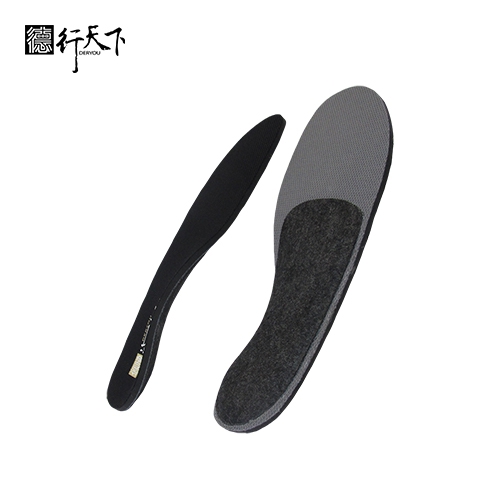
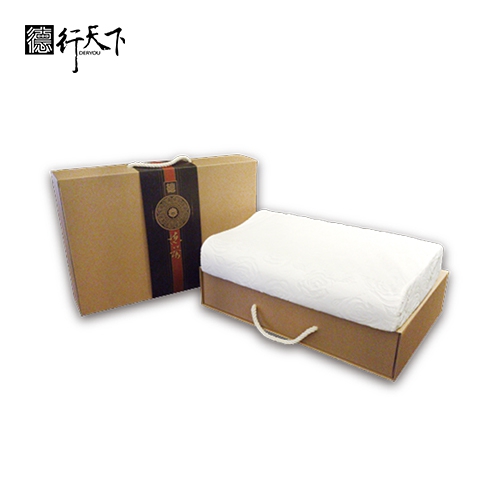
At GuangXin Industrial, our core strength lies in our deep expertise and versatility in insole and pillow manufacturing. We specialize in working with a wide range of materials, including PU (polyurethane), natural latex, and advanced graphene composites, to develop insoles and pillows that meet diverse performance, comfort, and health-support needs.
Whether it's cushioning, support, breathability, or antibacterial function, we tailor material selection to the exact requirements of each project-whether for foot wellness or ergonomic sleep products.
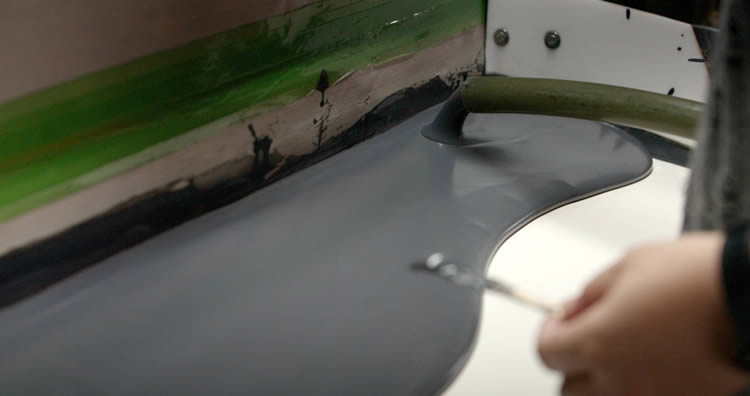
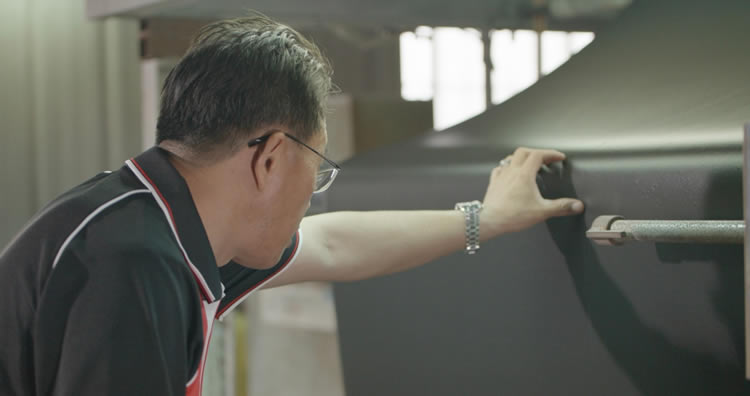
We provide end-to-end manufacturing capabilities under one roof—covering every stage from material sourcing and foaming, to precision molding, lamination, cutting, sewing, and strict quality control. This full-process control not only ensures product consistency and durability, but also allows for faster lead times and better customization flexibility.
With our flexible production capacity, we accommodate both small batch custom orders and high-volume mass production with equal efficiency. Whether you're a startup launching your first insole or pillow line, or a global brand scaling up to meet market demand, GuangXin is equipped to deliver reliable OEM/ODM solutions that grow with your business.
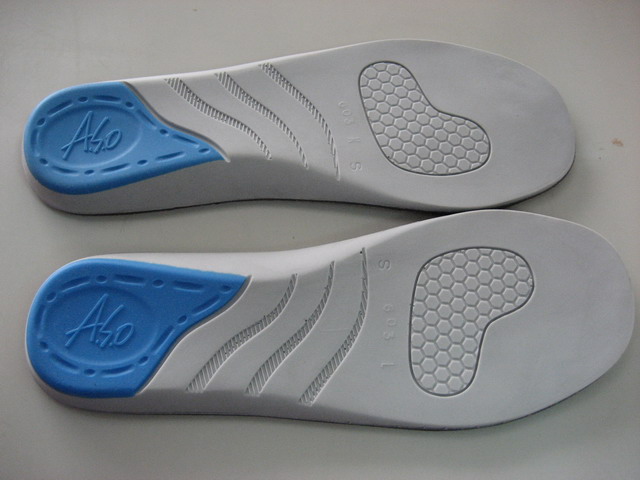
Customization & OEM/ODM Flexibility
GuangXin offers exceptional flexibility in customization and OEM/ODM services, empowering our partners to create insole products that truly align with their brand identity and target market. We develop insoles tailored to specific foot shapes, end-user needs, and regional market preferences, ensuring optimal fit and functionality.
Our team supports comprehensive branding solutions, including logo printing, custom packaging, and product integration support for marketing campaigns. Whether you're launching a new product line or upgrading an existing one, we help your vision come to life with attention to detail and consistent brand presentation.
With fast prototyping services and efficient lead times, GuangXin helps reduce your time-to-market and respond quickly to evolving trends or seasonal demands. From concept to final production, we offer agile support that keeps you ahead of the competition.
Quality Assurance & Certifications
Quality is at the heart of everything we do. GuangXin implements a rigorous quality control system at every stage of production—ensuring that each insole meets the highest standards of consistency, comfort, and durability.
We provide a variety of in-house and third-party testing options, including antibacterial performance, odor control, durability testing, and eco-safety verification, to meet the specific needs of our clients and markets.
Our products are fully compliant with international safety and environmental standards, such as REACH, RoHS, and other applicable export regulations. This ensures seamless entry into global markets while supporting your ESG and product safety commitments.
ESG-Oriented Sustainable Production
At GuangXin Industrial, we are committed to integrating ESG (Environmental, Social, and Governance) values into every step of our manufacturing process. We actively pursue eco-conscious practices by utilizing eco-friendly materials and adopting low-carbon production methods to reduce environmental impact.
To support circular economy goals, we offer recycled and upcycled material options, including innovative applications such as recycled glass and repurposed LCD panel glass. These materials are processed using advanced techniques to retain performance while reducing waste—contributing to a more sustainable supply chain.
We also work closely with our partners to support their ESG compliance and sustainability reporting needs, providing documentation, traceability, and material data upon request. Whether you're aiming to meet corporate sustainability targets or align with global green regulations, GuangXin is your trusted manufacturing ally in building a better, greener future.
Let’s Build Your Next Insole Success Together
Looking for a reliable insole manufacturing partner that understands customization, quality, and flexibility? GuangXin Industrial Co., Ltd. specializes in high-performance insole production, offering tailored solutions for brands across the globe. Whether you're launching a new insole collection or expanding your existing product line, we provide OEM/ODM services built around your unique design and performance goals.
From small-batch custom orders to full-scale mass production, our flexible insole manufacturing capabilities adapt to your business needs. With expertise in PU, latex, and graphene insole materials, we turn ideas into functional, comfortable, and market-ready insoles that deliver value.
Contact us today to discuss your next insole project. Let GuangXin help you create custom insoles that stand out, perform better, and reflect your brand’s commitment to comfort, quality, and sustainability.
🔗 Learn more or get in touch:
🌐 Website: https://www.deryou-tw.com/
📧 Email: shela.a9119@msa.hinet.net
📘 Facebook: facebook.com/deryou.tw
📷 Instagram: instagram.com/deryou.tw
Vietnam custom product OEM/ODM services
Are you looking for a trusted and experienced manufacturing partner that can bring your comfort-focused product ideas to life? GuangXin Industrial Co., Ltd. is your ideal OEM/ODM supplier, specializing in insole production, pillow manufacturing, and advanced graphene product design.
With decades of experience in insole OEM/ODM, we provide full-service manufacturing—from PU and latex to cutting-edge graphene-infused insoles—customized to meet your performance, support, and breathability requirements. Our production process is vertically integrated, covering everything from material sourcing and foaming to molding, cutting, and strict quality control.Thailand anti-odor insole OEM service
Beyond insoles, GuangXin also offers pillow OEM/ODM services with a focus on ergonomic comfort and functional innovation. Whether you need memory foam, latex, or smart material integration for neck and sleep support, we deliver tailor-made solutions that reflect your brand’s values.
We are especially proud to lead the way in ESG-driven insole development. Through the use of recycled materials—such as repurposed LCD glass—and low-carbon production processes, we help our partners meet sustainability goals without compromising product quality. Our ESG insole solutions are designed not only for comfort but also for compliance with global environmental standards.Flexible manufacturing OEM & ODM Indonesia
At GuangXin, we don’t just manufacture products—we create long-term value for your brand. Whether you're developing your first product line or scaling up globally, our flexible production capabilities and collaborative approach will help you go further, faster.Graphene sheet OEM supplier China
📩 Contact us today to learn how our insole OEM, pillow ODM, and graphene product design services can elevate your product offering—while aligning with the sustainability expectations of modern consumers.Indonesia flexible graphene product manufacturing
Coral for decoration and study. Credit: ©2024 Okinawa Churashima Foundation/Masanori Nonaka A new study utilizing aquarium data has uncovered the key factors that orchestrate mysterious synchronized coral spawning. Corals play an essential role in ocean ecosystems, and like many organisms, they are under threat from climate change and other human activities. To better protect coral, it’s first necessary to understand them, in particular their reproductive life cycle, which only happens once a year. For the first time, researchers have produced a model for coral spawning, based on various environmental factors. They achieved this by tapping an often overlooked source of aquatic knowledge, an aquarium. Coral Biology and Reproduction Given their branching shapes or waving tendrils, you would be forgiven for thinking of coral as the trees of the sea. But they are really colonies of small anemones, some of which form sturdy structures which are often the familiar shapes we see in reefs. As they are not plants, they don’t reproduce using seeds, but actually reproduce as animals do, with eggs and sperm. The way they do this, though, is mysterious and rare to see. Acropora coral pre-spawning. Credit: ©2024 Maruyama Lab Insights From Coral Spawning Events “Coral mass spawning, where corals release their eggs and sperm in synchronized bundles over several days following a full moon, is one of the most spectacular reproduction events in the world,” said Associate Professor Shinichiro Maruyama from the Department of Integrated Biosciences at the University of Tokyo. “However, despite decades of studies, environmental drivers of the synchronous spawning remain unclear. Coral spawning data are very sparse; it’s usually only an annual event. Putting such sparse data into a model that can explain the overall pattern of spawning has been impossible, but we’ve finally found a way that works.” Challenges in Coral Spawning Studies Studying coral spawning directly in their natural habitat is theoretically possible but practically challenging. Researchers would need to install various types of robust environmental sensors around coral beds and dive daily to make observations. This is expensive, impractical, and risky, especially at night and in bad weather. Maruyama and his team sought an alternative scenario and found one in the form of an aquarium, specifically the Okinawa Churaumi Aquarium. Acropora coral after spawning. Credit: ©2024 Maruyama Lab Valuable Data From Aquariums “The Okinawa Churaumi Aquarium had kept 15 years of coral spawning records for Acropora corals, a reef building coral commonly found in Japan’s southernmost prefecture Okinawa, but this data had not been used for this kind of research before,” said Maruyama. “By collecting, interpreting and interrogating this data, we found that corals use multiple environmental inputs, like rainfall, solar radiation, and water temperature, to adjust their spawning timing and synchronize it to achieve a peak time for spawning. Water temperature seems to be the primary trigger to determine the annual window of opportunity.” Future Research and Applications This study leads to potential applications, such as more accurate coral spawning prediction and assessment of environmental changes that may affect coral reproduction. Understanding coral reproduction activities is crucial for maintaining coral reef ecosystems and protecting related marine life. But if aquariums can provide precious data that researchers cannot easily obtain through experiments and observations, why has this not been explored before? “Aquariums are treasure troves of research resources with a wealth of untouched and valuable data. On the other hand, some scientists tend to think that they don’t truly reflect nature, and also that they are not as well organized as a laboratory. We were fascinated by that gap in recognition and the possibilities that had been hidden, overlooked, and sometimes neglected,” said Maruyama. “Here, we analyzed past data to make a model that fits that data. Next, we plan to produce a mathematical model to predict future spawning events in nature.” Reference: “Long-term aquarium records delineate the synchronized spawning strategy of Acropora corals” by Yusuke Sakai, Hiromi H. Yamamoto and Shinichiro Maruyama, 1 May 2024, Royal Society Open Science. DOI: 10.1098/rsos.240183
Zika virus uses the ANKLE2 protein to replicate and evade immune defenses, posing a unique threat by crossing the placenta and impacting fetal brain development. Zika virus, infamous for causing microcephaly, manipulates a host protein called ANKLE2 to assist its replication, which also affects brain development. This process differs from other mosquito-borne viruses like dengue and yellow fever, as Zika uniquely crosses the placental barrier to harm fetuses. Zika Virus and Microcephaly: A Dangerous Connection The mosquito-borne Zika virus is infamous for causing microcephaly, a birth defect where abnormal brain development leads to an unusually small head. A recent study published today (January 13) in mBio reveals that Zika exploits a host protein called ANKLE2 — critical for brain development — to enhance its own reproduction. Unlike most related viruses, Zika can cross the placenta, leading to potentially devastating effects during pregnancy. “It’s a case of Zika being in the wrong place at the wrong time,” explained Priya Shah, associate professor in the departments of Microbiology and Molecular Genetics and of Chemical Engineering at the University of California, Davis and senior author on the paper. ANKLE2: The Host Protein Hijacked by Zika The study also found that other mosquito-borne viruses, like dengue and yellow fever, use ANKLE2 in a similar way. This breakthrough opens up new possibilities for developing vaccines or treatments targeting these viruses. Viruses carry only a limited set of instructions in their own genetic material, so to reproduce they rely on taking over host cell proteins and functions. Shah’s laboratory studies these interactions between virus and host. Shah and her research team previously found that a Zika virus protein called NS4A interacts with ANKLE2 in host cells. Working in Drosophila fruit flies, they showed that this could lead to microcephaly. ANKLE2 is known to be involved in brain development in the fetus, but is found in cells throughout the body. Forming Virus Factories In the new study, led by recent Ph.D. graduate Adam Fishburn, Shah’s team grew the Zika virus in human cells. Knocking out the ANKLE2 gene in these cells reduced the ability of the Zika virus to grow. In Zika-infected cells, ANKLE2 clusters in pockets around the endoplasmic reticulum, a network used for protein production within the cell. Viral NS4A interacts with ANKLE2 to form pockets off the endoplasmic reticulum that act as virus factories, Shah said. Bringing all the components to make viruses in one place makes replication more efficient and also helps hide the virus from the immune system. A Clever Hiding Strategy for Viral Replication “Our current model is that ANKLE2 is really important, but not essential, for forming these replication pockets,” Shah said. Our cells are well equipped to fight off these viruses, but only if they can find them, Fishburn said. “Zika and related viruses have evolved strategies to hide themselves in these replication pockets to avoid detection. We believe that ANKLE2 is hijacked to help facilitate this process, and without it the pockets don’t form as well and the immune system can keep virus replication in check,” Fishburn said. Mosquito and Human Hosts: A Shared Target Working with Claudia Rückert at the University of Nevada, Reno, they found that Zika virus also uses ANKLE2 when it infects mosquito cells, meaning that this interaction is important in both human and insect hosts. Finally, they showed that NS4A from other, related mosquito-borne viruses, including dengue virus and yellow fever virus, interacts with ANKLE2 in the same way. This all suggests that NS4A/ANKLE2 interaction is important for replication across a broad group of mosquito-borne viruses, opening possible routes to new drugs and vaccines for these diseases. Why Zika Virus Causes Microcephaly While Others Don’t If much more common viruses like dengue virus also target ANKLE2, why don’t they also cause the microcephaly seen in Zika virus infection? It’s probably all down to location. Zika virus is unusual in that it can cross the placenta and enter the fetus, where ANKLE2 is known to play a big role in brain development. Most other viruses are kept out of the fetus by the placental barrier. Reference: “Microcephaly protein ANKLE2 promotes Zika virus replication” by Adam T. Fishburn, Cole J. Florio, Thomas N. Klaessens, Brian Prince, Neil A. B. Adia, Nicholas J. Lopez, Nitin Sai Beesabathuni, Sydney S. Becker, Liubov Cherkashchenko, Sophia T. Haggard Arcé, Vivian Hoang, Traci N. Shiu, R. Blake Richardson, Matthew J. Evans, Claudia Rückert and Priya S. Shah, 13 January 2025, mBio. DOI: 10.1128/mbio.02683-24 The work was supported by grants from the National Institutes of Health and the W. M. Keck Foundation. Additional authors on the paper are: Cole Florio, Thomas Klaessens, Neil Alvin Adia, Nicholas Lopez, Nitin Sai Beesabathuni, Sydney Becker, Liubov Cherkaschenko, Sophia Haggard Arcé, Vivian Hoang and Traci Shiu at UC Davis; Brian Prince, University of Nevada, Reno; and Blake Richardson and Matthew Evans at Icahn School of Medicine at Mount Sinai, New York.
A Japanese research team has discovered how antibody light chains aggregate through 3D domain swapping. This study reveals that tetrameric formations could influence protein aggregation, offering new insights for drug development and antibody quality control. Credit: SciTechDaily.com The novel insights into antibody aggregation are expected to open up new avenues for research and therapeutic applications. Antibodies (immunoglobulins) are Y-shaped proteins that recognize and neutralize specific pathogens. Their ability to target specific molecules or cells has made them promising candidates for future drug development. However, their light chains—parts of the antibody that contribute to recognizing and binding to specific antigens—misfold and aggregate, leading to amyloidosis, a condition that brings about complications and tissue dysfunction in the body. In the context of drug development, antibody aggregation can compromise their capacity to bind to antigens and diminish their therapeutic potential. However, lack of detailed structural information on its aggregation is one of the factors hindering progress in the field. As a result, ongoing efforts aim to provide detailed reports on aggregate structures and their formation mechanisms to advance antibody drug development. New Research on Antibody Aggregation In a study published today (December 8) in Nature Communications, a team of researchers from Japan, led by Shun Hirota from Nara Institute of Science and Technology (NAIST), has recently provided new insights into the structures formed during antibody aggregation through 3D domain swapping (3D-DS), a process where a specific region of a protein is exchanged between two or more molecules of the same protein. The 3D-DS process has been observed in various proteins but not in antibody light chains until the present study. The schematic structures resulting from 3D domain swapping of the variable region #4VL (yellow) in the light chain #4C214A (yellow and light gray) of an antibody. The light chain of the antibody was found to maintain an equilibrium between monomeric and tetrameric states. Credit: Shun Hirota and Takahiro Sakai Innovative Methods Reveal New Insights In their investigation, the researchers used a modified version of the antibody light chain. In this modified form, a cysteine (Cys) residue, which typically forms a disulfide bond with a heavy chain cysteine, was replaced with alanine (Ala). This alteration allowed the team to isolate and study the structures resulting from 3D-DS in the segment of the antibody contributing to antigen binding. The 3D-DS of the antibody light chain involves the formation of dimers (structures consisting of two identical subunits) and tetramers (structures composed of two dimers with four identical subunits). “Our study provides the first report on the atomic-level structure of the 3D-DS phenomenon in an antibody light chain’s variable region,” points out Hirota. Analyzing the Light Chain Structures The size exclusion chromatography of the antibody light chain #4C214A revealed that the antibody exists as individual monomers and four-subunit tetramers. To determine the region where tetramers are formed, the researchers partitioned the antibody light chain into the variable region (the tip of the Y-shaped antibody) and the constant region (the middle part of the Y-shaped antibody). They found that the variable region #4VL can switch between monomeric and tetrameric states. Implications for Antibody Flexibility and Aggregation Further analysis using X-ray crystallography and thermodynamic simulations revealed that tetramer formation is driven by hydrophobic interactions occurring between two 3D-DS dimers. Compared to monomers, the tetramers were found to have more rigid β-sheet structures, making them less flexible. The formation of the 3D-DS tetramer can help prevent protein aggregation by decreasing flexibility, potentially avoiding the formation of insoluble aggregates. On the other hand, 3D-DS may promote aggregation of antibodies. Hirota concludes: “These findings not only clarify the domain-swapped structure of the antibody light chain but also contribute to controlling antibody quality and advancing the development of future molecular recognition agents and drugs.” Reference: “Structural and Thermodynamic Insights into Antibody Light Chain Tetramer Formation through 3D Domain Swapping” by Takahiro Sakai, Tsuyoshi Mashima, Naoya Kobayashi, Hideaki Ogata, Lian Duan, Ryo Fujiki, Kowit Hengphasatporn, Taizo Uda, Yasuteru Shigeta, Emi Hifumi and Shun Hirota, 8 December 2023, Nature Communications. DOI: 10.1038/s41467-023-43443-4
DVDV1551RTWW78V
ODM pillow for sleep brands Indonesia 》your go-to partner for comfort-focused OEM/ODM solutionsOne-stop OEM/ODM solution provider China 》minimizing lead time, maximizing product valueTaiwan pillow OEM manufacturing factory 》flexible, experienced, and ready to support your growth
下一則: ODM service for ergonomic pillows Thailand 》prefer
限會員,要發表迴響,請先登入


