Introduction – Company Background
GuangXin Industrial Co., Ltd. is a specialized manufacturer dedicated to the development and production of high-quality insoles.
With a strong foundation in material science and footwear ergonomics, we serve as a trusted partner for global brands seeking reliable insole solutions that combine comfort, functionality, and design.
With years of experience in insole production and OEM/ODM services, GuangXin has successfully supported a wide range of clients across various industries—including sportswear, health & wellness, orthopedic care, and daily footwear.
From initial prototyping to mass production, we provide comprehensive support tailored to each client’s market and application needs.
At GuangXin, we are committed to quality, innovation, and sustainable development. Every insole we produce reflects our dedication to precision craftsmanship, forward-thinking design, and ESG-driven practices.
By integrating eco-friendly materials, clean production processes, and responsible sourcing, we help our partners meet both market demand and environmental goals.


Core Strengths in Insole Manufacturing
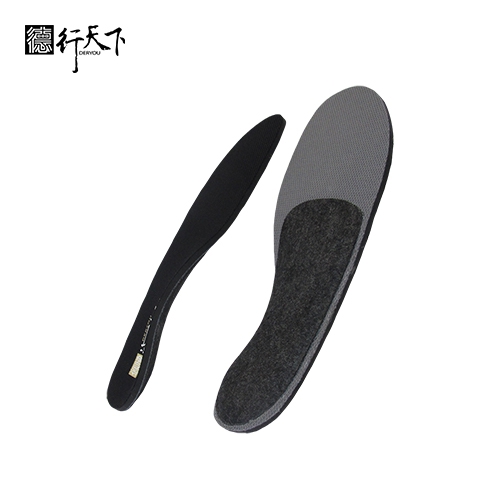
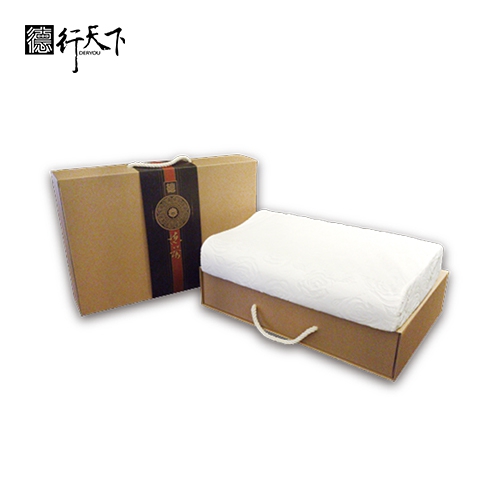
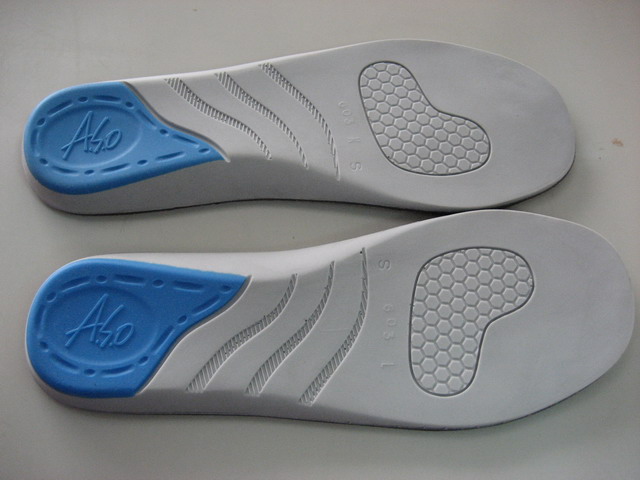
At GuangXin Industrial, our core strength lies in our deep expertise and versatility in insole and pillow manufacturing. We specialize in working with a wide range of materials, including PU (polyurethane), natural latex, and advanced graphene composites, to develop insoles and pillows that meet diverse performance, comfort, and health-support needs.
Whether it's cushioning, support, breathability, or antibacterial function, we tailor material selection to the exact requirements of each project-whether for foot wellness or ergonomic sleep products.
We provide end-to-end manufacturing capabilities under one roof—covering every stage from material sourcing and foaming, to precision molding, lamination, cutting, sewing, and strict quality control. This full-process control not only ensures product consistency and durability, but also allows for faster lead times and better customization flexibility.
With our flexible production capacity, we accommodate both small batch custom orders and high-volume mass production with equal efficiency. Whether you're a startup launching your first insole or pillow line, or a global brand scaling up to meet market demand, GuangXin is equipped to deliver reliable OEM/ODM solutions that grow with your business.
Customization & OEM/ODM Flexibility
GuangXin offers exceptional flexibility in customization and OEM/ODM services, empowering our partners to create insole products that truly align with their brand identity and target market. We develop insoles tailored to specific foot shapes, end-user needs, and regional market preferences, ensuring optimal fit and functionality.
Our team supports comprehensive branding solutions, including logo printing, custom packaging, and product integration support for marketing campaigns. Whether you're launching a new product line or upgrading an existing one, we help your vision come to life with attention to detail and consistent brand presentation.
With fast prototyping services and efficient lead times, GuangXin helps reduce your time-to-market and respond quickly to evolving trends or seasonal demands. From concept to final production, we offer agile support that keeps you ahead of the competition.
Quality Assurance & Certifications
Quality is at the heart of everything we do. GuangXin implements a rigorous quality control system at every stage of production—ensuring that each insole meets the highest standards of consistency, comfort, and durability.
We provide a variety of in-house and third-party testing options, including antibacterial performance, odor control, durability testing, and eco-safety verification, to meet the specific needs of our clients and markets.
Our products are fully compliant with international safety and environmental standards, such as REACH, RoHS, and other applicable export regulations. This ensures seamless entry into global markets while supporting your ESG and product safety commitments.
ESG-Oriented Sustainable Production
At GuangXin Industrial, we are committed to integrating ESG (Environmental, Social, and Governance) values into every step of our manufacturing process. We actively pursue eco-conscious practices by utilizing eco-friendly materials and adopting low-carbon production methods to reduce environmental impact.
To support circular economy goals, we offer recycled and upcycled material options, including innovative applications such as recycled glass and repurposed LCD panel glass. These materials are processed using advanced techniques to retain performance while reducing waste—contributing to a more sustainable supply chain.
We also work closely with our partners to support their ESG compliance and sustainability reporting needs, providing documentation, traceability, and material data upon request. Whether you're aiming to meet corporate sustainability targets or align with global green regulations, GuangXin is your trusted manufacturing ally in building a better, greener future.
Let’s Build Your Next Insole Success Together
Looking for a reliable insole manufacturing partner that understands customization, quality, and flexibility? GuangXin Industrial Co., Ltd. specializes in high-performance insole production, offering tailored solutions for brands across the globe. Whether you're launching a new insole collection or expanding your existing product line, we provide OEM/ODM services built around your unique design and performance goals.
From small-batch custom orders to full-scale mass production, our flexible insole manufacturing capabilities adapt to your business needs. With expertise in PU, latex, and graphene insole materials, we turn ideas into functional, comfortable, and market-ready insoles that deliver value.
Contact us today to discuss your next insole project. Let GuangXin help you create custom insoles that stand out, perform better, and reflect your brand’s commitment to comfort, quality, and sustainability.
🔗 Learn more or get in touch:
🌐 Website: https://www.deryou-tw.com/
📧 Email: shela.a9119@msa.hinet.net
📘 Facebook: facebook.com/deryou.tw
📷 Instagram: instagram.com/deryou.tw
Thailand orthopedic insole OEM manufacturer
Are you looking for a trusted and experienced manufacturing partner that can bring your comfort-focused product ideas to life? GuangXin Industrial Co., Ltd. is your ideal OEM/ODM supplier, specializing in insole production, pillow manufacturing, and advanced graphene product design.
With decades of experience in insole OEM/ODM, we provide full-service manufacturing—from PU and latex to cutting-edge graphene-infused insoles—customized to meet your performance, support, and breathability requirements. Our production process is vertically integrated, covering everything from material sourcing and foaming to molding, cutting, and strict quality control.ODM ergonomic pillow solution factory Taiwan
Beyond insoles, GuangXin also offers pillow OEM/ODM services with a focus on ergonomic comfort and functional innovation. Whether you need memory foam, latex, or smart material integration for neck and sleep support, we deliver tailor-made solutions that reflect your brand’s values.
We are especially proud to lead the way in ESG-driven insole development. Through the use of recycled materials—such as repurposed LCD glass—and low-carbon production processes, we help our partners meet sustainability goals without compromising product quality. Our ESG insole solutions are designed not only for comfort but also for compliance with global environmental standards.ODM pillow for sleep brands Indonesia
At GuangXin, we don’t just manufacture products—we create long-term value for your brand. Whether you're developing your first product line or scaling up globally, our flexible production capabilities and collaborative approach will help you go further, faster.Graphene-infused pillow ODM Vietnam
📩 Contact us today to learn how our insole OEM, pillow ODM, and graphene product design services can elevate your product offering—while aligning with the sustainability expectations of modern consumers.Vietnam ergonomic pillow OEM supplier
Mitochondrial DNA (mtDNA), inherited only from the mother, contains 16,569 nucleotides that can mutate. Some mutations can cause mitochondrial diseases. Researchers found that mutant mtDNA buildup in eggs leads to mitochondrial disease transmission, suggesting new prevention strategies A research article published in the journal Science Advances describes a mechanism that helps explain how certain kinds of genetic disorders known as mitochondrial diseases are transmitted from mother to child. The study it reports could serve as the basis for novel strategies to ensure that future generations are not affected by such diseases. Existing treatments are palliative, aimed at improving quality of life for the patient or delaying progression of the disease. The Role of Mitochondria and mtDNA Mutations Mitochondria are organelles that generate most of the chemical energy needed by cells. Mitochondrial DNA (mtDNA) contains 16,569 nucleotides subject to mutation. Some of these mutations can lead to the development of mitochondrial diseases. Whereas nuclear DNA (the famous double helix, which encodes most of the genome) is inherited from both parents, mtDNA is inherited solely from the mother. At birth, a female infant’s ovaries already contain all the eggs she will ever have. During the reproductive cycles that begin at puberty, some of these immature eggs develop under the influence of hormones, leading to ovulation and potentially to fertilization. Immature mouse egg at a stage prior to ovulation, with mitochondria stained red. Credit: Marcos Roberto Chiaratti The study shows for the first time that mutant mtDNA builds up in the final stages of egg formation. The researchers conducted experiments in mice, reporting that the proportion of mutant molecules increased as the eggs matured, that these mutants can impair the functioning of mitochondria, and that they are responsible for the development of disease. At most 90% of the mtDNA was subject to mutation, the researchers discovered. The existence of an upper limit is important to an understanding of how mutant mtDNA is transmitted and can cause disease. Mechanisms of Mutant mtDNA Transmission When mutant and wild-type mtDNA coexist in a cell (heteroplasmy), the effects of mutant mtDNA may be masked, facilitating transmission to offspring. “Until now, no one knew if this buildup occurred, but our study proved it does. Now that we understand where and how it occurs, it’s possible to work out ways of avoiding it,” said Marcos Roberto Chiaratti, a professor in the Department of Genetics and Evolution at the Federal University of São Carlos (UFSCar) in the state of São Paulo, Brazil. Chiaratti and graduate student Carolina Habermann Macabelli are among the authors of the article. The study was supported by FAPESP via two projects (17/04372-0 and 16/07868-4). Chiaratti also received a Newton Advanced Fellowship from the UK’s Academy of Medical Sciences. He collaborates with the group led by Patrick Francis Chinnery, last author of the article. Chinnery is Professor of Neurology at the University of Cambridge, and Wellcome Trust Principal Research Fellow for its MRC Mitochondrial Biology Unit. “The most effective treatment entails identifying the mutation in the mother in order to prevent inheritance by the children. This is the context for our research, which aims to verify which mutations are transmitted and analyze the mechanism involved. The study of mitochondrial disease in Brazil is still very incipient,” Chiaratti said. Symptoms and Prevalence of Mitochondrial Disease The symptoms of mitochondrial disease vary according to the mutation, the number of damaged cells, and the tissue affected. The most common include weak muscles, loss of motor coordination, cognitive impairment, brain degeneration, and kidney or heart failure. Such hereditary metabolic diseases can appear at any age, but the earlier the mutation manifests itself, the more likely it is to lead to severe symptoms and even death. Diagnosis is difficult, typically requiring genetic and molecular testing, and statistics on prevalence are therefore deficient. According to estimates, diseases caused by mtDNA mutations affect at least one in every 5,000 people worldwide. However, the frequency of pathogenic mtDNA mutations is about one in 200. The mutation m.3243A>G, which causes MELAS syndrome (Mitochondrial Encephalopathy, Lactic Acidosis, and Stroke-like episodes), occurs in some 80% of adults with pathogenic heteroplasmic mutations. The researchers studied genetically modified mice with two types of mitochondrial genome: the wild type, which does not cause disease, and the pathogenic mutation m.5024C>T, similar to m.5650G>A, a pathogenic mutation present in humans. Analysis of 1,167 mother-pup pairs detected a strong tendency for females with low levels of m.5024C>T to transmit higher levels of the mutation to their offspring. In females with high levels of the mutation, however, the opposite tendency was detected, pointing to purifying selection against high levels of the mutation (over 90%). Analysis of Heteroplasmy and Positive Selection Analysis of mouse oocytes (immature eggs) at different stages of development showed rising levels of m.5024C>T over wild-type mtDNA. This suggests mutant mtDNA is preferentially replicated during oocyte maturation, regardless of the cellular cycle, as eggs do not undergo cell division until ovulation. The researchers tested several mathematical models, and the one that best explained the phenomenon pointed to a replicative advantage favoring mutant mtDNA and purifying selection that prevents the mutation from reaching high levels. They first measured heteroplasmy in 42 females and 1,167 descendants. Next, they measured levels of mutant mtDNA in eggs at different stages of development and compared them with levels of mutation in different organs at different ages. They found evidence that the results applied to mice bearing another pathogenic mutation (m.3875delC tRNA) and to humans, as indicated by analysis of 236 mother-child pairs. This pointed to positive selection when the mutation was transmitted from mothers with low heteroplasmy levels and purifying selection against high heteroplasmy levels (over 90%). They concluded that positive selection resulted from a preference for replication of the mutant over the wild-type molecule. “This preferential replication enabled the level of mutation to reach the 90% ceiling, above which the negative effect of mutations is too great and other mechanisms appear to act on the egg to prevent them from reaching 100%,” Chiaratti said. He plans to travel to the UK soon to conduct new experiments. A possible next step would be to proceed to the pharmacological treatment stage with the aim of combating levels of mtDNA mutation so as to prevent transmission of disease. “Once we understand how the buildup in mutations leading to mitochondrial disease occurs during the final stage of egg formation, we’re in a position to produce eggs in vitro and manipulate them, pharmacologically as well as genetically, in order to reduce mutation levels, lowering the probability that a child will develop the disease,” he said. Reference: “Mitochondrial DNA heteroplasmy is modulated during oocyte development propagating mutation transmission” by Haixin Zhang, Marco Esposito, Mikael G. Pezet, Juvid Aryaman, Wei Wei, Florian Klimm, Claudia Calabrese, Stephen P. Burr, Carolina H. Macabelli, Carlo Viscomi, Mitinori Saitou, Marcos R. Chiaratti, James B. Stewart, Nick Jones and Patrick F. Chinnery, 8 December 2021, Science Advances. DOI: 10.1126/sciadv.abi5657
Compared to a paired state, the protein CHIP can control the insulin receptor more effectively when acting alone. A Single Protein Can Control Aging Signals More Effectively Than in a Group According to recent research, the protein CHIP can control the insulin receptor more effectively while acting alone than when in a paired state. In cellular stress situations, CHIP often appears as a homodimer – an association of two identical proteins – and mainly functions to destroy misfolded and defective proteins. CHIP thus cleanses the cell. In order to do this, CHIP works with helper proteins to bind a chain of the small protein ubiquitin to misfolded proteins. As a result, the cell detects and gets rid of defective proteins. Furthermore, CHIP controls insulin receptor signal transduction. CHIP binds to the receptor and degrades it, preventing the activation of life-extending gene products. Researchers from the University of Cologne have now shown via tests using human cells and the nematode Caenorhabditis elegans that CHIP can also label itself with ubiquitin, preventing the formation of its dimer. The CHIP monomer regulates insulin signaling more effectively than the CHIP dimer. The research was conducted by the University of Cologne’s Cluster of Excellence for Cellular Stress Responses in Aging-Associated Diseases (CECAD) and was recently published in the journal Molecular Cell. Cellular Stress and CHIP’s Transition Between Monomer and Dimer “Whether CHIP works alone or as a pair depends on the state of the cell. Under stress, there are too many misfolded proteins as well as the helper proteins that bind to CHIP and prevent auto-ubiquitylation, the self-labeling with ubiquitin,” said Vishnu Balaji, first author of the study. “After CHIP successfully cleans up the defective proteins, it can also mark the helper proteins for degradation. This allows CHIP to ubiquitylate itself and function as a monomer again,” he explained. Thus, for the body to function smoothly, there must be a balance between the monomeric and dimeric states of CHIP. “It’s interesting that the monomer-dimer balance of CHIP seems to be disrupted in neurodegenerative diseases,” said Thorsten Hoppe. “In spinocerebellar ataxias, for example, different sites of CHIP are mutated, and it functions predominantly as a dimer. Here, a shift to more monomers would be a possible therapeutic approach.” In the next step, the scientists want to find out whether there are other proteins or receptors to which the CHIP monomer binds, and thus regulates their function. The researchers are also interested in finding out in which tissues and organs and in which diseases CHIP monomers or dimers occur in greater numbers, in order to be able to develop more targeted therapies in the future. Reference: “A dimer-monomer switch controls CHIP-dependent substrate ubiquitylation and processing” by Vishnu Balaji, Leonie Müller, Robin Lorenz, Éva Kevei, William H. Zhang, Ulises Santiago, Jan Gebauer, Ernesto Llamas, David Vilchez, Carlos J. Camacho, Wojciech Pokrzywa and Thorsten Hoppe, 25 August 2022, Molecular Cell. DOI: 10.1016/j.molcel.2022.08.003
Researchers have discovered the vital role of microglia in brain development by studying lab-grown brain organoids. The study, focusing on cholesterol regulation by microglia, offers new perspectives on brain growth and potential approaches to treating neurological disorders. (Artist’s concept of a lab grown mini brain organoid.) Scientists have found that microglia play a crucial role in regulating the number of cells that become neurons in the brain, enhancing our understanding of brain development and disorders. An international team of scientists has uncovered the vital role of microglia, the immune cells in the brain that act as its dedicated defense team, in early human brain development. By incorporating microglia into lab-grown brain organoids, scientists were able to mimic the complex environment within the developing human brain to understand how microglia influence brain cell growth and development. This research represents a significant leap forward in the development of human brain organoids and has the potential to significantly impact our understanding of brain development and disorders. The study, “iPS-cell-derived microglia promote brain organoid maturation via cholesterol transfer” was published on November 1, 2023, in the journal Nature. Breakthrough in Organoid Research To investigate microglia’s crucial role in early human brain development, scientists from A*STAR’s Singapore Immunology Network (SIgN) led by Professor Florent Ginhoux, utilized cutting-edge technology to create brain-like structures called organoids, also known as “mini-brains” in the laboratory. These brain organoids closely resemble the development of the human brain. However, previous models were lacking in microglia, a key component of early brain development. Super-resolution image of human stem cell-derived Microglia cells with labeled mitochondria (yellow), nucleus (magenta), and actin filaments (cyan). These Microglia cells help in the maturation of neurons in human brain organoid models. Credit: A*STAR’s SIgN To bridge this gap, A*STAR researchers designed a unique protocol to introduce microglia-like cells generated from the same human stem cells used to create the brain organoids. These introduced cells not only behaved like real microglia but also influenced the development of other brain cells within the organoids. Proteomic Analysis and Cholesterol’s Role A*STAR’s Institute of Molecular and Cell Biology (IMCB)’s Dr. Radoslaw Sobota and his team at the SingMass National Laboratory for Mass Spectrometry applied cutting edge quantitative proteomics approach to uncover changes in protein. Their analysis provided crucial insights into the protein composition of the organoids, further confirming the study’s findings. What sets this study apart is the discovery of a unique pathway through which microglia interact with other brain cells. The study found that microglia play a crucial role in regulating cholesterol levels in the brain.The microglia-like cells were found to contain lipid droplets containing cholesterol, which were released and taken up by other developing brain cells in the organoids. This cholesterol exchange was shown to significantly enhance the growth and development of these brain cells, especially their progenitors. The Importance of Cholesterol in the Brain Cholesterol is abundant in the brain and constitutes about 25% of the body’s total cholesterol content. It is essential for the structure and function of neurons. Abnormal cholesterol metabolism has been linked to various neurological disorders, including Alzheimer’s and Parkinson’s Disease. To investigate the roles of lipids in brain development and disease, researchers from the Department of Biochemistry at the Yong Loo Lin School of Medicine (NUS Medicine), led by Professor Markus Wenk, took on the crucial task of data acquisition, particularly in the field of lipidomics to draw valuable insights into the lipid composition and dynamics within the brain organoids containing microglia. Insights into Brain Cell Growth and Development Using this information, another team from the Department of Microbiology and Immunology at NUS Medicine and led by Associate Professor Veronique Angeli, found that cholesterol affects the growth and development of young brain cells in human brain models. Microglia use a specific protein to release cholesterol, and when this process is blocked, it causes the organoid cells to grow more, leading to larger brain models. “It has always been known that the microglia is key to brain development, however their precise role remains poorly understood. This finding from our team at the Department of Microbiology and Immunology is particularly impactful because we finally understand how cholesterol is transported. Our next focus will be finding out how we can regulate cholesterol release to optimize brain development and slow down, or prevent, the onset of neurological conditions,” added Assoc Prof Veronique, who is also Director of the Immunology Translational Research Programme at NUS Medicine. Comprehensive Analysis of Molecular Interactions Dr. Olivier Cexus from the University of Surrey and formerly at A*STAR, progressively deciphered the complex molecular interactions within the brain organoids using proteomic and lipidomic analysis. This provided valuable insights into the metabolic cross-talks involved in brain development and potential implications for diseases. Together, these collective efforts were instrumental in deepening our understanding of the roles of microglia and the molecular components within brain organoids and their implications for human health. Conclusion and Future Implications Prof Florent Ginhoux, Senior Principal Investigator at A*STAR’s SIgN and Senior author of the study said, “Understanding the complex roles of microglia in brain development and function is an active area of research. Our findings not only advance our understanding of human brain development but also have the potential to impact our knowledge of brain disorders. This opens up new possibilities for future research into neurodevelopmental conditions and potential therapies.” Co-author of the study, Professor Jerry Chan, Senior Consultant, Department of Reproductive Medicine, KK Women’s and Children’s Hospital, and Senior National Medical Research Council Clinician Scientist, added, “There is currently a lack of tools to study how microglia interacts with the developing brain. This has hampered the understanding of microglia-associated diseases that play an important role during the early development of conditions such as autism, schizophrenia, and neurodegenerative diseases such as Alzheimer’s and Parkinson’s disease. “The development of these novel microglia-associated brain organoids with same-donor pluripotent stem cells gives us an opportunity to study the complex interactions between microglia and neurons during early brain development. Consequentially, this may enable us to study the role of microglia in the setting of diseases and suggest ways to develop new therapies in time.” Reference: “iPS-cell-derived microglia promote brain organoid maturation via cholesterol transfer” by Dong Shin Park, Tatsuya Kozaki, Satish Kumar Tiwari, Marco Moreira, Ahad Khalilnezhad, Federico Torta, Nicolas Olivié, Chung Hwee Thiam, Oniko Liani, Aymeric Silvin, Wint Wint Phoo, Liang Gao, Alexander Triebl, Wai Kin Tham, Leticia Gonçalves, Wan Ting Kong, Sethi Raman, Xiao Meng Zhang, Garett Dunsmore, Charles Antoine Dutertre, Salanne Lee, Jia Min Ong, Akhila Balachander, Shabnam Khalilnezhad, Josephine Lum, Kaibo Duan, Ze Ming Lim, Leonard Tan, Ivy Low, Kagistia Hana Utami, Xin Yi Yeo, Sylvaine Di Tommaso, Jean-William Dupuy, Balazs Varga, Ragnhildur Thora Karadottir, Mufeeda Changaramvally Madathummal, Isabelle Bonne, Benoit Malleret, Zainab Yasin Binte, Ngan Wei Da, Yingrou Tan, Wei Jie Wong, Jinqiu Zhang, Jinmiao Chen, Radoslaw M. Sobota, Shanshan W. Howland, Lai Guan Ng, Frédéric Saltel, David Castel, Jacques Grill, Veronique Minard, Salvatore Albani, Jerry K. Y. Chan, Morgane Sonia Thion, Sang Yong Jung, Markus R. Wenk, Mahmoud A. Pouladi, Claudia Pasqualini, Veronique Angeli, Olivier N. F. Cexus and Florent Ginhoux, 1 November 2023, Nature. DOI: 10.1038/s41586-023-06713-1
DVDV1551RTWW78V
Graphene insole OEM factory Vietnam 》your competitive edge in product performance and speedChina custom insole OEM supplier 》experience you can count on, quality you can trustCustom foam pillow OEM in Taiwan 》helping your brand lead with innovation and integrity
下一則: Smart pillow ODM manufacturer Thailand 》long-term
限會員,要發表迴響,請先登入


