Introduction – Company Background
GuangXin Industrial Co., Ltd. is a specialized manufacturer dedicated to the development and production of high-quality insoles.
With a strong foundation in material science and footwear ergonomics, we serve as a trusted partner for global brands seeking reliable insole solutions that combine comfort, functionality, and design.
With years of experience in insole production and OEM/ODM services, GuangXin has successfully supported a wide range of clients across various industries—including sportswear, health & wellness, orthopedic care, and daily footwear.
From initial prototyping to mass production, we provide comprehensive support tailored to each client’s market and application needs.
At GuangXin, we are committed to quality, innovation, and sustainable development. Every insole we produce reflects our dedication to precision craftsmanship, forward-thinking design, and ESG-driven practices.
By integrating eco-friendly materials, clean production processes, and responsible sourcing, we help our partners meet both market demand and environmental goals.
Core Strengths in Insole Manufacturing
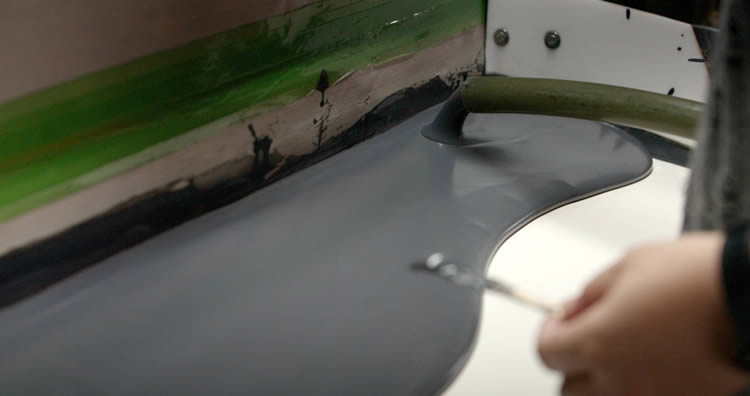
At GuangXin Industrial, our core strength lies in our deep expertise and versatility in insole and pillow manufacturing. We specialize in working with a wide range of materials, including PU (polyurethane), natural latex, and advanced graphene composites, to develop insoles and pillows that meet diverse performance, comfort, and health-support needs.
Whether it's cushioning, support, breathability, or antibacterial function, we tailor material selection to the exact requirements of each project-whether for foot wellness or ergonomic sleep products.
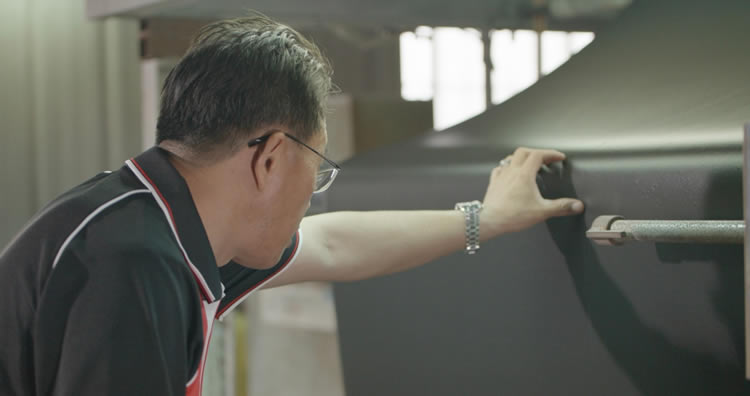
We provide end-to-end manufacturing capabilities under one roof—covering every stage from material sourcing and foaming, to precision molding, lamination, cutting, sewing, and strict quality control. This full-process control not only ensures product consistency and durability, but also allows for faster lead times and better customization flexibility.
With our flexible production capacity, we accommodate both small batch custom orders and high-volume mass production with equal efficiency. Whether you're a startup launching your first insole or pillow line, or a global brand scaling up to meet market demand, GuangXin is equipped to deliver reliable OEM/ODM solutions that grow with your business.
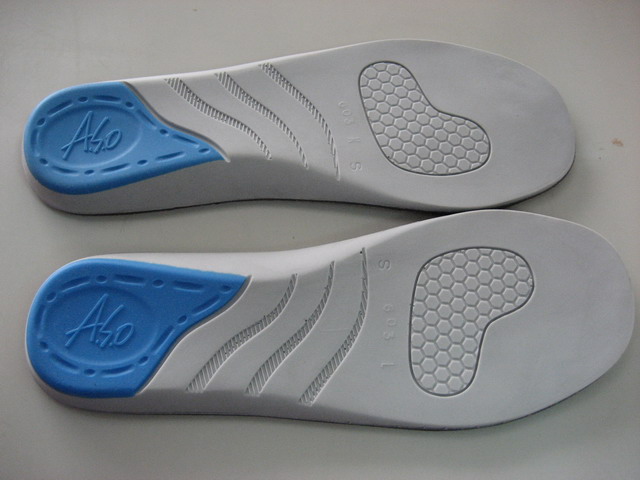
Customization & OEM/ODM Flexibility
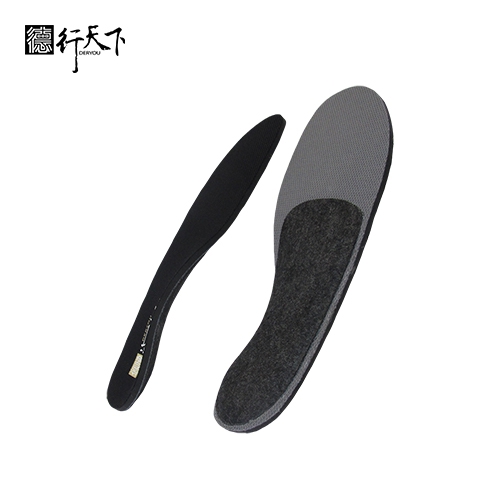
GuangXin offers exceptional flexibility in customization and OEM/ODM services, empowering our partners to create insole products that truly align with their brand identity and target market. We develop insoles tailored to specific foot shapes, end-user needs, and regional market preferences, ensuring optimal fit and functionality.
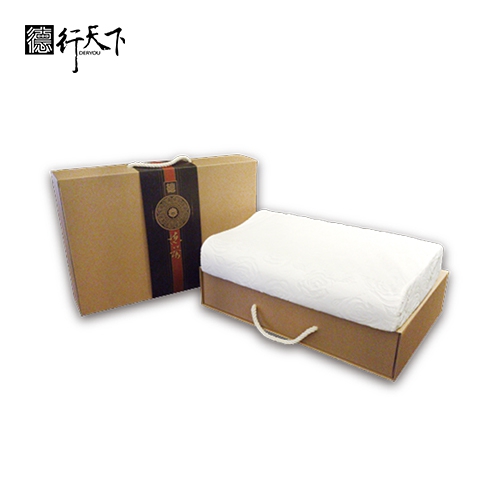
Our team supports comprehensive branding solutions, including logo printing, custom packaging, and product integration support for marketing campaigns. Whether you're launching a new product line or upgrading an existing one, we help your vision come to life with attention to detail and consistent brand presentation.
With fast prototyping services and efficient lead times, GuangXin helps reduce your time-to-market and respond quickly to evolving trends or seasonal demands. From concept to final production, we offer agile support that keeps you ahead of the competition.
Quality Assurance & Certifications
Quality is at the heart of everything we do. GuangXin implements a rigorous quality control system at every stage of production—ensuring that each insole meets the highest standards of consistency, comfort, and durability.
We provide a variety of in-house and third-party testing options, including antibacterial performance, odor control, durability testing, and eco-safety verification, to meet the specific needs of our clients and markets.
Our products are fully compliant with international safety and environmental standards, such as REACH, RoHS, and other applicable export regulations. This ensures seamless entry into global markets while supporting your ESG and product safety commitments.
ESG-Oriented Sustainable Production
At GuangXin Industrial, we are committed to integrating ESG (Environmental, Social, and Governance) values into every step of our manufacturing process. We actively pursue eco-conscious practices by utilizing eco-friendly materials and adopting low-carbon production methods to reduce environmental impact.
To support circular economy goals, we offer recycled and upcycled material options, including innovative applications such as recycled glass and repurposed LCD panel glass. These materials are processed using advanced techniques to retain performance while reducing waste—contributing to a more sustainable supply chain.
We also work closely with our partners to support their ESG compliance and sustainability reporting needs, providing documentation, traceability, and material data upon request. Whether you're aiming to meet corporate sustainability targets or align with global green regulations, GuangXin is your trusted manufacturing ally in building a better, greener future.
Let’s Build Your Next Insole Success Together
Looking for a reliable insole manufacturing partner that understands customization, quality, and flexibility? GuangXin Industrial Co., Ltd. specializes in high-performance insole production, offering tailored solutions for brands across the globe. Whether you're launching a new insole collection or expanding your existing product line, we provide OEM/ODM services built around your unique design and performance goals.
From small-batch custom orders to full-scale mass production, our flexible insole manufacturing capabilities adapt to your business needs. With expertise in PU, latex, and graphene insole materials, we turn ideas into functional, comfortable, and market-ready insoles that deliver value.
Contact us today to discuss your next insole project. Let GuangXin help you create custom insoles that stand out, perform better, and reflect your brand’s commitment to comfort, quality, and sustainability.
🔗 Learn more or get in touch:
🌐 Website: https://www.deryou-tw.com/
📧 Email: shela.a9119@msa.hinet.net
📘 Facebook: facebook.com/deryou.tw
📷 Instagram: instagram.com/deryou.tw
China ODM expert for comfort products
Are you looking for a trusted and experienced manufacturing partner that can bring your comfort-focused product ideas to life? GuangXin Industrial Co., Ltd. is your ideal OEM/ODM supplier, specializing in insole production, pillow manufacturing, and advanced graphene product design.
With decades of experience in insole OEM/ODM, we provide full-service manufacturing—from PU and latex to cutting-edge graphene-infused insoles—customized to meet your performance, support, and breathability requirements. Our production process is vertically integrated, covering everything from material sourcing and foaming to molding, cutting, and strict quality control.ODM pillow for sleep brands Indonesia
Beyond insoles, GuangXin also offers pillow OEM/ODM services with a focus on ergonomic comfort and functional innovation. Whether you need memory foam, latex, or smart material integration for neck and sleep support, we deliver tailor-made solutions that reflect your brand’s values.
We are especially proud to lead the way in ESG-driven insole development. Through the use of recycled materials—such as repurposed LCD glass—and low-carbon production processes, we help our partners meet sustainability goals without compromising product quality. Our ESG insole solutions are designed not only for comfort but also for compliance with global environmental standards.Insole ODM factory in Thailand
At GuangXin, we don’t just manufacture products—we create long-term value for your brand. Whether you're developing your first product line or scaling up globally, our flexible production capabilities and collaborative approach will help you go further, faster.ODM pillow for sleep brands Taiwan
📩 Contact us today to learn how our insole OEM, pillow ODM, and graphene product design services can elevate your product offering—while aligning with the sustainability expectations of modern consumers.Flexible manufacturing OEM & ODM China
Modern humans, Neanderthals, and their relatives evolved larger brains gradually over millions of years, not through sudden leaps between species, a groundbreaking study reveals. Researchers used a vast fossil dataset and advanced methods to show steady brain size growth driven by gradual adaptation within species. Humans and relatives evolved larger brains through gradual changes within species, not sudden leaps. This study challenges old ideas and reveals the complexity of brain evolution over millions of years. A new study on human brain evolution reveals that modern humans, Neanderthals, and other recent relatives in our evolutionary lineage developed larger brains at a significantly faster rate compared to earlier species. The study, published in the journal PNAS, overturns long-standing ideas about human brain evolution. Scientists from the University of Reading, the University of Oxford, and Durham University found that brain size increased gradually within each ancient human species rather than through sudden leaps between species. The team assembled the largest-ever dataset of ancient human fossils spanning 7 million years and used advanced computational and statistical methods to account for gaps in the fossil record. These innovative approaches provided the most comprehensive view yet of how brain size evolved over time. Incremental Growth in Brain Size Professor Chris Venditti, co-author of the study from the University of Reading, said: “This study completely changes our understanding of how human brains evolved. It was previously thought that brain size jumps dramatically between species, like new upgrades between the latest computer models. Our study instead shows a steady, incremental ‘software update’ happening within each species over millions of years.” The research challenges old ideas that some species, like Neanderthals, were unchanging and unable to adapt and instead highlights gradual and continuous change as the driving force behind brain size evolution. Dr Thomas Puschel, lead author now at Oxford University, said: “Big evolutionary changes don’t always need dramatic events. They can happen through small, gradual improvements over time, much like how we learn and adapt today.” Brains, bodies, and evolutionary scale The researchers also uncovered a striking pattern: while larger-bodied species generally had bigger brains, the variation observed within an individual species did not consistently correlate with body size. Brain size evolution across long evolutionary timescales extending millions of years is therefore shaped by different factors to those observed within individual species – highlighting the complexity of evolutionary pressures on brain size. Dr Joanna Baker, co-author from the University of Reading, said: “Why and how humans evolved large brains is a central question in human evolution. By studying brain and body size in various species over millions of years, we reveal that our hallmark large brains arose primarily from gradual changes within individual species.” Reference: “Hominin brain size increase has emerged from within-species encephalization” by Thomas A. Püschel, Samuel L. Nicholson, Joanna Baker, Robert A. Barton and Chris Venditti, 26 November 2024, Proceedings of the National Academy of Sciences. DOI: 10.1073/pnas.2409542121 The study was produced as part of a £1 million Research Leadership Awards grant from the Leverhulme Trust. The project was to better understand the evolution of human ancestors.
Research using fruit flies has revealed activin signaling as a key mechanism in gut plasticity, influencing its ability to shrink and expand in response to nutrient availability. This finding has implications for understanding organ adaptation and opens new pathways for exploring treatments for colorectal cancer linked to activin signaling disruptions. One of the most striking examples of gut plasticity can be observed in animals that are exposed to prolonged periods of fasting, such as hibernating animals or phyton snakes that goes for months without eating, where the gut shrinks with as much as 50%, but recovers in size following a few days of re-feeding. Importantly, the capacity of the gut to undergo resizing is broadly conserved. Hence, in humans, an increase in gut size is observed during pregnancy, which facilitates the uptake of nutrients to support the growth of the fetus. The Colombani Andersen lab at the section of Cell & Neurobiology, Department of Biology, University of Copenhagen uses the fruit fly, Drosophila, to study the mechanisms that regulate gut plasticity. The results have just been published in the scientific journal Nature Communications. “Taking advantage of the broad genetic toolbox available in the fruit fly, we have investigated the mechanisms underpinning nutrient-dependent gut resizing,” says Dr. Ditte S. Andersen. Mechanisms of Gut Resizing Discovered The results show that nutrient deprivation results in an accumulation of progenitor cells that fail to differentiate into the mature cells causing the gut to shrink. Upon refeeding these stalled progenitor cells readily differentiate into mature cells to promote regrowth of the gut. Ditte S. Andersen continues: “We have identified activins as critical regulators of this process. In nutrient-restrictive conditions, activin signaling is strongly repressed, while it is reactivated and required for progenitor maturation and gut resizing in response to refeeding. Activin-dependent resizing of the gut is physiologically important as inhibition of activin signaling reduces survival of flies to intermittent fasting.” Regulators of organ plasticity are essential for host adaptation to an ever-changing environment, however, the same signals are often deregulated in cancers. Indeed, mutations affecting activin signaling are frequent in cancer cells in a variety of tissues. Our study provides a starting point for investigating the link between aberrant activin signaling and the development of colorectal cancers and sets the stage for exploring the efficiency of anti-activin therapeutic strategies in treating colorectal cancers. Reference: “Drosophila activins adapt gut size to food intake and promote regenerative growth” by Christian F. Christensen, Quentin Laurichesse, Rihab Loudhaief, Julien Colombani and Ditte S. Andersen, 4 January 2024, Nature Communications. DOI: 10.1038/s41467-023-44553-9
International researchers studying the yellow crazy ant, or Anoplolepis gracilipes, found that male ants of this species are chimeras, containing two genomes from different parent cells within their bodies. This unique reproductive process, originating from a single fertilized egg that undergoes separate maternal and paternal nuclear division, is unprecedented and challenges the fundamental biological inheritance law stating that all cells of an individual should contain the same genome. Credit: Hugo Darras Male yellow crazy ants exhibit a unique characteristic of possessing two distinct genomes, each contained within separate cell clusters. The yellow crazy ant, known scientifically as Anoplolepis gracilipes, is notorious for being one of the most devastating invasive species globally. Despite this, an international team of researchers is not interested in its destructive capabilities. Their study, instead, is centered on its unique reproduction process, as the male counterparts of this ant species have long puzzled the scientific community. “The results of previous genetic analyses of the yellow crazy ant have shown that the males of this species have two copies of each chromosome. This was highly unexpected, as males usually develop from unfertilized eggs in ants, bees, and wasps – and thus should only have one maternal copy of each chromosome,” explained Dr. Hugo Darras, Assistant Professor at Johannes Gutenberg University Mainz (JGU) and lead author of the corresponding article recently published in Science. “With this in view, we decided to investigate this puzzling phenomenon with subsequent experiments.” Two male yellow crazy ants (Anoplolepis gracilipes). Credit: Hugo Darras Two Genomes in Different Cell Clusters The results were quite extraordinary. It had been assumed to date that the males of the yellow crazy ant carried the same two sets of chromosomes in all cells of their body. However, the team was able to demonstrate that this premise was anything but correct. “We discovered that the male ants have maternal and paternal genomes in different cells of their body and are thus chimeras. To put it another way, all males have two genomes, but each cell of their bodies contains only one or the other of the two genomes,” summarized Darras. Normally, in a multicellular life form – be this a human, a dog, or a bat – all cells contain identical genetic material. A longitudinal section of the brain of a chimeric male yellow crazy ant with maternal (pink) and paternal (blue) genomes in situ hybridization: The male tissue consists of large cell clusters carrying only maternal or paternal genomes. Credit: Hugo Darras The research team concludes that male yellow crazy ants are chimeras: they develop from fertilized eggs in which the two parental gametes do not actually fuse. Instead, the maternal and paternal nuclei divide separately within the same egg, meaning that the resultant adult males have both parental DNA sequences but in different body cells. When the gametes do fuse, either a queen or a worker develops from the egg, depending on the genetic information carried by the sperm. It is yet unknown what mechanisms determine whether fusion of the parental gametes takes place or not. Chimerism and the Yellow Crazy Ant: A Mode of Reproduction Previously Unknown to Science Chimeras are individuals whose cells contain different genetic materials. They naturally occur in certain species, such as corals and angler fish, in which separate individuals can merge to become one. Chimerism can also be found in humans and other placenta mammals. During gestation, mother and fetus can exchange a small number of cells so the offspring usually has a few cells that contain the same genetic material as the mother. Such small-scale exchanges also occur between twins in the womb. A male yellow crazy ant (Anoplolepis gracilipes). Credit: Hugo Darras “In contrast to these known cases, chimerism in the yellow crazy ant does not result from the fusion of two separate individuals or an exchange of cells between them. Instead, this process has its origin within a single fertilized egg. This is unique,” concluded Darras. Hence, the development of the male yellow crazy ant appears to contravene one of the fundamental laws of biological inheritance in which all cells of an individual should contain the same genome. Reference: “Obligate chimerism in male yellow crazy ants” by H. Darras, C. Berney, S. Hasin, J. Drescher, H. Feldhaar and L. Keller, 6 April 2023, Science. DOI: 10.1126/science.adf0419
DVDV1551RTWW78V
Innovative pillow ODM solution in China 》expert-level OEM/ODM to support product innovationESG-compliant OEM manufacturer in Thailand 》helping your brand lead with innovation and integrityTaiwan ergonomic pillow OEM factory supplier 》trusted by global brands for reliable quality and flexibility
下一則: Latex pillow OEM production in Taiwan 》trusted by
限會員,要發表迴響,請先登入


