Le Bal de Jugon
(France)
Song Title: (Le) Bal de Jugon
Lyrics: French Folk Song
Composer: French Folk Song
Dance Name: Same as the song title
Choreography: Dance from Brittany, France
Chinese Dance Name: 法國雙人舞
Formation: Couples, double circle, Varsovienne position facing LOD
Teacher Frog learned this dance when he was a child, which was learned together with another French dance "Bannielou Lambaol " at the same time. I believe many veteran dancers, like Teacher Frog, learned these two dances together as a buy-one-get-one-free package.
This dance is a folk song and folk dance popular in Brittany, France (French: Bretagne). Brittany means "from Great Britain", located in the northwestern part of France, featuring a peninsula terrain, and is also known as Little Britain (which will be explained later).
Brittany is located in western France (the red area):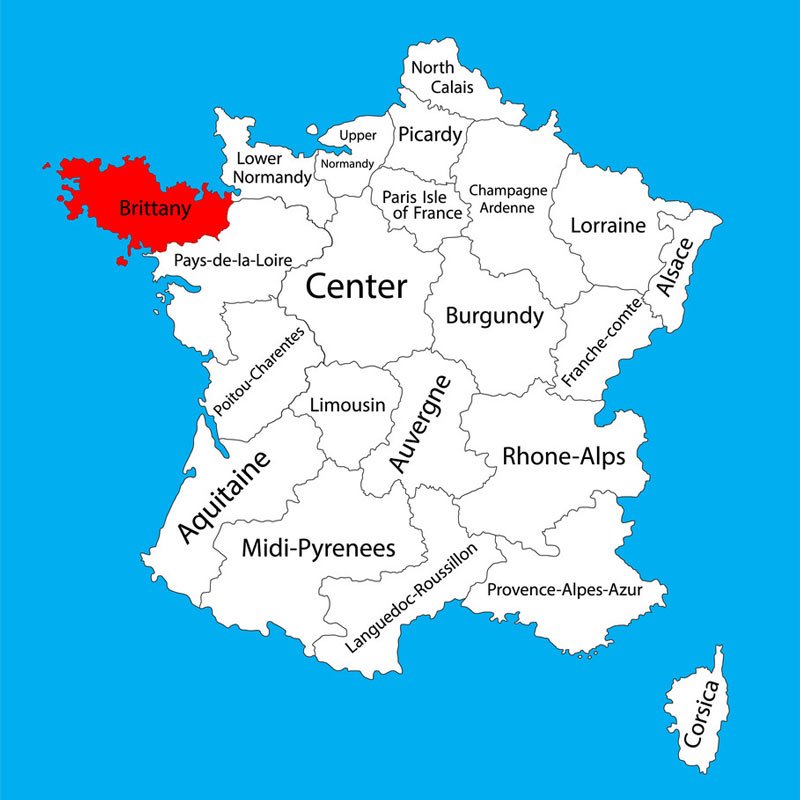
The map showing the locations of Great Britain and Little Britain: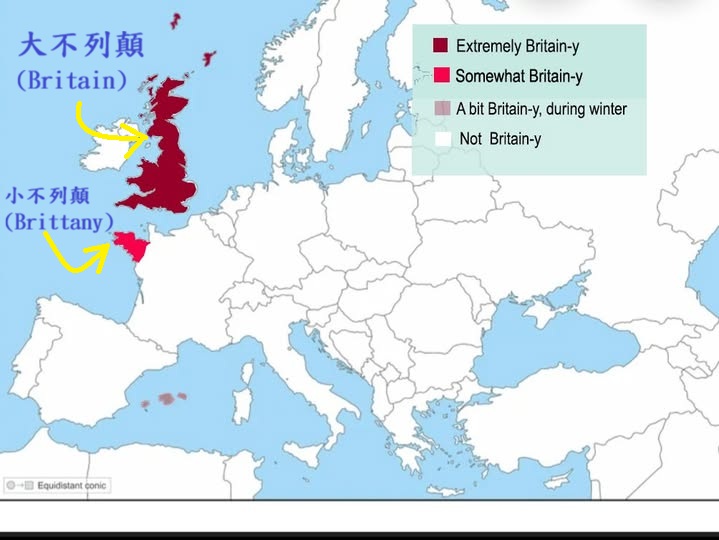
The Brittany Peninsula is about 34,000 square kilometers, which is around the same size as Taiwan. Dating back to 35,000 years ago, which was the Paleolithic Period, Homo sapiens, the ancestors of humans, had already appeared in Brittany. They replaced the Neanderthals, the earlier predecessors of modern humans, to live on this land.To this day, Brittany still possesses artificial structures from 5000 BC (which was the Neolithic Period; the Neolithic Period lasted from 12000 BC to 4000 BC), the earliest in human history.
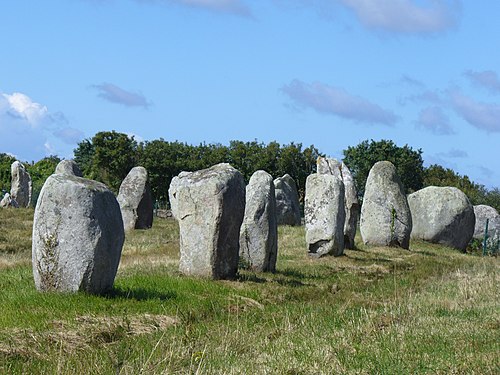
The Carnac Stones near the city of Carnac on the southern coast of Brittany consist of alignments, dolmens, tumuli, and single menhirs.Over 3,000 stones hewn from local granite constitute the largest collection of its kind in the world.
Starting from the late 4th century AD, some Britons, meaning people from the island of Britain as mentioned earlier, migrated to Brittany.During the 5th and 6th centuries AD, a large number of Britons migrated here to flee the Anglo-Saxon invasion.Perhaps because more and more Britons arrived here, this place was later called "Little Britain".
Although this dance looks simple and originated in a small northwestern peninsula of France, European music and dance are full of surprises everywhere as long as you explore deeply after going through the baptism of history!Taking Brittany as an example, this peninsula has its own dialect and its own special dance culture.The dialect of this place is named "Breton", and their own dance culture is generally called "Breton Dance".(Teacher Frogs note: Please pay attention, dance friends. Although the two English words Briton and Breton look very similar, the former refers to people from the island of Great Britain, while the latter refers to people living in Brittany, France, which are different.)
Traditional costumes for dancing Breton Dance: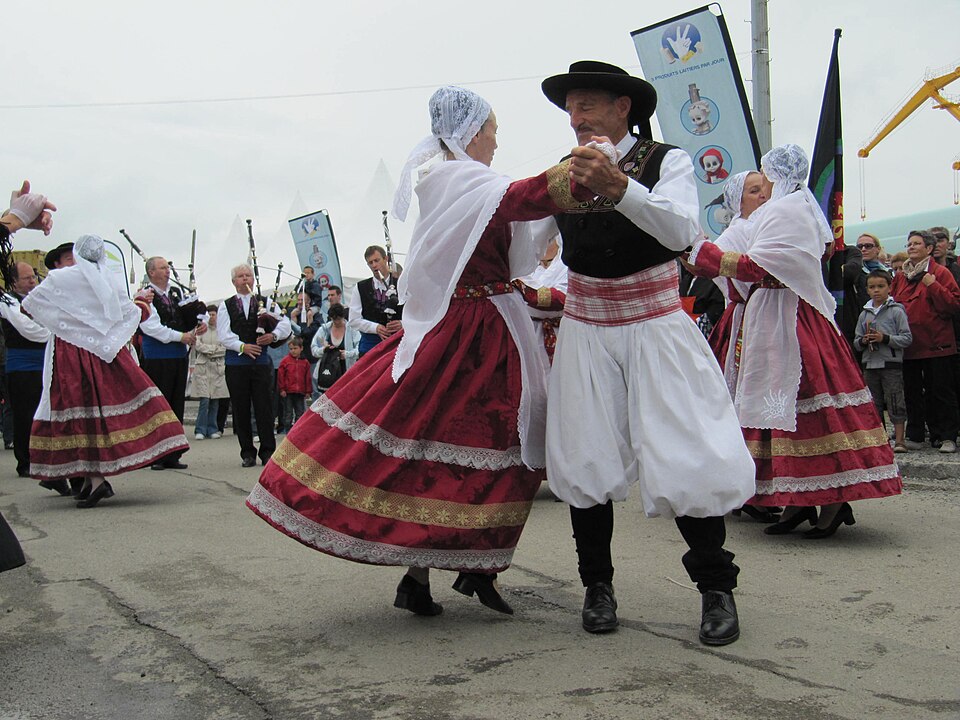
Image source: English Wikipedia
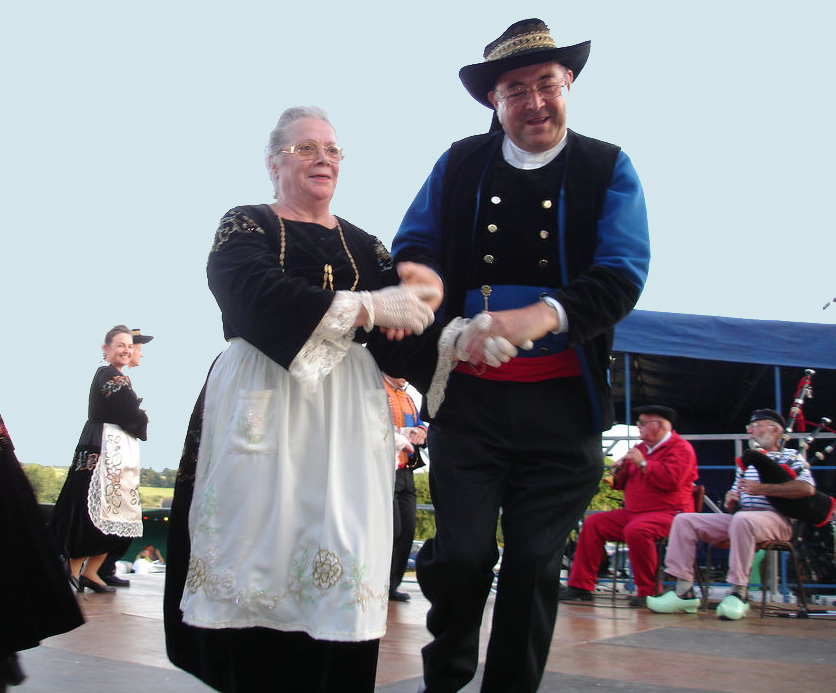
Image source: English Wikipedia
In daily life, different music and dances represent their identity symbols in civil society.Dances are divided into different occasions, different purposes, and different identities, so the dances performed will be different. Regarding the difference in regions, Breton Dance is generally divided into Upper Brittany / Lower Brittany.
There are approximately 5 basic dance types in Lower Brittany:
1.the Gavotte
2.the En Dro
3.the Dañs Treger
4.the Dañs Leon
5.the Dañs tro Plinn
The classification of dances in Upper Brittany is not yet very clear, and it is generally represented under the collective name of Upper Brittany. This dance belongs to the folk dance of Upper Brittany.
After introducing the basic information, now lets introduce this dance. First, lets talk about this song. The song title is Le Bal de Jugon (also simply written as Bal de Jugon), which means: the dance from Jugon. The full name of Jugon is Jugon-les-Lacs, which is a charming town in the Côtes-dArmor department of the Brittany region in northwestern France. Its size is about 27 square kilometers, situated between two lakes, and it is praised as the "City of Lakes". Jugon is famous for its well-preserved medieval architecture, peaceful natural scenery, and abundant water activities. The following are the beautiful sceneries of Jugon:
Jugons landscapes (1 of 7):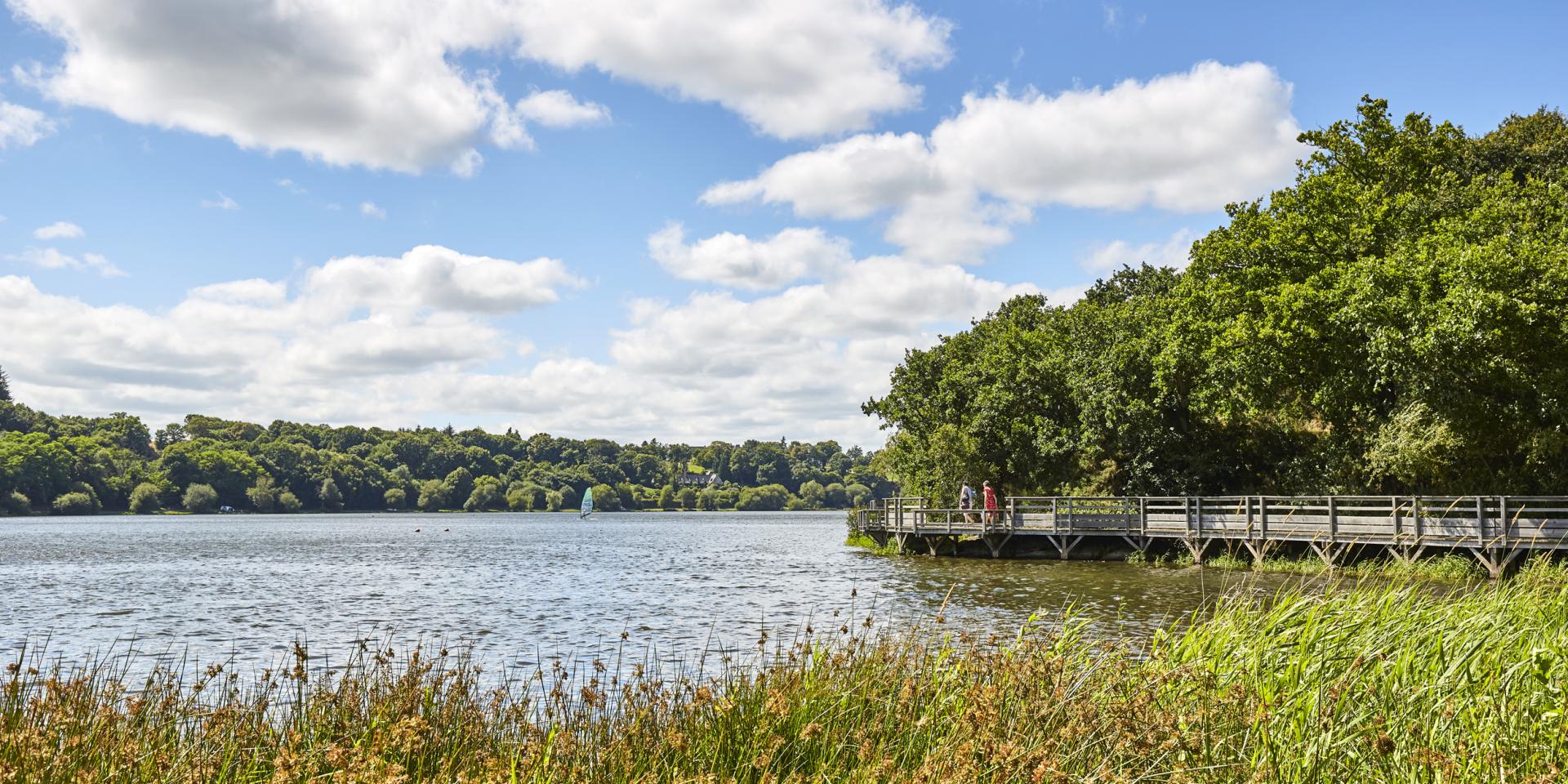
Image source: https://www.tourismebretagne.com/
Jugons landscapes (2 of 7):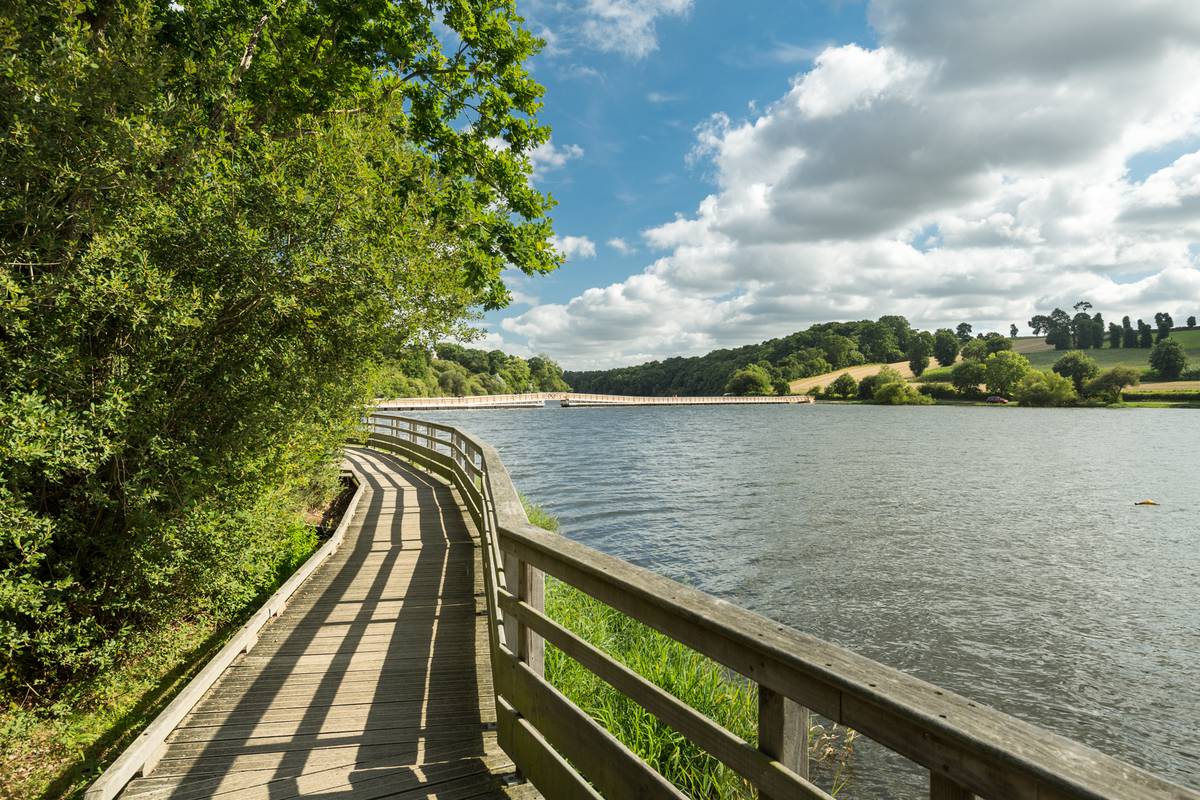
Image source: French tourism website:https://www.capderquy-valandre.com/
Jugons landscapes (3 of 7):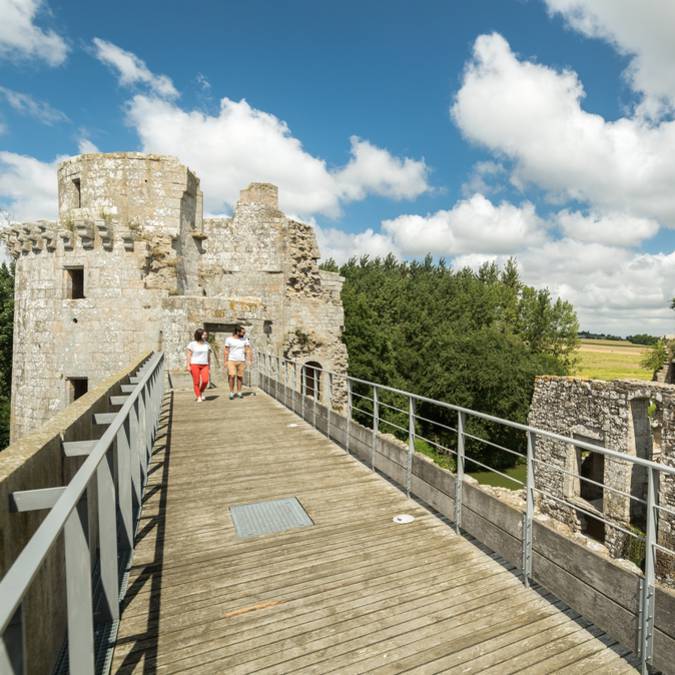
Image source: French tourism website: https://www.capderquy-valandre.com/
Jugons landscapes (4 of 7):
Image source: Brittany tourism website: https://www.brittanytourism.com/
Jugons landscapes (5 of 7):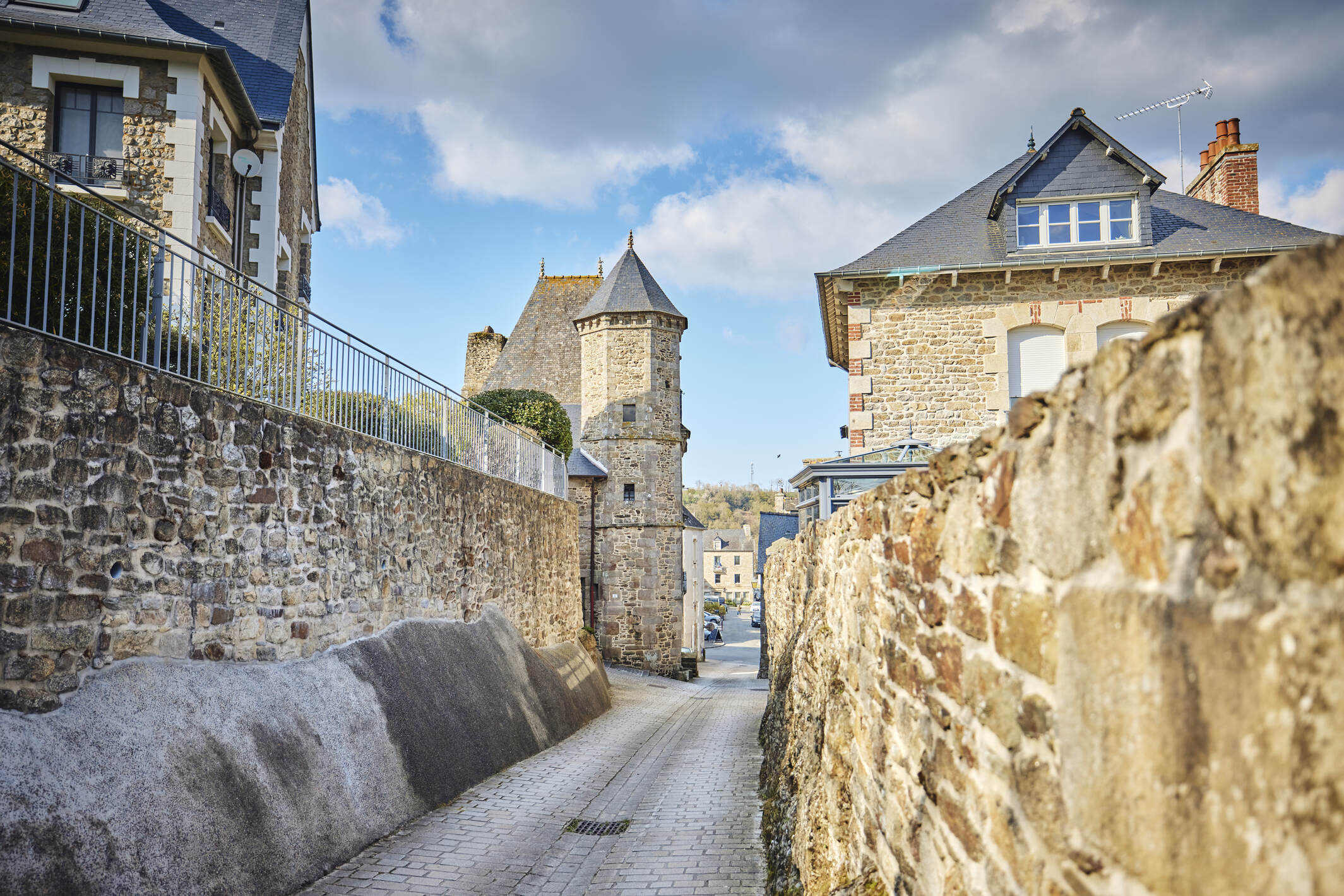
Image source: Brittany tourism website: https://www.brittanytourism.com/
Jugons landscapes (6 of 7):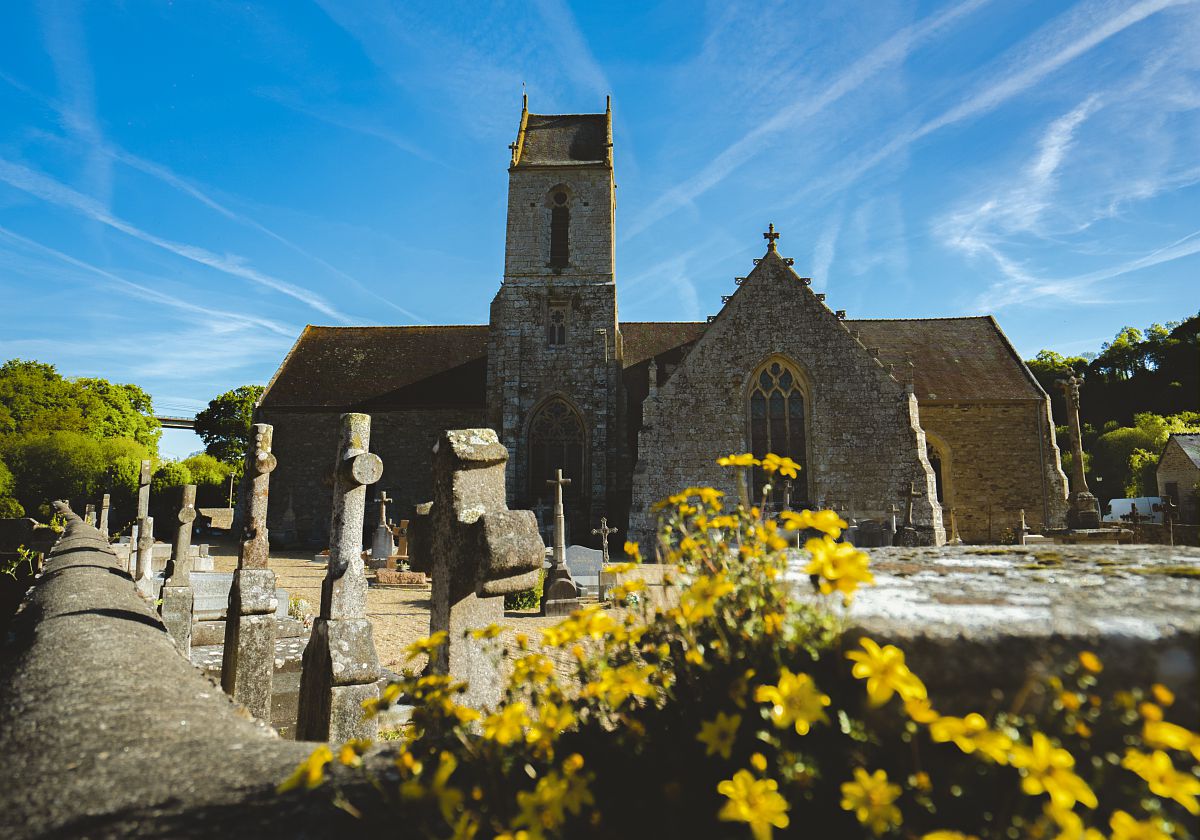
Image source: Brittany tourism website: https://www.brittanytourism.com/
Jugons landscapes (7 of 7):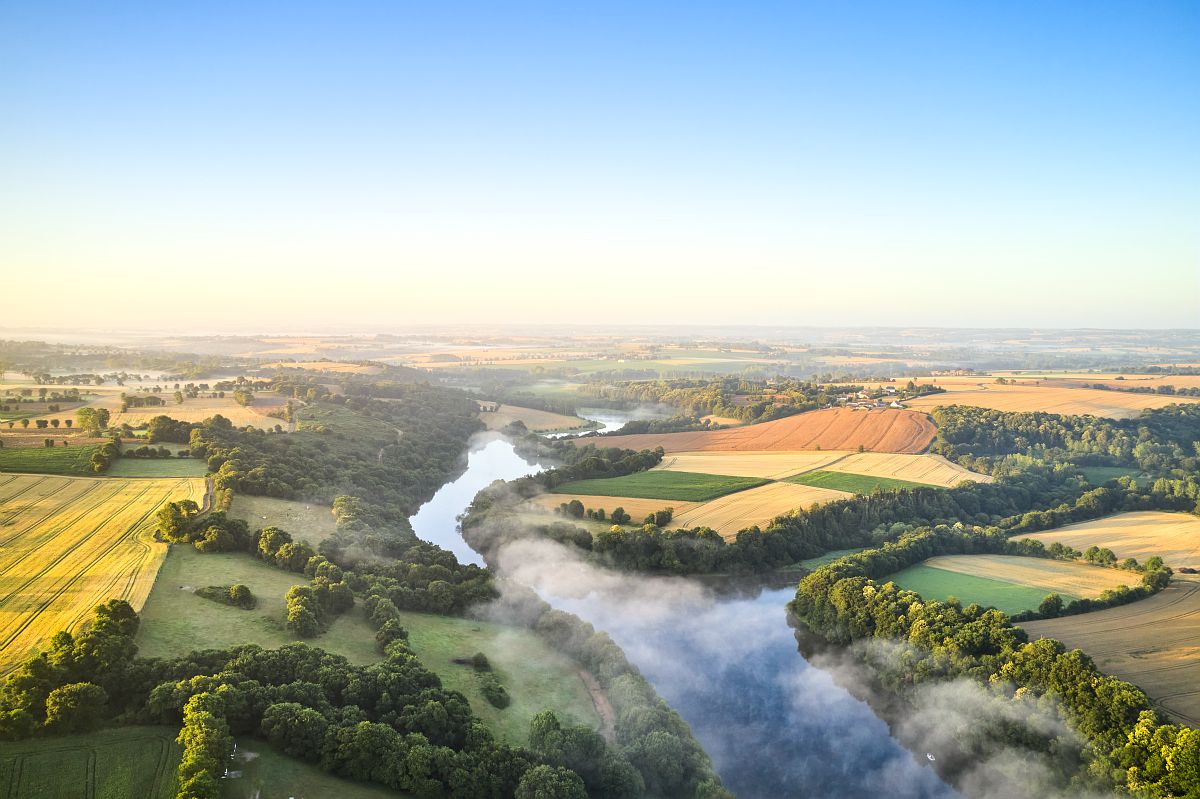
Image source: Brittany tourism website: https://www.brittanytourism.com/
The lyrics of this song are very interesting, fully demonstrating the French style of French humor:
Original French lyrics:
1.
Monsieur l Cure nveut pas, que les gars embrassent les filles.
Mais il ne defend pas, que les filles embrassent les gars.
2.
Monsieur l Cure nveut pas, que les gars embrassent les filles.
Mais Monsieur l Maire a dit, dles embrasser malgre lui.
Chorus.
Fa la la, la lere, fa la la, la lere, fa la la, la, la, la la la la.
Fa la la, la lere, fa la la, la lere, fa la la, la, la, la la la la.
English translation of the lyrics:
1.
The priest does not like boys hugging girls.
But he does not mind girls hugging boys.
2.
The priest does not like boys hugging girls.
But the mayor said, do not care about what the priest says, you all hug as much as you can.
Chorus.
Fa la la, la lere, fa la la, la lere, fa la la, la, la, la la la la.
Fa la la, la lere, fa la la, la lere, fa la la, la, la, la la la la.
Chinese translation of the lyrics:
1.
牧師不喜歡男孩們擁抱女孩
但他不介意女孩們擁抱男孩
2.
牧師不喜歡男孩們擁抱女孩
但是市長說,不要管牧師說什麼,你們盡量擁抱
和.
Fa la la, la lere, fa la la, la lere, fa la la, la, la, la la la la.
Fa la la, la lere, fa la la, la lere, fa la la, la, la, la la la la.
Just two short sentences of lyrics present one hundred percent of French humor and romance.
Image source: French website:https://www.freepik.com/
Enjoy the original folk dance song:
Following, introducing this dance itsself. This dance is composed of only two simple short sections, plus simple interlude transitions. It was promoted in the United States by the couple Germain and Louise Hébert in the year 1964; and it was taught again in the United States at the 22nd Annual Folk Dance Camp on July 27, the year 1969.
22nd Annual Folk Dance Camp Manual_Cover: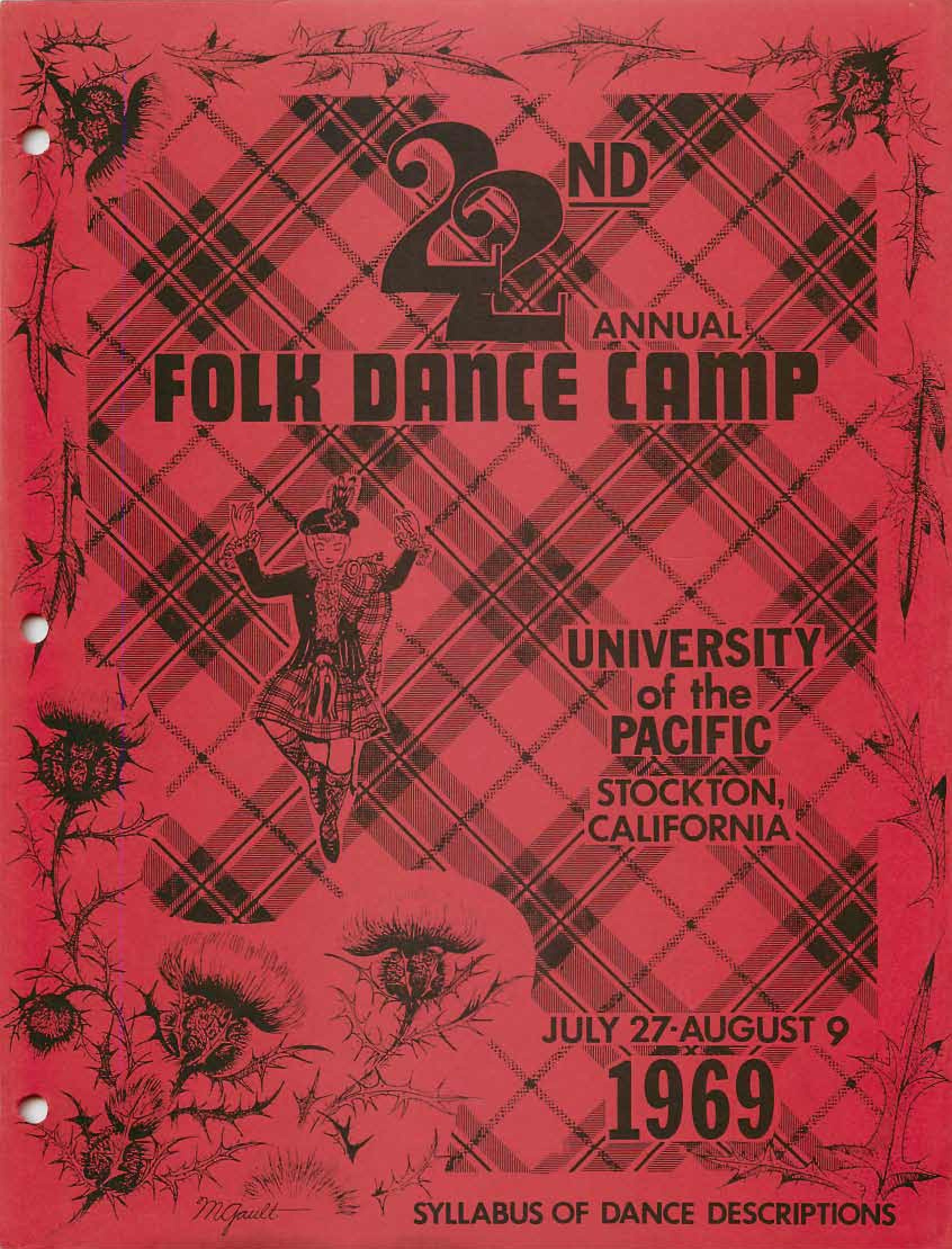
22nd Annual Folk Dance Camp Manual_Table of Contents_index by dance name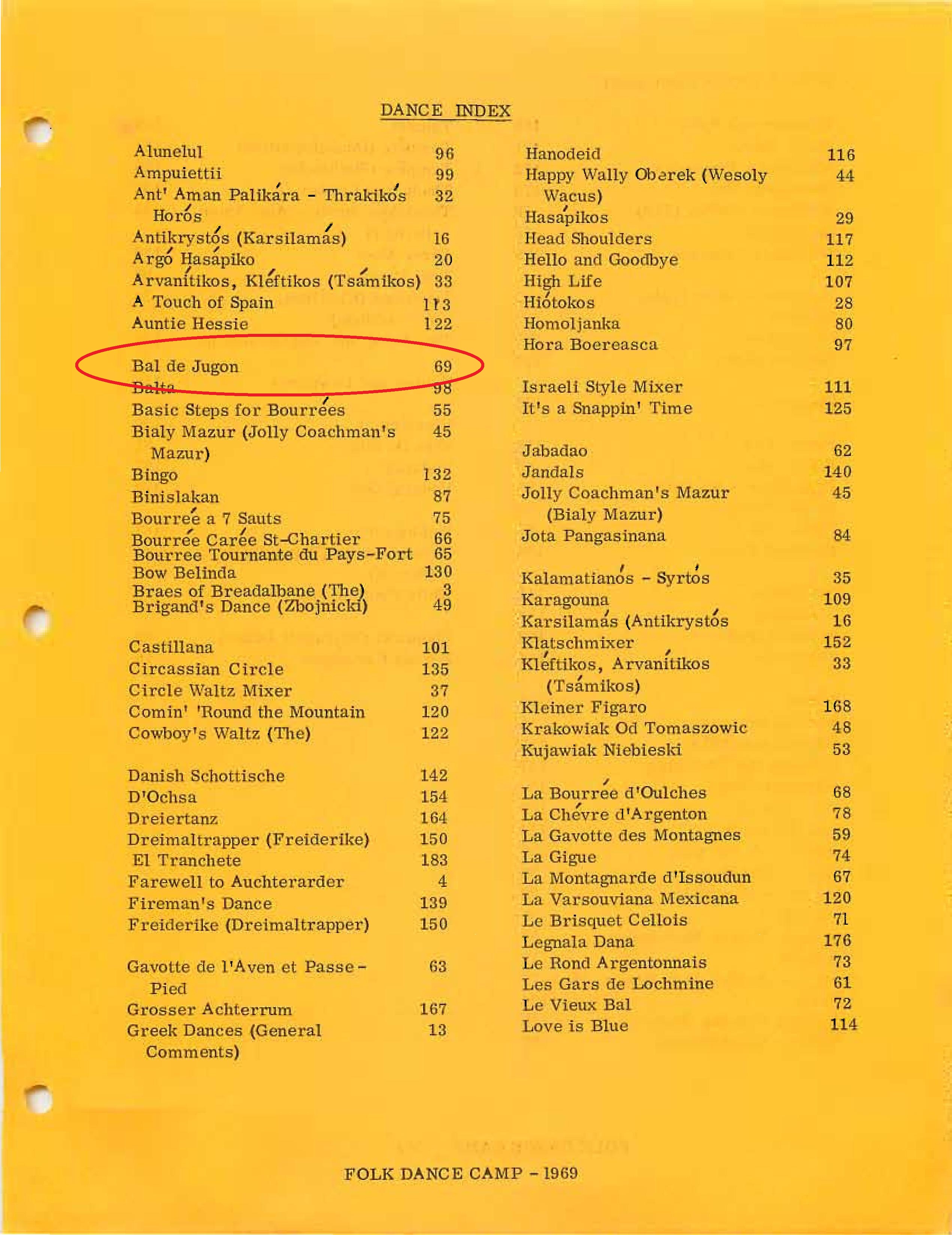
22nd Annual Folk Dance Camp Manual_Table of Contents_index by teacher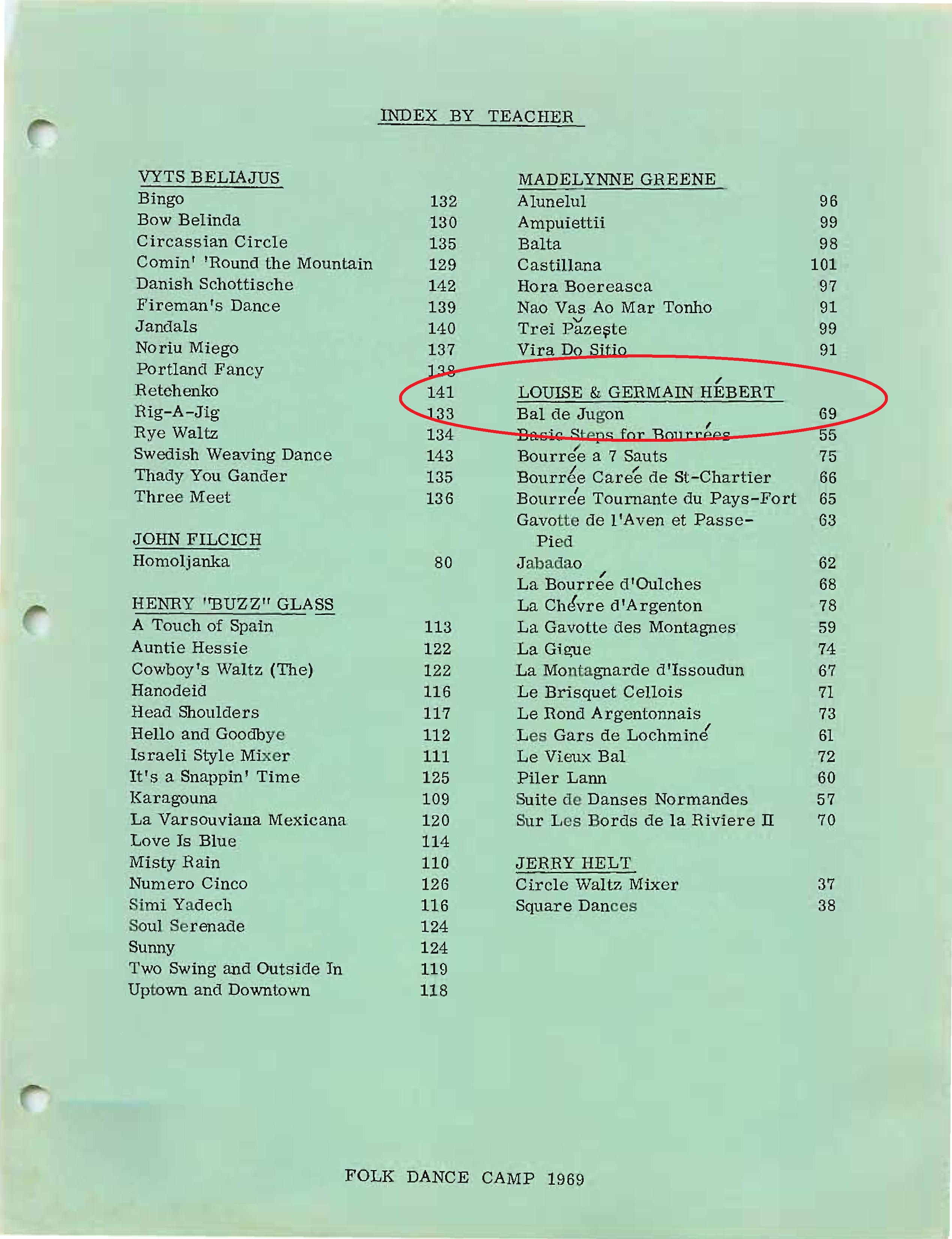
Three simple dance steps, heel-toe step, walking step, and two-step, constitute this dance, which can be used as an ice-breaking game or a partner-changing mixer at a dance party.
The boss(it’s me, Teacher Frog!) treats you to the original dance routine of this dance: (Manual of the 22nd Annual Folk Dance Camp in the United States, 1969)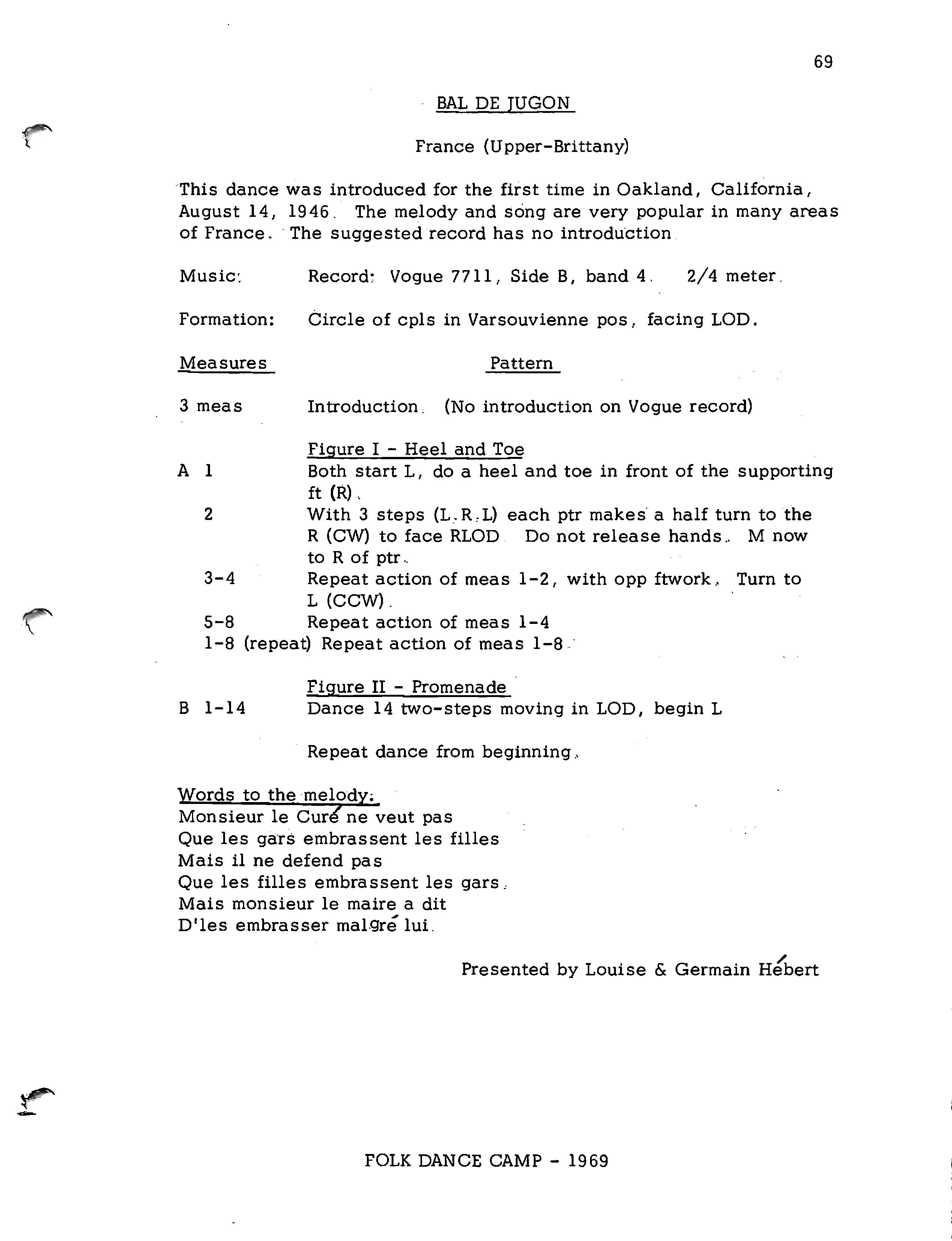
Regarding the original dance routine from the 1969 American Folk Dance Camp manual, Teacher Frog notes variations in the described steps, a likely typo regarding the US introduction year (1964 instead of 1946), and the absence of a musical intro in the camps audio version.
Teacher Frogs Note 1: The original dance routine only introduces the second variation step mentioned in Teacher Frogs Note 2 above.
Teacher Frogs Note 2: The statement in the Folk Dance Camp manual saying that this dance was first taught in the United States in the year 1946 might be a typo, and it should be the year 1964.
Teacher Frogs Note 3: The original music has an intro, but the camp version cuts it so singing and dancing start immediately.
Finally, reference videos are provided. As a relaxed couple dance, movements may vary, so please compare with the routines. Reference demonstration videos from French and American folk dance clubs show minor variations or footwork errors compared to the standard choreography.
Folk Dance Club from Brittany:
Teacher Frogs Note: The first section matches the routine, but the interlude circling moves toward the LOD instead.
Tucson Folkdance from US: (Started with the wrong foot-left foot instead of right-do not copy.)
Les Lavandières dErquy from France:
Reference Sources:
1.The Society of Folk Dance Historians (SFDH) :https://sfdh.us/encyclopedia/bal_de_jugon.html 2.Brittany Tourism Network, France:https://www.tourismebretagne.com/
3.Manual of the 22nd Annual Folk Dance Camp in the United States, 1969


