Szakácsné Tánc
(Hungary)

Song Title:Cinege
Composer:Hungarian Folk Song
Original Dance Title:Szakácsné Tánca
Chinese Dance Title:中歐少女
Choreographer:Judit Magyar
“Traditional dances from the Carpathian Basin and Hungary are diverse treasures… We must save, protect, and revive these precious cultural heritages.”
—A quote from Folk Dance Language (Az anyanyelvi tánc), published in 1999 by Sándor Tímár, winner of the Kossuth Prize (Hungarian National Arts Prize) and renowned choreographer.
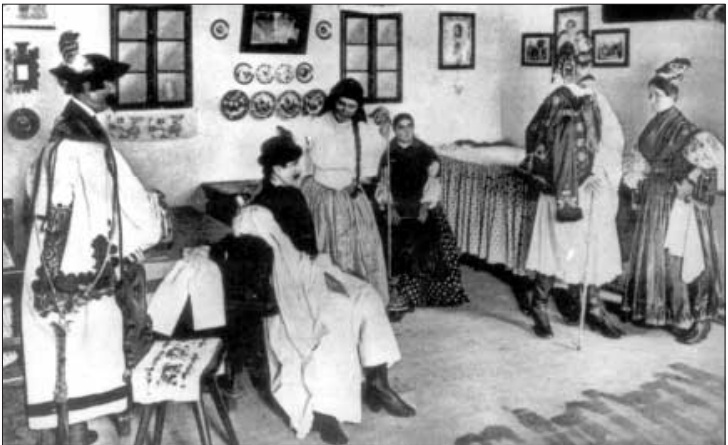
Image Source:Hungarian Heritage, 2000 Vol.1 Numbers 1-2
This highly captivating dance originates from the Dunántúl (Transdanubia) region of western Hungary, a historical dance hub. Its origin is quite intriguing—let Teacher Frog tell you all about it. As usual, please grab a seat, Teacher Frog is about to begin!
This dance originates from the Dunántúl region of Hungary. In Hungarian, Dunántúl literally means "beyond the Danube" or "Transdanubia," located in western Hungary.
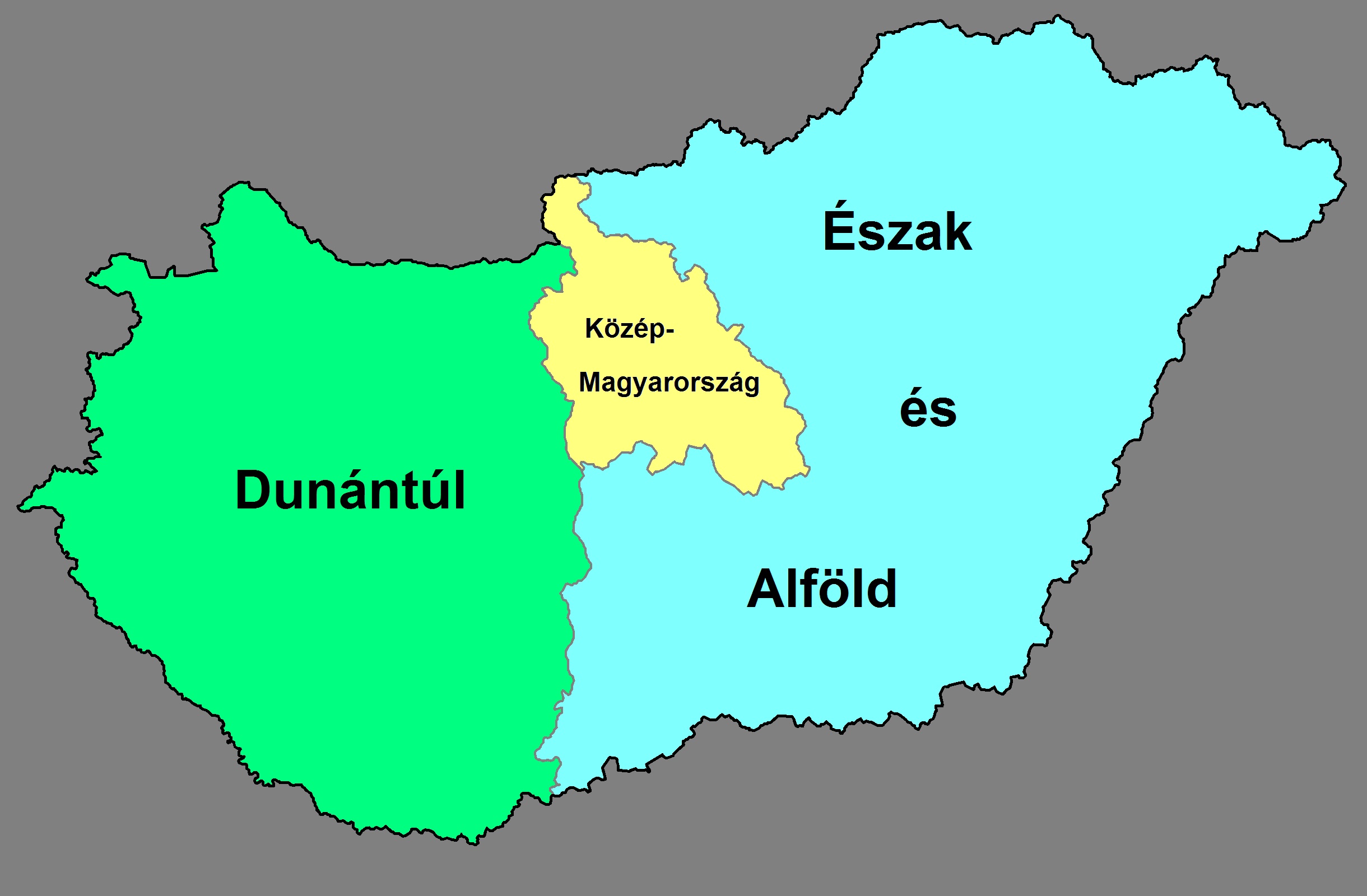
Image source:Chinese Wikipedia
First, lets introduce the music. The song for this dance is titled Cinege, which means Eurasian blue tit (titmouse). The music is highly integrated with the choreography, which will be discussed in more detail later when introducing the structural aspects of the dance itself.
Hungarian Titmouse: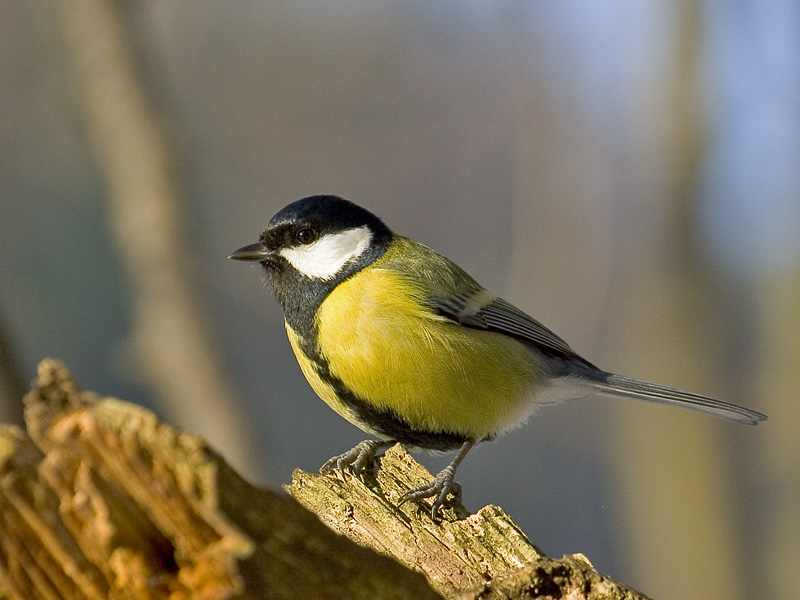
Image source: The Microbiologist
The folk dance version of this track is performed by Mátyás Jónás and his Folk Orchestra; released on January 28, 1969, on the historical album Ugorjunk a táncba... Hungarian Folk Dances.
Ugorjunk a táncba... Hungarian Folk Dances Album Cover: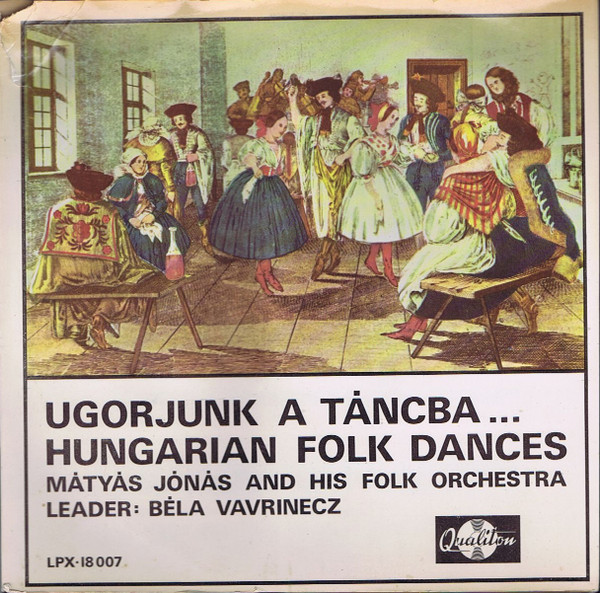
Ugorjunk a táncba... Hungarian Folk Dances Album Inner Page 01: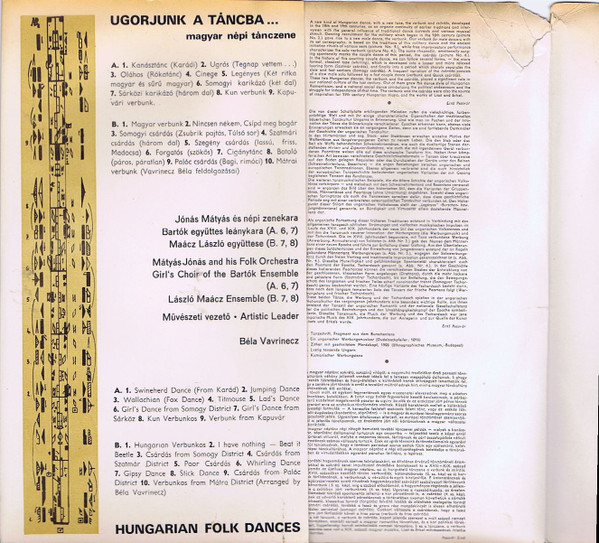
Ugorjunk a táncba... Hungarian Folk Dances Album Inner Page 02: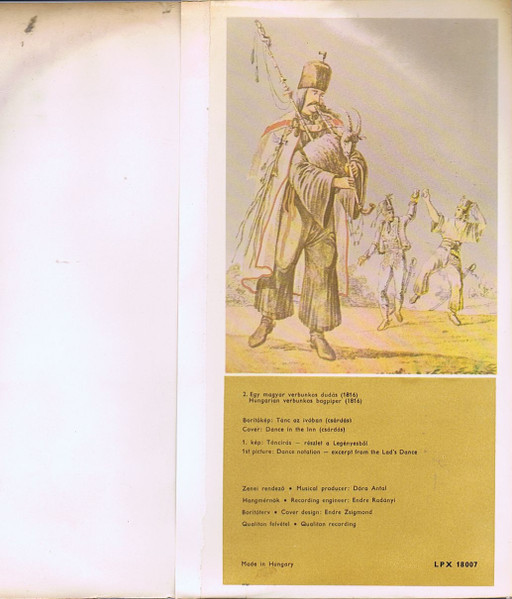
Ugorjunk a táncba... Hungarian Folk Dances Album Back Cover: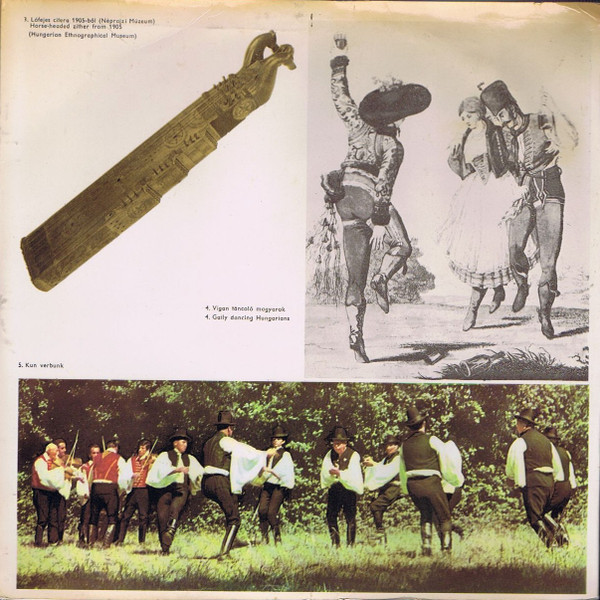
Ugorjunk a táncba... Hungarian Folk Dances Album Side A: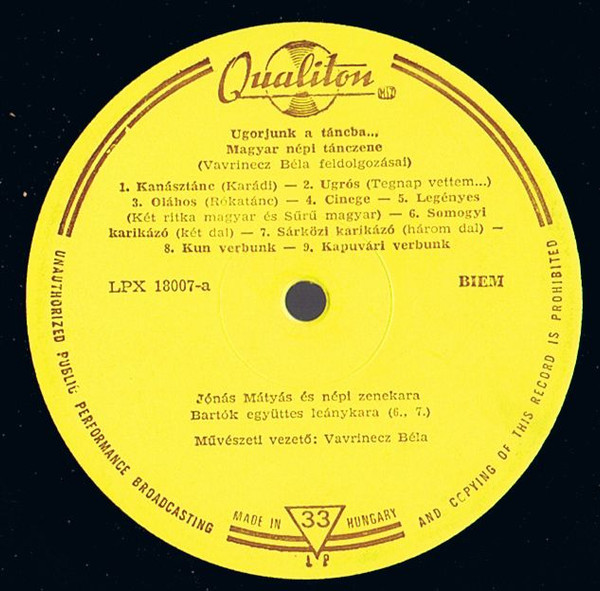
Ugorjunk a táncba... Hungarian Folk Dances Album Side B: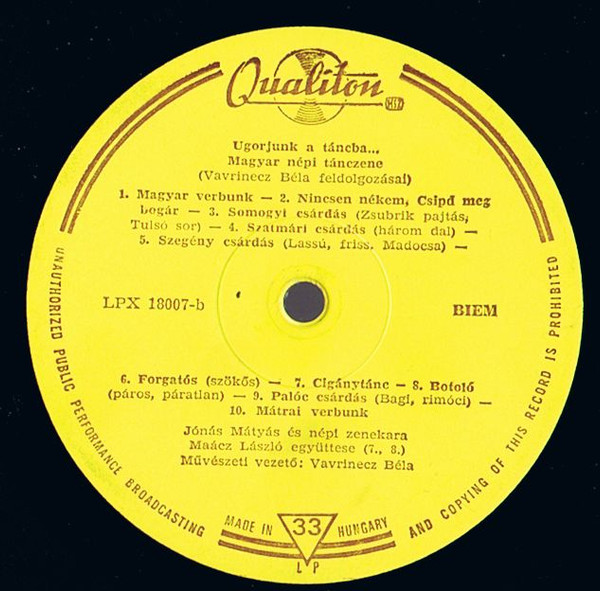
This album contains 9 historical dance tracks that have been released in Taiwan. Teacher Frog notes the following:"Szakácsné Tánca"(Cinege) is track 4 on Side A:
Track List:
A1. Kanásztánc (Karádi)
A2. Ugrós (Tegnap vettem...)
A3. Oláhos (Rókatánc)
A4. Cinege
A5. Legényes (Két ritka magyar és sűrű magyar)
A6. Somogyi Karikázó (Két dal)
A7. Sárközi Karikázó (Három dal)
A8. Kun Verbunk
A9. Kapuvári Verbunk
B1. Magyar Verbunk
B2. Nincsen nékem, csípd meg bogár
B3. Somogyi Csárdás (Zsubrik pajtás, Túlsó sor)
B4. Szatmári Csárdás (Három dal)
B5–B6. Szegény Csárdás (Lassú & Friss) (Madocsa)
B7. Forgatós (Szökős)
B8. Cigánytánc
B9. Botoló (Páros, Páratlan)
B10. Palóc Csárdás (Bagi, Rimóci)
B11. Mátrai Verbunk (Vavrinec Béla feldolgozásai)
Next, the author will introduce the original source and structural typology of this dance:
Now for the most exciting part—the core introduction to the choreography. First, lets briefly analyze the five major dialects and structural styles of Hungarian folk dance:
1. Karikázó: An archaic, medieval ritual dance form performed exclusively by women holding hands in a closed circle. It is traditionally performed a cappella, with the dancers singing ancient lyrical folk verses to provide their own rhythmic and melodic accompaniment.
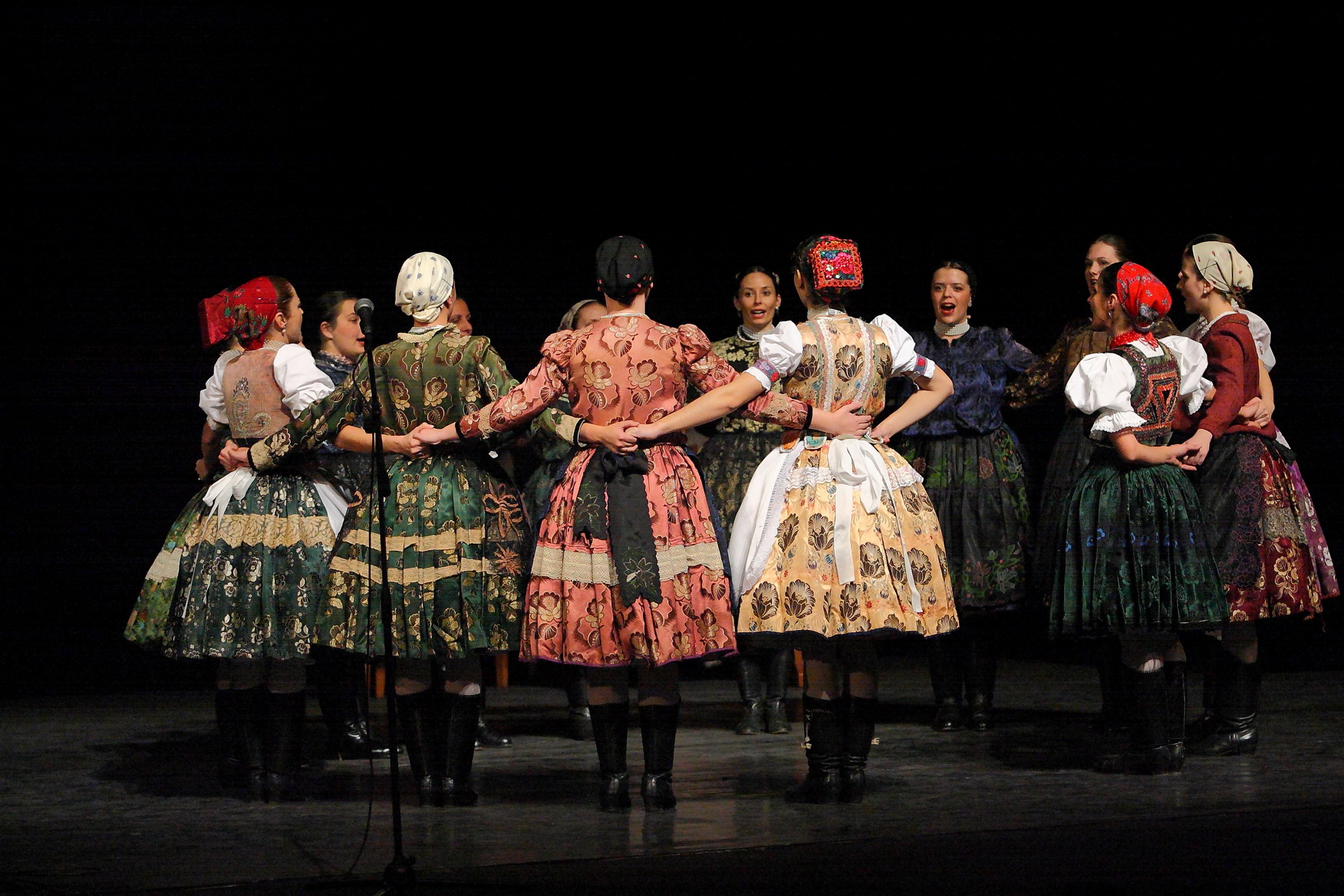
Image source:Daniel Knaggs website (USA):https://danielknaggs.com/
2. Ugrós: Also known as jumping or weapon dances, these stem from early medieval dance layers. They encompass solo and duet forms set to archaic musical structures, including swineherd dances, solo mens dances from Transylvania (Erdély), and historic military choreography (some performed with weaponry). Characterized by a brisk tempo, they feature syncopated leaps, bounds, and running motifs. Herdsmen frequently incorporated utilitarian implements such as canes, axes (fokos), or whips, which subsequently evolved into specialized branches like the cane dance (sétálós) and stick dance (botoló).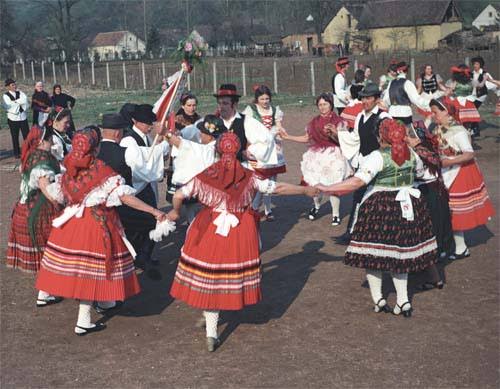
Image source:Oktatási Hivatal Sulinet Tudásbázis:https://tudasbazis.sulinet.hu/
3. Legényes: This is a virtuosic solo male dance dialect native to the Kalotaszeg region of Transylvania. Transylvania was historically a part of the Austro-Hungarian Empire but was incorporated into Romania following World War II. While Legényes is intrinsically a young man’s dance, seasoned elders will also enter the dance space to perform the Legényes, proving their enduring vitality and technical mastery. The structural hallmark of this genre is free improvisation within a rigid musical framework. Typically, a single male dancer commands the floor at a time to showcase his skill, followed sequentially by the next performer. Women participate non-dynamically by forming a stationary line flanking or behind the performance space, singing structural verses (csujogatás) and clapping to cheer on the soloists. Musically, a dance cycle usually consists of 4 or 8 structured periods, each containing 8 beats. The first 8-beat phrase is the Opening Phrase (Kezdés), which is uniform across dancers. The final 8-beat segment is the Cadence (Zárás). The intermediate periods (16 beats) are reserved entirely for the dancers improvisational motifs (Motívum)-this is where virtuosic footwork, heel-clacking, and boot-slapping skills are showcased. Dancers perform sequentially to compete in technique and rhythmic complexity. The traditional folk band is positioned centrally or at the rear, while the dancers perform directly facing the musicians to establish direct rhythmic communication.
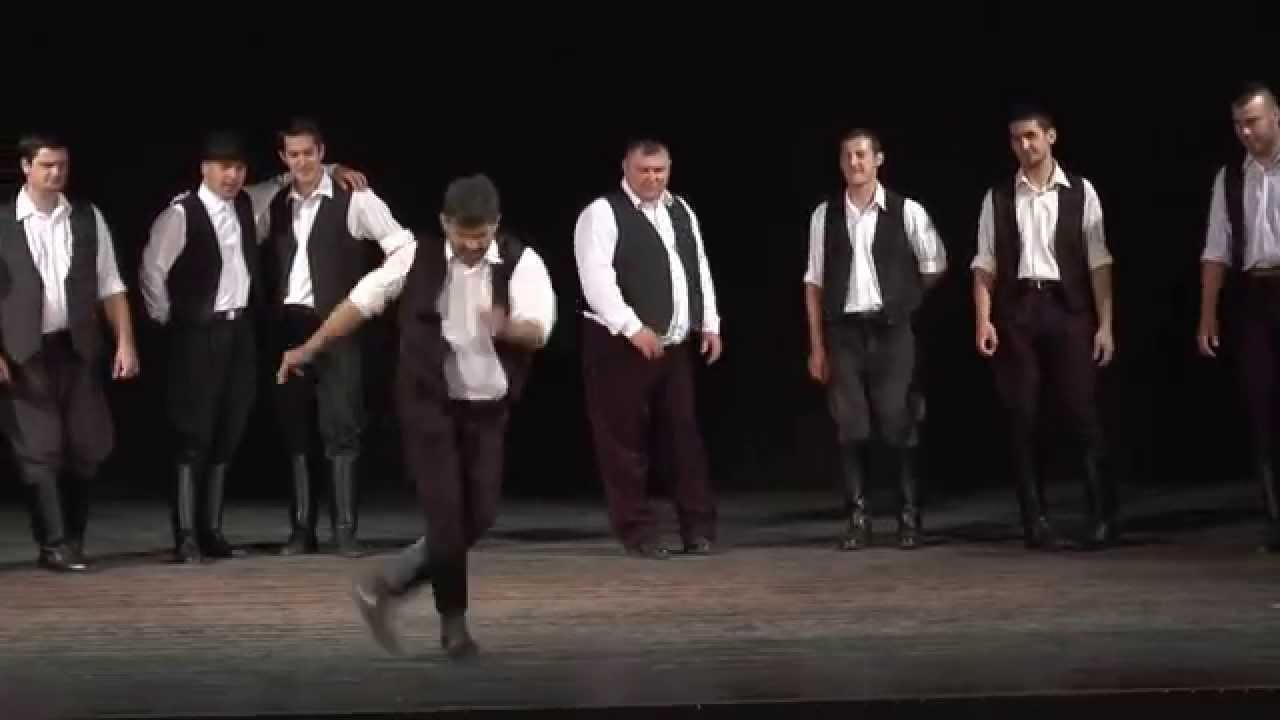
Image source:Eleki Román Hagyományőrzők Dance Company (Elek, Hungary)
4. Verbunkos: A "new-style" dance genre that crystallized in the 18th century, originally institutionalized by the Austro-Hungarian military regiment to entice rural youths into enlistment. The performance posture is rigidly upright and majestic, characterized by a driving, syncopated rhythm featuring heavy syncopated stomps, intricate boot-slapping (csapásolás), and sharp heel-clicks.
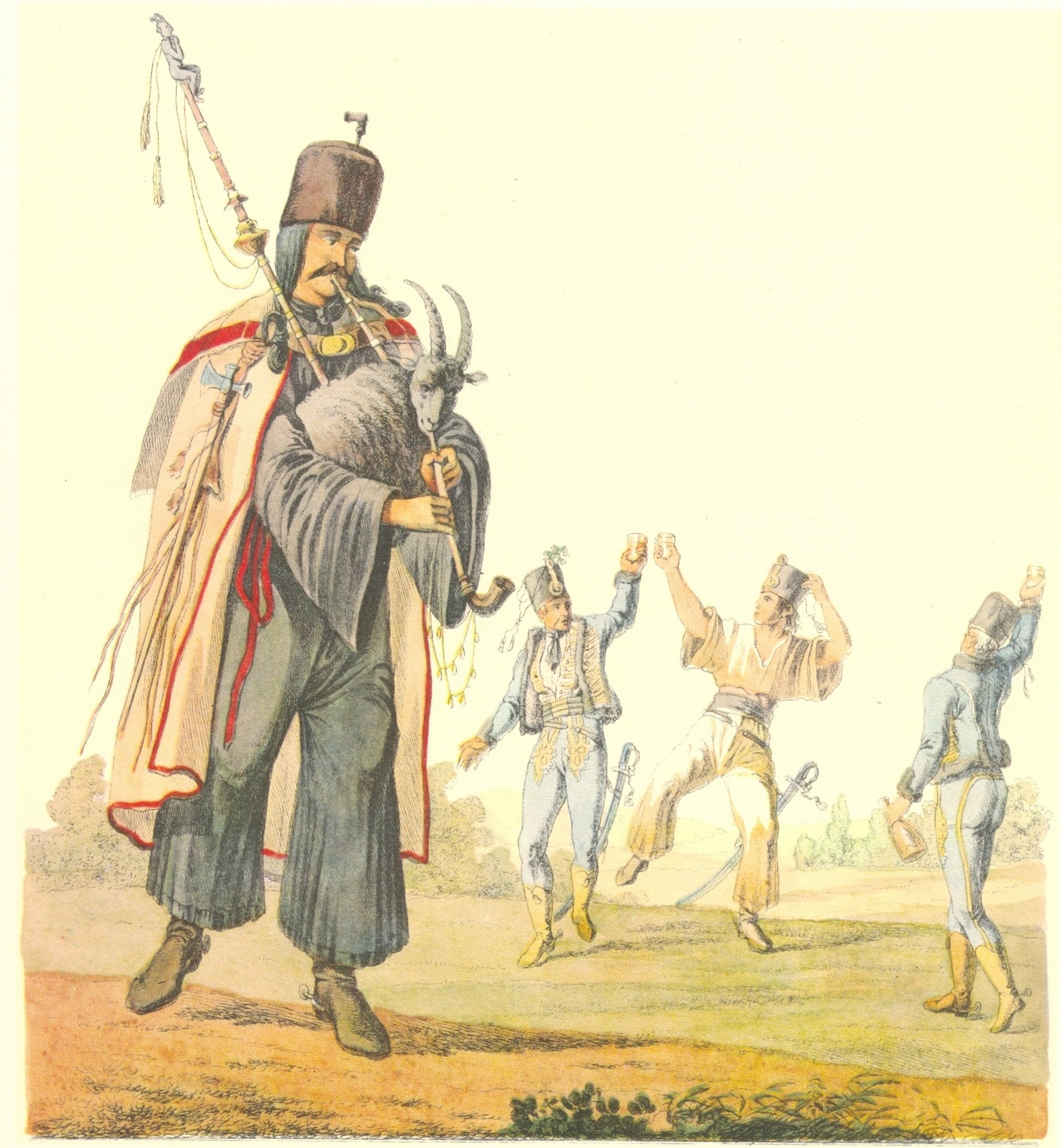
Image source: https://commons.wikimedia.org/
5. Csárdás: The definitive national couple dance of Hungary, locally termed Csárdás. The structural progression of the dance characteristically transitions from a restrained, slow tempo (Lassú) to a fiery, virtuosic fast tempo (Friss), demonstrating an elite level of improvisational synergy and partnering technique between the male and female dancers. Numerous classical composers integrated the Csárdás idiom into Western art music—most notably Franz Liszt, Johannes Brahms, Johann Strauss II, and Pyotr Ilyich Tchaikovsky. Interestingly, despite originating in the 18th century, this style is formally classified as a "New Style" (Új stílus) within the grand timeline of Hungarian choreographic history (since, when compared to medieval ugrós layers, the 18th-century Csárdás is significantly more modern—a distinction Teacher Frog will elaborate on in later sections).
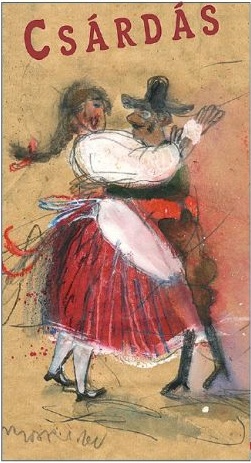
Image source: Schott Music Group:https://www.schott-music.com/
The word Csárdás is derived from csárda, which means "tavern." This famous Hungarian folk dance is believed to have originated among the Magyars and the Romani people. Some scholars also suggest that Csárdás evolved from the 18th-century verbunkos, a dance music format used by recruiters for the Hungarian Army. Its defining characteristic is the dramatic shift in tempo from slow to fast. It begins with a slow tempo (lassú) and concludes with a fast tempo (friss), such as the "Csárdás" track from Synco Records (Album No. 1041), which was later used for the formation dance "The Maidens of the Valley." There are also other variations of tempo changes, known as ritka csárdás, sűrű csárdás, szökős csárdás, and so on. The musical meter is typically in 2/4 or 4/4 time. Female dancers wear traditional wide skirts, usually red, which flare out into beautiful, captivating shapes as they spin.
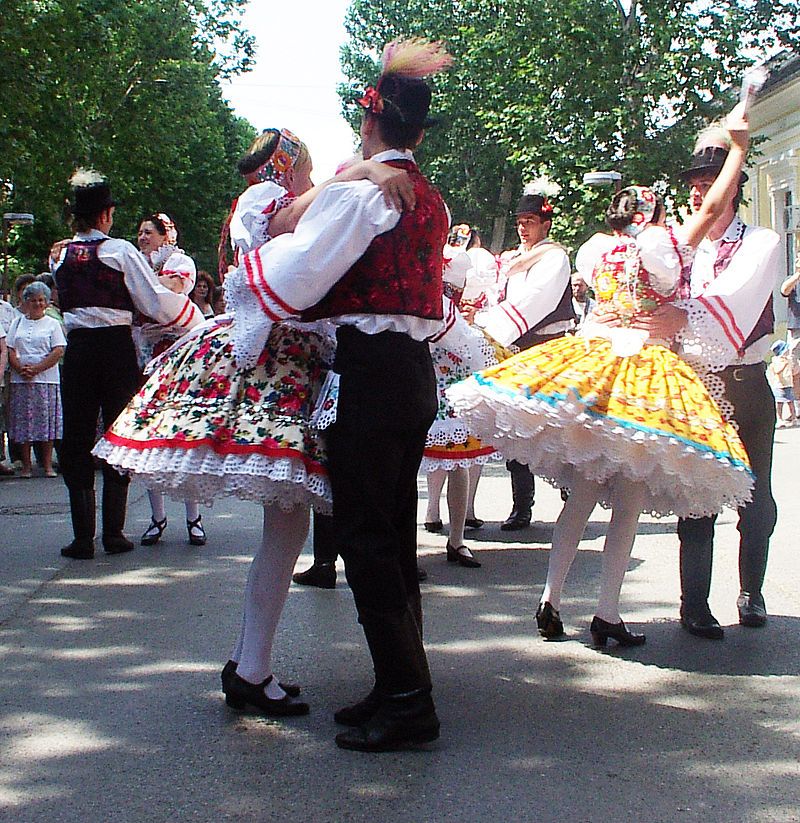
Image Source: Wikipedia (Chinese Version)
Here is a brief supplement regarding the "Old Style" (Régi stílus) and "New Style" (Új stílus) of traditional Hungarian music and dance mentioned above in Section 5, Csárdás. For the Hungarians and Magyars who have inhabited this land since the 5th to 8th centuries AD, the musical and folk dance cultures nurtured over the past 1,500 years represent a rich cultural heritage and a treasure of world ethno-culture. Within this vast span of history, a clear distinction can be made around the 18th century regarding Hungarian folk music and dance styles. This classification was proposed between 1918 and 1924 by the early 20th-century ethnomusicologist and composer Béla Bartók, and has since been universally adopted by academia. The "Old Style" preserves the Turkic-Mongolic and Finno-Ugric cultural elements brought by the Magyars during their westward migration from Asia and the Ural Mountains before the 9th century AD, forming the millennial core of indigenous Hungarian culture. In contrast, the "New Style," which evolved from the 18th century over the subsequent hundred years and matured in the 19th century, was developed by Hungarian peasants. They adapted western European classical music, Catholic hymns, and the musical traditions of neighboring Slavic and Germanic peoples, reshaping them through their native language into a new indigenous musical style. Since folk dance evolves alongside folk music, we can classify the aforementioned five Hungarian dance genres into "Old Style" and "New Style." The Karikázó (maidens round dance) and Ugrós (leaping dance) from the Middle Ages, along with the Legényes (young mans solo dance) from the late Middle Ages, naturally belong to the Old Style. On the other hand, the Verbunkos (military recruiting dance) and Csárdás, which emerged after the 18th century, belong to the New Style.
Hungarian "Old Style" (Régi stílus) Folk Dances:
Karikázó
Ugrós
Legényes
Hungarian "New Style" (Új stílus) Folk Dances:
Verbunkos
Csárdás
Next, let us introduce the dance itself. The origin of this dance is highly fascinating, and it is named Szakácsné Tánc. In Hungarian, the root word for Szakácsné is szakács, meaning "cook" or "chef." The suffix -né denotes a married woman or female, so combined, it translates to "female chef" or "head cook". Tánc means "dance," so together, the title translates directly to the "Dance of the Head Cook".
The underlying theme of this dance reflects an intriguing Hungarian folk tradition, which I, Teacher Frog, will share with you.
In traditional Hungarian wedding feasts, particularly in regions like the Great Hungarian Plain (Alföld) or the Palóc region (note from Teacher Frog: the Great Hungarian Plain is a geographical rather than an administrative concept, covering about 56% of Hungarys territory; the Palóc region is also a geographical area located in the mountainous north bordering Slovakia, inhabited by a distinct subgroup of Magyars), the Szakácsné is by no means an ordinary line cook simply flipping food by the stove. Her status is equivalent to an Executive Chef, holding a position of high honor and authority at the wedding banquet.
The Great Hungarian Plain (Alföld):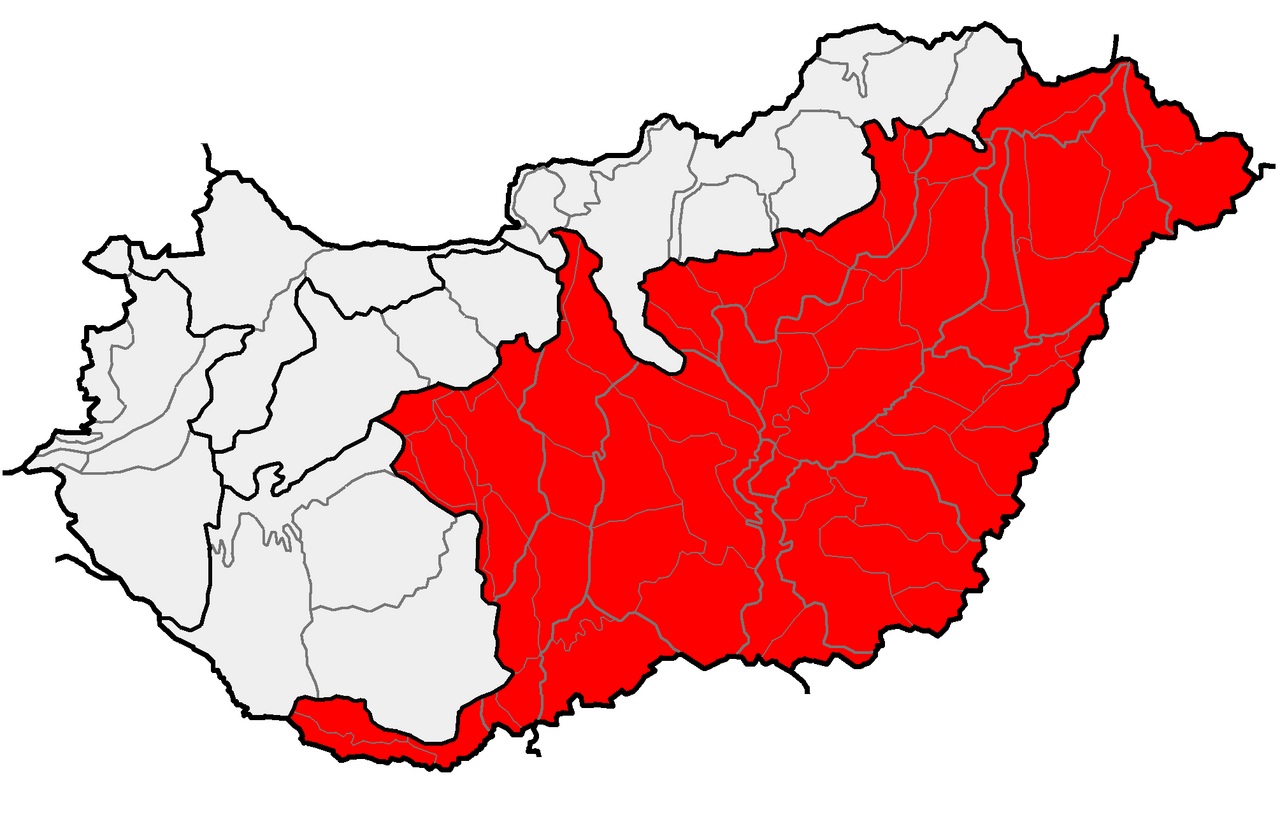
Image Source: Wikipedia (English Version)
The Palóc Region of Hungary: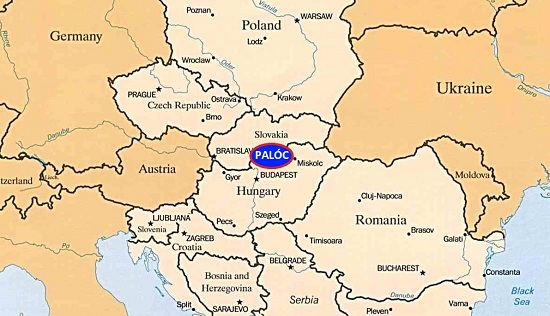
Image Source: Hungarian Palóc Út Website:http://www.palocut.hu/
Szakácsné :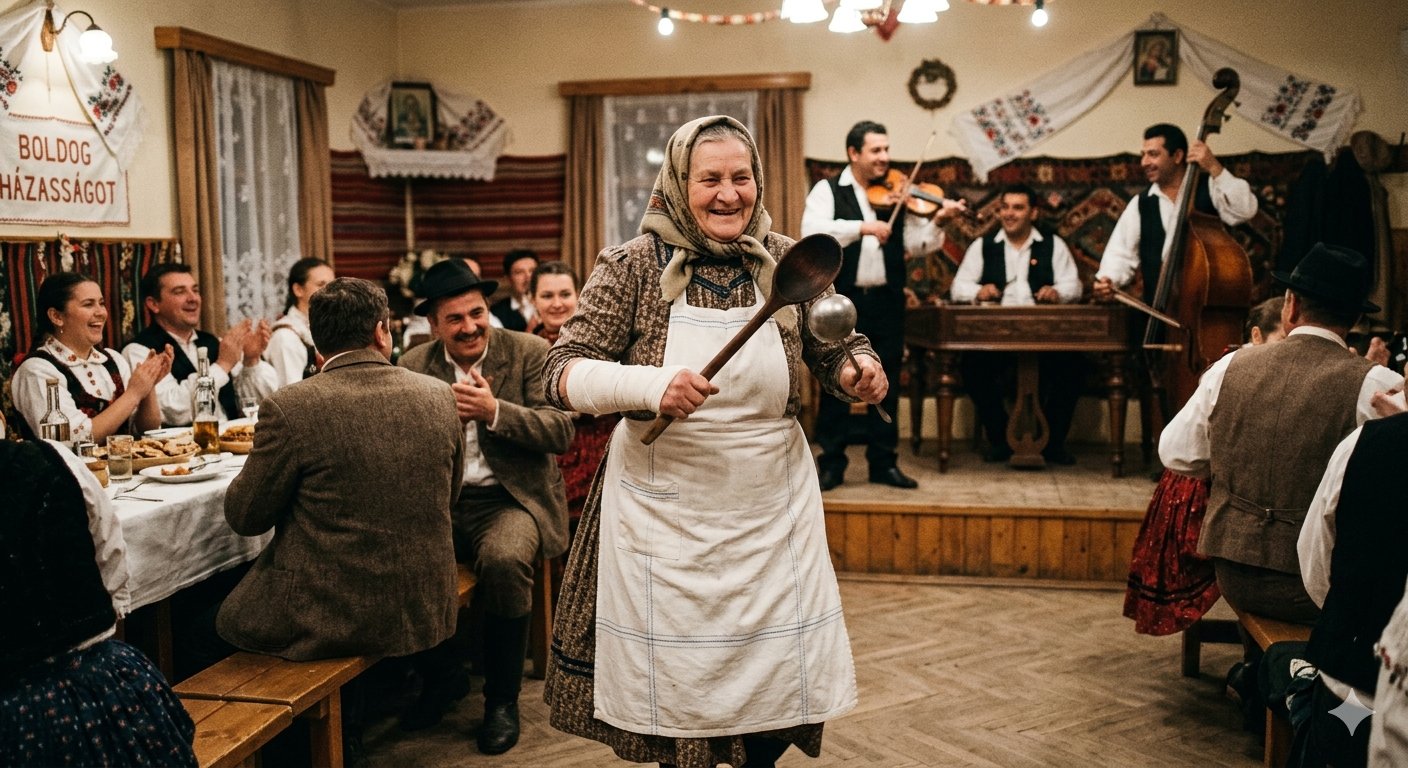
Image Source: Generated by Google AI
When the banquet reaches the final course—the traditional stuffed cabbage (Töltött káposzta)—the head cook, Szakácsné, leads her kitchen crew out of the kitchen. Armed with pots, pans, rolling pins, large wooden spoons, pot lids, and even crutches(!), they march into the banquet hall and storm the dance floor. Most notably, their hands and feet are heavily wrapped in bandages as they jokingly play for sympathy, pretending to have suffered burns and falls while cooking the grand feast. Szakácsné then approaches the band leader (typically the first violinist, known as the Prímás). Showing him her "burned" hands, she loudly complains: "I worked myself to the bone cooking this feast, burning my hands and wearing out my feet, while you musicians just sit out here in the cool air, playing your violins so effortlessly!" Exercising her privilege as the head cook, she then demands that the band leader halt the current music and switch to a high-speed, traditional Csárdás reserved exclusively for the cooks.
The band leader, however, does not yield so easily. Faced with the head cook’s complaints, he initially plays dumb or refuses. That is when Szakácsné plays her trump card: she pulls out a wad of cash and waves it in front of him. In front of the entire audience, she might slap a banknote right onto the violinists forehead, or deftly roll up the bills and slide them directly into the "f-holes" on the soundboard of his violin. Delighted by this "bribery," the band leader immediately raises his bow and begins to play the exclusive "Cooks Dance," known as the Szakácstánc, for *Szakácsné and her crew.
When the music plays, the battle of wits between the two truly reaches its climax. It is a duel between musical instruments and kitchen utensils. The band leader plays a trick, grinning deceitfully as he plays his violin right in front of Szakácsné. He intentionally accelerates the tempo of the music faster and faster, as if running on overdrive. He wants to see how long this old woman with burned hands and a limp can hold out, waiting to see when she will make a fool of herself. Chief Cook Szakácsné, of course, refuses to back down. She pulls out all the stops, wielding a giant wooden ladle in her right hand like a percussionist, precisely and forcefully striking a large metal pot lid or frying pan in her left hand, making a loud "Clang! Clang! Clang!" sound. No matter how fast the leader plays the violin or how dense the musical notes are, Szakácsné keeps up with the speed, striking the pot lid and matching the rhythm flawlessly. Chief Chef Szakácsné even has plenty of room to spare, advancing toward the leader with provocative dance steps, forcing the violinist to retreat while playing.
In the end, the band leader finishes with a perfect high note, paying tribute to this queen of the back kitchen. At this point, the other cooks enter the floor with broken plates and bowls, "demanding compensation for their medical expenses for burns" from the guests and the band leader. The leader also symbolically rewards them with some tips. This great showdown between the kitchen and the band finally ends successfully amidst the laughter and toasts of the entire audience.
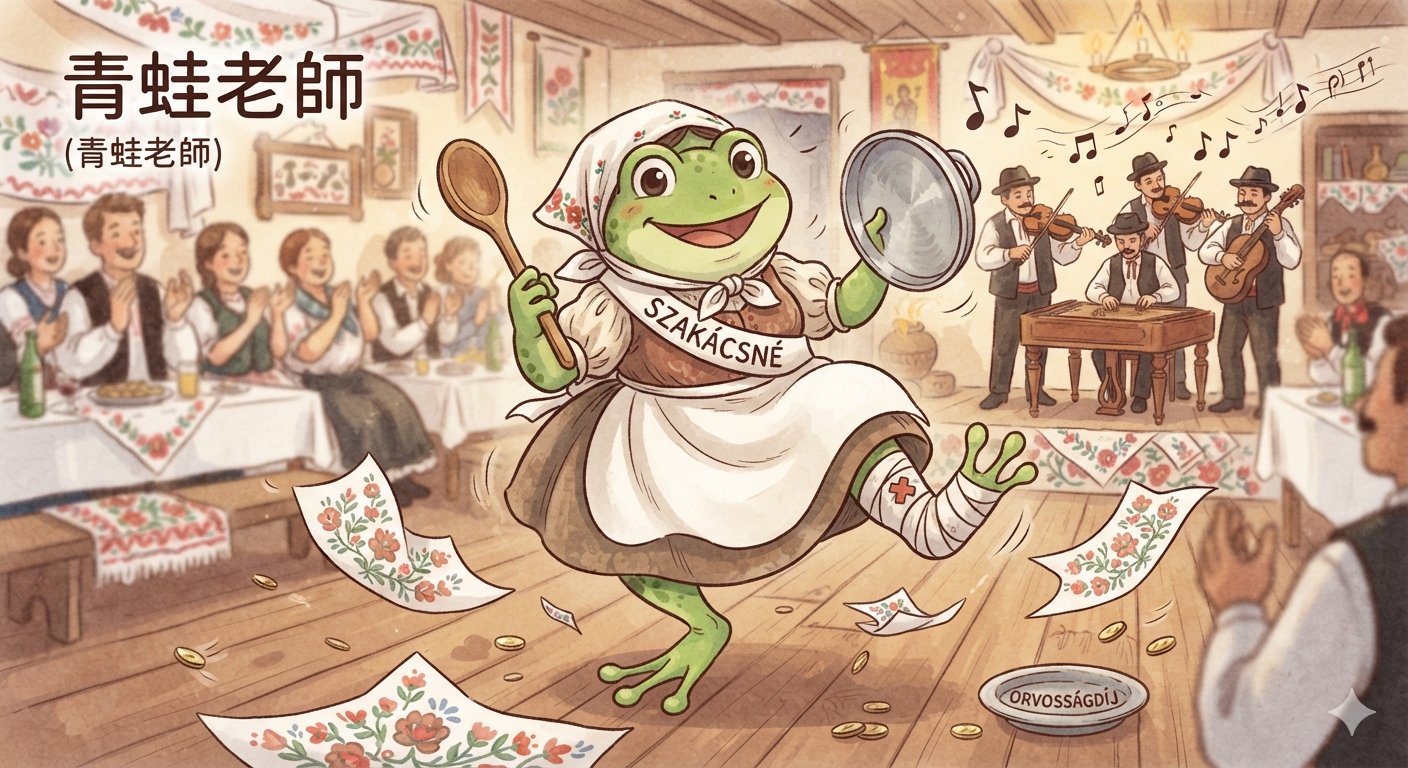
Image Source: Generated by Google AI
Below are video clips from a certain banquet occasion in Hungary, documenting that this ancient Hungarian tradition continues to be passed down even in modern times. Since these are home videos casually recorded by guests, the sequence is cut into 5 segments. Please enjoy them at your leisure, fellow dance enthusiasts:
Since we are talking about the interesting customs of traditional Hungarian weddings, let me, Teacher Frog, share a few more to bring some joy to our dance friends.
1.Vőfély, the wedding master of ceremonies. Wearing a traditional black hat adorned with fresh flowers or ribbons and holding a wooden staff tied with colored ribbons, he controls the rhythm of the entire venue. Equivalent to our wedding master of ceremonies, he manages the wedding proceedings and occasionally recites witty rhymes when dishes are served. For instance, when serving chicken soup, he might say: "Dear guests, please look! This chicken used to sing every day for the happiness of the newlyweds. Today, it volunteered to jump into the pot and turn into this steaming, rich, golden chicken soup. Groom, after drinking this soup, your energy tonight will be as endless as a roosters, guaranteed to keep the bride smiling!"
The Vőfély in the year 1885: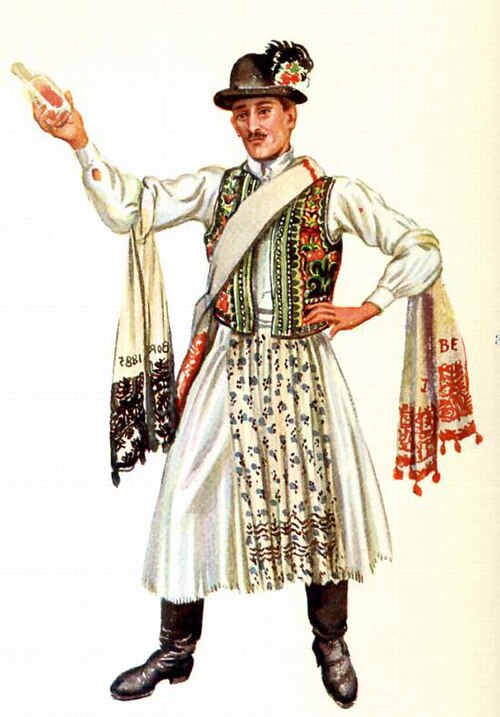
Image Source: Wikipedia (English Version)
2.The Red and White Transformation. As the midnight bell tolls, the most crucial "status transition ritual" of a Hungarian wedding unfolds. Before midnight, the bride wears a pure white wedding dress, representing that she is still a maiden. Once midnight passes, the bride quietly slips away and changes into a new brides outfit (Menyecske ruha) featuring a bright red or burgundy skirt with traditional Hungarian embroidery.
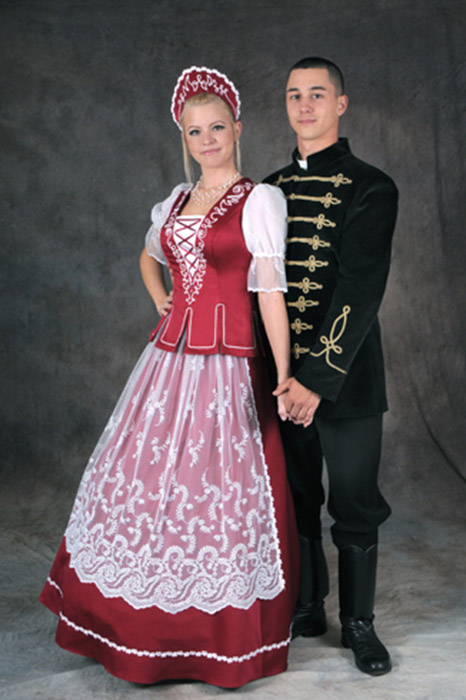
Image Source: Hungarian Website:https://5letruhaszalon.hu/
3.Operation Bride Kidnapping. When the bride goes to change her white gown into the red dress, friends and guests will take advantage of the grooms inattention to "kidnapping" the bride. They will not release her until the groom fulfills the mischievous and unreasonable demands made by his rowdy friends.
4.Menyasszonytánc (The Lucrative Brides Dance). The bride, having changed into her new brides outfit (Menyecske ruha), re-enters the hall holding the grooms hand. At this time, the Vőfély or the best man will hold a large bucket or basin, shouting "The bride is up for sale!" (Eladó a menyasszony!) while striking it with a wooden spoon. If guests want to dance with the beautiful bride, they must throw large wads of cash or red envelopes full of money into the bucket to earn the chance. This money serves as the newlyweds first "joint family fund" to establish their new home.
Did you see the woman walking past in the middle leaning on crutches? She might just be the Chief Chef Szakácsné of this wedding, pretending to be injured to play for sympathy. Haha~
5.Pénzseprés (Sweeping Money). After the bride changes into the red brides outfit at midnight and starts dancing the Brides Dance with guests to earn their family fund, some people will enter the floor carrying a whole bucket or several large, heavy bags of coins. While everyone is dancing at the peak of excitement, these guests will noisily scatter thousands of coins directly into the center of the dance floor, instantly making the ground gleam with golden cash. At this moment, the wedding master Vőfély blows his whistle, and the bands musical style shifts to a lively allegro. The Vőfély will stuff a traditional straw broom and a dustpan into the hands of the groom and bride, letting the newlyweds quickly sweep the coins home. However, the guests will start surrounding them while dancing, intentionally kicking away the coins they are about to sweep into the dustpan, making it "hard-earned money" for the newlyweds. The band will play the music faster and faster at this time, and the guests all around will shout and make mischief until the newlyweds, after going through thick and thin, finally sweep the very last coin into the dustpan.
Traditional Hungarian weddings are truly fascinating, arent they? Having finished talking about the wedding culture, next comes the dance part. The traditional Szakácsné tánc belongs to Ugrós, which means it falls under the exact same dance genre as the Dunántúli Ugrós we frequently dance. However, why does the Szakácsné tánc we perform still feel a bit different from the authentic Ugrós flavor? It feels less like a 4/4 meter "leaping dance." This might need to be understood from the perspective of the choreographer, Judit Magyar. Because Teacher Judit Magyar arranged this as a newly choreographed recreation dance tailored for American dancers to easily pick up. She significantly simplified the complex leg-slapping, leaping, and even the chefs playful improvisational movements with ladles during wedding banquets from the Transdanubian Ugrós region. It leans slightly toward Karikázó.
There is another version of this dance choreographed by Teacher Andor Czompó. The dance title chosen is the same as the musics name, called Cinege, and its dance style carries the authentic Ugrós character:
Complimentary English Dance Syllabus from the Proprietor: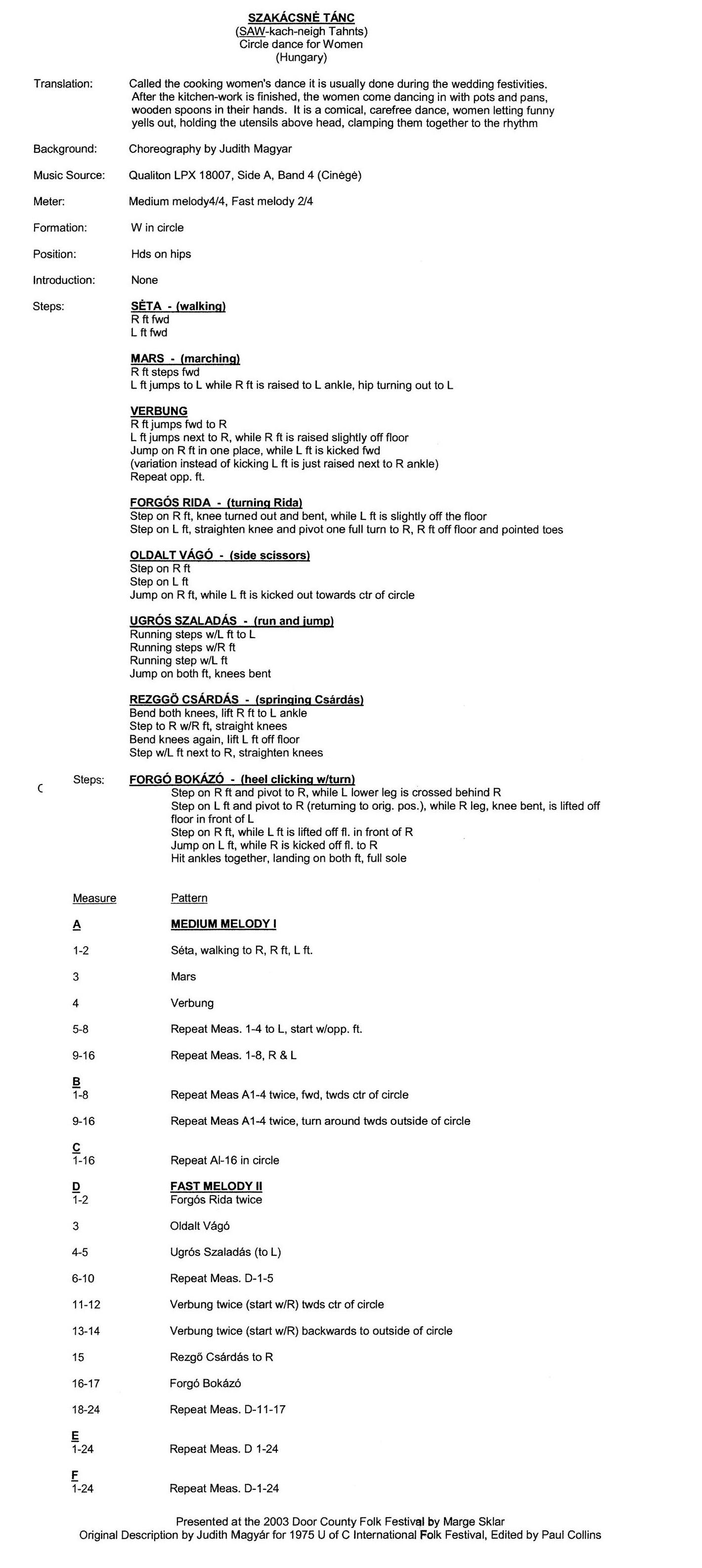
Finally, a complimentary reference demonstration video of this dance from the Proprietor:
References:
1.Wikipedia (English Version)
2.The 8th Asian Folk Dance Camp Manual
3.Google AI
下一則: Bicycle Waltz-Music:England/Dance:USA


