1.
drama- is the specific mode of narrative, typically fictional, represented in performance. The enactment of drama in theatre, performed by actors on a stage before an audience, presupposes collaborative modes of production and a collective form of reception. The structure of dramatic texts, unlike other forms of literature, is directly influenced by this collaborative production and collective reception. The early modern tragedy Hamlet (1601) by Shakespeare and the classical Athenian tragedy Oedipus the King (c. 429 BC) by Sophocles are among the masterpieces of the art of drama.

Ancient Athenian Drama- Western drama originates in classical Greece. The theatrical culture of the city-state of Athens produced three genres of drama: tragedy, comedy, and the satyr play. Their origins remain obscure, though by the 5th century BC they were institutionalized in competitions held as part of festivities celebrating the god Dionysus. Only a small fraction of the work of five dramatists, however, has survived to this day: we have a small number of complete texts by the tragedians Aeschylus, Sophocles and Euripides, and the comic writers Aristophanes and, from the late 4th century, Menander.\Aeschylus' historical tragedy The Persians is the oldest surviving drama, although when it won first prize at the City Dionysia competition in 472 BC, he had been writing plays for more than 25 years.
tragedy- is a form of drama based on human suffering that invokes an accompanying catharsis or pleasure in audiences. While many cultures have developed forms that provoke this paradoxical response, the term tragedy often refers to a specific tradition of drama that has played a unique and important role historically in the self-definition of Western civilization. That tradition has been multiple and discontinuous, yet the term has often been used to invoke a powerful effect of cultural identity and historical continuity—"the Greeks and the Elizabethans, in one cultural form; Hellenes and Christians, in a common activity," as Raymond Williams puts it.
tragedy include: plots, heroes, dialogue, sympathy
tragic flaw- is very different from those minor weaknesses. It is a specific frailty or vice that brings about serious misfortune and damage. In literature, tragic flaws are often seen in the main characters of tragedies. A literary tragedy is a story in which noble characters struggle with external or internal forces in the face of destruction or death. These characters are responsible and brave, but each often has a tragic flaw: the one weakness that bringsabout their struggles. This flaw often leads to their troubles and ultimately their downfall.
Examples:
(1)The hero Achilles' tragic flaw is his pride. He thinks he is completely invincible, but he has a weak spot-his ankle.
(2)In Oedipus Rex, Oedipus' downfall is also caused by his own pride, and by ignoring the prophecy if the gods, he inadvertently married his own mother.
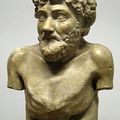
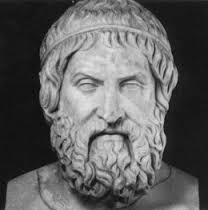
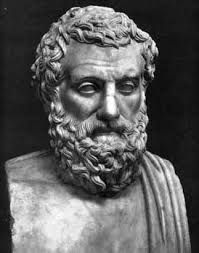
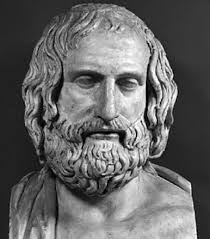
Three Tragedians-
Sophocles
Aeschylus
Euripides
2.
patricide- is the act of killing one's father, or a person who kills his father. The word patricide derives from the Latin word pater (father) and the Latin suffix -cida (cutter or killer). Patricide is a sub-form of parricide, which is defined as an act of killing a close relative.
incest- is sexual activity between family members or close relatives. This typically includes sexual activity between people in a consanguineous relationship (blood relations), and sometimes those related by affinity, such as individuals of the same household, step relatives, those related by adoption or marriage, or members of the same clan or lineage.
priest- is a person authorized to perform the sacred rituals of a religion, especially as a mediatory agent between humans and one or more deities. They also have the authority or power to administer religious rites; in particular, rites of sacrifice to, and propitiation of, a deity or deities. Their office or position is the priesthood, a term which also may apply to such persons collectively.
inauguration- is a formal ceremony to mark the beginning of a major public leader's term of office. The "inaugural address" is a speech given during this ceremony which informs the people of his/her intentions as a leader. A famous inauguration speech is John F. Kennedy's. This can also be seen by Franklin D. Roosevelt, in which he said, 'the only thing we have to fear is fear itself - nameless, unreasoning, unjustified terror.
catharsis- is the purification and purgation of emotions—especially pity and fear—through art or any extreme change in emotion that results in renewal and restoration. It is a metaphor originally used by Aristotle in the Poetics, comparing the effects of tragedy on the mind of spectator to the effect of a cathartic on the body.
3.
innovation- something new or different introduced or the act of innovating; introduction of new things or methods.
renovation-the act of improving by renewing and restoring.