Greek tradegy
Greek tragedy is a form of theatre from Ancient Greece and Asia Minor. It reached its most significant form in Athens in the 5th century BC, the works of which are sometimes called Attic tragedy. Greek tragedy is an extension of the ancient rites carried out in honor of Dionysus, and it heavily influenced the theatre of Ancient Rome and the Renaissance. Tragic plots were most often based upon myths from the oral traditions of archaic epics. In tragic theatre, however, these narratives were presented by actors. The most acclaimed Greek tragedians are Aeschylus, Sophocles and Euripides.
Aeschylus
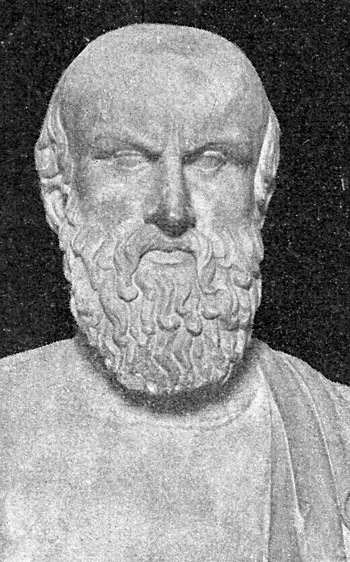
Aeschylus was an ancient Greek tragedian. He is often described as the father of tragedy. Critics' and scholars' knowledge of the genre begins with his work, and understanding of earlier tragedies is largely based on inferences from his surviving plays. According to Aristotle, he expanded the number of characters in theater allowing conflict among them; characters previously had interacted only with the chorus.
Agamemnon
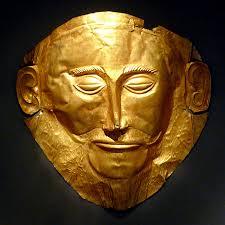
In Greek mythology, Agamemnon was the son of King Atreus and Queen Aerope of Mycenae, the brother of Menelaus, the husband of Clytemnestra and the father of Iphigenia, Electra or Laodike, Orestes and Chrysothemis. Mythical legends make him the king of Mycenae or Argos, thought to be different names for the same area. When Helen, the wife of Menelaus, was taken to Troy by Paris, Agamemnon commanded the united Greek armed forces in the ensuing Trojan War.
Clytemnnestra
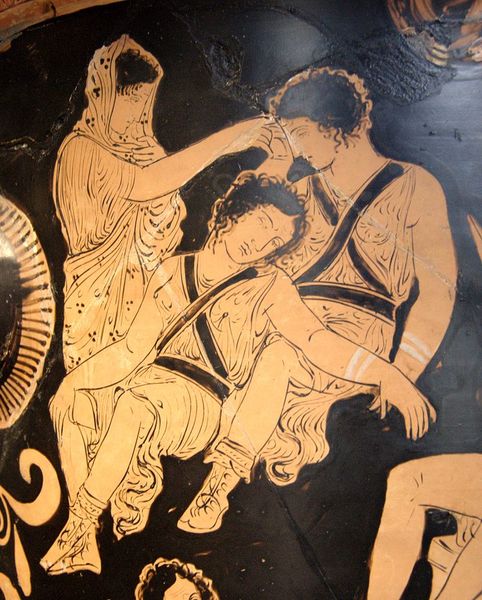
Clytemnestra was the wife of Agamemnon and queen of Mycenae (or sometimes Argos) in ancient Greek legend. In the Oresteia by Aeschylus, she murdered Agamemnon – said by Euripides to be her second husband – and the Trojan princess Cassandra, whom he had taken as war prize following the sack of Troy; however, in Homer's Odyssey, her role in Agamemnon's death is unclear and her character is significantly more subdued.
限會員,要發表迴響,請先登入


