Building a small gold melting furnace at home is less about brute heat and more about control. Gold melts at 1064°C, which sounds intimidating, but reaching that temperature on a small scale is entirely manageable with the right materials and a bit of patience.
Start with the body. A compact furnace doesn’t need to be complicated—many builders use a steel container such as an old paint can or a section of thick pipe as the outer shell. The real work happens inside. Line the interior with a refractory material capable of withstanding high temperatures. Commercial refractory cement is the most reliable option, though a mix of fireclay and perlite can work for lighter-duty setups. Pack the lining thick enough to retain heat but not so thick that it eats up all your internal space.
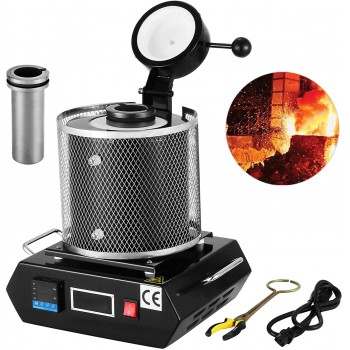
Once the chamber is shaped, you’ll need a heat source. For most home setups, propane is the simplest route. A basic propane burner, either purchased or homemade, can deliver more than enough heat. The burner should enter the furnace at a slight angle rather than straight on—this creates a swirling flame pattern inside, distributing heat more evenly and reducing hot spots that could damage your crucible.
Speaking of crucibles, don’t improvise here. Use a graphite or clay-graphite crucible designed for metal melting. Gold is chemically stable, but at high temperatures it can still pick up impurities from unsuitable containers. A proper crucible ensures both safety and purity.
Airflow is the next critical piece. A propane flame alone can work, but introducing forced air—using a small blower or even a modified hair dryer—dramatically increases efficiency. More oxygen means a hotter, cleaner burn. The key is balance: too much airflow cools the chamber, too little starves the flame.
Cut a lid from the same refractory material and fit it over the furnace opening. A small vent hole in the lid allows gases to escape while keeping heat trapped inside. This simple addition can make a surprising difference in how quickly your furnace reaches melting temperature.
When everything is assembled, curing the furnace is essential. Refractory materials contain moisture, and heating too quickly can cause cracks or even small explosions. Start with a low flame and gradually increase the temperature over several sessions. It’s a slow process, but skipping it often ruins the build.
Operating the furnace requires attention, not force. Place the gold in the crucible, position it securely inside the chamber, and bring up the heat steadily. Within minutes—sometimes less—you’ll see the metal soften, glow, and finally collapse into a bright, liquid pool. At that point, you’re not just melting gold; you’re managing it. Temperature stability becomes more important than raw heat.
Safety deserves more than a passing mention. High temperatures, open flames, and molten metal are not forgiving. Heat-resistant gloves, eye protection, and proper ventilation are non-negotiable. Work outdoors or in a well-ventilated area, and keep a fire extinguisher within reach.
A small homemade furnace won’t replace industrial equipment, but it doesn’t need to. For hobbyists, jewelers, or anyone experimenting with small batches, it offers a direct, hands-on way to understand metal in its most fluid state. The build itself is straightforward—the real skill lies in learning how heat, air, and material interact once the flame is lit.
Related articles: https://raovat49.com/s/how-to-achieve-perfect-alignment-in-inside-ring-engraving-6464925
下一則: Optimizing Melting Cycles with Medium Frequency Induction Furnaces
- Improving Production Consistency with a Pearl Drilling Machine
- The Future of Small Induction Melting Furnaces in Jewelry Manufacturing
- Exploring the Technology Behind Modern Pearl Drilling Machines
- Creating Textured Metal Sheets Using a Jewelry Rolling Mill Machine
- The Benefits of Digital Inside Ring Engraving Machines
- Preventing Cracks and Thermal Shock in Ceramic Melting Crucibles
限會員,要發表迴響,請先登入


