In modern jewelry workshops, precision tools have quietly reshaped the rhythm of production. Among them, jewelry micromotors stand out not because they are new, but because they have fundamentally altered how small-scale manufacturing operates under pressure for both quality and speed.
Traditional bench work relied heavily on manual handpieces driven by foot pedals or belt systems. While these setups were reliable, they often limited consistency. Torque fluctuated, vibration control depended on the artisan’s skill, and long hours introduced fatigue that inevitably affected precision. Jewelry micromotors changed this dynamic by introducing electronically regulated speed control and stable torque delivery, allowing jewelers to maintain uniform performance throughout extended working sessions.
One of the most immediate improvements is time efficiency. Tasks such as polishing, engraving, drilling, and stone setting no longer require constant tool adjustments or interruptions to compensate for mechanical inconsistencies. A micromotor’s ability to maintain precise RPM settings reduces rework caused by uneven surfaces or accidental overcutting. In a production environment where multiple pieces are processed daily, even small reductions in correction time accumulate into significant gains.
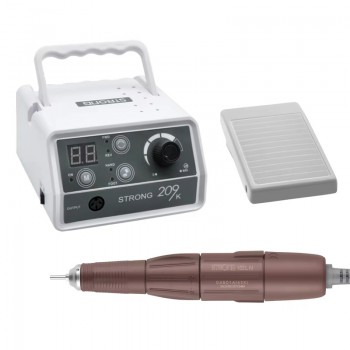
Another often overlooked advantage is adaptability. Modern micromotor systems support a wide range of handpieces and attachments, enabling a single workstation to handle multiple stages of production. Instead of switching between different machines for polishing and carving, artisans can transition seamlessly by simply changing burs or adjusting speed settings. This consolidation of functions reduces workspace clutter and streamlines workflow design in compact studios.
Ergonomics also plays a critical role in productivity. Jewelry work demands fine motor control over long periods, and traditional systems can strain the wrist and shoulder due to vibration and uneven resistance. Micromotors reduce mechanical shock and offer smoother rotation, which lessens physical fatigue. As a result, artisans can maintain focus for longer durations without sacrificing accuracy. This improvement indirectly raises output by extending effective working hours without increasing exhaustion.
From a broader production perspective, consistency is perhaps the most valuable contribution. In jewelry manufacturing, uniform quality across batches is essential, especially when producing matching sets or fulfilling commercial orders. Micromotors ensure that speed and torque remain stable regardless of load variation, which translates into predictable results. This reliability reduces dependency on individual skill differences and helps standardize output across teams.
Maintenance and operational simplicity further support efficiency. Unlike complex mechanical systems that require frequent calibration or belt replacement, micromotors are relatively low-maintenance. Digital controls allow precise adjustments without mechanical intervention, reducing downtime and technical interruptions. For small workshops where time directly translates into revenue, this reliability is a practical advantage.
Ultimately, jewelry micromotors do not replace craftsmanship; they refine its conditions. By removing mechanical inconsistencies and reducing physical strain, they allow artisans to focus more on creative execution rather than tool management. In an industry where detail defines value, the efficiency gained through such tools becomes not just a technical improvement, but a structural shift in how jewelry is produced.
Related articles: https://carl259.pixnet.net/blog/posts/893789281647280786
下一則: How to Build a Small Gold Melting Furnace at Home?
- Improving Production Consistency with a Pearl Drilling Machine
- The Future of Small Induction Melting Furnaces in Jewelry Manufacturing
- Exploring the Technology Behind Modern Pearl Drilling Machines
- Creating Textured Metal Sheets Using a Jewelry Rolling Mill Machine
- The Benefits of Digital Inside Ring Engraving Machines
- Preventing Cracks and Thermal Shock in Ceramic Melting Crucibles
限會員,要發表迴響,請先登入


