Jewelry sandblasting is a powerful technique that allows artisans to create matte finishes, surface textures, and intricate visual effects on metal pieces. While the process offers impressive creative control, it also involves high-pressure air, abrasive media, and fine dust particles that can pose significant health and safety risks if not handled properly. Understanding and applying essential safety practices is crucial for maintaining a productive and hazard-free workshop.
One of the most important safety measures is the use of proper personal protective equipment (PPE). Operators should always wear safety goggles or a full-face shield to protect their eyes from flying particles and abrasive rebound. A high-quality respirator or dust mask rated for fine particulate matter is equally essential, as sandblasting generates microscopic dust that can damage the respiratory system over time. Gloves made from durable materials help shield hands from abrasions and vibration, while protective clothing prevents skin irritation and contamination from abrasive media.
Adequate ventilation is another key factor in safe sandblasting operations. Even when using a closed jewelry sandblaster, fine particles can escape into the air during loading, unloading, or maintenance. A workshop should include a proper dust extraction or filtration system designed specifically for abrasive blasting applications. Good airflow not only protects the operator’s lungs but also improves visibility and reduces the buildup of hazardous residues on surfaces and tools.
Maintaining equipment in good condition is essential for preventing accidents. Regularly inspect hoses, seals, pressure gauges, and nozzles for signs of wear or damage. A cracked hose or faulty pressure regulator can lead to sudden pressure loss or uncontrolled blasting, increasing the risk of injury. Before starting any session, ensure that the blasting cabinet doors are securely closed and that all connections are tight. Proper maintenance extends the lifespan of the equipment and ensures consistent, predictable performance.
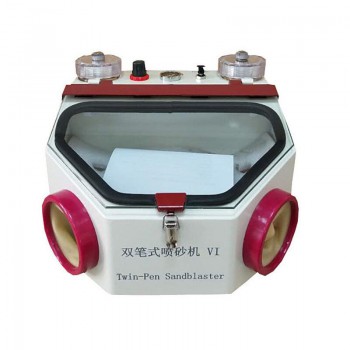
Safe handling and storage of blasting media should not be overlooked. Different abrasives—such as aluminum oxide, glass beads, or silicon carbide—have unique properties and potential hazards. Always follow manufacturer recommendations and avoid using materials that may contain harmful substances like free silica unless specifically designed for safe use. Store abrasive media in sealed containers to prevent contamination and moisture absorption, which can affect blasting performance and increase airborne dust.
Equally important is proper training and workspace organization. Beginners should familiarize themselves with machine controls, pressure settings, and emergency shutdown procedures before operating a sandblaster. Keep the work area clean and free from unnecessary clutter to reduce tripping hazards and accidental contact with pressurized equipment. Clear labeling of controls and materials also helps prevent confusion and mistakes during busy work sessions.
In conclusion, jewelry sandblasting is both an artistic and technical process that demands respect for safety. By wearing appropriate protective gear, ensuring effective ventilation, maintaining equipment, handling abrasives responsibly, and prioritizing training, jewelers can minimize risks while achieving beautiful and professional finishes. A strong commitment to safety not only protects the artisan but also enhances efficiency, confidence, and long-term success in the workshop.
Related articles: https://jewelerstoolsmall.tenkomori.tv/e488068.html
下一則: Artistic Uses of Fiber Optic Gem Lights
- The Importance of Temperature Control in Automatic Jewelry Casting Systems
- Exploring the Technology Behind Modern Pearl Drilling Machines
- Daily Maintenance Tips for Your Jewelry Rotary Tumbler
- Preventing Cracks and Thermal Shock in Ceramic Melting Crucibles
- Pneumatic Jewelry Engravers and Modern Jewelry Production
- Automatic Gem Faceting Machines for Sapphire and Ruby Cutting
限會員,要發表迴響,請先登入


