In modern jewelry making, polishing is far more than a finishing step—it is a technical process that defines the final character, brilliance, and perceived value of a piece. While basic buffing can remove surface scratches, advanced polishing techniques using a jewelry buffer allow artisans to achieve mirror-like finishes, controlled textures, and professional-level consistency. Mastering these techniques requires not only the right equipment, but also a deep understanding of materials, compounds, and pressure control.
A jewelry buffer polisher typically consists of a motorized spindle fitted with interchangeable polishing wheels. What elevates polishing from basic to advanced is the deliberate selection and sequencing of these wheels. Muslin wheels stitched in various densities are often used for pre-polishing and high-gloss work, while loose-leaf cotton wheels excel at final finishing. For delicate or detailed pieces, felt or leather buffs provide greater control and reduce the risk of rounding sharp edges.
Equally important is the strategic use of polishing compounds. Advanced polishers rarely rely on a single compound. Instead, they work in stages—starting with cutting compounds such as tripoli or emery to remove fine tool marks, then transitioning to intermediate compounds, and finishing with ultra-fine rouges like jeweler’s rouge or diamond-based pastes. Each compound should have its own dedicated wheel to prevent cross-contamination, a small discipline that makes a noticeable difference in final clarity.
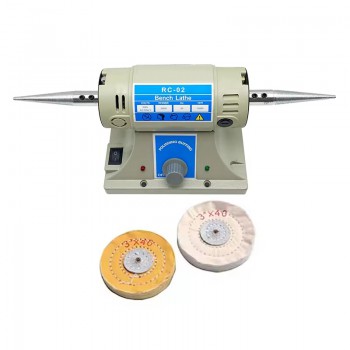
Pressure and speed control are often overlooked but are central to advanced buffering techniques. Excessive pressure generates heat, which can blur crisp design lines, smear soft metals like gold, or even loosen gemstones. Skilled jewelers allow the compound and wheel to do the work, using light, consistent pressure and adjusting motor speed to suit the metal. Lower speeds are ideal for soft alloys and intricate pieces, while higher speeds can be effective for harder metals during early polishing stages.
Directional polishing is another advanced method that improves results. Rather than polishing randomly, experienced jewelers follow the natural flow of the design, maintaining consistent movement across the surface. This minimizes swirl marks and ensures even reflection. Rotating the piece frequently and changing angles helps reach recessed areas while avoiding over-polishing high points.
For complex designs, selective polishing becomes essential. Masking techniques—using tape, shellac, or specialized lacquers—allow certain areas to remain matte while others are brought to a high shine. This contrast adds visual depth and highlights craftsmanship. Some artisans also combine buffering with micro-motor tools to refine tight corners before final buffing.
Finally, advanced polishing is as much about preparation and cleanliness as it is about technique. Thorough cleaning between stages, proper wheel maintenance, and a dust-controlled workspace ensure consistent, repeatable results. A well-maintained buffer becomes an extension of the jeweler’s hands, translating skill into surface perfection.
In conclusion, advanced polishing techniques using a jewelry buffer transform ordinary finishing into a refined craft. By mastering wheel selection, compound sequencing, pressure control, and directional movement, jewelers can elevate their work to a professional standard—where every surface reflects not just light, but expertise.
下一則: The Rise of Pneumatic Engraving in Modern Jewelry Workshops
限會員,要發表迴響,請先登入


