In the world of gemstone evaluation and jewelry craftsmanship, lighting plays a far more critical role than many customers realize. The way a gem interacts with light—its brilliance, fire, and clarity—can dramatically influence its perceived value. That’s why more jewelers today are upgrading their workbenches and display counters with fiber optic gem lights. Compared with traditional lighting tools, fiber optic illumination delivers superior precision, flexibility, and consistency, making it an increasingly essential technology for both retail and workshop environments.
One of the biggest advantages fiber optic gem lights offer is exceptional control over lighting direction. Because the light is transmitted through flexible fiber cables, jewelers can position the beam exactly where it’s needed—whether examining inclusions deep inside a stone or highlighting specific facets during cutting and polishing. Traditional lamps often create shadows or uneven brightness, but fiber optic lights deliver a concentrated, adjustable point of illumination that enhances visibility without harsh glare.
Another key reason jewelers are making the switch is the stability and color accuracy of fiber optic lighting. For tasks like gemstone grading, color matching, and clarity inspection, consistent daylight-like illumination is crucial. LEDs and fluorescent lights can shift in color temperature as they age or heat up, potentially affecting evaluation accuracy. Fiber optic systems, however, use a remote light source that maintains consistent color output, ensuring that gems appear as true-to-life as possible. This reliability allows jewelers to make more accurate assessments, minimizing mistakes and boosting customer confidence.
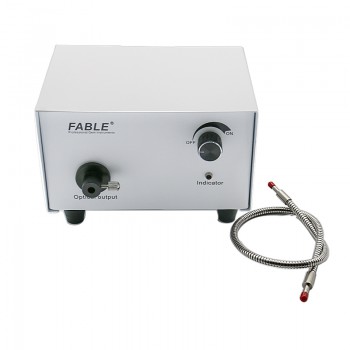
Heat control is also a major factor. Many gemstones—especially opals, emeralds, and heat-sensitive organics—can be damaged by prolonged exposure to warm light sources. Fiber optic gem lights solve this problem by transmitting cool light through the fiber bundle, keeping the beam free from heat. Jewelers can examine even delicate stones up close without risking thermal stress or altering the gem’s appearance.
Durability and low maintenance further contribute to the growing popularity of fiber optic lights. Since the light source is housed away from the work area, the fibers themselves experience minimal wear and collect less dust. This design reduces the frequency of bulb replacements and cleaning compared with traditional lamp fixtures. Over time, these savings become significant, making fiber optic systems a cost-effective upgrade despite their initial investment.
Finally, jewelers appreciate the professional presentation fiber optic lighting brings to customer-facing displays. Gems sparkle more vividly under targeted lighting, making their natural beauty stand out and increasing purchase appeal. Buyers can observe internal features, color tones, and reflections with clarity—factors that often influence their final decision.
As the jewelry industry continues to embrace technologies that improve accuracy and visual impact, fiber optic gem lights are emerging as a must-have tool. Their precision, safety, and reliability make them invaluable for both gemstone experts and jewelry retailers. For jewelers looking to enhance their workflow and elevate the customer experience, switching to fiber optic lighting is a smart and forward-thinking choice.
下一則: Which Small Gold Furnace Is Best for Beginners?
- How Automatic Casting Machines Enhance Precision in Jewelry Manufacturing
- The Benefits of Digital Inside Ring Engraving Machines
- Pneumatic Jewelry Engravers and Modern Jewelry Production
- The Evolution of Pearl Drilling Technology in Jewelry Making
- High-Speed vs. Low-Speed Drilling in Pearl Processing
- Keeping Your Pneumatic Jewelry Engraver Running Smoothly
限會員,要發表迴響,請先登入


