Class Notes
1. "Boys and Girls" by Alice Munro
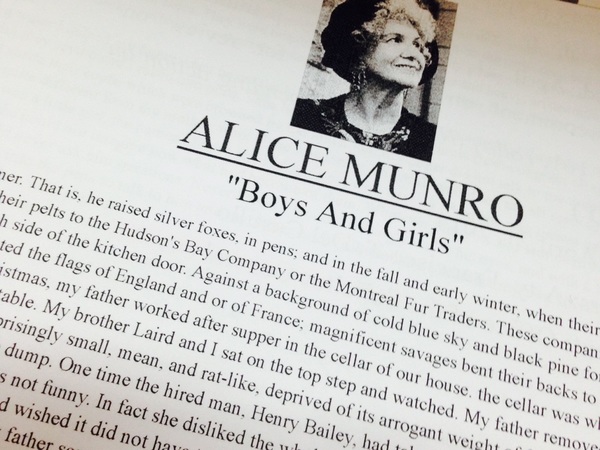
At the end of story, her brother told her father that she opened the door to let Flora go away. It was intended that she would have been punished. But her father was dismissive because she was only a girl. She didn't do anything to protest against her father. She just admitted that she was a girl and she could get away with punishment. Her attitude changed a lot, because she had dread the monotonous housework that must be done by girls or women, that is to say that she rejeccted the role of being a girl and the task that girls must finish. But when she made a mistake, she admitted of being a girl in order not to be punished. Sometimes, the frailty of women can help us not to be scolded.So, it is said in Hamlet that frailty thy name is women.
2. Vocubulary
(1). ee-表示one who is the object of the verb
employee: An individual who works part-time or full-time under a contract of employment, whether oral or written, express or implied, and has recognized rights and duties. Also called worker.
nominee: a person who is nominated as a candidate for election or for an honor or award.

(2). mony-表示things or money
patrimony(patri(father)+mony(money, thing)): property inherited from one's father or male ancestor.
matrimony(matri(mother)+mony(money, thing)): the state of being married.
3. Utopia
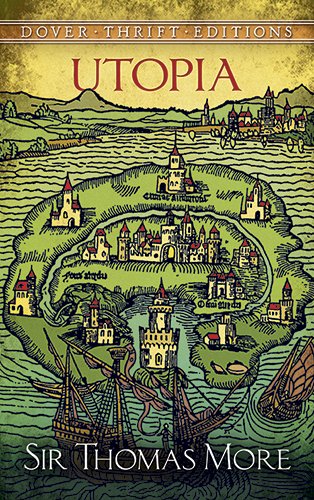
A utopia is an imagined community or society that possesses highly desirable or nearly perfect qualities for its citizens. You could also say that utopia is a perfect 'place' that has been made so there are no problems. Plato once mentioned the conccept of Utopia in his famous book Republic. Then the term utopia was coined from Greek by Sir Thomas More for his 1516 book Utopia, describing a fictional island society in the Atlantic Ocean.
The The opposite of a utopia is a dystopia. There are a lot of literary works about dystopia, such as George Orwell 's 1984 .
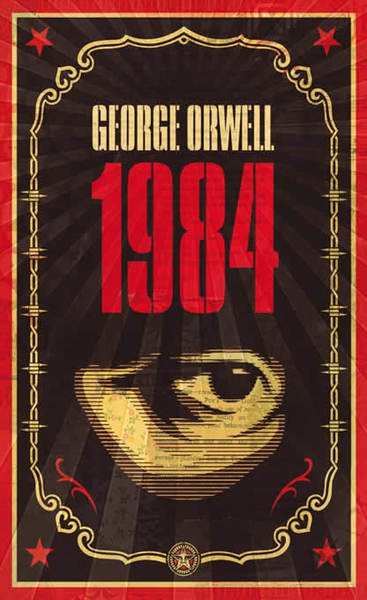
War is peace; Freedom is salvery; Ignorance is strength.
-1984 by George Orwell
4. Grendel
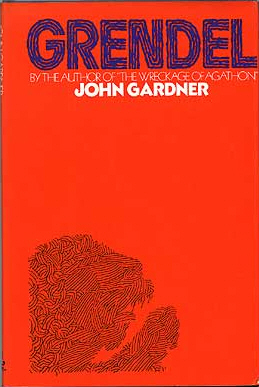
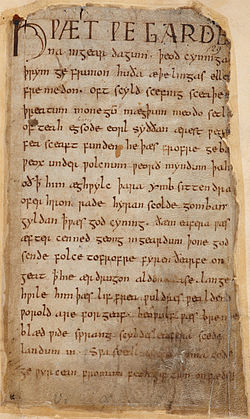
Grendel is a 1971 novel by American author John Gardner. It is a retelling of part of the Old English poem Beowulf from the perspective of the antagonist, Grendel. In the novel, Grendel is portrayed as an antihero. The novel deals with finding meaning in the world, the power of literature and myth, and the nature of good and evil.
限會員,要發表迴響,請先登入


