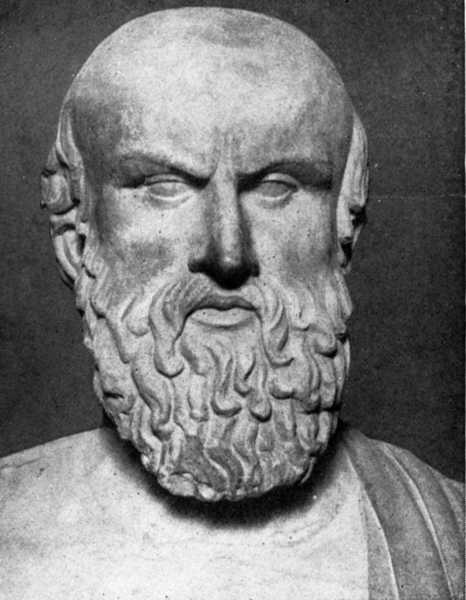
Aeschylus was an ancient Greek tragedian. He is often described as the father of tragedy. Critics' and scholars' knowledge of the genre begins with his work, and understanding of earlier tragedies is largely based on inferences from his surviving plays. According to Aristotle, he expanded the number of characters in theater allowing conflict among them; characters previously had interacted only with the chorus.
A playwright, also known as a dramatist, is a person who writes plays.
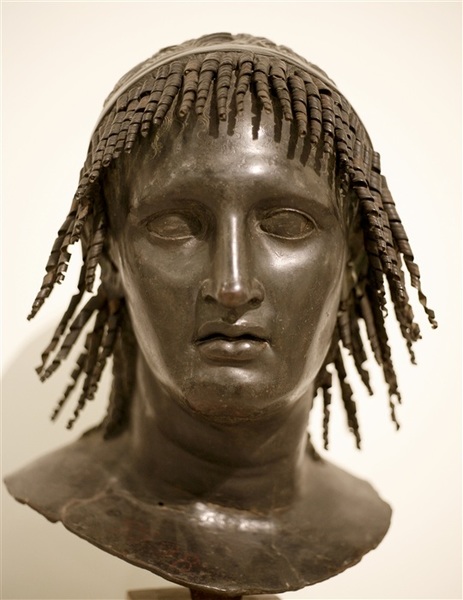
Thespis of Icaria , according to certain Ancient Greek sources and especially Aristotle, was the first person ever to appear on stage as an actor playing a character in a play (instead of speaking as him or herself). In other sources, he is said to have introduced the first principal actor in addition to the chorus.
Goatsong: A Novel of Ancient Athens
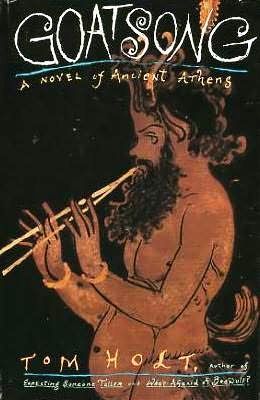
Written by the author of "Lucia in Wartime", "Lucia Triumphant", "Expecting Someone Taller" and "Whose Afraid of Beowulf?", this is an historical novel set in Greece. Eupolis of Pallene, playwright and satirist, offers new and wicked perspectives on the glory that was Greece.
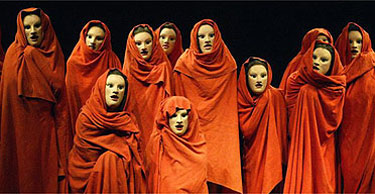
A chorus , in the context of Ancient Greek tragedy, comedy, and satyr plays, is a homogeneous, non-individualised group of performers, who comment with a collective voice on the dramatic action. The chorus consisted of between 12 and 50 players, who variously danced, sang or spoke their lines in unison and sometimes wore masks.
A narrative work beginning in medias res opens in the midst of action .[1] Often, exposition is bypassed and filled in gradually, either through dialogue, flashbacks or description of past events. For example, Hamlet begins after the death of Hamlet's father. Characters make reference to King Hamlet's death without the plot's first establishment of said fact. Since the play focuses on Hamlet and the revenge itself more so than the motivation, Shakespeare utilizes in medias res to bypass superfluous exposition.
The Oresteia is a trilogy of Greek tragedies written by Aeschylus concerning the murder of Agamemnon by Clytaemnestra, the murder of Clytaemnestra by Orestes, the trial of Orestes, and end of the curse on the House of Atreus. This trilogy also shows how the Greek gods interacted with the characters and influenced their decisions pertaining to events and disputes. Many consider the Oresteia to be Aeschylus' finest work. The principal themes of the trilogy include the contrast between revenge and justice, as well as the transition from personal vendetta to organized litigation.
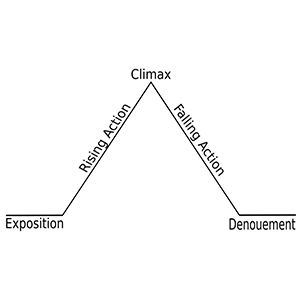
Dramatic structure is the structure of a dramatic work such as a play or film. Many scholars have analyzed dramatic structure, beginning with Aristotle in his Poetics (c. 335 BCE). This article focuses primarily on Gustav Freytag's analysis of ancient Greek and Shakespearean drama.
限會員,要發表迴響,請先登入


