
A triangle is a polygon with three edges and three vertices. It is one of the basic shapes in geometry. A triangle with vertices A, B, and C is denoted triangle ABC.
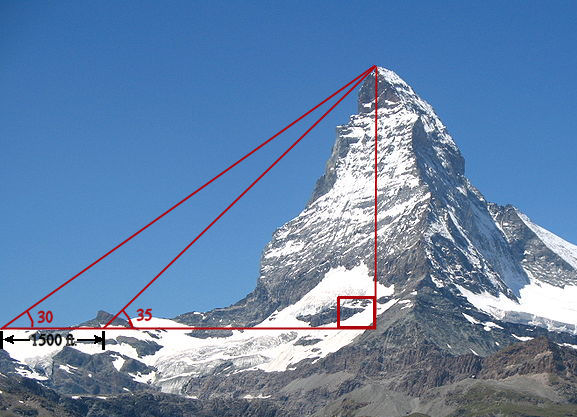
Trigonometry is a branch of mathematics that studies relationships involving lengths and angles of triangles. The field emerged in the Hellenistic world during the 3rd century BC from applications of geometry to astronomical studies.
The kilometre or kilometer is a unit of length in the metric system, equal to one thousand metres (kilo- being the SI prefix for 1000). It is now the measurement unit used officially for expressing distances between geographical places on land in most of the world; notable exceptions are the United States and the road network of the United Kingdom where the statute mile is the official unit used.
thermometer
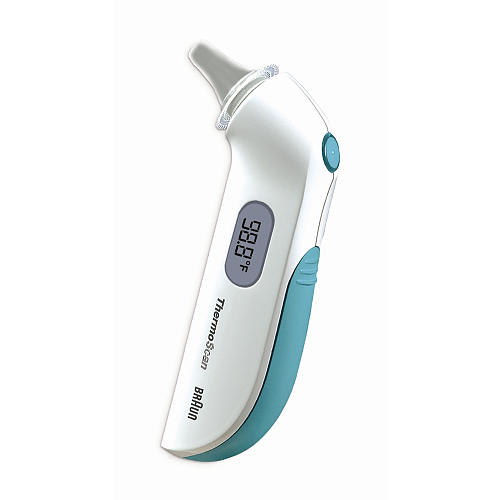
A thermometer is a device that measures temperature or a temperature gradient. A thermometer has two important elements: (1) a temperature sensor (e.g. the bulb of a mercury-in-glass thermometer) in which some physical change occurs with temperature, and (2) some means of converting this physical change into a numerical value (e.g. the visible scale that is marked on a mercury-in-glass thermometer). Thermometers are widely used in industry to control and regulate processes, in the study of weather, in medicine, and in scientific research.
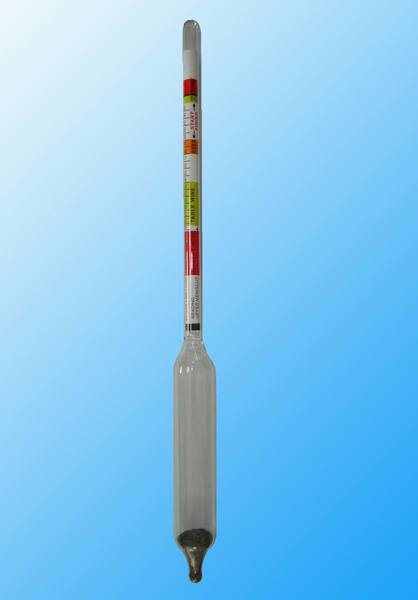
A hydrometer or areometer is an instrument that measures the specific gravity (relative density) of liquids—the ratio of the density of the liquid to the density of water.
A hydrometer is usually made of glass, and consists of a cylindrical stem and a bulb weighted with mercury or lead shot to make it float upright.
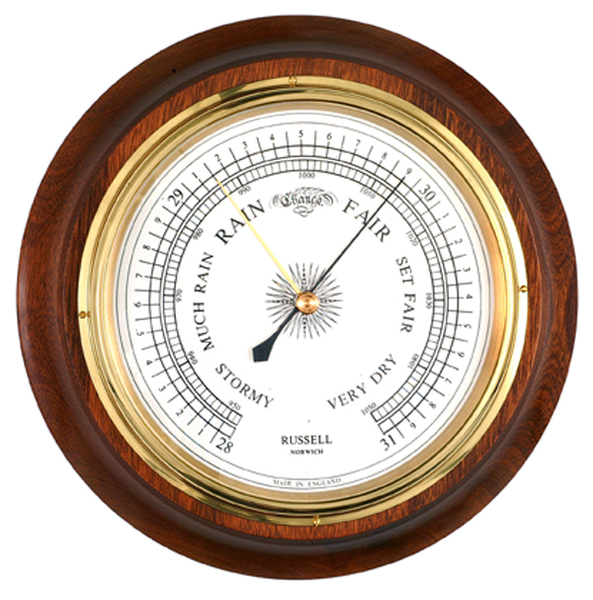
A barometer is a scientific instrument used in meteorology to measure atmospheric pressure. Pressure tendency can forecast short term changes in the weather. Numerous measurements of air pressure are used within surface weather analysis to help find surface troughs, high pressure systems and frontal boundaries.

Oedipus Rex, also known by its Greek title, Oedipus Tyrannus, or Oedipus the King, is an Athenian tragedy by Sophocles that was first performed around 429 BC. Originally, to the ancient Greeks, the title was simply Oedipus, as it is referred to by Aristotle in the Poetics. It is thought to have been renamed Oedipus Tyrannus to distinguish it from Oedipus at Colonus. In antiquity, the term “tyrant” referred to a ruler, but it did not necessarily have a negative connotation.
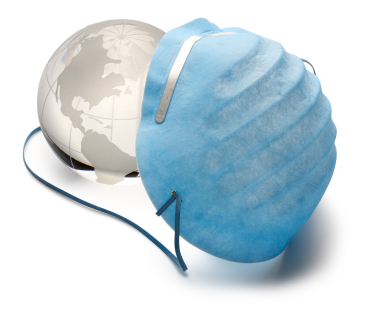
An epidemic is the rapid spread of infectious disease to a large number of people in a given population within a short period of time, usually two weeks or less. For example, in meningococcal infections, an attack rate in excess of 15 cases per 100,000 people for two consecutive weeks is considered an epidemic.
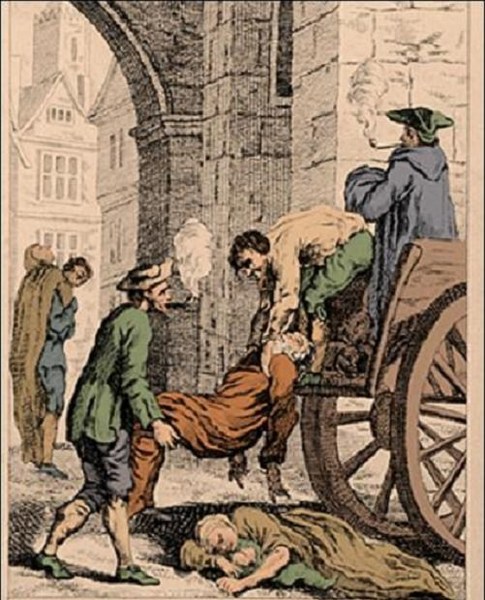
Plague is an infectious disease that is caused by the bacterium Yersinia pestis. Depending on lung infection, or sanitary conditions, plague can be spread in the air, by direct contact, or very rarely by contaminated undercooked food. The symptoms of plague depend on the concentrated areas of infection in each person: bubonic plague in lymph nodes, septicemic plague in blood vessels, pneumonic plague in lungs. It is treatable if detected early. Plague is still relatively common in some remote parts of the world.

Patriarchy is a social system in which males hold primary power and predominate in roles of political leadership, moral authority, social privilege and control of property. In the domain of the family, fathers or father-figures hold authority over women and children. Some patriarchal societies are also patrilineal, meaning that property and title are inherited by the male lineage.
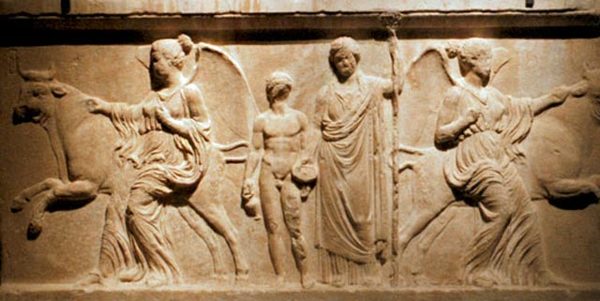
Matriarchy is a social system in which females hold primary power, predominate in roles of political leadership, moral authority, social privilege and control of property at the specific exclusion of men, at least to a large degree. While those definitions apply in general English, definitions specific to the disciplines of anthropology and feminism differ in some respects.
Suicide is the act of intentionally causing one's own death. Risk factors include mental disorders such as depression, bipolar disorder, schizophrenia, personality disorders, alcoholism, or substance misuse. Others are impulsive acts due to stress such as from financial difficulties, troubles with relationships, or from bullying.Those who have previously attempted suicide are at higher risk for future attempts.
限會員,要發表迴響,請先登入


