* 英語的秘密家譜 The Secret Life of Words: How English Became English

如果你不曾讀過英語的歷史,你也就:
A) 無從得知英語強盛的祕密
B) 錯失了英語蘊含的豐沛意象與歷史記憶
.
* -cide: killing
for example,
homicide (n.) the crime of killing someone
insecticide (n.) a chemical for killing insects, especially those that damage plants orcrops
suicide (n.) the action of deliberately killing yourself
.
* -cracy: rule, government
for example,
democracy (n.) a system of government in which people vote inelections to choose the people who will govern them
theocracy (n.) a government led by religious leaders
p.s. theocracy: god
bureaucracy (n.) a complicated and annoying system of rules andprocesses
.
* Virgin Goddess
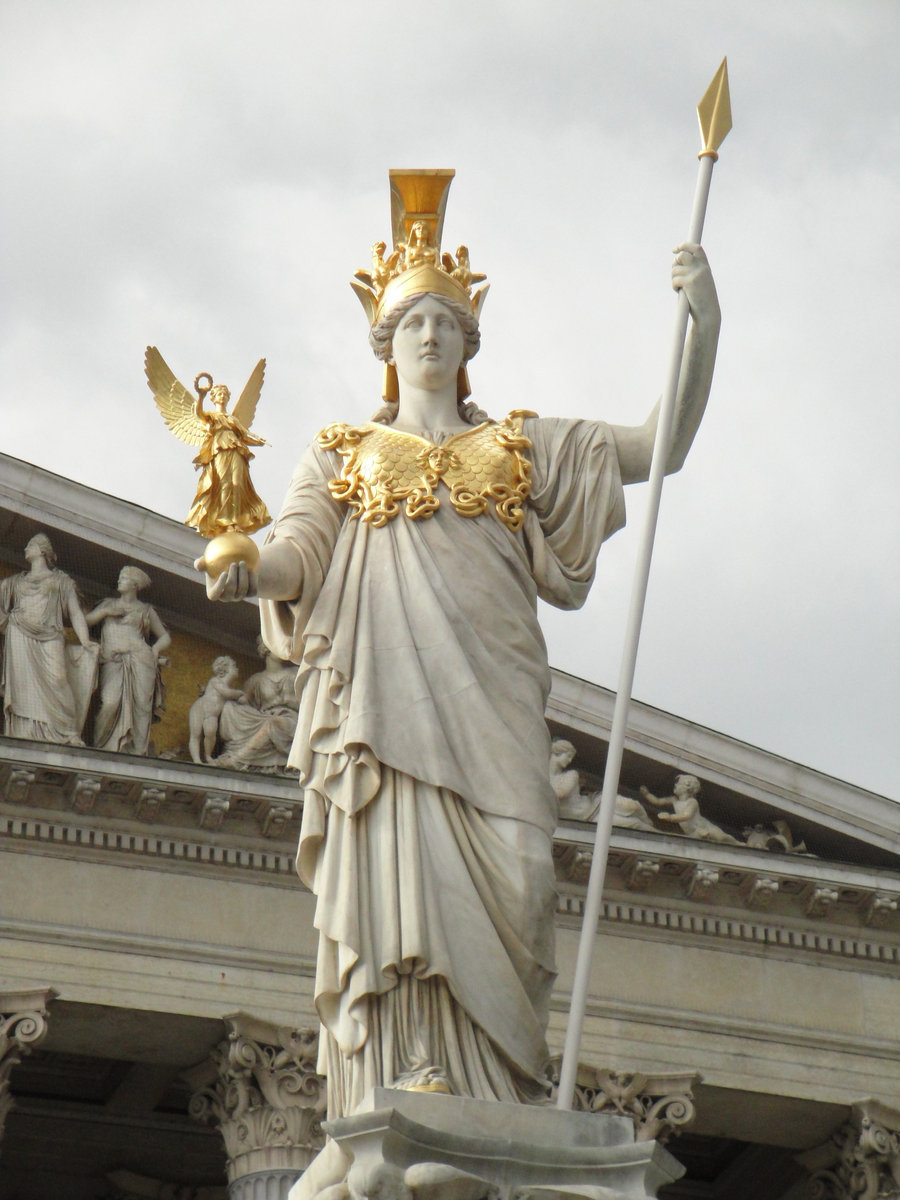
Athena(Minerva): the goddess of Wisdom
Artemis(Diana): twin sister of Apollo, goddess of the Hunt, Forests and Hills, the Moon, Archery

Hestia(Vesta): goddess of the Hearth and humble domestic joy.
.
* The Immortals x Greek Mythology
Aphrodite(Venus) the golden goddess of Love; born of the blood of Ouranos (the Heavens) and the foam of the sea.
Apollo(Apollo) the son of Zeus and Leto; the brother of Artemis.
Ares(Mars) the god of War; the son of Zeus and Hera.
Artemis(Diana) twin sister of Apollo, goddess of the Hunt, Forests and Hills, the Moon, Archery
Athena(Minerva) the goddess of wisdom, courage, inspiration, civilization, law and justice, strategic war, mathematics, strength, strategy, the arts, crafts, and skill
Eris(Discordia) sister of Ares, the goddess of Discord and Strife.
Hades(Pluto) Lord of the Underworld, the son of Kronos (Cronos) and Rheia (Rhea).
Persephone(Proserpina) the daughter of Demeter and Zeus, the wife of Hades and queen of the Underworld.
Demeter(Ceres) the goddess of the Harvest, the daughter of Kronos (Cronos) and Rheia (Rhea).
Iris the Wind-Footed messenger of the Immortals.
Hermes(Mercury) the wing shod messenger of the Olympians, the son of Zeus and Maia.
Herakles(Hercules) the ultimate hero, the son of Zeus and Alkmene (Alcmene).
Eros(Cupid) the primal god of Love; using arrows of gold and lead, he would wound the hearts of mortals and Immortals alike.
Poseidon(Neptune) the lord the Sea, son of Kronos (Cronos) and Rheia (Rhea).
.
* Homeric Epithet
A characteristic of Homer's style is the use of epithets, such as "the rocky Ithaca", "swift-footed" Achilles, "red hair king" Menelaus.
Epithets are used because of the constraints of the dactylic hexameter (i.e., it is convenient to have a stockpile of metrically fitting phrases to add to a name) and because of the oral transmission of the poems; they are mnemonic aids to the poet and the audience alike.
.
* Furies 復仇女神
(引申出 furious: extremely angry)

Furies, also known as Einyes, were female chthonic deities of vengeance; they were sometimes referred to as "infernal goddesses" (χθόνιαι θεαί).
A formulaic oath in the Iliad invokes them as "those who beneath the earth punish whosoever has sworn a false oath". Burkert suggests they are "an embodiment of the act of self-cursing contained in the oath". They correspond to the Dirae in Roman mythology, and some suppose that they are called Furies in hell, Harpies on earth, and Dirae in heaven.
.
* Patron god = City god
for instance, Athena was the patron goddess of the city of Athens.
.
* Vocabulary
pyre (n.) a high pile of wood for burning a dead body in a funeral ceremony
suitor (n.) a man who wants to get married to a particular woman
.
* Pygmalion Effect 比馬龍效應
The Pygmalion effect, or Rosenthal effect, is the phenomenon whereby the greater the expectation placed upon people, the better they perform. The effect is named after the Greek myth of Pygmalion, a sculptor who fell in love with a statue he had carved.
.
* Pygmalion and Galatea
Pygmalion and Galatea, an Original Mythological Comedy is a blank verse play by W. S. Gilbert in three acts based on the Pygmalion story.
.
related movie: Bicentennial Man

.
related musical: My Fair Lady

.
* Persephone & Pomegranate
Hades indeed complied with the request, but first he tricked her, giving her some pomegranate seeds to eat. Persephone was released by Hermes, who had been sent to retrieve her, but because she had tasted food in the underworld, she was obliged to spend a third of each year (the winter months) there, and the remaining part of the year with the gods above. With the later writers Ovid and Hyginus, Persephone's time in the underworld becomes half the year.

.

限會員,要發表迴響,請先登入


