Introduction – Company Background
GuangXin Industrial Co., Ltd. is a specialized manufacturer dedicated to the development and production of high-quality insoles.
With a strong foundation in material science and footwear ergonomics, we serve as a trusted partner for global brands seeking reliable insole solutions that combine comfort, functionality, and design.
With years of experience in insole production and OEM/ODM services, GuangXin has successfully supported a wide range of clients across various industries—including sportswear, health & wellness, orthopedic care, and daily footwear.
From initial prototyping to mass production, we provide comprehensive support tailored to each client’s market and application needs.
At GuangXin, we are committed to quality, innovation, and sustainable development. Every insole we produce reflects our dedication to precision craftsmanship, forward-thinking design, and ESG-driven practices.
By integrating eco-friendly materials, clean production processes, and responsible sourcing, we help our partners meet both market demand and environmental goals.


Core Strengths in Insole Manufacturing
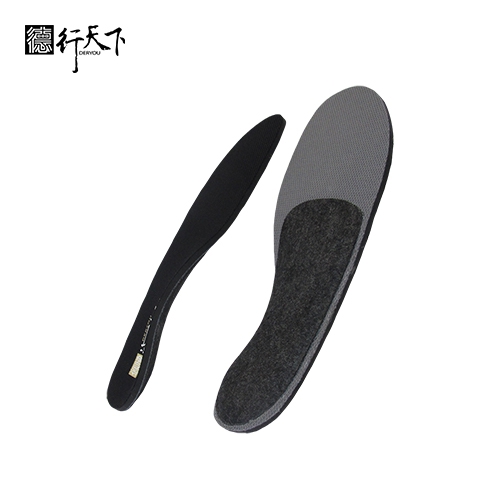
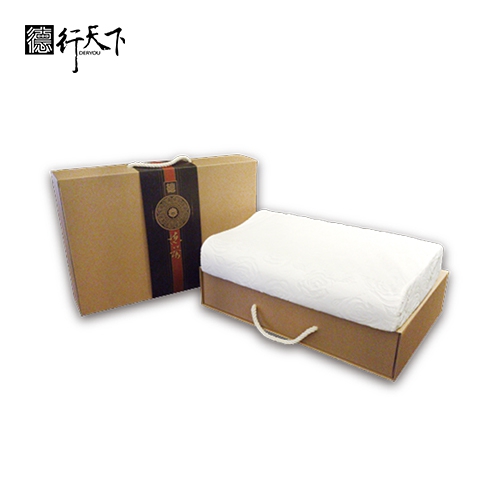
At GuangXin Industrial, our core strength lies in our deep expertise and versatility in insole and pillow manufacturing. We specialize in working with a wide range of materials, including PU (polyurethane), natural latex, and advanced graphene composites, to develop insoles and pillows that meet diverse performance, comfort, and health-support needs.
Whether it's cushioning, support, breathability, or antibacterial function, we tailor material selection to the exact requirements of each project-whether for foot wellness or ergonomic sleep products.
We provide end-to-end manufacturing capabilities under one roof—covering every stage from material sourcing and foaming, to precision molding, lamination, cutting, sewing, and strict quality control. This full-process control not only ensures product consistency and durability, but also allows for faster lead times and better customization flexibility.
With our flexible production capacity, we accommodate both small batch custom orders and high-volume mass production with equal efficiency. Whether you're a startup launching your first insole or pillow line, or a global brand scaling up to meet market demand, GuangXin is equipped to deliver reliable OEM/ODM solutions that grow with your business.
Customization & OEM/ODM Flexibility
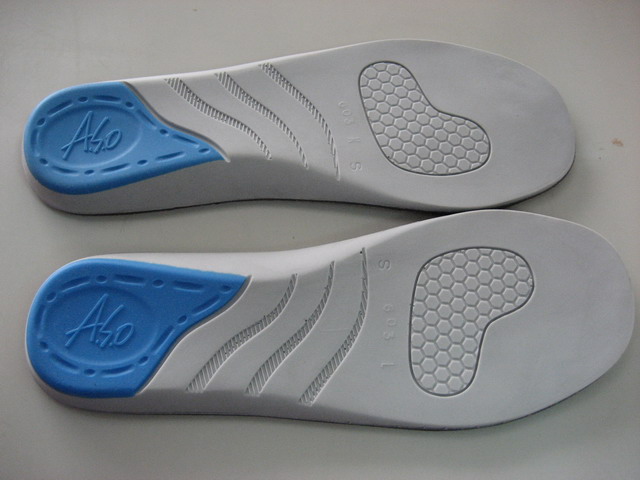
GuangXin offers exceptional flexibility in customization and OEM/ODM services, empowering our partners to create insole products that truly align with their brand identity and target market. We develop insoles tailored to specific foot shapes, end-user needs, and regional market preferences, ensuring optimal fit and functionality.
Our team supports comprehensive branding solutions, including logo printing, custom packaging, and product integration support for marketing campaigns. Whether you're launching a new product line or upgrading an existing one, we help your vision come to life with attention to detail and consistent brand presentation.
With fast prototyping services and efficient lead times, GuangXin helps reduce your time-to-market and respond quickly to evolving trends or seasonal demands. From concept to final production, we offer agile support that keeps you ahead of the competition.
Quality Assurance & Certifications
Quality is at the heart of everything we do. GuangXin implements a rigorous quality control system at every stage of production—ensuring that each insole meets the highest standards of consistency, comfort, and durability.
We provide a variety of in-house and third-party testing options, including antibacterial performance, odor control, durability testing, and eco-safety verification, to meet the specific needs of our clients and markets.
Our products are fully compliant with international safety and environmental standards, such as REACH, RoHS, and other applicable export regulations. This ensures seamless entry into global markets while supporting your ESG and product safety commitments.
ESG-Oriented Sustainable Production
At GuangXin Industrial, we are committed to integrating ESG (Environmental, Social, and Governance) values into every step of our manufacturing process. We actively pursue eco-conscious practices by utilizing eco-friendly materials and adopting low-carbon production methods to reduce environmental impact.
To support circular economy goals, we offer recycled and upcycled material options, including innovative applications such as recycled glass and repurposed LCD panel glass. These materials are processed using advanced techniques to retain performance while reducing waste—contributing to a more sustainable supply chain.
We also work closely with our partners to support their ESG compliance and sustainability reporting needs, providing documentation, traceability, and material data upon request. Whether you're aiming to meet corporate sustainability targets or align with global green regulations, GuangXin is your trusted manufacturing ally in building a better, greener future.
Let’s Build Your Next Insole Success Together
Looking for a reliable insole manufacturing partner that understands customization, quality, and flexibility? GuangXin Industrial Co., Ltd. specializes in high-performance insole production, offering tailored solutions for brands across the globe. Whether you're launching a new insole collection or expanding your existing product line, we provide OEM/ODM services built around your unique design and performance goals.
From small-batch custom orders to full-scale mass production, our flexible insole manufacturing capabilities adapt to your business needs. With expertise in PU, latex, and graphene insole materials, we turn ideas into functional, comfortable, and market-ready insoles that deliver value.
Contact us today to discuss your next insole project. Let GuangXin help you create custom insoles that stand out, perform better, and reflect your brand’s commitment to comfort, quality, and sustainability.
🔗 Learn more or get in touch:
🌐 Website: https://www.deryou-tw.com/
📧 Email: shela.a9119@msa.hinet.net
📘 Facebook: facebook.com/deryou.tw
📷 Instagram: instagram.com/deryou.tw
Smart pillow ODM manufacturer China
Are you looking for a trusted and experienced manufacturing partner that can bring your comfort-focused product ideas to life? GuangXin Industrial Co., Ltd. is your ideal OEM/ODM supplier, specializing in insole production, pillow manufacturing, and advanced graphene product design.
With decades of experience in insole OEM/ODM, we provide full-service manufacturing—from PU and latex to cutting-edge graphene-infused insoles—customized to meet your performance, support, and breathability requirements. Our production process is vertically integrated, covering everything from material sourcing and foaming to molding, cutting, and strict quality control.Taiwan anti-bacterial pillow ODM design
Beyond insoles, GuangXin also offers pillow OEM/ODM services with a focus on ergonomic comfort and functional innovation. Whether you need memory foam, latex, or smart material integration for neck and sleep support, we deliver tailor-made solutions that reflect your brand’s values.
We are especially proud to lead the way in ESG-driven insole development. Through the use of recycled materials—such as repurposed LCD glass—and low-carbon production processes, we help our partners meet sustainability goals without compromising product quality. Our ESG insole solutions are designed not only for comfort but also for compliance with global environmental standards.Indonesia OEM insole and pillow supplier
At GuangXin, we don’t just manufacture products—we create long-term value for your brand. Whether you're developing your first product line or scaling up globally, our flexible production capabilities and collaborative approach will help you go further, faster.Cushion insole OEM solution Thailand
📩 Contact us today to learn how our insole OEM, pillow ODM, and graphene product design services can elevate your product offering—while aligning with the sustainability expectations of modern consumers.Flexible manufacturing OEM & ODM Indonesia
The first fully autonomous biohybrid fish from human stem-cell derived cardiac muscle cells. Credit: Michael Rosnach, Keel Yong Lee, Sung-Jin Park, Kevin Kit Parker A biohybrid fish designed with heart-inspired regulatory features demonstrated improved performance in tests, swimming autonomously for 108 days. Made from human cardiac cells, the fish offers insights for developing artificial heart systems. An autonomously swimming biohybrid fish, designed with a focus on two key regulatory features of the human heart, has revealed the importance of feedback mechanisms in muscular pumps (such as the heart). The findings could one day help inform the development of an artificial heart made from living muscle cells. Biohybrid systems – devices containing both biological and artificial components – are an effective way to investigate the physiological control mechanisms in biological organisms and to discover bio-inspired robotic solutions to a host of pressing concerns, including those related to human health. When it comes to natural fluid transport pumps, like those that circulate blood, the performance of biohybrid systems has been lacking, however. Applying Heart’s Regulatory Mechanisms to Synthetic Models Here, researchers considered whether two functional regulatory features of the heart — mechanoelectrical signaling and automaticity — could be transferred to a synthetic analog of another fluid transport system: a swimming fish. Lee et al. developed an autonomously swimming fish constructed from a bilayer of human cardiac cells; the muscular bilayer was integrated using tissue engineering techniques. Lee and team were able to control muscle contractions in the biohybrid fish using external optogenetic stimulation, allowing the fish analog to swim. Schematics of autonomously swimming biohybrid fish. Credit: Michael Rosnach, Keel Yong Lee, Sung-Jin Park, Kevin Kit Parker In tests, the biohybrid fish outperformed the locomotory speed of previous biohybrid muscular systems, the authors say. It maintained spontaneous activity for 108 days. By contrast, say the authors, biohybrid fish equipped with single-layered muscle showed deteriorating activity within the first month. Future Potential The data in this study demonstrate the potential of muscular bilayer systems and mechanoelectrical signaling as a means to promote maturation of in vitro muscle tissues, write Lee and colleagues. “Taken together,” the authors conclude, “the technology described here may represent foundational work toward the goal of creating autonomous systems capable of homeostatic regulation and adaptive behavioral control.” For more on this research, see Autonomous Biohybrid Fish – Made From Human Cardiac Cells – Swims Like the Heart Beats. Reference: “An autonomously swimming biohybrid fish designed with human cardiac biophysics” by Keel Yong Lee, Sung-Jin Park, David G. Matthews, Sean L. Kim, Carlos Antonio Marquez, John F. Zimmerman, Herdeline Ann M. Ardoña, Andre G. Kleber, George V. Lauder and Kevin Kit Parker, 10 February 2022, Science. DOI: 10.1126/science.abh0474
According to a new study, the neural and cognitive complexity of the octopus could originate from a molecular analogy with the human brain. New research has identified an important molecular analogy that could explain the remarkable intelligence of these fascinating invertebrates. An exceptional organism with an extremely complex brain and cognitive abilities makes the octopus very unique among invertebrates. So much so that it resembles vertebrates more than invertebrates in several aspects. The neural and cognitive complexity of these animals could originate from a molecular analogy with the human brain, as discovered by a research paper that was recently published in BMC Biology and coordinated by Remo Sanges from Scuola Internazionale Superiore di Studi Avanzati (SISSA) of Trieste and by Graziano Fiorito from Stazione Zoologica Anton Dohrn of Naples. This research shows that the same ‘jumping genes’ are active both in the human brain and in the brain of two species, Octopus vulgaris, the common octopus, and Octopus bimaculoides, the Californian octopus. A discovery that could help us understand the secret of the intelligence of these remarkable organisms. Understanding Transposons: The Building Blocks of Genetic Mobility Sequencing the human genome revealed as early as 2001 that over 45% of it is composed of sequences called transposons, so-called ‘jumping genes’ that, through molecular copy-and-paste or cut-and-paste mechanisms, can ‘move’ from one point to another of an individual’s genome, shuffling or duplicating. In most cases, these mobile elements remain silent: they have no visible effects and have lost their ability to move. Some are inactive because they have, over generations, accumulated mutations; others are intact, but blocked by cellular defense mechanisms. From an evolutionary point of view even these fragments and broken copies of transposons can still be useful, as ‘raw matter’ that evolution can sculpt. Drawing of an octopus. Credit: Gloria Ros Among these mobile elements, the most relevant are those belonging to the so-called LINE (Long Interspersed Nuclear Elements) family, found in a hundred copies in the human genome and still potentially active. It has been traditionally thought that LINEs’ activity was just a vestige of the past, a remnant of the evolutionary processes that involved these mobile elements, but in recent years new evidence emerged showing that their activity is finely regulated in the brain. There are many scientists who believe that LINE transposons are associated with cognitive abilities such as learning and memory: they are particularly active in the hippocampus, the most important structure of our brain for the neural control of learning processes. Octopus Genome: Rich in Inactive and Active Jumping Genes The octopus’ genome, like ours, is rich in ‘jumping genes’, most of which are inactive. Focusing on the transposons still capable of copy-and-paste, the researchers identified an element of the LINE family in parts of the brain crucial for the cognitive abilities of these animals. The discovery, the result of the collaboration between Scuola Internazionale Superiore di Studi Avanzati, Stazione Zoologica Anton Dohrn, and Istituto Italiano di Tecnologia, was made possible thanks to next-generation sequencing techniques, which were used to analyze the molecular composition of the genes active in the nervous system of the octopus. “The discovery of an element of the LINE family, active in the brain of the two octopuses species, is very significant because it adds support to the idea that these elements have a specific function that goes beyond copy-and-paste,” explains Remo Sanges, director of the Computational Genomics Laboratory at SISSA, who started working at this project when he was a researcher at Stazione Zoologica Anton Dohrn of Naples. The study, published in BMC Biology, was carried out by an international team with more than twenty researchers from all over the world. “I literally jumped on the chair when, under the microscope, I saw a very strong signal of activity of this element in the vertical lobe, the structure of the brain which in the octopus is the seat of learning and cognitive abilities, just like the hippocampus in humans,” tells Giovanna Ponte from Stazione Zoologica Anton Dohrn. According to Giuseppe Petrosino from Stazione Zoologica Anton Dohrn and Stefano Gustincich from Istituto Italiano di Tecnologia “This similarity between man and octopus that shows the activity of a LINE element in the seat of cognitive abilities could be explained as a fascinating example of convergent evolution, a phenomenon for which, in two genetically distant species, the same molecular process develops independently, in response to similar needs.” “The brain of the octopus is functionally analogous in many of its characteristics to that of mammals,” says Graziano Fiorito, director of the Department of Biology and Evolution of Marine Organisms of the Stazione Zoologica Anton Dohrn. “For this reason, also, the identified LINE element represents a very interesting candidate to study to improve our knowledge on the evolution of intelligence.” Reference: “Identification of LINE retrotransposons and long non-coding RNAs expressed in the octopus brain” by Giuseppe Petrosino, Giovanna Ponte, Massimiliano Volpe, Ilaria Zarrella, Federico Ansaloni, Concetta Langella, Giulia Di Cristina, Sara Finaurini, Monia T. Russo, Swaraj Basu, Francesco Musacchia, Filomena Ristoratore, Dinko Pavlinic, Vladimir Benes, Maria I. Ferrante, Caroline Albertin, Oleg Simakov, Stefano Gustincich, Graziano Fiorito and Remo Sanges, 18 May 2022, BMC Biology. DOI: 10.1186/s12915-022-01303-5
Researchers have discovered that 5-formylcytosine (5fC) activates genes in early embryonic development, revealing a new type of epigenetic DNA modification in vertebrates. This breakthrough uncovers 5fC’s role during crucial developmental stages and opens the door for further research on its function in diseases like cancer. Credit: SciTechDaily.com In the embryonic development of vertebrates, 5-formylcytosine activates genes. Professor Christof Niehrs and his team at the Institute of Molecular Biology (IMB) in Mainz, Germany, have identified a DNA modification known as 5-formylcytosine (5fC) as an epigenetic switch that activates genes during the early stages of embryonic development. This finding proves for the first time that vertebrates have more than one type of epigenetic DNA mark and sheds new light on how genes are regulated in the earliest stages of development. Their findings were published in the journal Cell. 5fC is only the second proven epigenetic DNA modification besides methylcytosine Our bodies are composed of trillions of cells, all working together to form a functional organism. Yet each of us started off as just a single fertilized egg cell. To become a whole human being, this single cell must multiply rapidly, forming all the correct organs in the right places. This process of development depends on thousands of genes being activated at exactly the right time and place. The activation/deactivation of genes is controlled by so-called epigenetic modifications, i.e., chemical groups attached to DNA and its associated proteins that act like traffic lights to switch genes on or off. 5fC activates genes in the early embryo. Credit: IMB For decades, scientists thought that vertebrates had only one type of epigenetic modification on DNA called cytosine methylation, which is associated with gene silencing. Ten years ago, three more chemical modifications were discovered in vertebrate DNA, but as they were only present in very small amounts scientists were uncertain if they were functional epigenetic marks. Now, Professor Christof Niehrs and his team have shown for the first time that one of these modifications, 5-formylcytosine, is involved in activating genes in early development. The discovery is significant because it proves that vertebrates have more than one type of epigenetic DNA mark and uncovers a new, previously unknown mechanism of epigenetic gene regulation. “These findings are a real breakthrough in epigenetics because 5fC is only the second proven epigenetic DNA modification besides methylcytosine,” said Niehrs, Founding and Scientific Director of the IMB, which was opened on the campus of Johannes Gutenberg University Mainz (JGU) in 2011. Investigating 5fC in Frog and Mouse Embryos In their study, the scientists looked at 5fC in frog embryos. Using microscopy and chromatography, they discovered that 5fC increases dramatically at the very start of development during a key step called zygotic activation when many genes become switched on. As Eleftheria Parasyraki, the first author of the study, explained: “The observation of 5fC in microscopically visible tiny dots, or chromocenters, was exciting. Based on them, we suspected that 5fC must do something important in early embryonic development.” To prove that 5fC is an activating epigenetic mark, the scientists genetically manipulated enzymes in the embryo to increase or decrease the amount of 5fC on the DNA. Increasing 5fC resulted in increased gene expression while decreasing 5fC reduced gene expression, indicating that it was indeed the presence of 5fC on the DNA that activates genes. Finally, the scientists also observed 5fC chromocenters in mouse embryos during zygotic gene activation. This suggested that 5fC likely acts as an activating epigenetic mark in both mammals and frogs. The revelation that 5fC is an activating epigenetic regulator on DNA raises many questions as to how exactly it acts and what its role is beyond early zygotic genome activation. In particular, cancer cells can have very high amounts of 5fC. Additional studies on 5fC will be needed to answer these questions, which may ultimately help us to better understand how we develop and how gene regulation is disrupted in disease. Reference: “5-Formylcytosine is an activating epigenetic mark for RNA Pol III during zygotic reprogramming” by Eleftheria Parasyraki, Medhavi Mallick, Victoria Hatch, Viviana Vastolo, Michael U. Musheev, Emil Karaulanov, Alexandr Gopanenko, Simon Moxon, Maria Méndez-Lago, Dandan Han, Lars Schomacher, Debasish Mukherjee and Christof Niehrs, 29 August 2024, Cell. DOI: 10.1016/j.cell.2024.08.011
DVDV1551RTWW78V
Thailand insole OEM manufacturer 》empowering smart brands through better materials and processTaiwan pillow OEM manufacturer 》helping your business stand out with material and functional innovationTaiwan insole ODM full-service provider factory 》ready to support your next launch with full-process expertise
下一則: Thailand OEM/ODM hybrid insole services 》your comp
限會員,要發表迴響,請先登入


