Introduction – Company Background
GuangXin Industrial Co., Ltd. is a specialized manufacturer dedicated to the development and production of high-quality insoles.
With a strong foundation in material science and footwear ergonomics, we serve as a trusted partner for global brands seeking reliable insole solutions that combine comfort, functionality, and design.
With years of experience in insole production and OEM/ODM services, GuangXin has successfully supported a wide range of clients across various industries—including sportswear, health & wellness, orthopedic care, and daily footwear.
From initial prototyping to mass production, we provide comprehensive support tailored to each client’s market and application needs.
At GuangXin, we are committed to quality, innovation, and sustainable development. Every insole we produce reflects our dedication to precision craftsmanship, forward-thinking design, and ESG-driven practices.
By integrating eco-friendly materials, clean production processes, and responsible sourcing, we help our partners meet both market demand and environmental goals.
Core Strengths in Insole Manufacturing
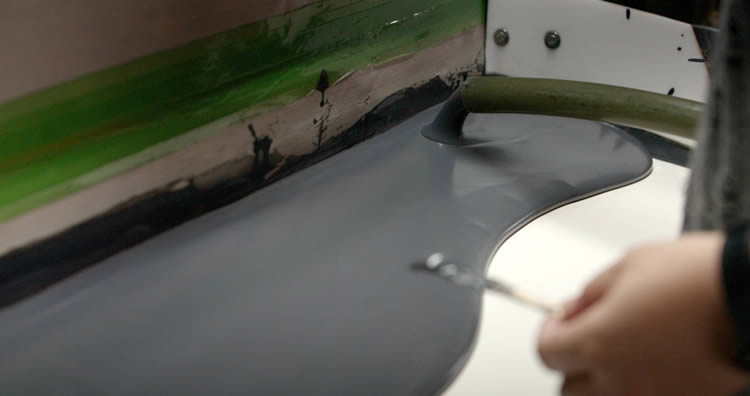
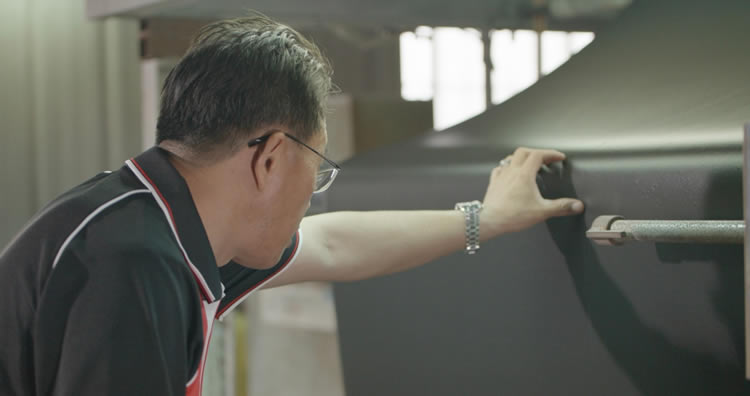
At GuangXin Industrial, our core strength lies in our deep expertise and versatility in insole and pillow manufacturing. We specialize in working with a wide range of materials, including PU (polyurethane), natural latex, and advanced graphene composites, to develop insoles and pillows that meet diverse performance, comfort, and health-support needs.
Whether it's cushioning, support, breathability, or antibacterial function, we tailor material selection to the exact requirements of each project-whether for foot wellness or ergonomic sleep products.
We provide end-to-end manufacturing capabilities under one roof—covering every stage from material sourcing and foaming, to precision molding, lamination, cutting, sewing, and strict quality control. This full-process control not only ensures product consistency and durability, but also allows for faster lead times and better customization flexibility.
With our flexible production capacity, we accommodate both small batch custom orders and high-volume mass production with equal efficiency. Whether you're a startup launching your first insole or pillow line, or a global brand scaling up to meet market demand, GuangXin is equipped to deliver reliable OEM/ODM solutions that grow with your business.
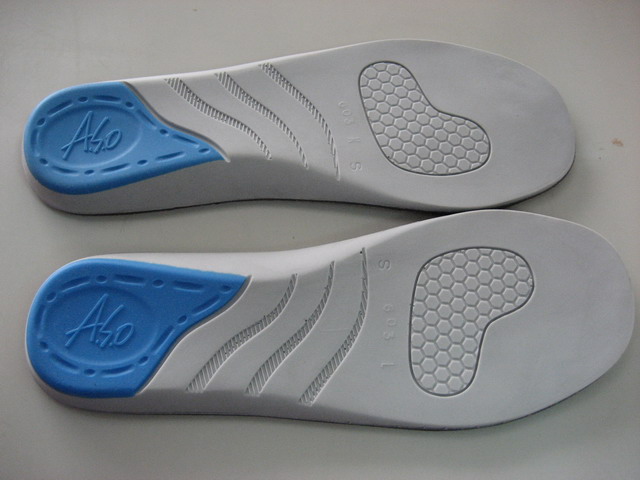
Customization & OEM/ODM Flexibility
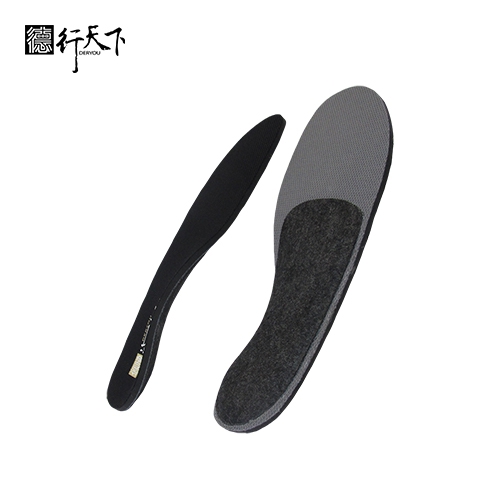
GuangXin offers exceptional flexibility in customization and OEM/ODM services, empowering our partners to create insole products that truly align with their brand identity and target market. We develop insoles tailored to specific foot shapes, end-user needs, and regional market preferences, ensuring optimal fit and functionality.
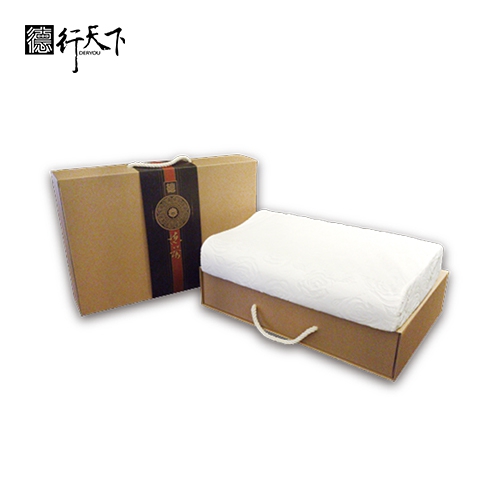
Our team supports comprehensive branding solutions, including logo printing, custom packaging, and product integration support for marketing campaigns. Whether you're launching a new product line or upgrading an existing one, we help your vision come to life with attention to detail and consistent brand presentation.
With fast prototyping services and efficient lead times, GuangXin helps reduce your time-to-market and respond quickly to evolving trends or seasonal demands. From concept to final production, we offer agile support that keeps you ahead of the competition.
Quality Assurance & Certifications
Quality is at the heart of everything we do. GuangXin implements a rigorous quality control system at every stage of production—ensuring that each insole meets the highest standards of consistency, comfort, and durability.
We provide a variety of in-house and third-party testing options, including antibacterial performance, odor control, durability testing, and eco-safety verification, to meet the specific needs of our clients and markets.
Our products are fully compliant with international safety and environmental standards, such as REACH, RoHS, and other applicable export regulations. This ensures seamless entry into global markets while supporting your ESG and product safety commitments.
ESG-Oriented Sustainable Production
At GuangXin Industrial, we are committed to integrating ESG (Environmental, Social, and Governance) values into every step of our manufacturing process. We actively pursue eco-conscious practices by utilizing eco-friendly materials and adopting low-carbon production methods to reduce environmental impact.
To support circular economy goals, we offer recycled and upcycled material options, including innovative applications such as recycled glass and repurposed LCD panel glass. These materials are processed using advanced techniques to retain performance while reducing waste—contributing to a more sustainable supply chain.
We also work closely with our partners to support their ESG compliance and sustainability reporting needs, providing documentation, traceability, and material data upon request. Whether you're aiming to meet corporate sustainability targets or align with global green regulations, GuangXin is your trusted manufacturing ally in building a better, greener future.
Let’s Build Your Next Insole Success Together
Looking for a reliable insole manufacturing partner that understands customization, quality, and flexibility? GuangXin Industrial Co., Ltd. specializes in high-performance insole production, offering tailored solutions for brands across the globe. Whether you're launching a new insole collection or expanding your existing product line, we provide OEM/ODM services built around your unique design and performance goals.
From small-batch custom orders to full-scale mass production, our flexible insole manufacturing capabilities adapt to your business needs. With expertise in PU, latex, and graphene insole materials, we turn ideas into functional, comfortable, and market-ready insoles that deliver value.
Contact us today to discuss your next insole project. Let GuangXin help you create custom insoles that stand out, perform better, and reflect your brand’s commitment to comfort, quality, and sustainability.
🔗 Learn more or get in touch:
🌐 Website: https://www.deryou-tw.com/
📧 Email: shela.a9119@msa.hinet.net
📘 Facebook: facebook.com/deryou.tw
📷 Instagram: instagram.com/deryou.tw
China graphene sports insole ODM
Are you looking for a trusted and experienced manufacturing partner that can bring your comfort-focused product ideas to life? GuangXin Industrial Co., Ltd. is your ideal OEM/ODM supplier, specializing in insole production, pillow manufacturing, and advanced graphene product design.
With decades of experience in insole OEM/ODM, we provide full-service manufacturing—from PU and latex to cutting-edge graphene-infused insoles—customized to meet your performance, support, and breathability requirements. Our production process is vertically integrated, covering everything from material sourcing and foaming to molding, cutting, and strict quality control.Innovative pillow ODM solution in Vietnam
Beyond insoles, GuangXin also offers pillow OEM/ODM services with a focus on ergonomic comfort and functional innovation. Whether you need memory foam, latex, or smart material integration for neck and sleep support, we deliver tailor-made solutions that reflect your brand’s values.
We are especially proud to lead the way in ESG-driven insole development. Through the use of recycled materials—such as repurposed LCD glass—and low-carbon production processes, we help our partners meet sustainability goals without compromising product quality. Our ESG insole solutions are designed not only for comfort but also for compliance with global environmental standards.Graphene-infused pillow ODM Taiwan
At GuangXin, we don’t just manufacture products—we create long-term value for your brand. Whether you're developing your first product line or scaling up globally, our flexible production capabilities and collaborative approach will help you go further, faster.Smart pillow ODM manufacturing factory Taiwan
📩 Contact us today to learn how our insole OEM, pillow ODM, and graphene product design services can elevate your product offering—while aligning with the sustainability expectations of modern consumers.Indonesia flexible graphene product manufacturing
Acicnemis ryukyuana’s distinctive colors and leg shape: Acicnemis ryukyuana (A) can be distinguished by the yellow bands on its shoulders and the color of its hardened fore wings. The shape of its leg segment (tarsal segment) is also very unique, as it is not strongly indented. In most Acicnemis species the same leg segment is heavily indented and heart-shaped (shown here in Acicnemis postica, B). Credit: OIST The Weevil Possesses Distinctive Characteristics and Is Sensitive to Human Disturbance A new weevil species has been found in the pristine subtropical forests of Ishigaki Island and Yanbaru National Park in Okinawa, Japan. The Ryukyu Islands, a chain of subtropical islands stretching between mainland Japan and Taiwan, are celebrated for their impressive biodiversity. With a unique evolutionary past due to their relative isolation, these islands house an array of intriguing insect species. Researchers at the Okinawan Institute of Science and Technology (OIST) have been placing net traps to monitor insects on Okinawa Island since 2015, and have captured a wide range of insects, including beetles, flies, wasps, and bees, which are preserved in ethanol, dried and stored in the OIST insect collection. The newly discovered beetle species, Acicnemis ryukyuana, was successfully identified through microscope analysis and dissection by OIST entomologist Jake H. Lewis, who works as Collection Manager in the OIST Environmental Science and Informatics Section. Environmental Science and Informatics Section (OIST) staff member Jake Lewis is working on the taxonomy and evolution of weevils. Currently, he is using a wide variety of techniques like microscopy, dissections, DNA analysis, and X-ray microtomography to find and describe new species across Asia. Credit: “When I arrived at OIST in 2022, I dove headfirst into the OIST weevil collection. As I closely examined them, this species immediately caught my eye. It clearly belonged to the genus Acicnemis, but was unlike anything else described from East Asia,” recounts Lewis. “Its elongated scales and unique coloration set this species apart from other known Japanese species.” The genus Acicnemis contains over 180 species, so confirming the discovery of a new species within this genus requires a thorough examination of the existing literature and museum collections. As the “type specimens” (the original specimens used for species description) in the genus Acicnemis are housed in European and Japanese museums, Lewis had to reach out to several institutions, including the Kyushu University Museum (Japan), the Natural History Museum in London (UK), and the Senckenberg German Entomological Institute (Germany) in order to authenticate the status of Acicnemis ryukyuana as a novel species. 3D models created using X-ray microtomography show the differences in leg shape between the newly discovered Acicnemis ryukyuana and Acicnemis postica. The shape of the second segment of the leg is evenly curved in Acicnemis postica (A and B), but wavy along the inner edge in the new species Acicnemis ryukyuana (C and D). Credit: OIST Based on the current knowledge, Acicnemis ryukyuana is endemic to the Ryukyus. The entomologist named this species ryukyuana [from Ryukyu] and リュウキュウカレキゾウムシ [pronunciation: Ryuku-kareki-zoumushi, translation: “Ryukyu dead-tree weevil”] in Japanese to emphasize that it is an endemic element of the Ryukyu biodiversity. Weevils form one of the most diverse animal groups on the planet and generally feed on plants. Some weevil species are highly specialized and have a narrow range of plants they can feed on. The host plant(s) for this new species remain unknown, and Lewis hopes to conduct further field studies investigating this. The Distinctive Features of Acicnemis Ryukyuana Acicnemis ryukyuana can be immediately recognized by the yellow bands on its shoulders, and distinct pattern of grey, black, and yellow scales on its tough forewings. Other unique features visible under the microscope include the long scales (hairs) on the back and the shape of the last segment of the leg. The newly discovered Acicnemis ryukyuana (A) and other Acicnemis species found in Okinawa. A) Acicnemis ryukyuana, B) Acicnemis postica, C) Acicnemis azumai, D) Acicnemis exilis, E) Acicnemis maculaalba, and F) Acicnemis kiotoensis. Credit: OIST “Based on the unique set of features observed in this new species, A. ryukyuana appears to be closely related to some other species in southeast Asia, however, DNA analyses will be required to confirm this,” explains Lewis. “I was drawn to Okinawa as there are numerous undescribed weevil species in the region, unlike in Canada, my home country, where weevils have been much more thoroughly studied. Living in Okinawa and having Yanbaru National Park as a backyard is very exciting as it is home to many undescribed, endemic species.” enthuses Lewis. “The Ryukyu Islands offer an irresistible playground for taxonomists, rich in species which you only find here”. The Beetles’ Sensitivity to Human Presence Although OIST researchers distributed insect traps widely across Okinawa Island including heavily populated and disturbed areas, A. ryukyuana was only captured in a pristine, specially protected part of Yanbaru National Park. The new species was also collected in well-preserved subtropical forest areas on Ishigaki Island; and located by Lewis in the Kyushu University Museum collection. “Based on these collection locations, this weevil species appears to be very sensitive to human disturbance compared to other Acicnemis species commonly found in the Ryukyu Islands.” “This newly discovered beetle might be considered a vulnerable, endemic element of the Ryukyu fauna, similar to the flight-less bird Okinawa rail, the Yanbaru long-armed scarab beetle, and the Okinawa spiny rat,” says Lewis. “I am sure that taxonomists, conservation biologists, and local naturalists in Okinawa will be interested in knowing that yet another remarkable species has been discovered in the Ryukyu Islands.” Reference: “A New Species of Acicnemis Fairmaire, 1849 (Coleoptera: Curculionidae) from Okinawa and Ishigaki Islands, Okinawa Prefecture, Japan” by Jake H. Lewis, 16 June 2023, The Coleopterists Bulletin. DOI: 10.1649/0010-065X-77.2.185
The technique is the most comprehensive yet for studying the shape of genes. The New Technique Is “Like Upgrading From the Hubble to the James Webb” A new imaging technique captures the three-dimensional architecture of the human genome with unprecedented detail, showing how individual genes fold at the level of nucleosomes, the fundamental units constituting the genome’s three-dimensional architecture. The technology, which was created by Barcelona-based researchers at the Centre for Genomic Regulation (CRG) and the Institute for Research in Biomedicine (IRB Barcelona), combines high-resolution microscopy with sophisticated computer modeling. It is the most comprehensive technique to date for studying the shape of genes. The new technique allows researchers to create and digitally navigate three-dimensional models of genes, seeing not just their architecture but also information on how they move or how flexible they are. Understanding how genes function might help us better understand how they influence the human body in both health and disease since almost every human disease has some genetic basis. Comparison using a conventional microscope (left) to visualize the structure of the NANOG gene, which shows up as a bright green spot vs. using MiOS (right) which can image individual genes. MiOS is roughly ten times better in resolution and also details critical aspects of the structure that are not discernible using conventional methods. Credit: Vicky Neguembor/CRG and Pablo Dans/IRB Barcelona Scientists will eventually be able to utilize this knowledge to predict what happens to genes when things go wrong, such as cataloging differences in the structure of genes that cause disease. The method might potentially be used to test drugs that change the shape of an aberrant gene, helping in the development of novel treatments for various diseases. The technology is the next evolution of imaging techniques used to study living organisms, which first started more than four hundred years ago with the creation of microscopes. These played a crucial role in advancing medicine and human health, for example, used by Robert Hooke to describe cells for the first time and later used by Santiago Ramón y Cajal to identify neurons. Despite great advances, the limitations of optical microscopes were clear as far back as 1873, with researchers stipulating that their maximum resolution could not surpass 0.2 micrometers. This physical limit was overcome in the 21st century with the creation of super-resolution microscopy, a breakthrough that was awarded the Nobel Prize in Chemistry in 2014. Using fluorescence, researchers extended the limits of light microscopy and captured events at 20 nanometres, a feat that revealed how life works at an unprecedented molecular scale. Example of a MiOS model showing how a gene folds in 3D. This reveals how certain regions are compacted and others are stretched and more accessible. Credit: Pablo Dans/IRB Barcelona Super-resolution microscopy changed the course of biomedical research, enabling scientists to track proteins in a variety of diseases. It also enabled researchers to study molecular events that regulate gene expression. Scientists now want to build on the technology and take it one step further by adding more layers of information. MiOS: A New Era of Super-Resolution Imaging Researchers hypothesized that taking super-resolution microscopy and merging it with advanced computational tools could be a way of imaging genes at the level of detail necessary to study their shape and function. An interdisciplinary team of scientists shared their expertise and created a new technique called Modeling immuno-OligoSTORM – or MiOS for short. The two research groups teamed up as part of the Barcelona Institute of Science and Technology’s (BIST) Ignite Call, which facilitates the exchange of knowledge among different scientific fields and exploring new approaches to address complex questions. From left to right: Pia Cosma, Laura Martin, Rafael Lema, Ximena Garate, Victoria Neguembor, Pablo Dans, Juan Pablo Arcon, Jürgen Walther, Isabelle Brun Heath, Pablo Romero, Diana Buitrago. Credit: BIST “Our computational modeling strategy integrates data from DNA sequencing techniques and super-resolution microscopy to provide an essential picture (or movie) of the 3D shape of genes at resolutions beyond the size of nucleosomes, reaching the scales needed to understand in detail the interaction between chromatin and other cell factors,” says Dr. Juan Pablo Arcon, co-first author of the work and postdoctoral researcher at IRB Barcelona. Unprecedented Insights Into Gene Structure and Function As proof of concept, the research team used MiOS to provide new insights on the position, shape, and compaction of key housekeeping and pluripotency genes, revealing new structures and details that are not captured using conventional techniques alone. The findings are published in the journal Nature Structural & Molecular Biology. The study’s corresponding authors include ICREA Research Professor Pia Cosma at the CRG and Professor Modesto Orozco at IRB Barcelona, as well as Pablo Dans, previously a researcher at IRB Barcelona and now at University of the Republic (Uruguay) and the Institut Pasteur of Montevideo. “We show that MiOS provides unprecedented detail by helping researchers virtually navigate inside genes, revealing how they are organized at a completely new scale. It is like upgrading from the Hubble Space Telescope to the James Webb, but instead of seeing distant stars we’ll be exploring the farthest reaches inside a human nucleus,” says Dr. Vicky Neguembor, co-first and also a co-corresponding author of the study and researcher at the CRG. While a lot of genome-based research is already changing how we diagnose, treat, or prevent diseases, the impact of MiOS is more long-term. By shedding light on how genes work and how they are regulated at the nanoscale, the technique will enable new discoveries in the scientific laboratory, some of which might eventually translate into clinical practice. The research team is already putting MiOS to use by exploring genes that are important for human development. The team will also keep developing MiOS further, adding additional functionality that can for example detect how transcription factors – proteins involved in the process of converting or transcribing, DNA into RNA – bind to DNA. Reference: “MiOS, an integrated imaging and computational strategy to model gene folding with nucleosome resolution” by Maria Victoria Neguembor, Juan Pablo Arcon, Diana Buitrago, Rafael Lema, Jürgen Walther, Ximena Garate, Laura Martin, Pablo Romero, Jumana AlHaj Abed, Marta Gut, Julie Blanc, Melike Lakadamyali, Chao-ting Wu, Isabelle Brun Heath, Modesto Orozco, Pablo D. Dans and Maria Pia Cosma, 11 October 2022, Nature Structural & Molecular Biology. DOI: 10.1038/s41594-022-00839-y The study was funded by the Barcelona Institute of Science and Technology, the Horizon 2020 Framework Programme, the Spanish Ministry of Science, Innovation, and Universities, and the Government of Catalonia.
Dubbed “Conan the Bacterium” for its extraordinary ability to tolerate the harshest of conditions, Deinococcus radiodurans can withstand radiation doses thousands of times higher than what would kill a human. Credit: Michael J. Daly/USU Deinococcus radiodurans, also known as “Conan the Bacterium,” is one of nature’s toughest life forms, capable of surviving radiation levels thousands of times higher than what would kill a human. Scientists have finally uncovered the molecular secret behind its resilience: a unique antioxidant complex formed by manganese and specific metabolites. This discovery could pave the way for life-saving technologies, from space exploration to medical treatments. “Conan the Bacterium” Nicknamed “Conan the Bacterium” for its incredible resilience, Deinococcus radiodurans can survive radiation doses thousands of times stronger than what would be fatal to humans — or any other known organism. This extraordinary resistance comes from a set of simple metabolites that combine with manganese to create a powerful antioxidant. Researchers at Northwestern University and the Uniformed Services University (USU) have now uncovered how this natural defense mechanism works. Synthetic Antioxidant Inspired by Microbial Resilience In a new study, the researchers characterized a synthetic designer antioxidant, called MDP, which was inspired by Deinococcus radiodurans’ resilience. They found MDP’s components — manganese ions, phosphate and a small peptide — form a ternary complex that is a much more powerful protectant from radiation damage than manganese combined with either of the other individual components alone. This discovery could eventually lead to new synthetic antioxidants specifically tailored to human needs. Applications include protecting astronauts from intense cosmic radiation during deep-space missions, preparing for radiation emergencies, and producing radiation-inactivated vaccines. The study was published on December 12 in the Proceedings of the National Academy of Sciences. The Breakthrough in Antioxidant Research “It is this ternary complex that is MDP’s superb shield against the effects of radiation,” said Northwestern’s Brian Hoffman, who conducted the study with USU’s Michael Daly. “We’ve long known that manganese ions and phosphate together make a strong antioxidant, but discovering and understanding the ‘magic’ potency provided by the addition of the third component is a breakthrough. This study has provided the key to understanding why this combination is such a powerful — and promising — radioprotectant.” Hoffman is the Charles E. and Emma H. Morrison Professor of Chemistry and professor of molecular biosciences at Northwestern’s Weinberg College of Arts and Sciences. He also is a member of the Chemistry of Life Processes Institute. An expert on Deinococcus radiodurans, Daly is a professor of pathology at USU and a member of the National Academies’ Committee on Planetary Protection. Incredible Hulk of the Microbial World The new study builds on previous research from Hoffman’s and Daly’s collaboration, during which they sought to better understand Deinococcus radiodurans’ predicted ability to withstand radiation on Mars. In that research, Hoffman’s team at Northwestern used an advanced spectroscopy technique to measure the accumulation of manganese antioxidants in the microbes’ cells. According to Hoffman and Daly, the size of the radiation dose that a microorganism or its spores can survive directly correlates with the amount of manganese antioxidants it contains. In other words, more manganese antioxidants mean more resistance to intense radiation. In earlier studies, other researchers discovered Deinococcus radiodurans can survive 25,000 grays (or units of x- and gamma-rays). But, in their 2022 study, Hoffman and Daly found that the bacterium — when dried and frozen — could weather 140,000 grays of radiation, a dose 28,000 times greater than what would kill a human. So, if there are any slumbering, frozen microbes buried on Mars, they possibly could have survived the onslaught of galactic cosmic radiation and solar protons to this day. Unique Radiation Shielding Properties Building on their efforts to understand the microbe’s radiation resistance, Hoffman and Daly’s team investigated a designer decapeptide called DP1. When combined with phosphate and manganese, DP1 forms the free-radical-scavenging agent MDP, which successfully protects cells and proteins against radiation damage. In another recent study, Daly and his collaborators found MDP is effective in the preparation of irradiated polyvalent vaccines. Using advanced paramagnetic resonance spectroscopy, the team revealed that the active ingredient of MDP is a ternary complex — a precise assembly of phosphate and peptide bound to manganese. “This new understanding of MDP could lead to the development of even more potent manganese-based antioxidants for applications in health care, industry, defense and space exploration,” Daly said. Reference: “The ternary complex of Mn2+, synthetic decapeptide DP1 (DEHGTAVMLK) and orthophosphate is a superb antioxidant” by Hao Yang, Ajay Sharma, Michael J. Daly and Brian M. Hoffman, 12 December 2024, Proceedings of the National Academy of Sciences. DOI: 10.1073/pnas.2417389121 The study was supported by the National Institutes of Health (grant number GM111097), the National Science Foundation (grant number CHE-2333907) and the Defense Threat Reduction Agency (grant number HDTRA1620354).
DVDV1551RTWW78V
Graphene insole OEM factory Taiwan 》functional, flexible, and built for scaleVietnam graphene sports insole ODM 》designed for quality-conscious brands who care about user experienceIndonesia OEM factory for footwear and bedding 》experience you can count on, quality you can trust
下一則: Graphene insole OEM factory Thailand 》your trusted
限會員,要發表迴響,請先登入


