Introduction – Company Background
GuangXin Industrial Co., Ltd. is a specialized manufacturer dedicated to the development and production of high-quality insoles.
With a strong foundation in material science and footwear ergonomics, we serve as a trusted partner for global brands seeking reliable insole solutions that combine comfort, functionality, and design.
With years of experience in insole production and OEM/ODM services, GuangXin has successfully supported a wide range of clients across various industries—including sportswear, health & wellness, orthopedic care, and daily footwear.
From initial prototyping to mass production, we provide comprehensive support tailored to each client’s market and application needs.
At GuangXin, we are committed to quality, innovation, and sustainable development. Every insole we produce reflects our dedication to precision craftsmanship, forward-thinking design, and ESG-driven practices.
By integrating eco-friendly materials, clean production processes, and responsible sourcing, we help our partners meet both market demand and environmental goals.
Core Strengths in Insole Manufacturing
At GuangXin Industrial, our core strength lies in our deep expertise and versatility in insole and pillow manufacturing. We specialize in working with a wide range of materials, including PU (polyurethane), natural latex, and advanced graphene composites, to develop insoles and pillows that meet diverse performance, comfort, and health-support needs.
Whether it's cushioning, support, breathability, or antibacterial function, we tailor material selection to the exact requirements of each project-whether for foot wellness or ergonomic sleep products.
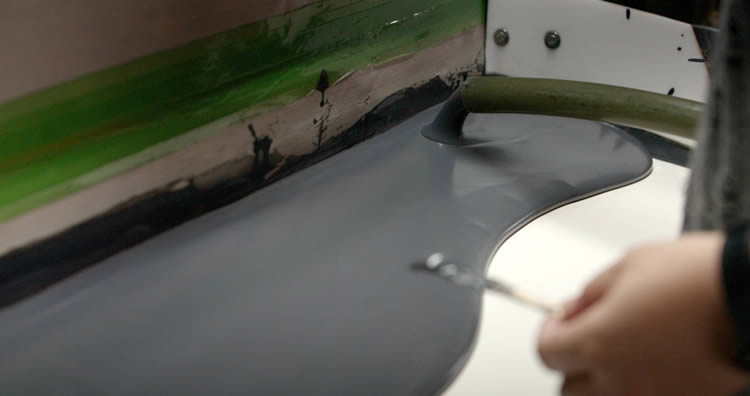
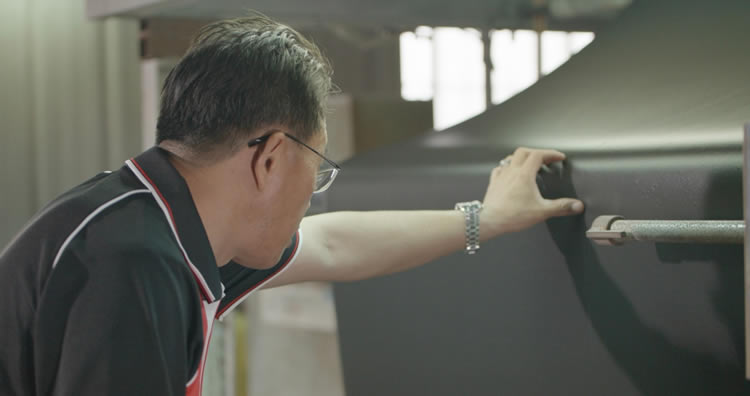
We provide end-to-end manufacturing capabilities under one roof—covering every stage from material sourcing and foaming, to precision molding, lamination, cutting, sewing, and strict quality control. This full-process control not only ensures product consistency and durability, but also allows for faster lead times and better customization flexibility.
With our flexible production capacity, we accommodate both small batch custom orders and high-volume mass production with equal efficiency. Whether you're a startup launching your first insole or pillow line, or a global brand scaling up to meet market demand, GuangXin is equipped to deliver reliable OEM/ODM solutions that grow with your business.
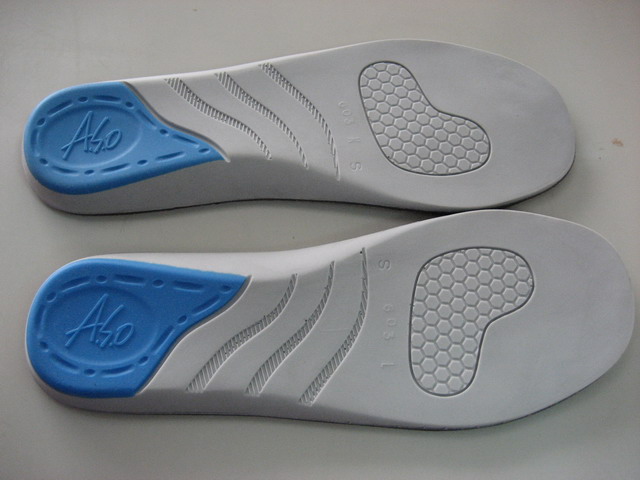
Customization & OEM/ODM Flexibility
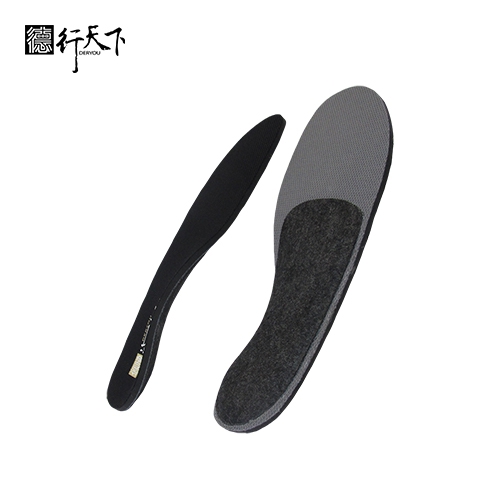
GuangXin offers exceptional flexibility in customization and OEM/ODM services, empowering our partners to create insole products that truly align with their brand identity and target market. We develop insoles tailored to specific foot shapes, end-user needs, and regional market preferences, ensuring optimal fit and functionality.
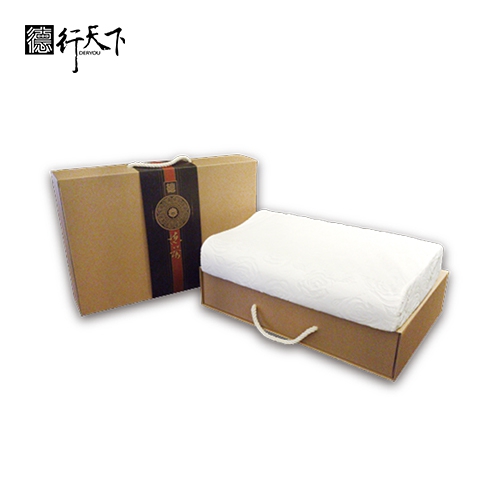
Our team supports comprehensive branding solutions, including logo printing, custom packaging, and product integration support for marketing campaigns. Whether you're launching a new product line or upgrading an existing one, we help your vision come to life with attention to detail and consistent brand presentation.
With fast prototyping services and efficient lead times, GuangXin helps reduce your time-to-market and respond quickly to evolving trends or seasonal demands. From concept to final production, we offer agile support that keeps you ahead of the competition.
Quality Assurance & Certifications
Quality is at the heart of everything we do. GuangXin implements a rigorous quality control system at every stage of production—ensuring that each insole meets the highest standards of consistency, comfort, and durability.
We provide a variety of in-house and third-party testing options, including antibacterial performance, odor control, durability testing, and eco-safety verification, to meet the specific needs of our clients and markets.
Our products are fully compliant with international safety and environmental standards, such as REACH, RoHS, and other applicable export regulations. This ensures seamless entry into global markets while supporting your ESG and product safety commitments.
ESG-Oriented Sustainable Production
At GuangXin Industrial, we are committed to integrating ESG (Environmental, Social, and Governance) values into every step of our manufacturing process. We actively pursue eco-conscious practices by utilizing eco-friendly materials and adopting low-carbon production methods to reduce environmental impact.
To support circular economy goals, we offer recycled and upcycled material options, including innovative applications such as recycled glass and repurposed LCD panel glass. These materials are processed using advanced techniques to retain performance while reducing waste—contributing to a more sustainable supply chain.
We also work closely with our partners to support their ESG compliance and sustainability reporting needs, providing documentation, traceability, and material data upon request. Whether you're aiming to meet corporate sustainability targets or align with global green regulations, GuangXin is your trusted manufacturing ally in building a better, greener future.
Let’s Build Your Next Insole Success Together
Looking for a reliable insole manufacturing partner that understands customization, quality, and flexibility? GuangXin Industrial Co., Ltd. specializes in high-performance insole production, offering tailored solutions for brands across the globe. Whether you're launching a new insole collection or expanding your existing product line, we provide OEM/ODM services built around your unique design and performance goals.
From small-batch custom orders to full-scale mass production, our flexible insole manufacturing capabilities adapt to your business needs. With expertise in PU, latex, and graphene insole materials, we turn ideas into functional, comfortable, and market-ready insoles that deliver value.
Contact us today to discuss your next insole project. Let GuangXin help you create custom insoles that stand out, perform better, and reflect your brand’s commitment to comfort, quality, and sustainability.
🔗 Learn more or get in touch:
🌐 Website: https://www.deryou-tw.com/
📧 Email: shela.a9119@msa.hinet.net
📘 Facebook: facebook.com/deryou.tw
📷 Instagram: instagram.com/deryou.tw
Graphene insole OEM factory China
Are you looking for a trusted and experienced manufacturing partner that can bring your comfort-focused product ideas to life? GuangXin Industrial Co., Ltd. is your ideal OEM/ODM supplier, specializing in insole production, pillow manufacturing, and advanced graphene product design.
With decades of experience in insole OEM/ODM, we provide full-service manufacturing—from PU and latex to cutting-edge graphene-infused insoles—customized to meet your performance, support, and breathability requirements. Our production process is vertically integrated, covering everything from material sourcing and foaming to molding, cutting, and strict quality control.Insole ODM factory in Taiwan
Beyond insoles, GuangXin also offers pillow OEM/ODM services with a focus on ergonomic comfort and functional innovation. Whether you need memory foam, latex, or smart material integration for neck and sleep support, we deliver tailor-made solutions that reflect your brand’s values.
We are especially proud to lead the way in ESG-driven insole development. Through the use of recycled materials—such as repurposed LCD glass—and low-carbon production processes, we help our partners meet sustainability goals without compromising product quality. Our ESG insole solutions are designed not only for comfort but also for compliance with global environmental standards.Flexible manufacturing OEM & ODM Thailand
At GuangXin, we don’t just manufacture products—we create long-term value for your brand. Whether you're developing your first product line or scaling up globally, our flexible production capabilities and collaborative approach will help you go further, faster.High-performance insole OEM Taiwan
📩 Contact us today to learn how our insole OEM, pillow ODM, and graphene product design services can elevate your product offering—while aligning with the sustainability expectations of modern consumers.One-stop OEM/ODM solution provider China
A groundbreaking study presents the most exhaustive frog evolutionary tree, spanning 5,242 species. The research proposes a revised timeline for frog evolution and introduces innovative software, offering insights and methodologies applicable to other organisms. This photograph shows a Vietnamese Mossy Frog (Theloderma corticale). Most detailed and comprehensive family tree to date of frogs created using molecular data. Researchers, including Jeff Streicher, Senior Curator in Charge, Amphibians and Reptiles at the Natural History Museum, London, have unveiled the most extensive evolutionary tree of frogs (anuran amphibians) to date. This comprehensive phylogeny, based on hundreds of genetic markers and a staggering 5,242 frog species, is set to transform our understanding of these fascinating creatures. Shift in Evolutionary Timeline The new research has also shifted the possible start date for when living frogs began evolving. According to Jeff Streicher, a lead author on the paper, “Previously the group was thought to have begun to split into the thousands of species we see today around 210 or 220 million years ago. Our new analysis suggests instead that this date was around 180 million years ago. Finding that frogs are younger means that they diversified into thousands of species more rapidly than was thought before.” Frogs, with their diverse natural histories, have always been a subject of fascination for biologists and nature enthusiasts alike. However, previous attempts to create comprehensive phylogenies for these creatures were limited by the types of genetic data being used. Methodological Advancements in Study In this study, researchers addressed these limitations by developing an expansive family tree that combined genetic data from phylogenomic studies with hundreds of genetic markers that included only a few species, and data from hundreds of small-scale studies of frogs that sometimes used only one or two markers but collectively included thousands of species. This novel approach allowed them to include an astonishing 5,242 frog species, representing a remarkable 71% increase from previous family trees. Jeff Streicher says, “Phylogenetic trees are the starting point for most studies looking at a specific group of animals, so it is essential they are as accurate and detailed as possible.” Dan Portik, lead author adds, “Here not only have we increased the data that the frog phylogenetic tree draws upon but we also developed new software to help improve those data.” Software Innovations and Future Applications The researchers developed software to make it easier to compare genes that evolve large differences between species. John J. Wiens, the senior author and a Professor at the University of Arizona says, “Previous studies were afraid to combine phylogenomic datasets with hundreds of markers with data from many smaller studies with fewer markers. We showed that this is not only possible, but also leads to an improved family-level tree that can include thousands of species. This same approach could be applied to any group of organisms.” Conclusion and Future Implications The study represents a significant leap forward in our understanding of frog evolution and provides a valuable resource for researchers and offers new avenues for the study of anuran amphibians. As the scientific community continues to explore and expand our knowledge of these remarkable creatures, this comprehensive phylogeny serves as a foundation for future discoveries. Reference: “Frog phylogeny: a time-calibrated, species-level tree based on hundreds of loci and 5,242 species” by Daniel M. Portik, Jeffrey W. Streicher and John J. Wienss, 25 August 2023, Molecular Phylogenetics and Evolution. DOI: 10.1016/j.ympev.2023.107907
New high-resolution images have provided insights into how the large subunit of human ribosomes assembles, advancing our understanding of these essential cellular machines. The findings, which employed cryo-electron microscopy and other techniques, could have implications for studies in cellular metabolism and diseases linked to ribosome mutations. Scientists have mapped the human large ribosomal subunit (60S) assembly process, revealing its complexity and connections to cellular metabolism, offering insights into ribosome-related diseases. Life runs on ribosomes. Every cell across the globe requires ribosomes to convert genetic data into the vital proteins required for the organism’s operation, and, subsequently, for the production of more ribosomes. However, scientists still lack a clear understanding of how these essential nanomachines are assembled. Now, new high-resolution images of the large ribosomal subunit are shedding light on how arguably nature’s most fundamental molecule coalesces in human cells. The findings, published in Science, bring us one step closer to a complete picture of ribosome assembly. “We now have a pretty good idea of how the large ribosomal subunit is assembled in humans,” says Rockefeller’s Sebastian Klinge. “We still have quite a few gaps in our understanding, but we certainly now have a much better idea than we had before.” Solving the Large Subunit Ribosomes were first discovered at Rockefeller almost 70 years ago. Researchers have subsequently established that they consist of two distinct components: a small 40S subunit responsible for interpreting messenger RNA, and a larger 60S subunit that links protein fragments. However, those were the very broadest strokes. The precise steps by which these complex molecules are assembled into their mature form has long remained a mystery. Klinge’s approach to this larger problem has long focused on figuring out how ribosomes form in the first place. To that end, Klinge’s lab was among the first to use cryo-electron microscopy to capture footage of a nonbacterial ribosome assembling towards its final shape, and the lab has since taken an even more granular approach—painstakingly stringing snapshots of maturing ribosomes together, to understand how these molecules get from one point in their assembly to the next. In recent years, Klinge and other scientists around the world have identified and characterized more than 200 ribosome assembly factors that influence the modification, processing, and folding of ribosomes. For the current study, Klinge and colleagues focused on the human large ribosomal subunit (60S). The team already knew, from studies in yeast, that the large subunit’s formation involves two precursors (a 5S rRNA and 32S pre-rRNA) snapping together, but “we wanted to know all of the events that need to happen for this to occur,” says Arnaud Vanden Broeck, a postdoctoral researcher in Klinge’s lab. “We wanted to explain how the large subunit is assembled and processed in human cells.” Vanden Broeck and Klinge combined new techniques involving a mashup of genome editing and biochemistry, to capture high-resolution cryo-EM structures of 24 human large ribosomal subunit assembly intermediates as they were maturing. The resulting images show how assembly factors, various proteins, and enzymes, interact with RNA elements to drive the formation and maturation of the 60S. Together, the findings represent a near-complete picture of how the human large subunit assembles. “For sixty years we had almost nothing on the intermediates that form the human 60S—it was all but invisible to us—and now we’ve jumped from nothing to pretty good coverage,” Vanden Broeck says, while admitting that some of the rarest and most transient steps on the road to the mature 60S may have evaded the team, and fallen through the cracks. “We still have a lot of work to do.” New Insights into Cellular Metabolism and Disease Nonetheless, key findings from the study could already begin informing related fields of inquiry. Among the intermediary steps discovered, for instance, are signaling pathways that suggest a link between ribosome assembly and cellular metabolism—suggesting that a complete understanding of ribosomes may well require close collaboration with experts in cell metabolism. And the granular look at the steps of ribosome formation provided by the study may provide important context for scientists studying diseases linked to ribosome mutations. For now, however, Klinge and Vanden Broeck are content to marvel at the substantial leap forward. “It’s not guesswork anymore,” Klinge says. “We can now see, in detail, what’s going on when the large subunit assembles. It’s humbling to realize we’re finally able to see what makes ribosomes and drives protein formation in all of our own cells.” Reference: “Principles of human pre-60S biogenesis” by Arnaud Vanden Broeck and Sebastian Klinge, 7 July 2023, Science. DOI: 10.1126/science.adh3892
Mandrills grooming each other. This type of monkey continues to care for sick family members while actively avoiding sick individuals who are not their close relatives. Forager ants do it, vampire bats do it, guppies do it, and mandrills do it. Long before humans learned about and started “social distancing due to COVID-19,” animals in nature intuitively practiced social distancing when one of their own became sick. In a new review published in Science, Dana Hawley, a professor of biological sciences in the Virginia Tech College of Science and colleagues from the University of Texas at Austin, University of Bristol, University of Texas at San Antonio, and University of Connecticut have highlighted just a few of the many non-human species that practice social distancing, as well as lessons learned from their methods to stop the spread of bacterial, viral, and parasitic infections. Sickness Behavior Across the Animal Kingdom “Looking at non-human animals can tell us something about what we have to do as a society to make it such that individuals can behave in ways when they are sick that protect both themselves and society as a whole,” said Hawley, who is an affiliated faculty member of the Global Change Center and the Center for Emerging, Zoonotic, and Arthropod-Borne Pathogens, which are both housed within the Fralin Life Sciences Institute. Two Vampire bats hanging in a hibernaculum. Credit: Photo courtesy of Gerry Carter “Staying home and limiting interactions with others is an intuitive behavioral response when we feel sick — and one that we see across many types of animals in nature — but humans often suppress this instinct, at great potential cost to ourselves and our communities, because of pressures to continue working or attending classes even while sick,” added Hawley. Passive Social Distancing: An Evolutionary Response We all have had that experience of feeling sick. You may feel lethargic and just can’t seem to muster the energy to get out of bed or hang out with friends. Although you may not know it, you are practicing a form of social distancing. Since you are not actively trying to avoid people and just rolling with the punches of general malaise, Hawley and co-authors refer to this as “passive social distancing.” Of course, this has been observed in non-human species as well. Vampire bats, who feed solely on the blood of other animals, have been well studied because they are highly social, compared to their fruit- and insect-eating bat relatives. Since blood is not nutritional and difficult to find most days, the bats form strong social bonds by sharing food and grooming — or licking and cleaning each other’s fur. To learn more about their “sickness behavior,” or how their behavior changes in response to infection, researchers inject the bats with a small piece of cell membrane from a gram-negative bacteria known as lipopolysaccharide. The harmless substance triggers an immune response and their sickness behaviors, such as decreased activity and decreased grooming, without actually exposing them to a pathogen. A Caribbean spiny lobster peeking out of its den. These crustaceans perform active social distancing behaviors when an infected lobster enters the den. “Passive social distancing in vampire bats is a ‘byproduct’ of sickness behavior,” said Sebastian Stockmaier, who led the review while a Ph.D. student at the University of Texas at Austin, where he is still affiliated. “For instance, sick vampire bats might be more lethargic so that they can divert energy to a costly immune response. We have seen that this lethargy reduces contact with others and that sick vampire bats groom each other less.” Mandrills also exhibit grooming behaviors in order to maintain their social bonds, as well as their hygiene. However, these highly social primates are strategic about their social distancing behaviors. Because their grooming behaviors are important to keep their standing in society, they avoid contagious group mates, while occasionally increasing their risk of infection by continuing to groom their infected close relatives. On the other hand, many types of ants practice a form of active social distancing. Over the course of evolution, some ant species have adapted to abandon their tight-knit groups when they are feeling sick. In these cases, the infected individual’s self-sacrifice is seen as an act of public good to protect the rest of the colony and carry forth the genes that will keep the closely related colony thriving in the future. But there are other cases where healthy animals go out of their way to exclude sick members from the group or avoid contact with them altogether. Bees are another group of social insects whose main goal is to do everything for the greater good of the hive and their queen. So when infected bees are detected within the hive, healthy bees have no choice but to exclude the infected bees — by aggressively kicking them out of the hive. In other species, healthy individuals are the ones to leave the group to protect themselves from disease, but often at great cost. To reduce their risk of catching or transmitting a virus, healthy Caribbean spiny lobsters abandon their den when they detect an infected group member in it. Not only does this result in the loss of protection within the group and their den, but they are also exposing themselves to deadly predators in the open ocean. But for them, it is worth this risk to avoid a highly lethal virus. The Universal Costs of Social Distancing Although not all cases are this severe, reducing one’s own social interactions will always incur consequences of some kind, including loss of warmth or having more difficulty finding food. Unfortunately, humans have gotten all too familiar with the costs and benefits of social distancing since the inception of the COVID-19 pandemic. But Hawley says that there are actually many ways in which we have altered our behavior in the midst of disease, without even realizing it. Unconscious Behaviors That Minimize Disease Risk “COVID-19 has really highlighted the many ways that we use behavior to deal with disease,” said Hawley. “I think that we have all unconsciously used these types of behaviors throughout our lives, and it is only just now coming into focus how important these behaviors are in protecting ourselves from getting sick. “If you are sitting on an airplane and somebody next to you is coughing, you may be less likely to want to talk to them, or you may lean over to one side of your seat. There are so many ways that we are altering our behavior to minimize disease risk and we do it all the time without thinking because it is evolutionarily ingrained in us.” As new mutants of the SARS-Cov-2 virus arise, humans will have to continue to wear masks to protect themselves and others and social distance. Unlike animals in nature, humans have developed technology like Zoom to create social connections and bridges while they are physically distancing themselves from others. Hawley also explored virtual technology as a means of compensating for the costs of social distancing in humans in a review published in The Royal Society Proceedings B. Social Distancing: A Shared Survival Strategy Whether you are a forager ant, a Caribbean spiny lobster, or a human, it is clear that social distancing is a behavior that both benefits us as individuals and the community that connects us with one another. Therefore, we must take care of ourselves and others by practicing a behavior that is more apparent, and more imperative, now than ever before: active social distancing. Reference: “Infectious diseases and social distancing in nature” by Sebastian Stockmaier, Nathalie Stroeymeyt, Eric C. Shattuck, Dana M. Hawley, Lauren Ancel Meyers and Daniel I. Bolnick, 5 March 2021, Science. DOI: 10.1126/science.abc8881
DVDV1551RTWW78V
Indonesia insole OEM manufacturer 》functional, flexible, and built for scaleIndonesia ODM expert for comfort products 》where every detail is tailored to your brandis identityGraphene-infused pillow ODM factory Taiwan 》where quality, comfort, and credibility come together
下一則: 五股PU鞋墊環保代工解決方案 》德侑實業如何幫助企業達成ESG減碳目標?
限會員,要發表迴響,請先登入


