Introduction – Company Background
GuangXin Industrial Co., Ltd. is a specialized manufacturer dedicated to the development and production of high-quality insoles.
With a strong foundation in material science and footwear ergonomics, we serve as a trusted partner for global brands seeking reliable insole solutions that combine comfort, functionality, and design.
With years of experience in insole production and OEM/ODM services, GuangXin has successfully supported a wide range of clients across various industries—including sportswear, health & wellness, orthopedic care, and daily footwear.
From initial prototyping to mass production, we provide comprehensive support tailored to each client’s market and application needs.
At GuangXin, we are committed to quality, innovation, and sustainable development. Every insole we produce reflects our dedication to precision craftsmanship, forward-thinking design, and ESG-driven practices.
By integrating eco-friendly materials, clean production processes, and responsible sourcing, we help our partners meet both market demand and environmental goals.
Core Strengths in Insole Manufacturing
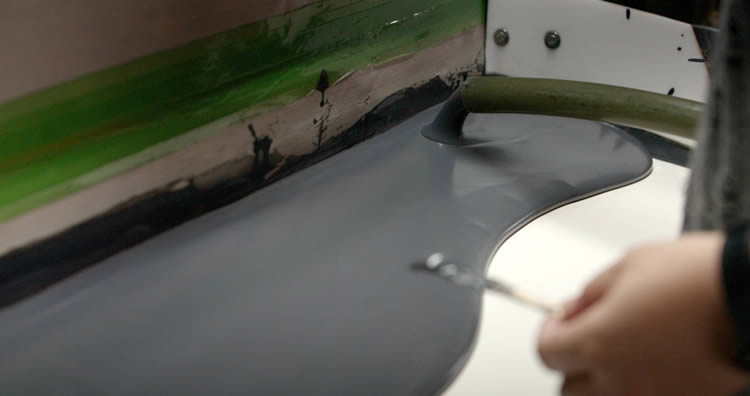
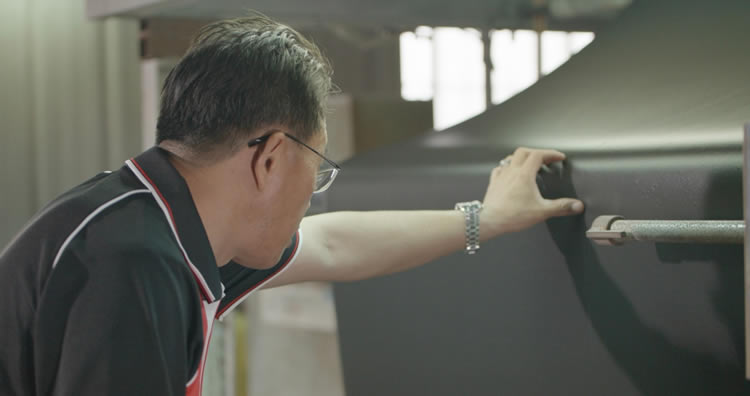
At GuangXin Industrial, our core strength lies in our deep expertise and versatility in insole and pillow manufacturing. We specialize in working with a wide range of materials, including PU (polyurethane), natural latex, and advanced graphene composites, to develop insoles and pillows that meet diverse performance, comfort, and health-support needs.
Whether it's cushioning, support, breathability, or antibacterial function, we tailor material selection to the exact requirements of each project-whether for foot wellness or ergonomic sleep products.
We provide end-to-end manufacturing capabilities under one roof—covering every stage from material sourcing and foaming, to precision molding, lamination, cutting, sewing, and strict quality control. This full-process control not only ensures product consistency and durability, but also allows for faster lead times and better customization flexibility.
With our flexible production capacity, we accommodate both small batch custom orders and high-volume mass production with equal efficiency. Whether you're a startup launching your first insole or pillow line, or a global brand scaling up to meet market demand, GuangXin is equipped to deliver reliable OEM/ODM solutions that grow with your business.
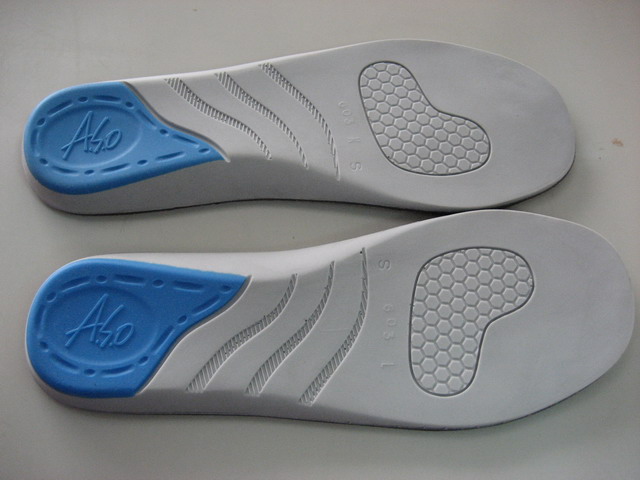
Customization & OEM/ODM Flexibility
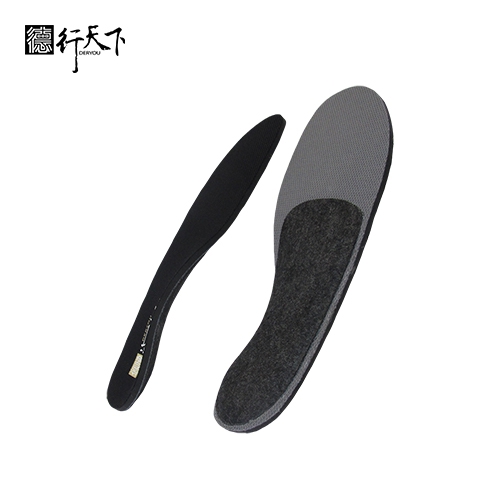
GuangXin offers exceptional flexibility in customization and OEM/ODM services, empowering our partners to create insole products that truly align with their brand identity and target market. We develop insoles tailored to specific foot shapes, end-user needs, and regional market preferences, ensuring optimal fit and functionality.
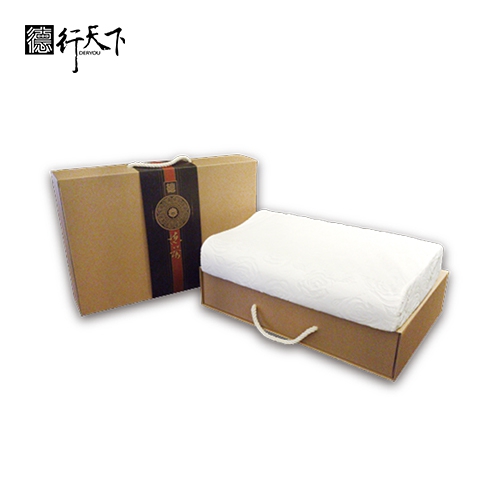
Our team supports comprehensive branding solutions, including logo printing, custom packaging, and product integration support for marketing campaigns. Whether you're launching a new product line or upgrading an existing one, we help your vision come to life with attention to detail and consistent brand presentation.
With fast prototyping services and efficient lead times, GuangXin helps reduce your time-to-market and respond quickly to evolving trends or seasonal demands. From concept to final production, we offer agile support that keeps you ahead of the competition.
Quality Assurance & Certifications
Quality is at the heart of everything we do. GuangXin implements a rigorous quality control system at every stage of production—ensuring that each insole meets the highest standards of consistency, comfort, and durability.
We provide a variety of in-house and third-party testing options, including antibacterial performance, odor control, durability testing, and eco-safety verification, to meet the specific needs of our clients and markets.
Our products are fully compliant with international safety and environmental standards, such as REACH, RoHS, and other applicable export regulations. This ensures seamless entry into global markets while supporting your ESG and product safety commitments.
ESG-Oriented Sustainable Production
At GuangXin Industrial, we are committed to integrating ESG (Environmental, Social, and Governance) values into every step of our manufacturing process. We actively pursue eco-conscious practices by utilizing eco-friendly materials and adopting low-carbon production methods to reduce environmental impact.
To support circular economy goals, we offer recycled and upcycled material options, including innovative applications such as recycled glass and repurposed LCD panel glass. These materials are processed using advanced techniques to retain performance while reducing waste—contributing to a more sustainable supply chain.
We also work closely with our partners to support their ESG compliance and sustainability reporting needs, providing documentation, traceability, and material data upon request. Whether you're aiming to meet corporate sustainability targets or align with global green regulations, GuangXin is your trusted manufacturing ally in building a better, greener future.
Let’s Build Your Next Insole Success Together
Looking for a reliable insole manufacturing partner that understands customization, quality, and flexibility? GuangXin Industrial Co., Ltd. specializes in high-performance insole production, offering tailored solutions for brands across the globe. Whether you're launching a new insole collection or expanding your existing product line, we provide OEM/ODM services built around your unique design and performance goals.
From small-batch custom orders to full-scale mass production, our flexible insole manufacturing capabilities adapt to your business needs. With expertise in PU, latex, and graphene insole materials, we turn ideas into functional, comfortable, and market-ready insoles that deliver value.
Contact us today to discuss your next insole project. Let GuangXin help you create custom insoles that stand out, perform better, and reflect your brand’s commitment to comfort, quality, and sustainability.
🔗 Learn more or get in touch:
🌐 Website: https://www.deryou-tw.com/
📧 Email: shela.a9119@msa.hinet.net
📘 Facebook: facebook.com/deryou.tw
📷 Instagram: instagram.com/deryou.tw
Taiwan custom product OEM/ODM manufacturing factory
Are you looking for a trusted and experienced manufacturing partner that can bring your comfort-focused product ideas to life? GuangXin Industrial Co., Ltd. is your ideal OEM/ODM supplier, specializing in insole production, pillow manufacturing, and advanced graphene product design.
With decades of experience in insole OEM/ODM, we provide full-service manufacturing—from PU and latex to cutting-edge graphene-infused insoles—customized to meet your performance, support, and breathability requirements. Our production process is vertically integrated, covering everything from material sourcing and foaming to molding, cutting, and strict quality control.Indonesia insole OEM manufacturer
Beyond insoles, GuangXin also offers pillow OEM/ODM services with a focus on ergonomic comfort and functional innovation. Whether you need memory foam, latex, or smart material integration for neck and sleep support, we deliver tailor-made solutions that reflect your brand’s values.
We are especially proud to lead the way in ESG-driven insole development. Through the use of recycled materials—such as repurposed LCD glass—and low-carbon production processes, we help our partners meet sustainability goals without compromising product quality. Our ESG insole solutions are designed not only for comfort but also for compliance with global environmental standards.Thailand graphene sports insole ODM
At GuangXin, we don’t just manufacture products—we create long-term value for your brand. Whether you're developing your first product line or scaling up globally, our flexible production capabilities and collaborative approach will help you go further, faster.Custom foam pillow OEM in Thailand
📩 Contact us today to learn how our insole OEM, pillow ODM, and graphene product design services can elevate your product offering—while aligning with the sustainability expectations of modern consumers.ESG-compliant OEM manufacturer in Vietnam
The scientists were able to learn how the new species has evolved through the use of morphometrics, stable isotope analysis, and genome sequencing. An Evolutionary Biologist’s Team Has Found a New Type of Speciation The evolution of a new species by hybridization of two previously described species with no change in chromosomal number is very unusual in the animal world. So far, only a few empirically acknowledged cases of this spontaneous mode of evolution (from one generation to the next) known as homoploid hybridization exist. A study led by Axel Meyer, Professor of Zoology and Evolutionary Biology at the University of Konstanz, has successfully demonstrated the emergence of a new hybrid species in cichlid fishes. This is likely the first instance of this genetic speciation method in vertebrates. The researchers reveal that a new hybrid species has emerged from the cichlid A. sagittae and A. xiloaensis in the crater lake Xiloá in Nicaragua using whole genome sequencing of more than 120 individuals as well as a number of other techniques. Their findings were recently published in the journal Nature Communications. The study team discovered fish in the crater lake Xiloá back in 2018 that resembled hybrids of the two cichlid species. Furthermore, genetic testing revealed that these fish’s genomes had elements of both species, depending on the marker. “We can now sequence the complete genomes of the fishes and look much more closely at how the genome of the hybrids is composed. In fact, it was possible to identify on the chromosome which part of the hybrid originated from A. sagittae and which from A. xiloaensis” says Axel Meyer. Cichlids (here Amphilophus xiloaensis) from the crater lake Xiloá in Nicaragua. Credit: Ad Konings; Cichlid Press The Majority of Fishes Reproduce Among Themselves The study team was also able to discover that the majority of individuals of the new species reproduced solely among themselves due to the detail of the markings, indicating that it is indeed a new species. It is also plausible that hybrids developed as a result of a “mistake” in mate selection, which would explain why their offspring could prove infertile or hybrid animals that mate with one of the two parent species again (“backcrossing”). The new, very young species, emerging within a few hundred generations, is not directly intermediate between the two parent species, A. sagittae and A. xiloaensis, neither morphologically, physiologically, nor ecologically. Instead, the hybrids show aspects of a transgressive phenotype with traits not found in either parent species. As a result, they occupy a different ecological niche than their two parent species, allowing them to coexist in the lake. Ecological Consequences From the Physique The fishes differ from their ancestors in the shape of their caudal root – the part of the body where the tail fin attaches. “Possibly that is why they are better swimmers. You find this type of body proportion often in fish that can accelerate very quickly”, Meyer explains. This allows the hybrids to roam different feeding grounds than the other four species in lake Xiloá, including both parental species, of which one is an elongated species living in open water, while the other has a deeper-bodied shape and lives close to the shore. With stable isotope analysis of the animals, the researchers were able to show that the prey of the new species consists of other fish, crabs, and shrimp – prey that is already very high on the food chain. Probably the individuals of the new species are the most successful predators of the lake. Unique Ecological Niche The new hybrid species occupies a unique ecological niche, which is very important in a small ecosystem like Lake Xiloá, whose diameter is only a little more than one kilometer. “The prerequisite for individual species coexisting for long periods of time in such a limited habitat is that they are no competition for each other”, says Axel Meyer. Especially since the new speciation does not occur over a large geographic distance, but under sympatric conditions within the same small habitat as that of the original species. Genome sequencing, morphometrics, stable isotope analysis – with this combination of different data sets, the researchers were able to understand how the new species has evolved. In a new study, the researchers examine how often errors occur when hybrid fishes are given the choice of reproducing with each other or with individuals of their parent species. Finally, the question is: How is mate choice controlled genetically? Reference: “Early stages of sympatric homoploid hybrid speciation in crater lake cichlid fishes” by Melisa Olave, Alexander Nater, Andreas F. Kautt and Axel Meyer, 6 October 2022, Nature Communications. DOI: 10.1038/s41467-022-33319-4
Ecologists have leveraged genome analysis to significantly improve our understanding of two cockatoo species, revealing vital data that will guide conservation efforts, particularly impacting the critically endangered Yellow-crested cockatoo. Researcher have made pivotal advancements in the conservation of the Sulphur-crested and Yellow-crested cockatoos by employing genomic studies to uncover new genetic details. These findings offer new hopes for protecting these species from extinction and enhancing conservation tactics through precise genetic knowledge. Groundbreaking Genetic Discoveries in Cockatoo Conservation Researchers from the School of Biological Sciences at The University of Hong Kong (HKU) have made groundbreaking discoveries that could revolutionize the conservation of two iconic cockatoo species: the Sulphur-crested Cockatoo and the critically endangered Yellow-crested Cockatoo, of which fewer than 2,000 remain in the wild. Previously, no whole-genome studies had been conducted on either species, which were differentiated only by subtle physical traits. Through two pioneering studies, the team uncovered vital genetic insights, reshaping our understanding of these birds and providing renewed hope for their survival in the face of habitat loss and illegal trapping. These findings, published in the prestigious journals Molecular Biology and Evolution and Molecular Ecology, are poised to play a crucial role in shaping future conservation strategies. The photo shows a Sulphur-crested Cockatoo (Cacatua galerita), a species that closely resembles the critically endangered Yellow-crested Cockatoo (Cacatua sulphurea). Despite their similar appearance, accurate classification is crucial for conservation efforts, as the Yellow-crested Cockatoo is critically endangered and requires targeted protection. Credit: Matthew Kwan Revitalizing Species Management with Genetic Insights Although originally believed to be two distinct species, for over a century the Triton Cockatoo (Cacatua triton) has been thought to be the same species as the Sulphur-crested Cockatoo (Cacatua galerita) due to their similar appearance and with the distribution of the singular species including Australia and New Guinea. However, the study in Molecular Biology and Evolution, using cutting-edge genomic analysis, has reconfirmed that the Triton Cockatoo is, in fact, a distinct species occurring across the majority of New Guinea, with the Sulphur-crested Cockatoo now known to be restricted to just Australia and very small portion of southern New Guinea. A preserved Yellow-crested Cockatoo specimen, collected in 1911 and housed at the Bavarian State Collection, Munich. Specimens like this provide invaluable genetic data for conservation research. Credit: Arthur Sands This finding has profound implications for conservation, particularly in New Guinea where both species exist and where programs led by the Indonesian government and NGOs aim to reintroduce surrendered pet birds into the wild on the western part of the island to counter the effects of climate change, land-use change, and poaching. Dr. Arthur Sands, an expert on cockatoos from SBS and the main author of the study in Molecular Biology and Evolution, emphasized the importance of this distinction, he said, ‘Introducing the wrong species in the wrong place could jeopardize their long-term survival in the wild through hybridization or competition between the Triton Cockatoo and the Sulphur-crested Cockatoo, potentially even disrupting ecosystems in the long term.’ He stressed that such reintroduction programs must incorporate genetic data moving forward to avoid this. Recognizing the Triton Cockatoo as a distinct species will now also require updates to global legislation, such as the Convention on International Trade in Endangered Species of Wild Fauna and Flora (CITES) which aims to protect these and many other parrot species, and may require new levels of protection being issued given the split. Highly sterile laboratory bench used for the extraction of DNA from old museum specimens in Giessen, Germany. Credit: Arthur Sands Advancements in Museomics Reveal New Subspecies Insights The other study, in Molecular Ecology, focused on the critically endangered Yellow-crested Cockatoo (Cacatua sulphurea), native to Indonesia and East Timor, using DNA extracted from 100-year-old museum specimens to elucidate genetic diversity among subspecies. This approach, known as ‘museomics’, involves studying genetic materials from preserved specimens kept in museums, in this case across the USA and Europe. It allows researchers to gather vital biological data without disturbing the remaining endangered individuals in the wild. Preserved cockatoo specimens stored in wooden drawers at the Bavarian State Collection, Munich. These valuable collections serve as important resources for genetic research and conservation planning. Credit: Arthur Sands This research identified three genetically distinct groups across the Wallacean region, a biogeographical zone that lies between the Asian and Australian continental shelves, simplifying the previous classification of seven subspecies. The findings suggest that the subspecies C. s. citrinocristata may not be as distinct as previously thought and raises questions about how the isolated C. s. abbotti population ended up on a remote Indonesian island, given that cockatoos are not known for long-distance migration. These discoveries redefine the genetic structure of the Yellow-crested Cockatoo and offer new insights into its evolution and distribution. Dr. Astrid Andersson, who led the study in Molecular Ecology explained, “One of the benefits of museomics is the ability to examine genetic data from taxa that are extinct, rare or inaccessible. In this case, it provides valuable information to inform conservation efforts, such as translocation, genetic rescue, and breeding—steps that are crucial to avoid global extinction of C. sulphurea.” A Yellow-crested Cockatoo (Cacatua sulphurea) with its chick. Hong Kong is home to around 200 Yellow-crested Cockatoos, about 10% of the remaining global population. Credit: Carulus Kwok Implications for Global Conservation Efforts Professor Juha Merilä, Associate Director (Ecology & Biodiversity Research Groups) and Chair Professor of SBS, who leads the research group where Drs. Sands and Andersson are based, stated, “Accurate identification of evolutionarily significant units and species is essential for the effective management and conservation of rare and threatened species. Our research highlights the genetic diversity within and among these iconic cockatoo species and underscores the importance of incorporating genetic data into conservation planning.” References: “Genomic and Acoustic Biogeography of the Iconic Sulphur-crested Cockatoo Clarifies Species Limits and Patterns of Intraspecific Diversity” by Arthur F Sands, Astrid A L Andersson, Kerry Reid, Taylor Hains, Leo Joseph, Alex Drew, Ian J Mason, Frank E Rheindt, Caroline Dingle and Juha Merilä, 24 October 2024, Molecular Biology and Evolution. DOI: 10.1093/molbev/msae222 “Museomics Sheds Light on Evolutionary Diversity in a Critically Endangered Cockatoo Species From Wallacea” by Astrid A. Andersson, Arthur F. Sands, Kerry Reid, Taylor Hains, Paolo Momigliano, Jessica G. H. Lee, Geraldine Lee, Frank E. Rheindt, Juha Merilä and Caroline Dingle, 17 December 2024, Molecular Ecology. DOI: 10.1111/mec.17616
Researchers have invented a novel method to produce human cartilage tissue from stem cells, offering potential for a new treatment for individuals with cartilage damage. Researchers at the University of Southampton have invented a new way to generate human cartilage tissue from stem cells. The technique could pave the way for the development of a much-needed new treatment for people with cartilage damage. Cartilage acts as a shock absorber in joints, but it is susceptible to damage through daily wear-and-tear, or trauma from sports injuries and falls. The current gold-standard surgical approach to restore regions of damaged cartilage, using cartilage cells, is not wholly successful. This is because survival of the repair tissue, generated by cartilage cells at the site of damage, has been shown to decrease significantly after 5-10 years. As such, there is a need for a new way to promote robust, long-term repair through the implantation of cartilage tissue, as opposed to cartilage cells, at the site of damage. Scientists at the Centre for Human Development, Stem Cells and Regeneration think they may have found the answer. They generated cartilage tissue in the laboratory by successfully differentiating embryonic stem cells into cartilage cells, and then used these to generate three-dimensional pieces of cartilage tissue without any synthetic or natural supporting materials. This is known as a ‘scaffold-free’ cartilage tissue engineering technique. The generated cartilage tissue is structurally and mechanically comparable to normal human cartilage with the potential to form a stable and longer lasting repair than current treatment options available to patients. The researchers are the first to use the scaffold-free technique to generate cartilage tissue, which is scaled up beyond 1 mm without adversely affecting its structural and mechanical properties. The team hopes that eventually, after more research is conducted, this lab-created tissue could be routinely used in surgery to mend damaged cartilage. The interdisciplinary study, published in the journal Scientific Reports, was led by Dr. Franchesca Houghton and Dr Rahul Tare from the Faculty of Medicine at the University of Southampton. Dr. Houghton said: “This research is exciting as our ability to generate cartilage with properties akin to normal human cartilage has the potential to provide a robust tissue engineered product for cartilage repair.” Dr. Tare adds: “This tissue-based approach of replacing ‘like-for-like’ has the potential to constitute a step-change improvement in current cell-based surgical approaches for repairing damaged cartilage and improve long-term patient outcomes.” Reference: “A scaffold-free approach to cartilage tissue generation using human embryonic stem cells” by Lauren A. Griffith, Katherine M. Arnold, Bram G. Sengers, Rahul S. Tare and Franchesca D. Houghton, 28 September 2021, Scientific Reports. DOI: 10.1038/s41598-021-97934-9 This research was funded by the Institute for Life Sciences and the Faculty of Medicine, University of Southampton; Rosetrees Trust; MRC CiC and EPSRC IAA.
DVDV1551RTWW78V
ODM service for ergonomic pillows Indonesia 》a manufacturing partner you can rely on for quality and deliveryThailand pillow ODM development service 》where craftsmanship meets innovation and ESG valuesMemory foam pillow OEM factory Thailand 》expert-level OEM/ODM to support product innovation
- Innovative pillow ODM solution in China 》committed
- Vietnam custom product OEM/ODM services 》your go-t
- Graphene insole manufacturing factory in Taiwan 》h
- Vietnam athletic insole OEM supplier 》your go-to p
- China pillow OEM manufacturer 》flexible, experienc
- Indonesia custom neck pillow ODM 》flexible, experi
限會員,要發表迴響,請先登入


