Introduction – Company Background
GuangXin Industrial Co., Ltd. is a specialized manufacturer dedicated to the development and production of high-quality insoles.
With a strong foundation in material science and footwear ergonomics, we serve as a trusted partner for global brands seeking reliable insole solutions that combine comfort, functionality, and design.
With years of experience in insole production and OEM/ODM services, GuangXin has successfully supported a wide range of clients across various industries—including sportswear, health & wellness, orthopedic care, and daily footwear.
From initial prototyping to mass production, we provide comprehensive support tailored to each client’s market and application needs.
At GuangXin, we are committed to quality, innovation, and sustainable development. Every insole we produce reflects our dedication to precision craftsmanship, forward-thinking design, and ESG-driven practices.
By integrating eco-friendly materials, clean production processes, and responsible sourcing, we help our partners meet both market demand and environmental goals.
Core Strengths in Insole Manufacturing
At GuangXin Industrial, our core strength lies in our deep expertise and versatility in insole and pillow manufacturing. We specialize in working with a wide range of materials, including PU (polyurethane), natural latex, and advanced graphene composites, to develop insoles and pillows that meet diverse performance, comfort, and health-support needs.
Whether it's cushioning, support, breathability, or antibacterial function, we tailor material selection to the exact requirements of each project-whether for foot wellness or ergonomic sleep products.
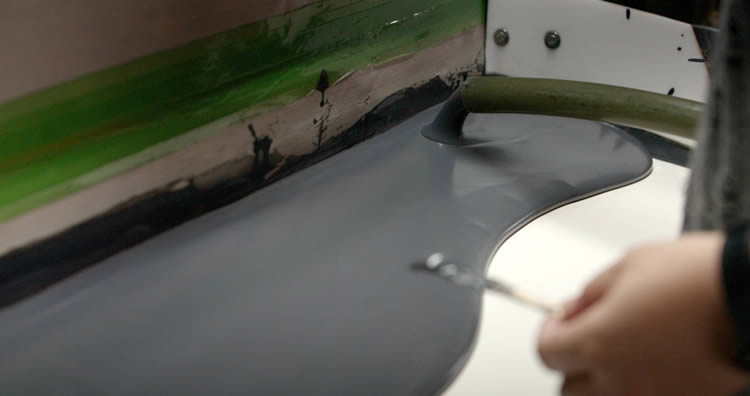
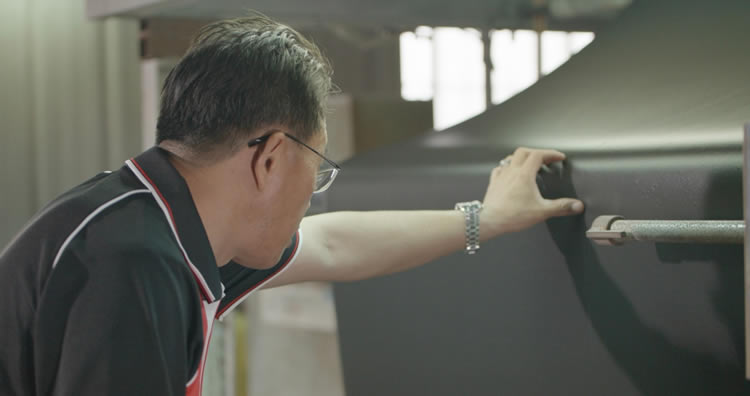
We provide end-to-end manufacturing capabilities under one roof—covering every stage from material sourcing and foaming, to precision molding, lamination, cutting, sewing, and strict quality control. This full-process control not only ensures product consistency and durability, but also allows for faster lead times and better customization flexibility.
With our flexible production capacity, we accommodate both small batch custom orders and high-volume mass production with equal efficiency. Whether you're a startup launching your first insole or pillow line, or a global brand scaling up to meet market demand, GuangXin is equipped to deliver reliable OEM/ODM solutions that grow with your business.
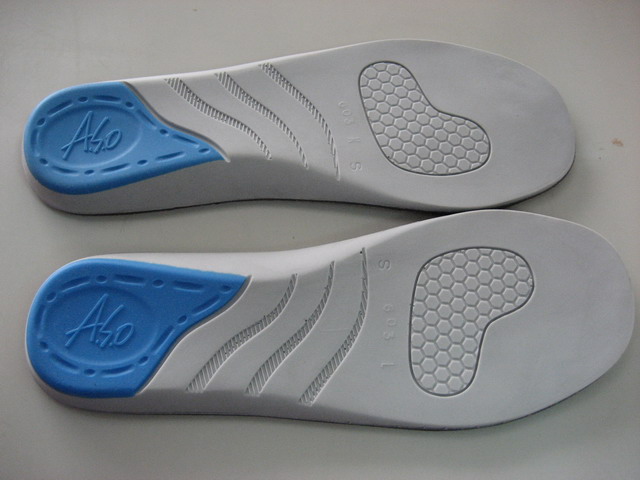
Customization & OEM/ODM Flexibility
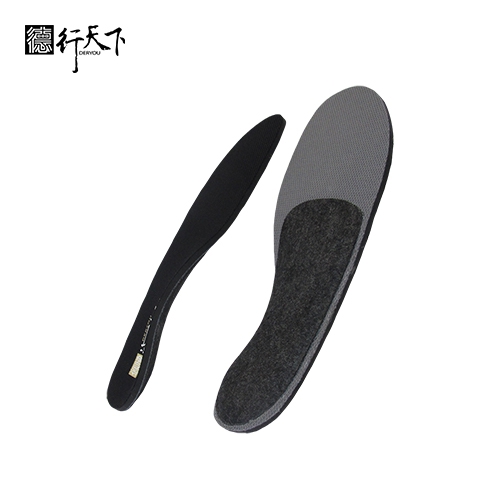
GuangXin offers exceptional flexibility in customization and OEM/ODM services, empowering our partners to create insole products that truly align with their brand identity and target market. We develop insoles tailored to specific foot shapes, end-user needs, and regional market preferences, ensuring optimal fit and functionality.
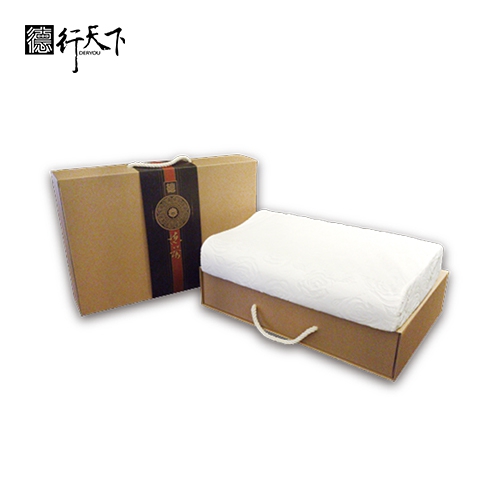
Our team supports comprehensive branding solutions, including logo printing, custom packaging, and product integration support for marketing campaigns. Whether you're launching a new product line or upgrading an existing one, we help your vision come to life with attention to detail and consistent brand presentation.
With fast prototyping services and efficient lead times, GuangXin helps reduce your time-to-market and respond quickly to evolving trends or seasonal demands. From concept to final production, we offer agile support that keeps you ahead of the competition.
Quality Assurance & Certifications
Quality is at the heart of everything we do. GuangXin implements a rigorous quality control system at every stage of production—ensuring that each insole meets the highest standards of consistency, comfort, and durability.
We provide a variety of in-house and third-party testing options, including antibacterial performance, odor control, durability testing, and eco-safety verification, to meet the specific needs of our clients and markets.
Our products are fully compliant with international safety and environmental standards, such as REACH, RoHS, and other applicable export regulations. This ensures seamless entry into global markets while supporting your ESG and product safety commitments.
ESG-Oriented Sustainable Production
At GuangXin Industrial, we are committed to integrating ESG (Environmental, Social, and Governance) values into every step of our manufacturing process. We actively pursue eco-conscious practices by utilizing eco-friendly materials and adopting low-carbon production methods to reduce environmental impact.
To support circular economy goals, we offer recycled and upcycled material options, including innovative applications such as recycled glass and repurposed LCD panel glass. These materials are processed using advanced techniques to retain performance while reducing waste—contributing to a more sustainable supply chain.
We also work closely with our partners to support their ESG compliance and sustainability reporting needs, providing documentation, traceability, and material data upon request. Whether you're aiming to meet corporate sustainability targets or align with global green regulations, GuangXin is your trusted manufacturing ally in building a better, greener future.
Let’s Build Your Next Insole Success Together
Looking for a reliable insole manufacturing partner that understands customization, quality, and flexibility? GuangXin Industrial Co., Ltd. specializes in high-performance insole production, offering tailored solutions for brands across the globe. Whether you're launching a new insole collection or expanding your existing product line, we provide OEM/ODM services built around your unique design and performance goals.
From small-batch custom orders to full-scale mass production, our flexible insole manufacturing capabilities adapt to your business needs. With expertise in PU, latex, and graphene insole materials, we turn ideas into functional, comfortable, and market-ready insoles that deliver value.
Contact us today to discuss your next insole project. Let GuangXin help you create custom insoles that stand out, perform better, and reflect your brand’s commitment to comfort, quality, and sustainability.
🔗 Learn more or get in touch:
🌐 Website: https://www.deryou-tw.com/
📧 Email: shela.a9119@msa.hinet.net
📘 Facebook: facebook.com/deryou.tw
📷 Instagram: instagram.com/deryou.tw
Insole ODM factory in China
Are you looking for a trusted and experienced manufacturing partner that can bring your comfort-focused product ideas to life? GuangXin Industrial Co., Ltd. is your ideal OEM/ODM supplier, specializing in insole production, pillow manufacturing, and advanced graphene product design.
With decades of experience in insole OEM/ODM, we provide full-service manufacturing—from PU and latex to cutting-edge graphene-infused insoles—customized to meet your performance, support, and breathability requirements. Our production process is vertically integrated, covering everything from material sourcing and foaming to molding, cutting, and strict quality control.Taiwan insole ODM design and production
Beyond insoles, GuangXin also offers pillow OEM/ODM services with a focus on ergonomic comfort and functional innovation. Whether you need memory foam, latex, or smart material integration for neck and sleep support, we deliver tailor-made solutions that reflect your brand’s values.
We are especially proud to lead the way in ESG-driven insole development. Through the use of recycled materials—such as repurposed LCD glass—and low-carbon production processes, we help our partners meet sustainability goals without compromising product quality. Our ESG insole solutions are designed not only for comfort but also for compliance with global environmental standards.Taiwan insole ODM service provider
At GuangXin, we don’t just manufacture products—we create long-term value for your brand. Whether you're developing your first product line or scaling up globally, our flexible production capabilities and collaborative approach will help you go further, faster.Innovative pillow ODM solution in Taiwan
📩 Contact us today to learn how our insole OEM, pillow ODM, and graphene product design services can elevate your product offering—while aligning with the sustainability expectations of modern consumers.Pillow ODM design company in Thailand
The study also provides increased, but not conclusive, support for the existence of Xenambulacraria. A new study by researchers at the University of Nottingham has shed light on the complexity of our ancient ancestors, solving an important piece of the animal evolution puzzle. A new study by researchers at the University of Nottingham has revealed that our ancient ancestors were more complex than originally thought, solving an important piece of the animal evolution puzzle. In the distant past, animals underwent a significant evolution by developing bilateral symmetry and two gut openings. This allowed them to move faster through the early seas, find food and extract nutrients more efficiently, and protect themselves from predators. The success of this trait can be seen in the diverse range of animals that still possess bilateral symmetry and two gut openings today, including humans, starfish, sea cucumbers, elephants, crickets, and snails. Additionally, a group of simple marine worms called Xenacoelomorphs also exhibit this trait, despite lacking the complex features of other animals. The Debate Over Xenacoelomorph Placement For years, scientists have debated who is more closely related to who in this diverse collection of bilaterally symmetrical animals. Some experts argue that Xenacoelomorphs marks the first group to branch in that major jump in innovation from animals with circular body plans (e.g. jellyfish and corals) to bilateral symmetry. If this was the case, then the first bilaterian itself was also a very simple animal. Others argued for different placements of Xenacoelomorphs on the family tree. However, a research team, led by Dr. Mary O’Connell at the University of Nottingham has found that Xenacoelomorphs branch much later in time. They are not the earliest branch on the bilaterian family tree and their closest relatives are far more complex animals, like starfish. This means that Xenacoelomorphs have lost many of the complex features of their closest relatives, challenging the idea that evolution leads to ever more complex and intricate forms. Instead, the new study shows that the loss of features is an important factor in driving evolution. Genomic Data in Evolutionary Biology Dr. Mary O’Connell, Associate Professor in Life Sciences at the University of Nottingham says: “There are many fundamental questions about the evolution of animals that need to be answered. Many parts of this family tree are not known or not resolved. But what an exciting time to be an evolutionary biologist with the availability of exquisite genome data from the beautiful diversity of species we currently have on our planet, allowing us to unlock secrets of our most distant past.” The study was recently published in the journal Current Biology. It details the application of a special phylogenetic technique to help in extracting signal from noise over deep time, showing increased support for Xenacoelomorphs being sister to ambulacraria (e.g. starfish) rather than being the deepest diverging of the bilateria. The research team at the University of Nottingham will now explore other challenging family trees and other connections between genome changes and phenotypic diversity. Reference: “Filtering artifactual signal increases support for Xenacoelomorpha and Ambulacraria sister relationship in the animal tree of life” by Peter O. Mulhair, Charley G.P. McCarthy, Karen Siu-Ting, Christopher J. Creevey and Mary J. O’Connell, 9 November 2022, Current Biology. DOI: 10.1016/j.cub.2022.10.036
3D structure of a melanoma cell derived by ion abrasion scanning electron microscopy. Credit: National Cancer Institute, edited In a recent essay, scientists challenge the prevailing genetic-focused model of cancer, advocating for a shift towards more holistic views that include non-genetic factors in cancer development. They criticize the inconsistencies in current genetic research and propose considering alternative paradigms like disruptions in gene regulatory networks and tissue organization theories. This approach could lead to more effective cancer treatments and preventive measures against environmental non-mutagenic carcinogens. Reevaluating Cancer Research Researchers should reconsider the long-held belief that cancer is primarily a genetic disease, argues Sui Huang of the Institute for Systems Biology and colleagues in a newly published essay in PLOS Biology. For decades, the dominant theory has been that cancer develops when a normal cell accumulates genetic mutations, allowing it to grow and multiply uncontrollably. This idea has fueled major genome sequencing projects like The Cancer Genome Atlas, aimed at identifying cancer-driving mutations and developing targeted treatments. Challenging the Status Quo However, Huang and his colleagues challenge this somatic mutation theory, calling it unproductive. They highlight inconsistencies in genetic data, such as cancers with no identifiable driver mutations and normal tissues that carry cancer-causing mutations without forming tumors. Instead, they advocate for a broader, more holistic approach that considers biological systems beyond genetic mutations. They propose alternative models, including cancer as a disruption of gene regulatory networks (Huang) or as a breakdown in tissue organization, where disturbances in the cellular environment contribute to tumor development (Soto-Sonnenschein). According to the authors, exploring these alternative frameworks could lead to new insights into cancer’s origins and guide future research. Beyond Genetic Mutations The authors add: “A full embrace of the idea that the origin of cancer lies beyond the realm of genetic mutations will open new vistas on cancer treatment and prevention. Accepting that not all carcinogens are mutagens will strengthen public health policies aimed to prevent exposure to environmental non-mutagenic factors that may promote cancer, such as food additives and plastics and many other toxicants that alter tissue homeostasis.” Reference: “The end of the genetic paradigm of cancer” by Sui Huang, Ana M. Soto and Carlos Sonnenschein, 18 March 2025, PLOS Biology. DOI: 10.1371/journal.pbio.3003052
Ants exhibit complex social structures and behaviors. Study shows erosion of ant genome tied to loss of functional, behavioral and social traits in 3 inquiline species. Ants are renowned in the insect world for their complex social structure and behaviors. Workers and foragers support the queen, faithfully carrying out their social roles for the overall health of the colony. This complex “superorganism” — as scientists have dubbed it — has become a prime model to explore the genetic and behavioral roots of social organisms. Remarkably, there are also rare instances of ants not playing well with others and shrugging off their societal duties to become free-loading parasites amongst their free-living relatives. Now, in a new study published in Nature Communications, an international collaboration of researchers from Europe (the Universities of Münster and Copenhagen), South America (University of the Republic in Montevideo, Uruguay), and the U.S., (led by Arizona State University), teamed up to discover and collect these rare ant social parasites. Together, they have obtained and analyzed the full DNA genome sequences of three rare “social parasite” leaf-cutting ant species (called Acromyrmex inquilines) to better understand the differences between them and their respective host species. A new study, led by ASU SOLS professor Christian Rabeling, has provided detailed insights into the molecular evolution of social parasitism in ants. Credit: Martin Bollazzi It’s the first time several species of socially parasitic ants could have their genomes sequenced. “Our findings advance our understanding of the genomic consequences of transitioning to a novel, highly specialized life history and provide detailed insights into the molecular evolution of social parasitism in ants,” said Christian Rabeling, an associate professor in ASU’s School of Life Sciences and a corresponding author of the study. From social to social parasite The unusual social parasite transition is important to understand because the genomes of ants have evolved for more than 100 million years. A single major transition occurred to introduce the novel “superorganism” level of social organizational structure with queen-worker caste segregation and unconditional altruism. This superorganism was so successful, it produced a biodiversity of 17 subfamilies, 338 genera, and more than 13,900 living species. “It is, therefore, no surprise that parallel shifts to a highly specialized socially parasitic behavior and lifestyle abandoning this fundamental ancestral condition, usually based on outbreeding and larger effective populations, leave significant genomic footprints,” said Rabeling. “The results of our analyses of just three of these species confirm that ant social parasites offer important study systems for identifying hallmarks of cooperative social colony life. And in doing so, their analyses have confirmed that over a time span of about a million and a half years, these ant species have each found independent, separate ways to evolve and become social parasites. The signatures of genome-wide and trait-specific genetic erosion were found to be most extreme in social parasite ants. Divergence estimates for Acromyrmex host and inquiline parasite species. ime-calibrated phylogeny of the fungus-growing ants for which genomes have been sequenced, including the three inquiline social parasite species and their two host species. The two origins of social parasitism in Acromyrmex (orange dots and boxes) occurred ca. 0.96 Ma ago for A. insinuator (1) and ca. 2.50 Ma ago when the ancestor of A. heyeri diverged from the stem group representative of Pseudoatta argentina (2) and A. charruanus (3). Credit: Arizona State University Think of how it would start. A group of queen ants wants to just live in a colony without doing the work. And not work on the nest anymore. Next, the queen ants focus on solely producing new queens and males, and this small population size of social parasites would start frequent inbreeding to survive. This immediately reduces their genomic diversity over time. Then, over a blink in evolutionary time, due to natural selection and an increase in the prevalence of genetic drift, it would enhance the rates by which ancestral traits were lost while also slowing down the rates by which new, more adaptive traits could emerge. It’s almost like a ‘snooze and lose it’ phenomena occurred within the parasitic ant DNA to trigger the genome erosion. To prove this effect within the ant genome, the research team investigated the overall genomic structure and the individual genes that may be affected by this genomic decay. First, they found widespread evidence of genomic rearrangements and inversions that are hallmarks of instability and decay. Then, within gene networks, they identified 233 genes that showed evidence of relaxed selection in at least one of the social parasite branches and signatures of intensified selection in 102 genes. “Our analysis showed that gene family evolution at three of the four social parasite nodes is indeed largely characterized by gene losses,” said Rabeling. The genome losses and reductions most affected were in the social parasite ants’ sense of smell and to a lesser degree taste. Failing the sniff test Not only did some of the genes responsible for ant smell become lost over time, but as a result, the ants also showed a reduced size in the olfactory lobes in their brains when microCT scans were performed. “This is no surprise because ants predominantly communicate via chemical cues and have once been described as chemical factories,” explains Rabeling. “So, the loss of olfactory genes is correlated with an extreme transition of extensive morphological and behavioral changes.” This includes the reduction or complete loss of the worker caste system, simplified mouthparts, antennae and integuments, loss of certain hormonal glands, and a nervous system of reduced complexity likely associated with a drastically narrowed behavioral repertoire. Micro CT scans show the relative olfactory lobe (OL) size of the hosts and inquilines. The phylogram is an ancestral state reconstruction of OL volumes relative to total brain volumes across the social parasites (A. insinuator, A. charruanus and P. argentina) and their hosts (A. echinatior, and A. heyeri). Barplots show ratios of OL volume to total brain volume in inquiline parasites (in orange) relative to their hosts (in blue). Circles inserted at the tips of bars are proportional to the measured total brain volumes, while the smaller contained circles represent the measured volumes of the right and left OLs. On average, Panamanian species have larger brains than Uruguayan species (2-sample t-test, pt-test = 0.005, df = 2.97, t = ?7.74, n = 5). Relative OL volumes became reduced (pt-test = 0.059, df =2, t = ?2.65, n = 5) as inquiline social parasites evolved their different degrees of specialization along the gradient of inquiline adaptations known as the inquiline syndrome27. Shown below are 3D surface reconstructions of the brains (with the OLs highlighted in yellow) and of the head capsules of A. heyeri, A. charruanus, and P. argentina (from top to bottom). Credit: Arizona State University From their comparative analysis, they could also put these changes into the larger perspective of evolutionary time. They were also able to date the origins of social parasitism within the leaf-cutting ant family tree. Two independent origins of social parasitism occurred in the ant genus Acromyrmex. Within this genus, A. heyeri, a social ant, is the host species of both A. charruanus and P. argentina parasitic species. First, a South American lineage of social ants (A. heyeri) separated from the last common (thought to be socially parasitic) ancestor of A. charruanus and P. argentina before the two social parasites diverged. Second, a Central American speciation event occurred when A. insinuator diverged from its host A. echinatior. Both origins of social parasitism are evolutionarily recent, estimated to be about 2.5 million years ago for the divergence between A. heyeri and the last common ancestor of A. charruanus and P. argentina, and about 1 million years ago for the divergence between A. insinuator and A. echinatior. “We infer that relaxed natural selection accelerated general genome erosion in social parasites and alleviated evolutionary constraints, which facilitated rapid adaptive evolution of specific traits associated with a socially parasitic lifestyle,” said Rabeling. Joy of discovery Why did it take so long to do the genome analysis? It turns out that the easiest part of the study may have been the comparative genome analysis. Finding the ants in the first place proved to be the greatest major hurdle. Why? Populations of ant social parasites are almost invariably small and patchily distributed. How patchy? Well, the last time that one of the species, P. argentina was seen in the wild was 1924, a time well before the discovery of DNA as the hereditary chemical unit of life. Rabeling remembers prior trips to South America that were in vain because they could not find P. argentina. Then, about a decade ago, a phone call from colleague Martin Bollazzi and study co-author changed his life. “Martin Bollazzi said his wife Leticia just re-discovered P. argentina!!!” Rabeling hopped on a plane as fast as he could. When he saw P. argentina up close, it was a moment of discovery he’ll never forget. “Leticia’s rediscovery of P. argentina was the find of a lifetime. What I especially love is to connect the ant field work and natural history observations with the new technologies like whole genome sequencing, and to have the opportunity to do so was such a joy.” Now, they could make their research dreams a reality by collecting P. argentina and put their field work-based hypotheses to the test by doing the first modern whole genome sequencing of social parasitic ants. Next steps Their results are not only important to understanding ants, but offer insights into the role of these genomic ‘loss-of-function’ study systems in other parasites and for identifying hallmarks of cooperative social colony life at both the phenotypic and the genomic levels. “Social parasites came to exploit the foraging efforts, nursing behavior and colony infrastructure of their hosts,” said Rabeling. Rabeling also points to other species, such as the Mexican blind cave-dwelling fish or other parasites such as tapeworms as examples of organisms that lost important traits over time. In each case, they have developed and exploited novel ecological niches. for their species survival. From these first 3 social parasite ant species, they have learned a lot. Next, they plan on future genomics studies of these ant social parasites to generate exciting further insights, particularly with long-read sequencing technologies allowing analyses in even greater detail. But Rabeling and his colleagues are now involved in another race against time — as every year, more and more natural ant habitats are lost to deforestation and development. Now, our understanding of ant evolution depends on people to cooperate to save biodiversity — while we still can. “We hope such future studies can expand our knowledge on the signatures of the evolution of social behavior in ants, for which few other model systems can offer such species-level sample sizes of several dozens.” Reference: “Relaxed selection underlies genome erosion in socially parasitic ant species” by Lukas Schrader, Hailin Pan, Martin Bollazzi, Morten Schiøtt, Fredrick J. Larabee, Xupeng Bi, Yuan Deng, Guojie Zhang, Jacobus J. Boomsma and Christian Rabeling, 18 May 2021, Nature Communications. DOI: 10.1038/s41467-021-23178-w
DVDV1551RTWW78V
Flexible manufacturing OEM & ODM Taiwan 》empowering smart brands through better materials and processThailand graphene material ODM solution 》offering full-service support from design to deliveryOne-stop OEM/ODM solution provider Indonesia 》dedicated to product consistency, material innovation, and fast lead time
下一則: Memory foam pillow OEM factory Thailand 》empowerin
限會員,要發表迴響,請先登入


