Introduction – Company Background
GuangXin Industrial Co., Ltd. is a specialized manufacturer dedicated to the development and production of high-quality insoles.
With a strong foundation in material science and footwear ergonomics, we serve as a trusted partner for global brands seeking reliable insole solutions that combine comfort, functionality, and design.
With years of experience in insole production and OEM/ODM services, GuangXin has successfully supported a wide range of clients across various industries—including sportswear, health & wellness, orthopedic care, and daily footwear.
From initial prototyping to mass production, we provide comprehensive support tailored to each client’s market and application needs.
At GuangXin, we are committed to quality, innovation, and sustainable development. Every insole we produce reflects our dedication to precision craftsmanship, forward-thinking design, and ESG-driven practices.
By integrating eco-friendly materials, clean production processes, and responsible sourcing, we help our partners meet both market demand and environmental goals.
Core Strengths in Insole Manufacturing
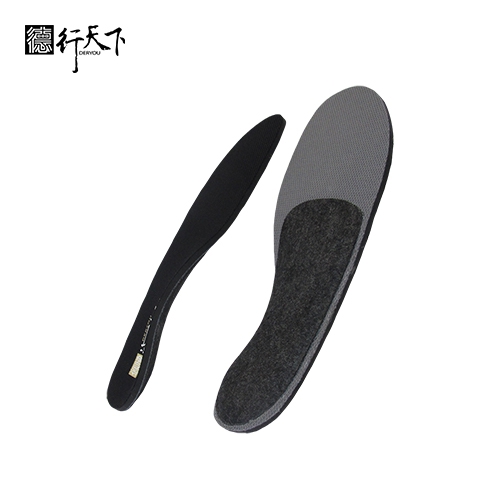
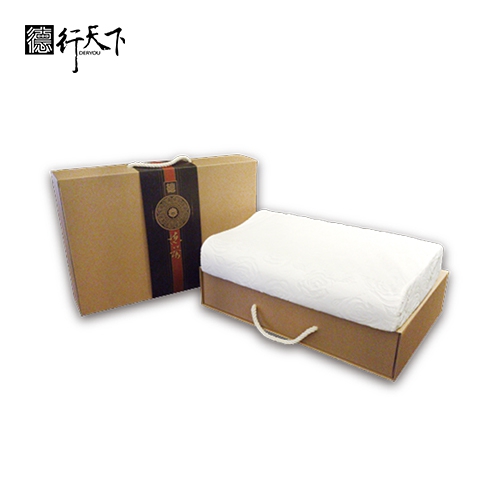
At GuangXin Industrial, our core strength lies in our deep expertise and versatility in insole and pillow manufacturing. We specialize in working with a wide range of materials, including PU (polyurethane), natural latex, and advanced graphene composites, to develop insoles and pillows that meet diverse performance, comfort, and health-support needs.
Whether it's cushioning, support, breathability, or antibacterial function, we tailor material selection to the exact requirements of each project-whether for foot wellness or ergonomic sleep products.
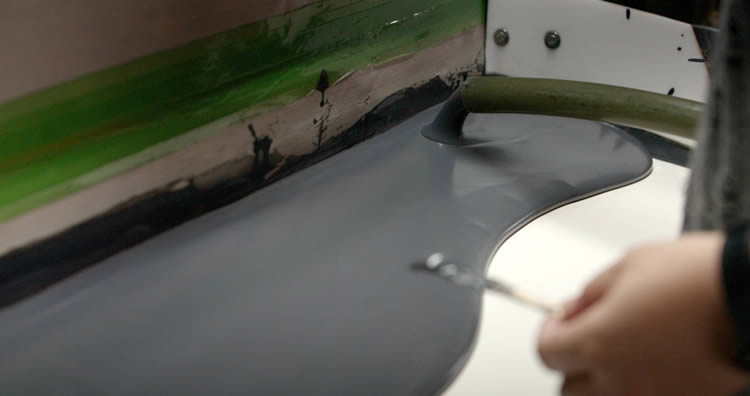
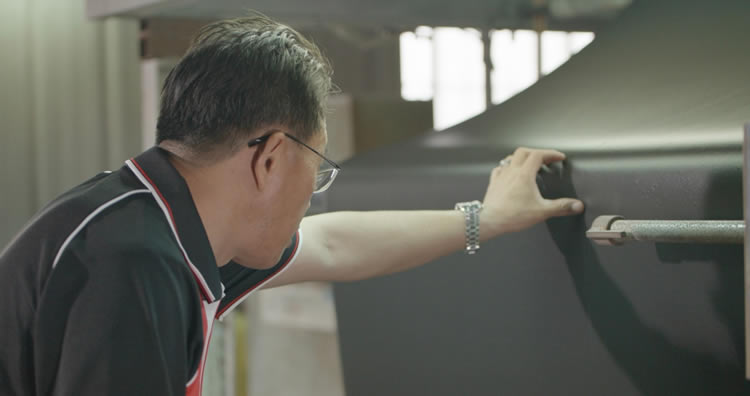
We provide end-to-end manufacturing capabilities under one roof—covering every stage from material sourcing and foaming, to precision molding, lamination, cutting, sewing, and strict quality control. This full-process control not only ensures product consistency and durability, but also allows for faster lead times and better customization flexibility.
With our flexible production capacity, we accommodate both small batch custom orders and high-volume mass production with equal efficiency. Whether you're a startup launching your first insole or pillow line, or a global brand scaling up to meet market demand, GuangXin is equipped to deliver reliable OEM/ODM solutions that grow with your business.
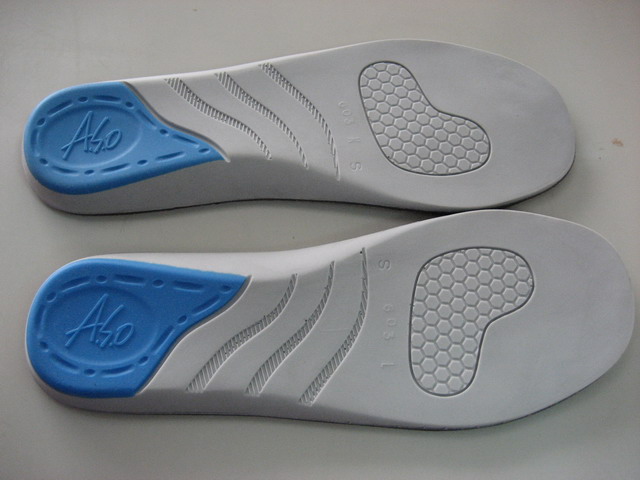
Customization & OEM/ODM Flexibility
GuangXin offers exceptional flexibility in customization and OEM/ODM services, empowering our partners to create insole products that truly align with their brand identity and target market. We develop insoles tailored to specific foot shapes, end-user needs, and regional market preferences, ensuring optimal fit and functionality.
Our team supports comprehensive branding solutions, including logo printing, custom packaging, and product integration support for marketing campaigns. Whether you're launching a new product line or upgrading an existing one, we help your vision come to life with attention to detail and consistent brand presentation.
With fast prototyping services and efficient lead times, GuangXin helps reduce your time-to-market and respond quickly to evolving trends or seasonal demands. From concept to final production, we offer agile support that keeps you ahead of the competition.
Quality Assurance & Certifications
Quality is at the heart of everything we do. GuangXin implements a rigorous quality control system at every stage of production—ensuring that each insole meets the highest standards of consistency, comfort, and durability.
We provide a variety of in-house and third-party testing options, including antibacterial performance, odor control, durability testing, and eco-safety verification, to meet the specific needs of our clients and markets.
Our products are fully compliant with international safety and environmental standards, such as REACH, RoHS, and other applicable export regulations. This ensures seamless entry into global markets while supporting your ESG and product safety commitments.
ESG-Oriented Sustainable Production
At GuangXin Industrial, we are committed to integrating ESG (Environmental, Social, and Governance) values into every step of our manufacturing process. We actively pursue eco-conscious practices by utilizing eco-friendly materials and adopting low-carbon production methods to reduce environmental impact.
To support circular economy goals, we offer recycled and upcycled material options, including innovative applications such as recycled glass and repurposed LCD panel glass. These materials are processed using advanced techniques to retain performance while reducing waste—contributing to a more sustainable supply chain.
We also work closely with our partners to support their ESG compliance and sustainability reporting needs, providing documentation, traceability, and material data upon request. Whether you're aiming to meet corporate sustainability targets or align with global green regulations, GuangXin is your trusted manufacturing ally in building a better, greener future.
Let’s Build Your Next Insole Success Together
Looking for a reliable insole manufacturing partner that understands customization, quality, and flexibility? GuangXin Industrial Co., Ltd. specializes in high-performance insole production, offering tailored solutions for brands across the globe. Whether you're launching a new insole collection or expanding your existing product line, we provide OEM/ODM services built around your unique design and performance goals.
From small-batch custom orders to full-scale mass production, our flexible insole manufacturing capabilities adapt to your business needs. With expertise in PU, latex, and graphene insole materials, we turn ideas into functional, comfortable, and market-ready insoles that deliver value.
Contact us today to discuss your next insole project. Let GuangXin help you create custom insoles that stand out, perform better, and reflect your brand’s commitment to comfort, quality, and sustainability.
🔗 Learn more or get in touch:
🌐 Website: https://www.deryou-tw.com/
📧 Email: shela.a9119@msa.hinet.net
📘 Facebook: facebook.com/deryou.tw
📷 Instagram: instagram.com/deryou.tw
Thailand graphene product OEM service
Are you looking for a trusted and experienced manufacturing partner that can bring your comfort-focused product ideas to life? GuangXin Industrial Co., Ltd. is your ideal OEM/ODM supplier, specializing in insole production, pillow manufacturing, and advanced graphene product design.
With decades of experience in insole OEM/ODM, we provide full-service manufacturing—from PU and latex to cutting-edge graphene-infused insoles—customized to meet your performance, support, and breathability requirements. Our production process is vertically integrated, covering everything from material sourcing and foaming to molding, cutting, and strict quality control.ODM pillow for sleep brands Indonesia
Beyond insoles, GuangXin also offers pillow OEM/ODM services with a focus on ergonomic comfort and functional innovation. Whether you need memory foam, latex, or smart material integration for neck and sleep support, we deliver tailor-made solutions that reflect your brand’s values.
We are especially proud to lead the way in ESG-driven insole development. Through the use of recycled materials—such as repurposed LCD glass—and low-carbon production processes, we help our partners meet sustainability goals without compromising product quality. Our ESG insole solutions are designed not only for comfort but also for compliance with global environmental standards.Vietnam insole ODM for global brands
At GuangXin, we don’t just manufacture products—we create long-term value for your brand. Whether you're developing your first product line or scaling up globally, our flexible production capabilities and collaborative approach will help you go further, faster.Smart pillow ODM manufacturer China
📩 Contact us today to learn how our insole OEM, pillow ODM, and graphene product design services can elevate your product offering—while aligning with the sustainability expectations of modern consumers.PU insole OEM production in China
Sumatra tiger on the forest’s edge. Credit: UQ/Matthew Luskin Some of Asia’s largest animals, including tigers and elephants, are defying 12,000 years of extinction trends by coexisting with people, according to research led by the University of Queensland. Researchers combed through paleontological records to compare the past distribution of Asia’s 14 biggest species to their current populations in tropical forests. Zachary Amir, a Ph.D. candidate at the University of Queensland’s School of Biological Sciences and the Ecological Cascades Lab, noted that populations of four species—tigers, Asian elephants, wild boars, and clouded leopards—increased in places with developed human infrastructure. Thriving Species Near Human Infrastructure “These results show that, under the right conditions, some large animals can live nearby humans and avoid extinction,” Mr. Amir said. “These results challenge the narrative within some conservation circles that humans and megafauna are incompatible. Globally there is a trend towards ‘trophic downgrading’, a term referring to the disproportionate loss of the world’s largest animals. Trophic downgrading is usually worst near humans because hunters target larger species. But in the case of tigers, elephants, wild boars, and clouded leopards, their Asian populations are higher nearby humans. This may be the outcome of tougher anti-poaching efforts in the national parks that are closer to human settlements and are more frequently visited by tourists.” An elephant in Borneo. Credit: UQ/Zachary Amir The research also revealed that deforestation was still having an effect on animals, with clouded leopard populations, in particular, seeing a strong decline in those areas. But according to Mr. Amir, studies have shown that large animal species could live near humans in small habitats provided they were not hunted. Small Habitats and Urban Wildlife Success Stories “Previously, there have only been a few examples of large Asian species thriving in small habitats near humans, notably in Mumbai, India where leopards in an urban park prey on stray dogs,” Mr. Amir said referring to a prior UQ study. “Thankfully, we found that a wider range of animals can coexist with humans.” At one of their study sites in Singapore, where poaching has been eliminated and there are considerable forest restoration efforts, two large animal species are thriving again. “Singapore has actually experienced the natural re-wilding of sambar deer and wild boars, which are now frequently observed in an urban forest, the Bukit Timah Nature Reserve,” Mr. Amir said. “If we replicate those protection efforts in larger forests and other counties, we may see positive impacts right around the world. But before this can happen, humans need to get our act together and limit poaching.” While there are some positive results, UQ’s Dr. Matthew Luskin said the study also noted strong declines in tapirs, Sumatran rhinoceros, sun bears, guar, and other large animals. “The key innovation of this work was to systematically investigate the population trends of many different wildlife species across the region,” Dr. Luskin said. “Then we tested if all species showed consistent trends and if similar parks retained similar species. Remarkably, we found no two forests currently possess the same group of wildlife compared to thousands of years ago.” Dr. Luskin said the research offered an opportunity to shape the future of nature. “These results provide hope for wildlife in forests previously considered too far degraded or too close to cities,” he said. “Now we’re exploring new conservation strategies for these surprising places.” Reference: “Megafauna extinctions produce idiosyncratic Anthropocene assemblages” by Zachary Amir, Jonathan H. Moore, Pablo Jose Negret and Matthew Scott Luskin, 21 October 2022, Science Advances. DOI: 10.1126/sciadv.abq2307 The study was funded by the Smithsonian Institution’s ForestGEO program, Nanyang Technological University in Singapore, and the National Geographic Society.
Amid the steady growth of solar energy production in the United States, pollinator conservation at solar installations has become an appealing secondary pursuit, but the long-term success of such efforts remains to be seen. Can the land within a solar farm be made a true resource for pollinating insects? Will solar developers see value in the extra investment to plant and maintain flowering vegetation? A group of entomologists tackles these questions in a new article published June 3, 2021, in the journal Environmental Entomology. They say pairing solar energy with pollinator habitat offers great promise, but scientific evaluation and meaningful standards will be key to making it a true win-win combination. Credit: Photo courtesy of Rob Davis/Fresh Energy Entomologists say the pairing has promise, but standards will ensure it’s more than just buzz. Amid the steady growth of solar energy production in the United States, pollinator conservation at solar installations has become an appealing secondary pursuit, but the long-term success of such efforts remains to be seen. Can the land within a solar farm be made a true resource for pollinating insects? Will solar developers see value in the extra investment to plant and maintain flowering vegetation? A group of entomologists tackles these questions in a new article published today in the journal Environmental Entomology. They say pairing solar energy with pollinator habitat offers great promise, but scientific evaluation and meaningful standards will be key to making it a true win-win combination. Already, eight states have enacted legislation to promote pollinator-friendly solar development (Illinois, Maryland, Michigan, Minnesota, Missouri, New York, South Carolina, and Vermont), all of which include scorecards that outline criteria a solar installation must meet to earn a “pollinator-friendly” designation. The details vary, but the basic requirements are similar from state to state, following well-established principles for habitat that will attract and support bees, butterflies, and other pollinating insects. “If you stick with the principles of native, perennial, flowering vegetation and think about a mixture of species that would flower through the growing season, that’s more than half the battle,” says Matthew O’Neal, Ph.D., professor of entomology at Iowa State University and co-author on the paper with Adam Dolezal, Ph.D., assistant professor of entomology at the University of Illinois at Urbana-Champaign, and Jacob Torres, a doctoral student in Dolezal’s lab at UIUC. Eight states in the U.S. have enacted legislation to promote pollinator-friendly solar development, all of which include scorecards that outline criteria a solar installation must meet to earn a “pollinator-friendly” designation. The details vary, but the basic requirements are similar from state to state, following well-established principles for habitat that will attract and support bees, butterflies, and other pollinating insects. Noted here are the criteria included in the Illinois scorecard, with an artistic rendering of a solar development in an agricultural landscape. Colors denote different components of the land referred to by the scorecard. Credit: Environmental Entomology/Entomological Society of America O’Neal and colleagues endorse the scorecard approach, but they say the criteria should be both stringent enough to produce measurable, positive impacts on pollinators but flexible enough to be feasible within the unique conditions of a solar farm. “You can say, ‘How is this different than a hundred other conservation practices?'” Dolezal says. “And the answer is, well, it has some very weird and specific requirements to make it even on the table for solar developers to consider. And that’s something we’re still learning.” On a typical solar farm, the zones beneath solar panels, immediately adjacent to them, and around the perimeter of the farm each allow for different mixes of plants. Some solar panels, for instance, may stand just 18 inches off the ground, which would rule out tall grasses and non-shade-tolerant plants beneath them. If the right mix of plants can be found, however, solar developers could stand to gain more than just positive, green public relations for their utilities. Some preliminary research suggests surrounding vegetation can boost efficiency of solar panels, but more in-depth analysis is needed. “We know that plants, through respiration, cool the air around them, and we know that, when solar panels are kept cooler, they are more efficient at producing electricity,” says Dolezal. “What has not been demonstrated is, in these real-world, utility-scale facilities, does that actually provide a meaningful benefit that can then be quantified, put into an economic analysis that developers can look at and say, ‘We will make X amount more megawatts of energy over what duration.'” A scorecard for solar-farm pollinator habitat is also just a first step. Many plants recommended for pollinator conservation take time to establish and require attention to weed out unwanted, non-native plants. So, Dolezal, Torres, and O’Neal recommend standards also be paired with periodic evaluations by independent, certified third parties. “These environments are dynamic,” O’Neal says. “You want to make sure those plants are established and you meet the goals that you set out at the start.” Other key elements for pollinator conservation at solar farms would include detailed maintenance and cultivation plans, clarity on whether to focus on wild pollinators or managed honey bees, and cooperation with local communities. “What may be true or what may work well in Iowa and Illinois and Indiana may not work in the Southeast, or it may not work in the coastal mid-Atlantic,” says Dolezal. “The realities are going to be different there.” Research has shown that even small patches of native habitat in otherwise cleared or developed areas can provide important resources for conserving plant and animal biodiversity. O’Neal and colleagues note examples of planned solar facilities in some states of several thousands of acres. “If even a fraction of the land allotted to future developments can be planted with effective pollinator habitat, these contributions could be substantial,” they write. As more and more solar energy developments come into shape, researchers will have the opportunity to start measuring just how effective accompanying pollinator habitat may be. Dolezal will be among them, as he works on a project selected for funding by the U.S. Department of Energy’s Solar Technologies Office and managed by the University of Illinois Chicago. He’ll be helping to evaluate ecological benefits, solar-production performance benefits, and economic impacts of pollinator plantings at six solar facilities. It is a setting Dolezal says he never envisioned when he began studying entomology and one that speaks to the unique combination of solar energy and pollinator conservation. “This would not have been a mechanism of habitat implementation I would have expected, for sure,” he says. “And I never would have expected to have to go do pollinator sampling while wearing a hard hat.” Reference: “Can Solar Energy Fuel Pollinator Conservation?” by Adam G Dolezal, Jacob Torres and Matthew E O’Neal, 3 June 2021, Environmental Entomology. DOI: 10.1093/ee/nvab041
The study adds to our understanding of the processes behind anxiety-related disorders and reveals commonalities between anxiety and alcohol dependence. Reduced PRDM2 levels amplify fear memories and may link anxiety disorders with alcohol dependence. The findings provide a basis for potential treatments targeting fear memory mechanisms. A biological mechanism has been identified by researchers at Linköping University in Sweden that increases the strength with which fear memories are stored in the brain The research, conducted in rats, was published in the scientific journal Molecular Psychiatry. It provides new insights into the processes behind anxiety-related disorders and identified shared mechanisms of anxiety and alcohol dependence. The ability to feel fear is critical for escaping life-threatening circumstances and learning how to avoid them in the future. However, in certain conditions, such as post-traumatic stress disorder (PTSD) and other disorders linked to anxiety, the fear reactions become excessive and continue even when they are no longer necessary. This causes intense anxiety even if no danger is present, resulting in disability for the individual afflicted. Researchers believe that some people are predisposed to developing pathological fears, which are caused by problems with how the brain processes fearful memories. Researchers at Linköping University, including Riccardo Barchiesi and Estelle Barbier, have discovered a biological mechanism that increases the strength with which fear memories are stored in the brain. Credit: Anna Nilsen/Linköping University Amygdala and Prefrontal Cortex Some brain regions are especially important for processing fear-related memories. When threatened, the amygdala is activated and collaborates with parts of the frontal brain lobes, known as the “prefrontal cortex,” which are critical for emotion regulation. “We know that the network of nerve cells that connects the frontal lobes to the amygdala is involved in fear responses. The connections between these brain structures are altered in people with PTSD and other anxiety disorders,” says Estelle Barbier, assistant professor in the Center for Social and Affective Neuroscience (CSAN), and the Department of Biomedical and Clinical Sciences (BKV) at Linköping University, who led the study. PRDM2: A Key Protein in Fear and Stress Responses However, the molecular mechanisms involved have long remained unknown. The researchers in the current study have investigated a protein known as PRDM2, an epigenetic enzyme that suppresses the expression of many genes. The researchers have previously found that levels of PRDM2 are lower in alcohol dependence, and lead to exaggerated stress responses. In people, it is very common for alcohol dependence and anxiety-related conditions to be present at the same time, and the researchers suspect that this is caused by common mechanisms behind these conditions. In order for new memories to last, they must be stabilized and preserved as long-term memories. This process is known as “consolidation”. The researchers in the current study have investigated the effects of reduced levels of PRDM2 on the way fear memories are processed. “We have identified a mechanism in which increased activity in the network between the frontal lobes and the amygdala increases learned fear reactions. We show that down-regulation of PRDM2 increases the consolidation of fear-related memories,” says Estelle Barbier. The researchers have also identified genes that are affected when the level of PRDM2 is reduced. It became clear that this resulted in an increase in the activity of nerve cells that connect the frontal lobes and the amygdala. “Patients with anxiety disorders may benefit from treatments that weaken or erase fear memories. The biological mechanism that we have identified involves the down-regulation of PRDM2, and we currently do not have any way of increasing it. But the mechanism may be part of the explanation of why some individuals have a greater vulnerability to developing anxiety-related conditions. It may also explain why these conditions and alcohol dependence so often are present together,” says Estelle Barbier. Reference: “An epigenetic mechanism for over-consolidation of fear memories” by Riccardo Barchiesi, Kanat Chanthongdee, Michele Petrella, Li Xu, Simon Söderholm, Esi Domi, Gaelle Augier, Andrea Coppola, Joost Wiskerke, Ilona Szczot, Ana Domi, Louise Adermark, Eric Augier, Claudio Cantù, Markus Heilig and Estelle Barbier, 21 September 2022, Molecular Psychiatry. DOI: 10.1038/s41380-022-01758-6 The study was funded by the Swedish Research Council, Region Östergotland, Stiftelsen Psykiatriska Forskningsfonden, the Wallenberg Foundations, and the Knut och Alice Wallenberg Foundation.
DVDV1551RTWW78V
Pillow ODM design company in Thailand 》ready to support your next launch with full-process expertiseThailand anti-bacterial pillow ODM design 》long-term production solutions with flexible volumeIndonesia neck support pillow OEM 》where quality, comfort, and credibility come together
下一則: PU insole OEM production factory in Taiwan 》seamle
限會員,要發表迴響,請先登入


