Jeitili
(Lebanon)

Song Title: جدلي يام الجدايل (Transliteration: Jadaly Yam Jadayel)
Lyrics: عبد الرحيم عمر (Abdel Rahim Omar)
Composition: جميل العاص (Jamil Al-Aas)
Singer: عبده موسى (Transliteration: Abdo Musa)
Dance Title: جدلي (Transliteration: Jadaly)
Choreography: Under Research
Promotion: Tom Bozigian
Chinese Dance Name: 黎巴嫩辮子舞
Formation and styling: Short chain, partners hands bent at the elbows, fingers interlocked, Left forearm over right, shoulders touching, slightly facing to the right (approximately 30 to 45 degrees, not too slanted), leader on the right of the chain, right hand holding a handkerchief (when changing movements, the handkerchief is picked up and spun in a circle, signaling a change in movement).
The name Lebanon originates from the Phoenician language of the Semitic family, with the root "l-b-n," meaning white, derived from the snow-capped peaks of Mount Lebanon. Lebanon is located in the westernmost part of West Asia, bordering the Mediterranean Sea, with Syria to the north and east, and Israel to the south.
Lebanon Location Map:
Mount Lebanon: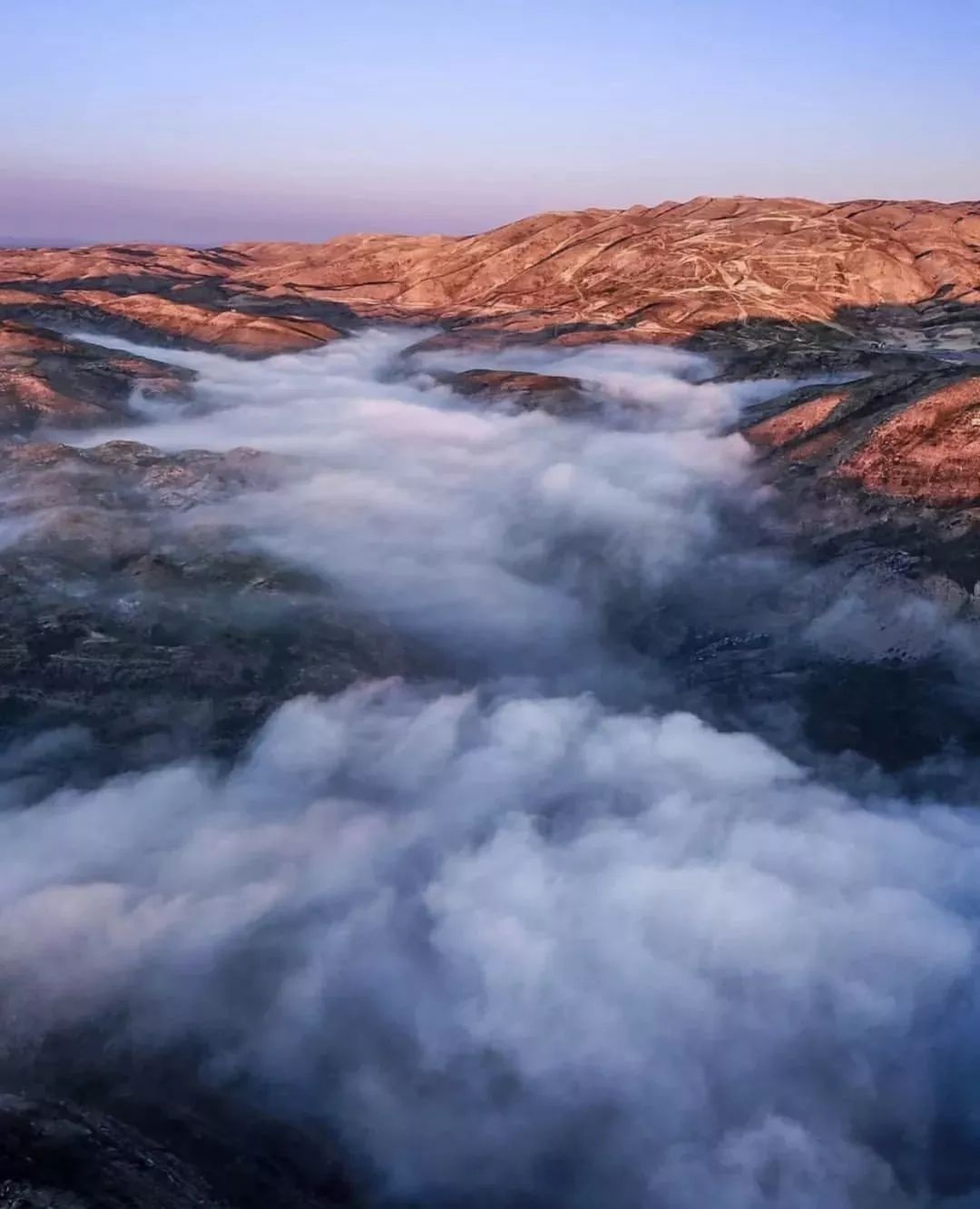
Lebanon is an Arab country, with Arabic as its official language. Approximately 54% of the population is Muslim, and 41% is Christian. Due to its strategic location in West Asia, this country, plagued by constant conflict, is truly tragic.
On August 4, 2020, Beirut, the capital of Lebanon, was devastated by a massive explosion, resembling a small nuclear bomb attack.
Leaving aside the ugly politics, lets happily and peacefully dance a traditional folk dance. This dance was popularized in the United States around 1972 by Tom Bozigian. Its origins are only briefly mentioned as coming from the Lebanese community in Los Angeles, California, so the choreographer remains unknown. As for the music, thats a mystery; this year marks its 50th anniversary, and someone could give a clear explanation, and after Teacher Frogs tireless searching, we finally found it. It turns out the person who put this song online didnt know someone had choreographed it into a folk dance; the person who knows the dance didnt know the songs origins, and Tom Bozigian didnt clarify it back in 1972 either. Therefore, the song and dance didnt match. Now, Teacher Frog has unlocked the secrets and is sharing the original song with all dance enthusiasts.
First, lets look at the song title. Song title: جدلي يام الجدايل, transliterated as Jadaly Yam Jadayel, meaning: Braid it! A girl with beautiful braids. Dancers might not guess that this song is actually a love duet sung in Arabic. The first half is a chorus of everyone singing, with the male lead confessing his love to the female lead, praising her captivating eyes and vowing to love her for life. The second half is the female leads recollection and response, depicting the shy encounter with her beloved by the well in the orchard, and expressing her willingness to dedicate her life to her beloved.
Original Arabic lyrics:
جدلي يا أم الجدايل جدلي
وأمرحي وأتهني وخلي الجديله
جدلي يا أم الجدايل جدلي
وأمرحي وأتهني وخلي الجديله
والله يا حلو مهما جدلي
بتظل المحبوب وما عنك غنى
جدلي يا أم الجدايل جدلي
وأمرحي وأتهني وخلي الجديله
عيونك مليحه والله مليحه
وقلوب الأحباب بسهمك جريحه
عيونك مليحه والله مليحه
وقلوب الأحباب بسهمك جريحه
بدي أبوح بسر بكلمه صريحه
ع مدى عمري أحبك أنا
جدلي يا أم الجدايل جدلي
وأمرحي وأتهني وخلي الجديله
جدلي يا أم الجدايل جدلي
وأمرحي وأتهني وخلي الجديله
جدلي يا أم الجدايل جدلي
وأمرحي وأتهني وخلي الجديله
والله يا حلو مهما جدلي
بتظل المحبوب وما عنك غنى
جنب البياره لقيته مغربه
وسلمت عليه كأنه ما انتبه
جنب البياره لقيته مغربه
وسلمت عليه كأنه ما انتبه
لو خيروني عن عمري لأوهبه
ولأجلك يا زين ويشهد ربنا
جدلي يا أم الجدايل جدلي
وأمرحي وأتهني وخلي الجديله
جدلي يا ام الجدايل جدلي
وأمرحي وأتهني وخلي الجديله
والله يا حلو مهما جدلي
بتظل المحبوب وما عنك غنى
Translated Lyrics (English)
[Chorus / Male Lead]
Braid it, oh girl with beautiful braids, braid it!
Be joyful, be happy, and let your braids flow.
Braid it, oh girl with beautiful braids, braid it!
Be joyful, be happy, and let your braids flow.
[Male Lead]
By Allah, oh beautiful one, no matter how much you braid,
You will always remain my beloved, and I cannot live without you.
Braid it, oh girl with beautiful braids, braid it!
Be joyful, be happy, and let your braids flow.
[Male Lead]
Your eyes are beautiful, by Allah, so beautiful,
The hearts of lovers are wounded by the arrow of your gaze.
Your eyes are beautiful, by Allah, so beautiful,
The hearts of lovers are wounded by the arrow of your gaze.
I want to reveal a secret, to speak with absolute honesty,
For the rest of my life, I will love only you.
Braid it, oh girl with beautiful braids, braid it!
Be joyful, be happy, and let your braids flow.
[Chorus]
Braid it, oh girl with beautiful braids, braid it!
Be joyful, be happy, and let your braids flow.
Braid it, oh girl with beautiful braids, braid it!
Be joyful, be happy, and let your braids flow.
[Female Lead]
By Allah, oh beautiful one, no matter how much you braid,
You will always remain my beloved, and I cannot live without you.
By the orchard well, I met him as the sun was setting,
I greeted him, but he acted as if he didnt even notice.
By the orchard well, I met him as the sun was setting,
I greeted him, but he acted as if he didnt even notice.
If they gave me a choice, I would give up my entire life for him,
All for your sake, oh beautiful one, and our Lord is our witness.
[Chorus]
Braid it, oh girl with beautiful braids, braid it!
Be joyful, be happy, and let your braids flow.
Braid it, oh girl with beautiful braids, braid it!
Be joyful, be happy, and let your braids flow.
[Outro]
By Allah, oh beautiful one, no matter how much you braid,
You will always remain my beloved, and I cannot live without you.
Translated lyrics in Traditional Chinese:
1.【全體齊唱 / 副歌】
編吧!擁有美麗辮子的姑娘,快把頭髮編起來!
盡情地歡樂、享受幸福,讓妳的辮子隨風飛舞。
編吧!擁有美麗辮子的姑娘,快把頭髮編起來!
盡情地歡樂、享受幸福,讓妳的辮子隨風飛舞。
2.【全體齊唱 / 副歌續】
天啊!美麗的妳,無論我未來的命運多麼艱難,
妳依然是我的唯一摯愛,我的一生不能沒有妳。
編吧!擁有美麗辮子的姑娘,快把頭髮編起來!
盡情地歡樂、享受幸福,讓妳的辮子隨風飛舞。
3.【男聲告白】
妳的雙眸多麼迷人,天啊!真的太美了,
妳那如箭一般的眼神,早已射中了所有愛慕者的心。
妳的雙眸多麼迷人,天啊!真的太美了,
妳那如箭一般的眼神,早已射中了所有愛慕者的心。
4.【男聲告白續】
我想坦白我心中隱藏的祕密,對妳說一句最誠實的話:
在我有限的生命裡,我將永遠深深地愛著妳。
(全體齊唱)編吧!擁有美麗辮子的姑娘,快把頭髮編起來!
(全體齊唱)盡情地歡樂、享受幸福,讓妳的辮子隨風飛舞。
5.【全體齊唱 / 間奏副歌】
編吧!擁有美麗辮子的姑娘,快把頭髮編起來!
盡情地歡樂、享受幸福,讓妳的辮子隨風飛舞。
編吧!擁有美麗辮子的姑娘,快把頭髮編起來!
盡情地歡樂、享受幸福,讓妳的辮子隨風飛舞。
6.
【全體齊唱 / 間奏副歌續】
天啊!美麗的妳,無論我未來的命運多麼艱難,
妳依然是我的唯一摯愛,我的一生不能沒有妳。
7.
【女聲回應】
在那果園的水井旁,我遇見了向西走來的他,
我輕聲向他問好,但他卻害羞得彷彿沒有注意到一樣。
在那果園的水井旁,我遇見了向西走來的他,
我輕聲向他問好,但他卻害羞得彷彿沒有注意到一樣。
8.【女聲回應續】
如果命運要我做出選擇,我願意將我整個人生都奉獻出來,
只為了能與你相伴,漂亮的男孩啊,我們的上天可以為此作證。
9.【全體齊唱 / 尾聲副歌】
編吧!擁有美麗辮子的姑娘,快把頭髮編起來!
盡情地歡樂、享受幸福,讓妳的辮子隨風飛舞。
編吧!擁有美麗辮子的姑娘,快把頭髮編起來!
盡情地歡樂、享受幸福,讓妳的辮子隨風飛舞。
10.
【全體齊唱 / 尾聲副歌續】
天啊!美麗的妳,無論我未來的命運多麼艱難,
妳依然是我的唯一摯愛,我的一生不能沒有妳。
After reading the lyrics translation, dont you feel that regardless of nationality or skin color, everyone can become a poet when they fall in love? 
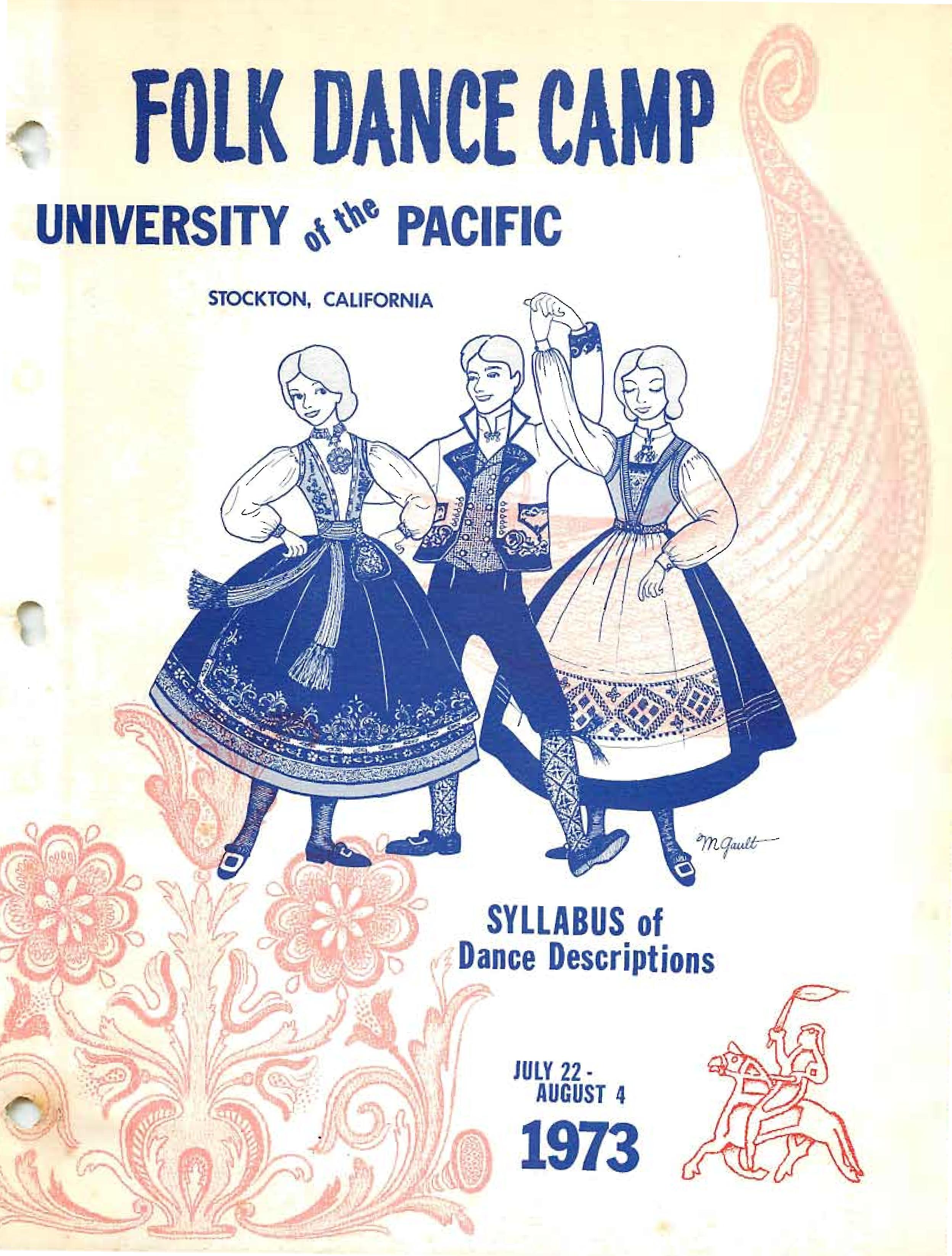
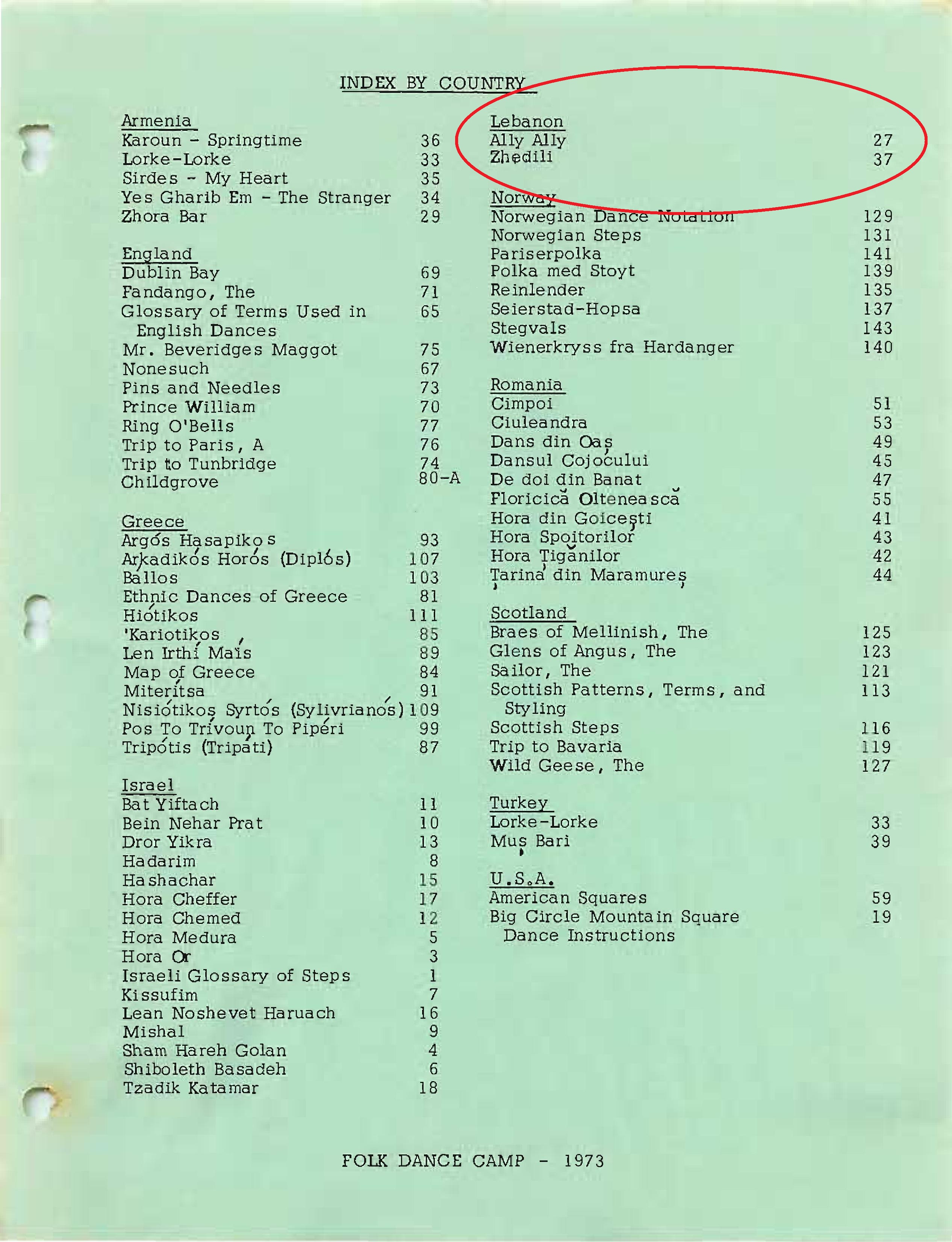
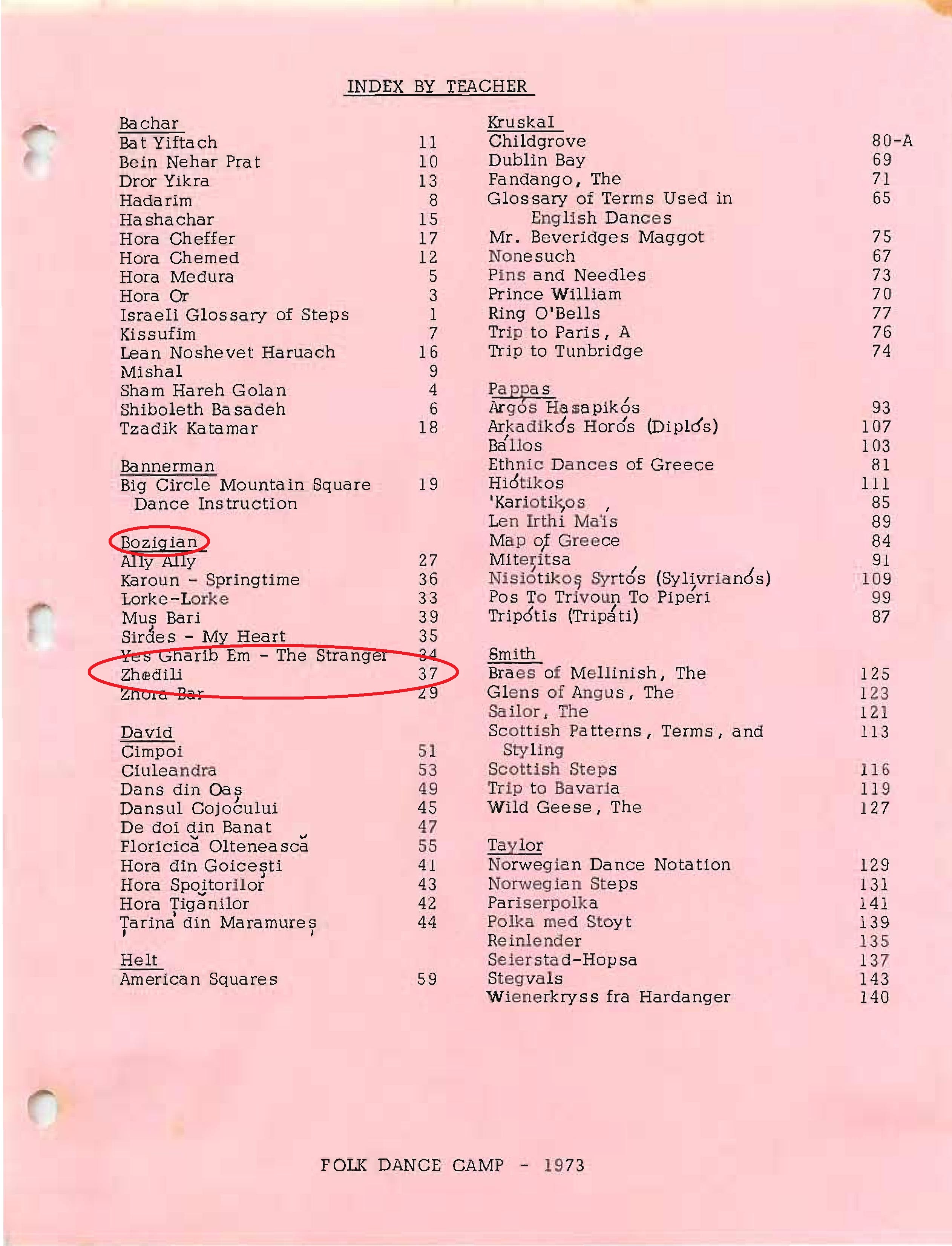
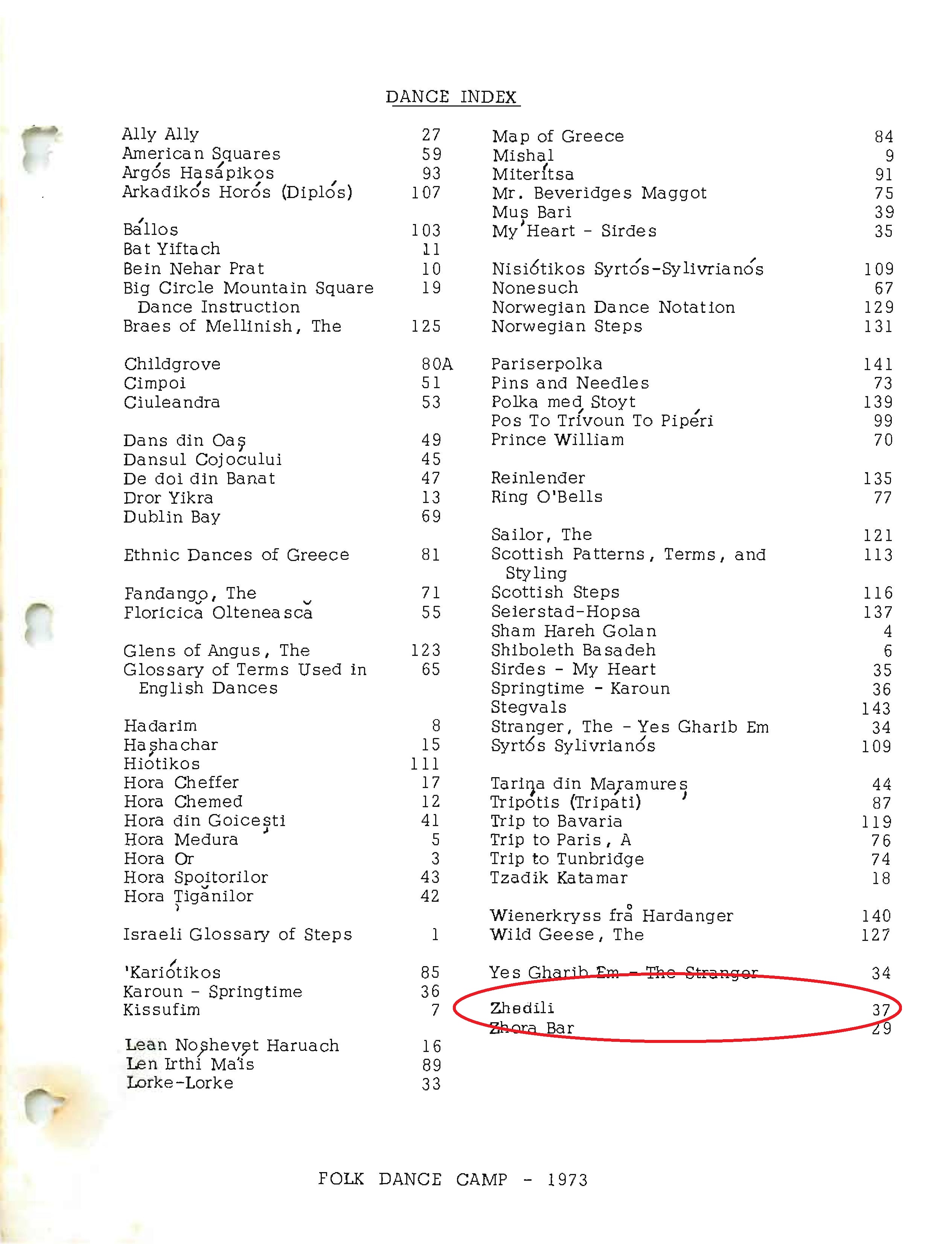
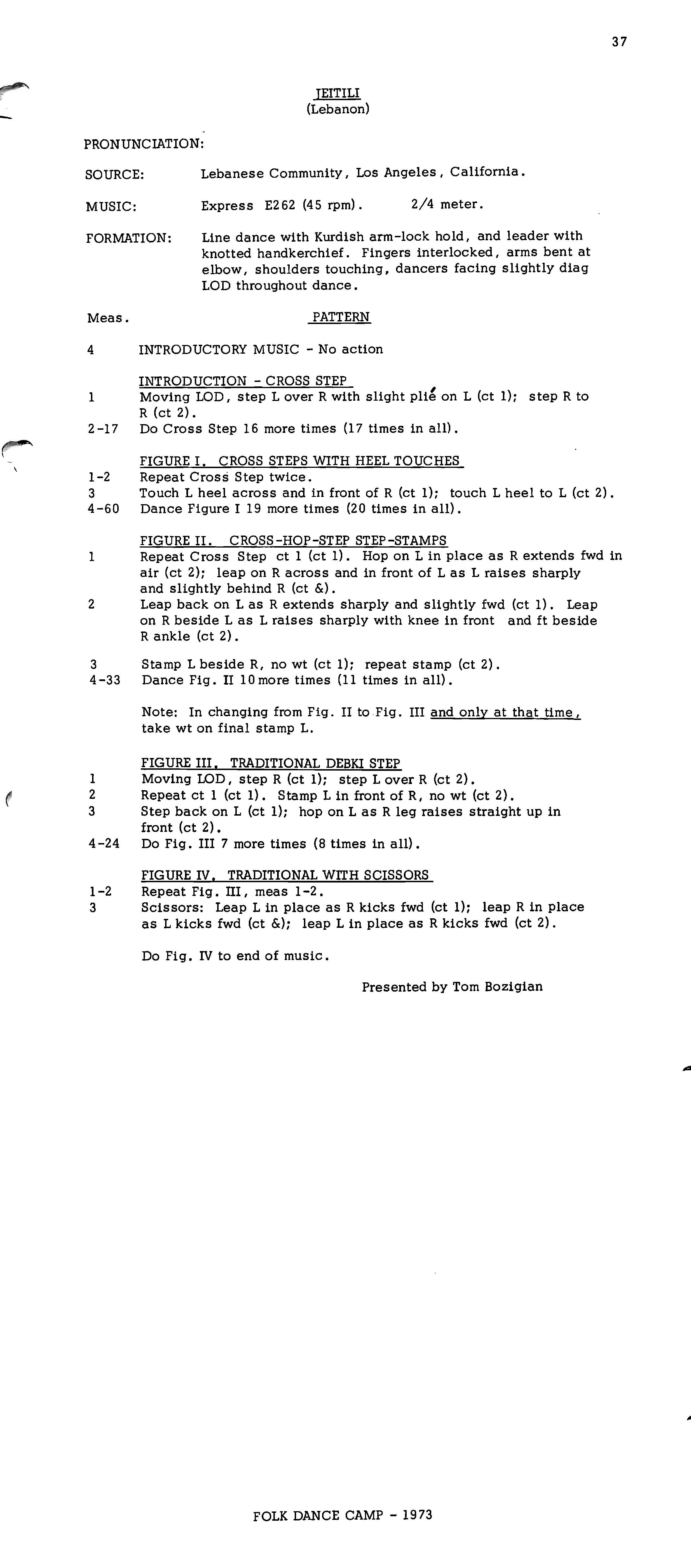
Next, lets talk about the English dance title. This dance title comes from the original song title. This song is a very famous folk song from the Levantine region, and the title is spelled "Jadili" (sometimes also spelled Jaddali or Jadayel). It was originally sung by Jordanian singer Abdo Musa and Lebanese singer Hiyām Yūnis. This dance was created by Tom Bozigian. The dance was brought to the United States from the Middle East in 1971. Later, in 1973, teacher Tom presented this dance at the 26th World Dance Camp (Stockton Folk Dance Camp) held at the University of the Pacific in California. However, even in the World Dance Camps handbook, the dance name given by teacher Tom in the table of contents and the dance sequence is inconsistent. Because Arabic uses a non-Latin alphabet, the teachers could only spell it out in English based on the pronunciation they heard at the time, resulting in the discrepancy between the table of contents and the actual dance in the World Dance Camp handbook: the dance name in the table of contents is "Zhedili," while the dance sequence name is "Jeitili". Even more interestingly, later handbooks from different camps all hand-stamped the typed dance name "Jeitili" with a handwritten crossout, changing it to "Jeddili". (Please refer to the attached illustrations in the manuals of the American World Dance Camp and various folk dance camps provided by Teacher Frog below.)
Teacher Frogs Note: The "Levant" region is a historically ambiguous geographical name for the Middle East. In a broader sense, it refers to a large area of West Asia, south of the Taurus Mountains, north of the Arabian Desert, and west of Upper Mesopotamia, a traditional trade route between East and West. The Mediterranean region, in particular, was a natural thoroughfare for trade and transportation.
"Levant" region: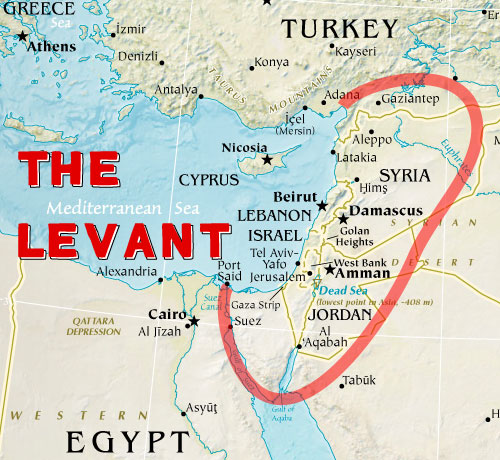
The dance name was later changed to Jeddili for several reasons: 1. The Arabic transliteration of جدلي should be Jadili, with the second syllable pronounced "d", not "t"; second, martial arts star Jet Lis English name is Jet Li, and one might accidentally pronounce the dance name as Jet Lis English name (this is just a joke, haha~); 3. The Arabic root of جدلي emphasizes the sound of "d" twice (Double-d) (emphasis), therefore the "t" was changed to two "d". As for why "Jei" in "Jeitili" was changed to "Je", this relates to the difference in pronunciation between English and Arabic. As mentioned earlier, the Arabic transliteration is close to "Jadili", but Americans tend to pronounce "Jei" as a long "ee~", which is too different from the original Arabic pronunciation. Therefore, the "i" was removed and changed to "Je", which is closer to the original pronunciation. Teacher Frog suspects this is the main reason why American folk dance researchers modified the dances name.
1973 US 26th World Dance Camp Handbook_Cover:
1973 US 26th World Dance Camp Handbook_Table of Contents, by Country:
1973 US 26th World Dance Camp Handbook_Table of Contents, by Teacher:
1973 US 26th World Dance Camp Handbook_Table of Contents, by Alphabet:
1973 US 26th World Dance Camp Handbook_Dance Introduction:
Handbooks for International Dance Camp Teams: Dance Introduction: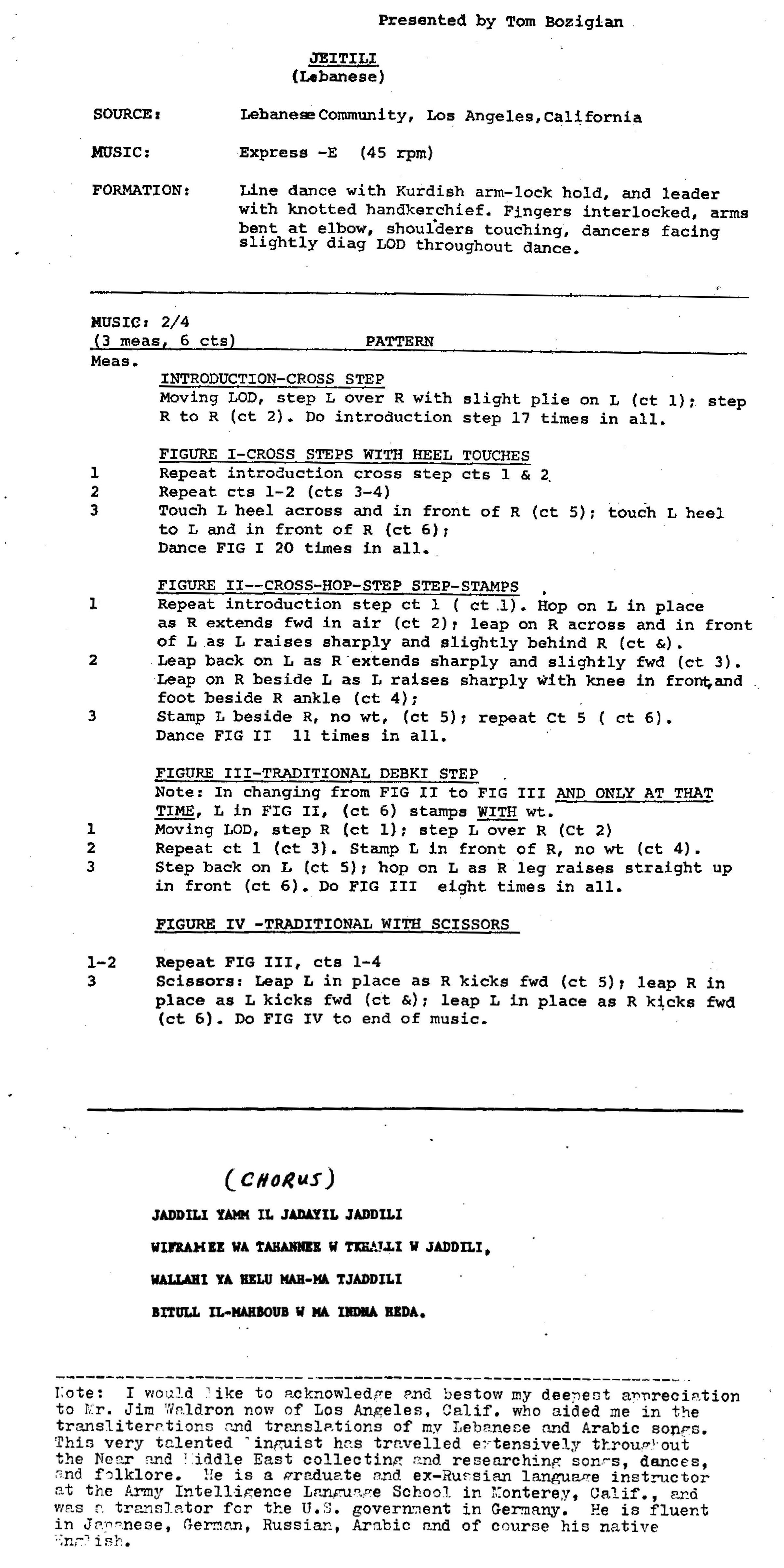
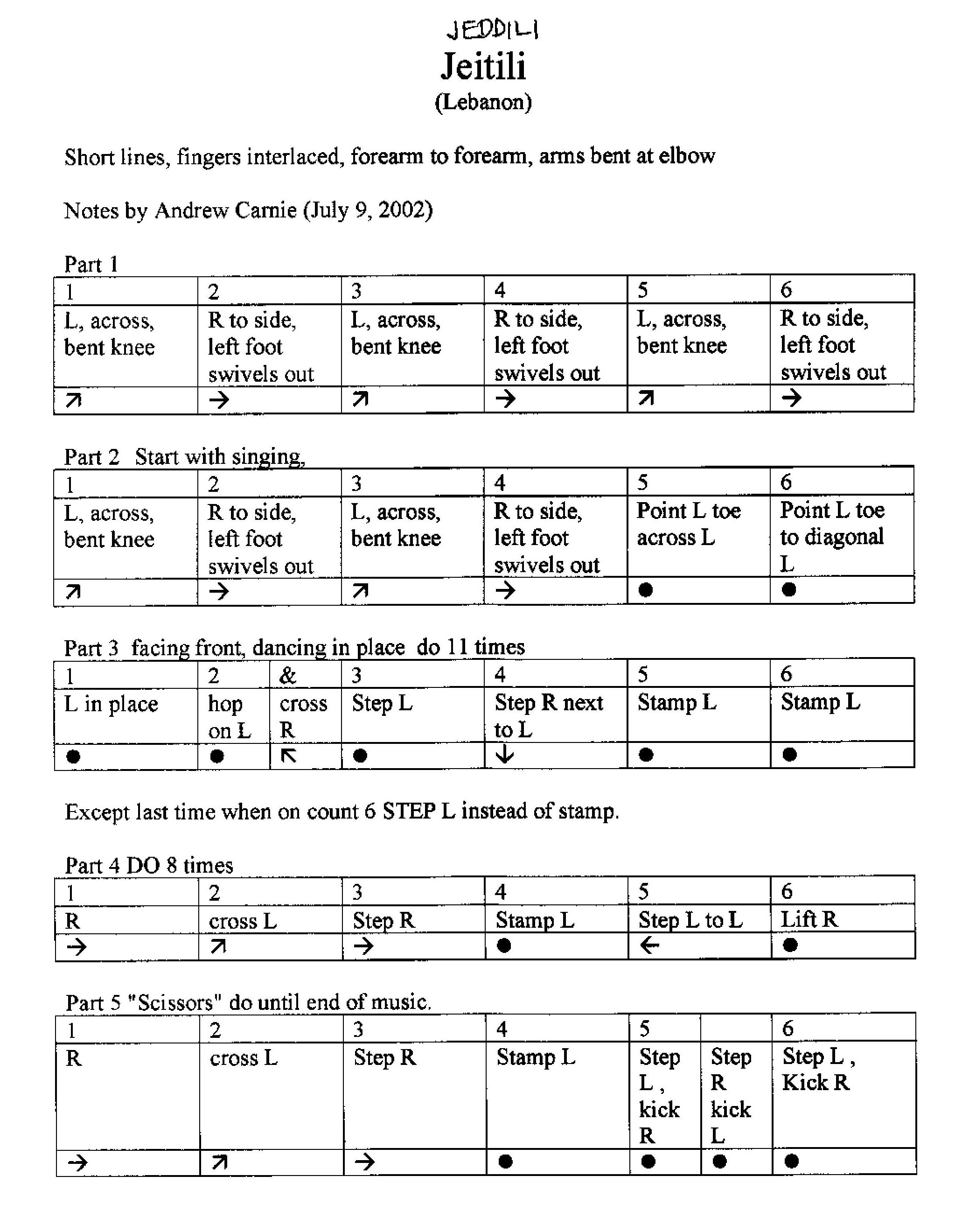
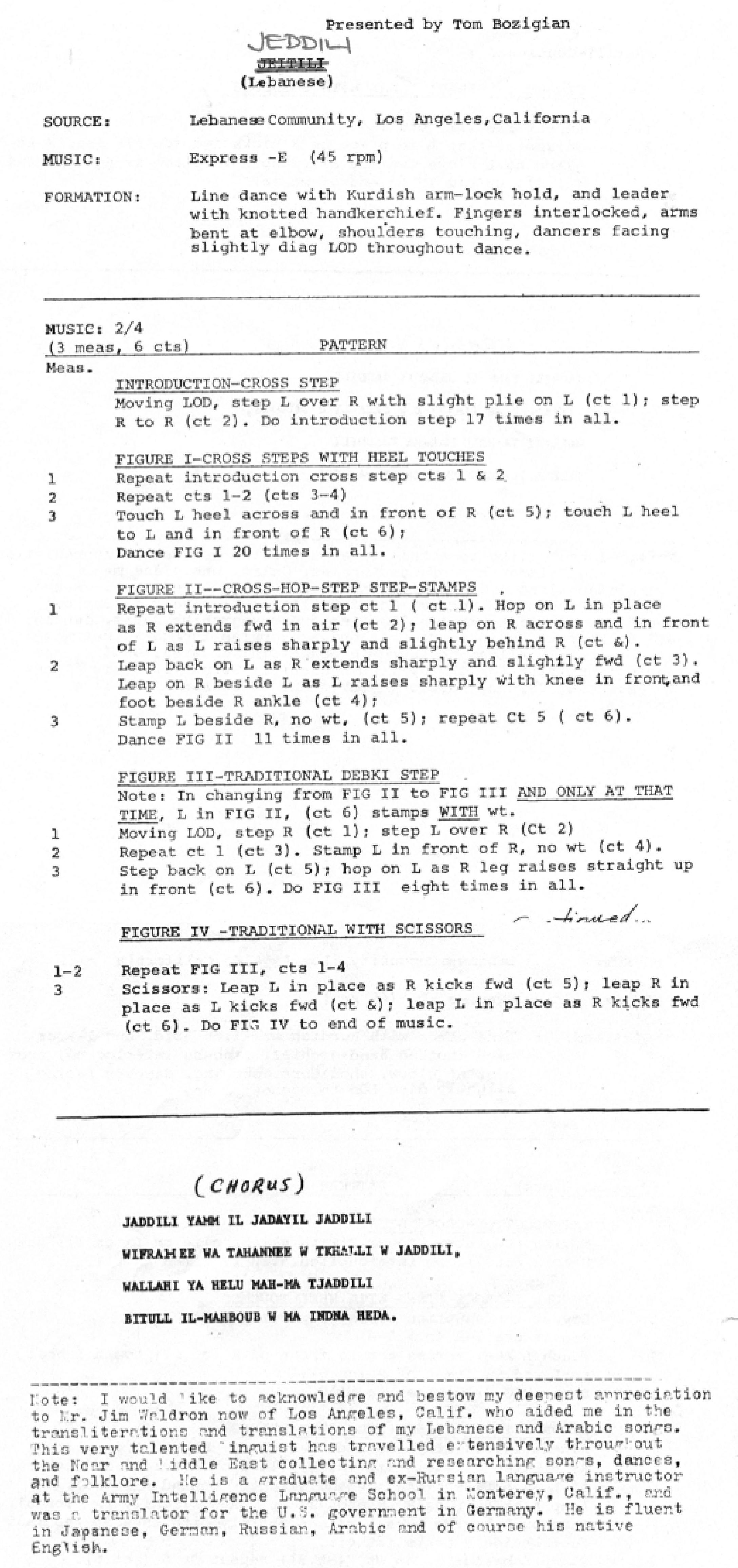
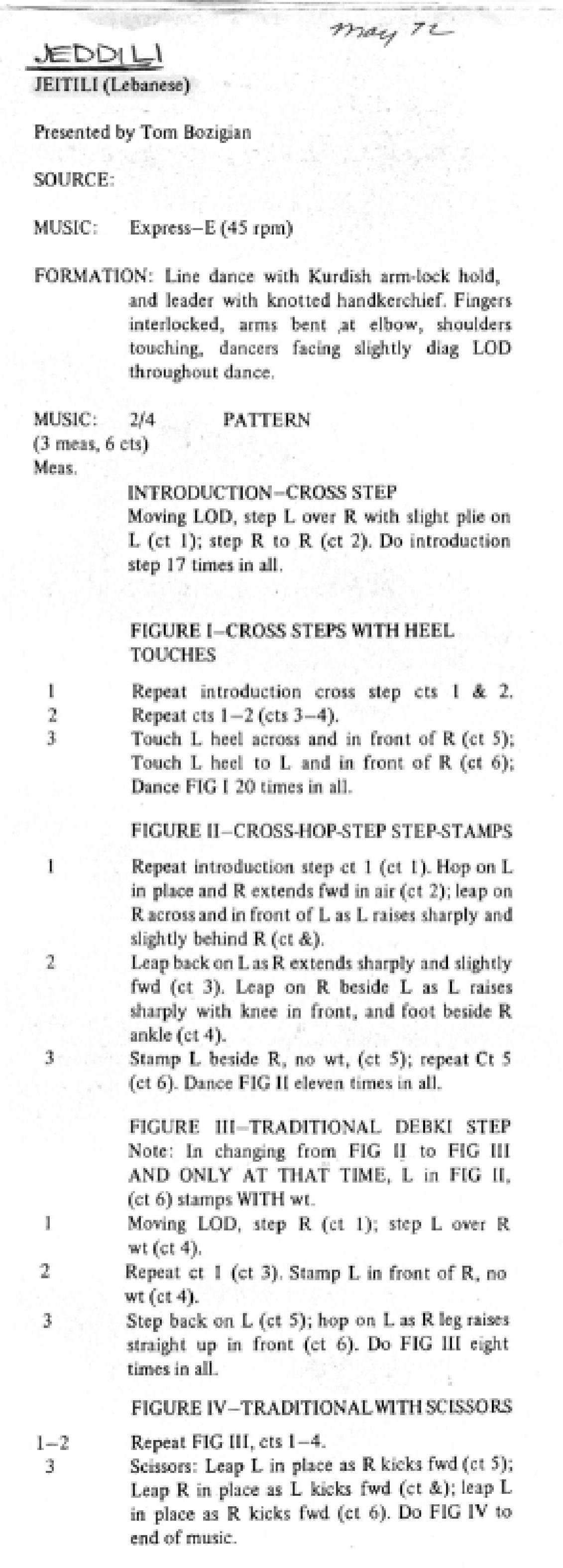
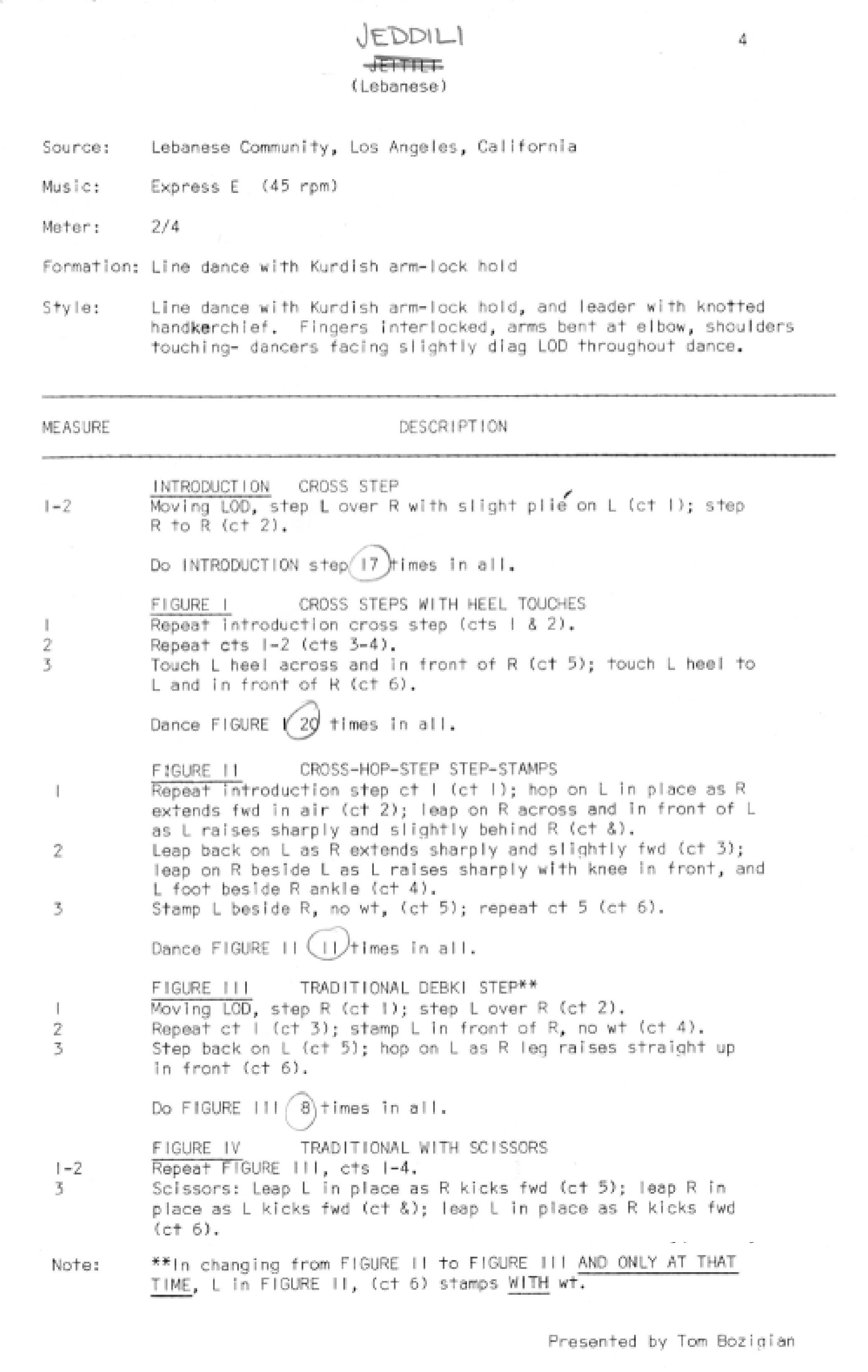
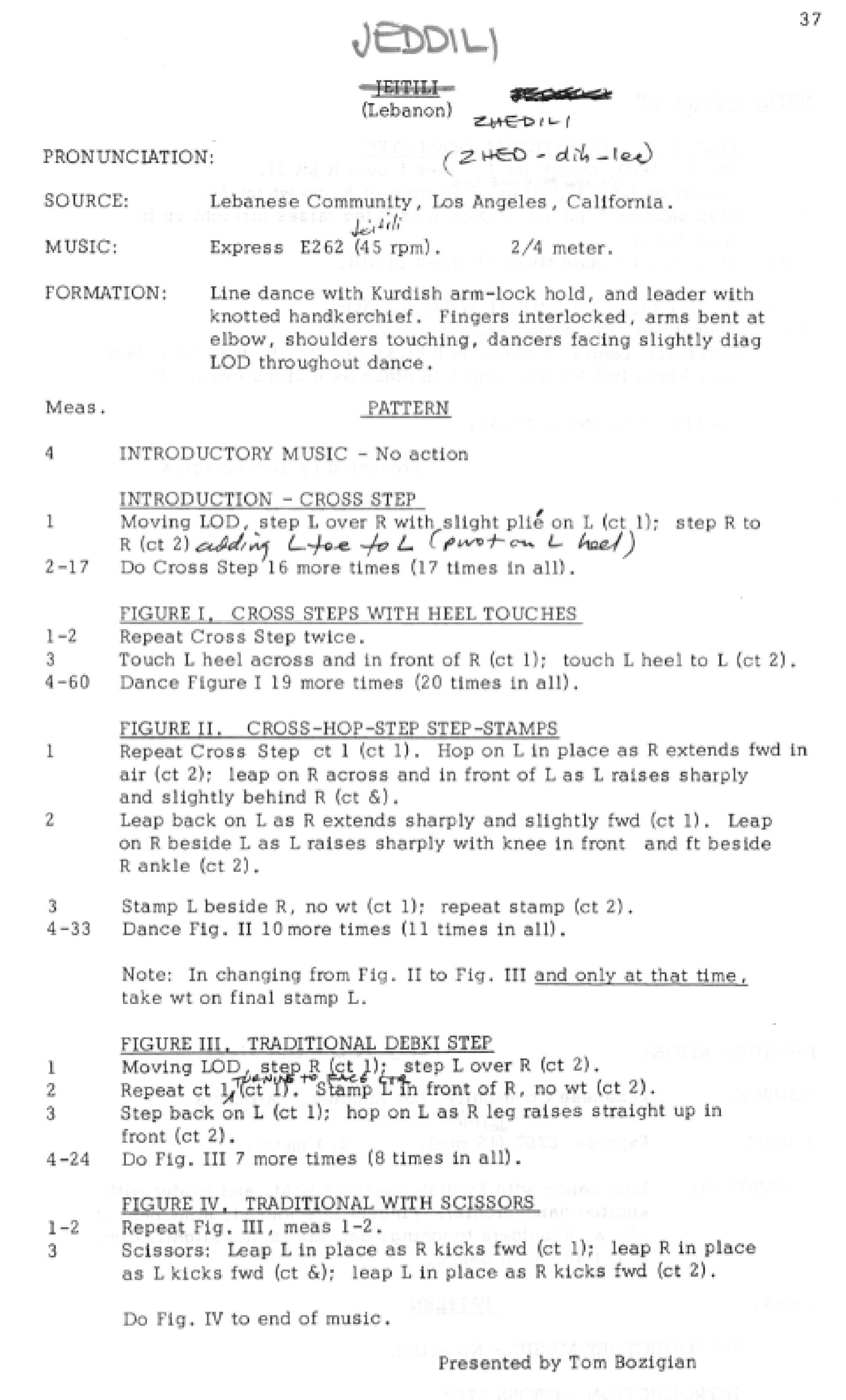
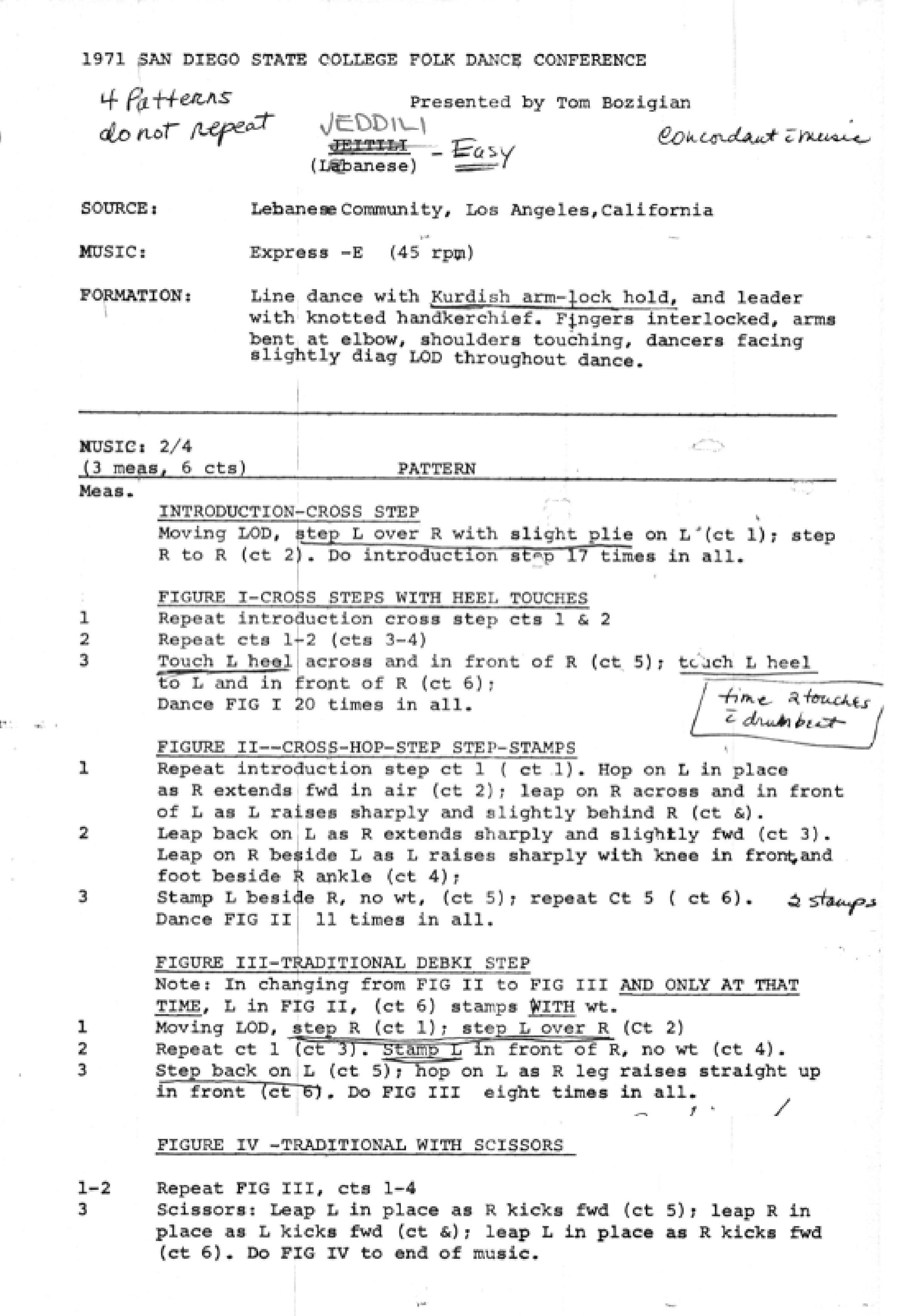
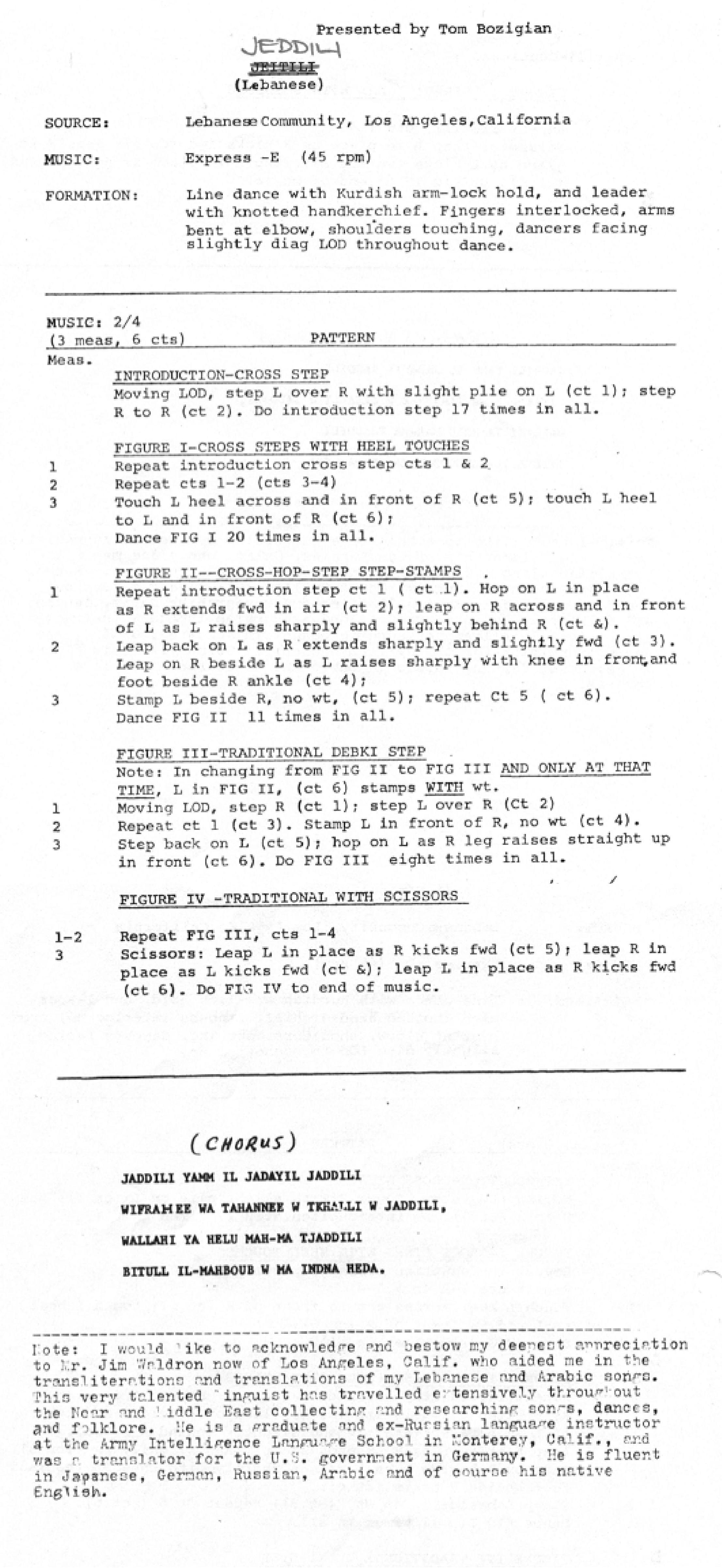
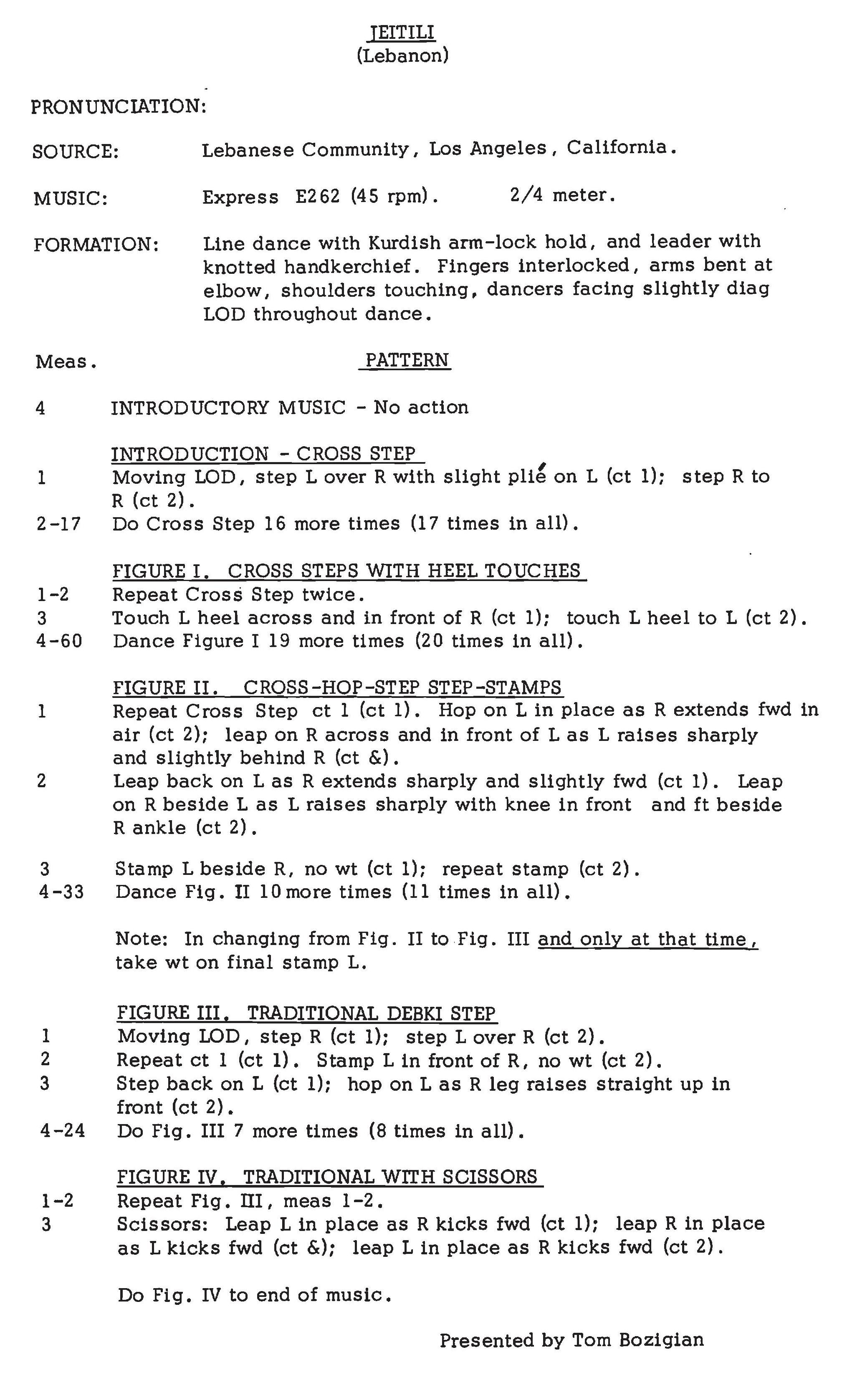
Next, the boss invites the original music information for this dance, which has been undiscovered by global fans for 50 years. The original record is a 45 rpm single vinyl record, and this song is on side B:
Lyrics: عبد الرحيم عمر
Composer: جميل العاص (Jamil Al-Aas)
Singer: عبده موسى (Abdo Musa) & هيام يونس (Hiyam Yunis)
Original Album: Side B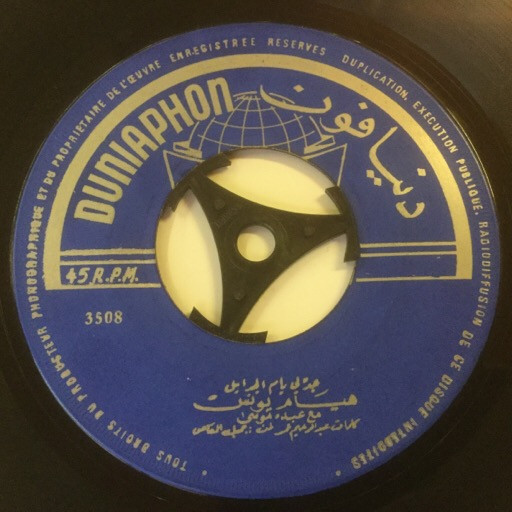
The original song Ive been searching for for 50 years is finally here:
Frog Teachers Note: The video intro says this song is a Jordanian folk song, but this information is incorrect. Please do not use this information, fellow dancers.
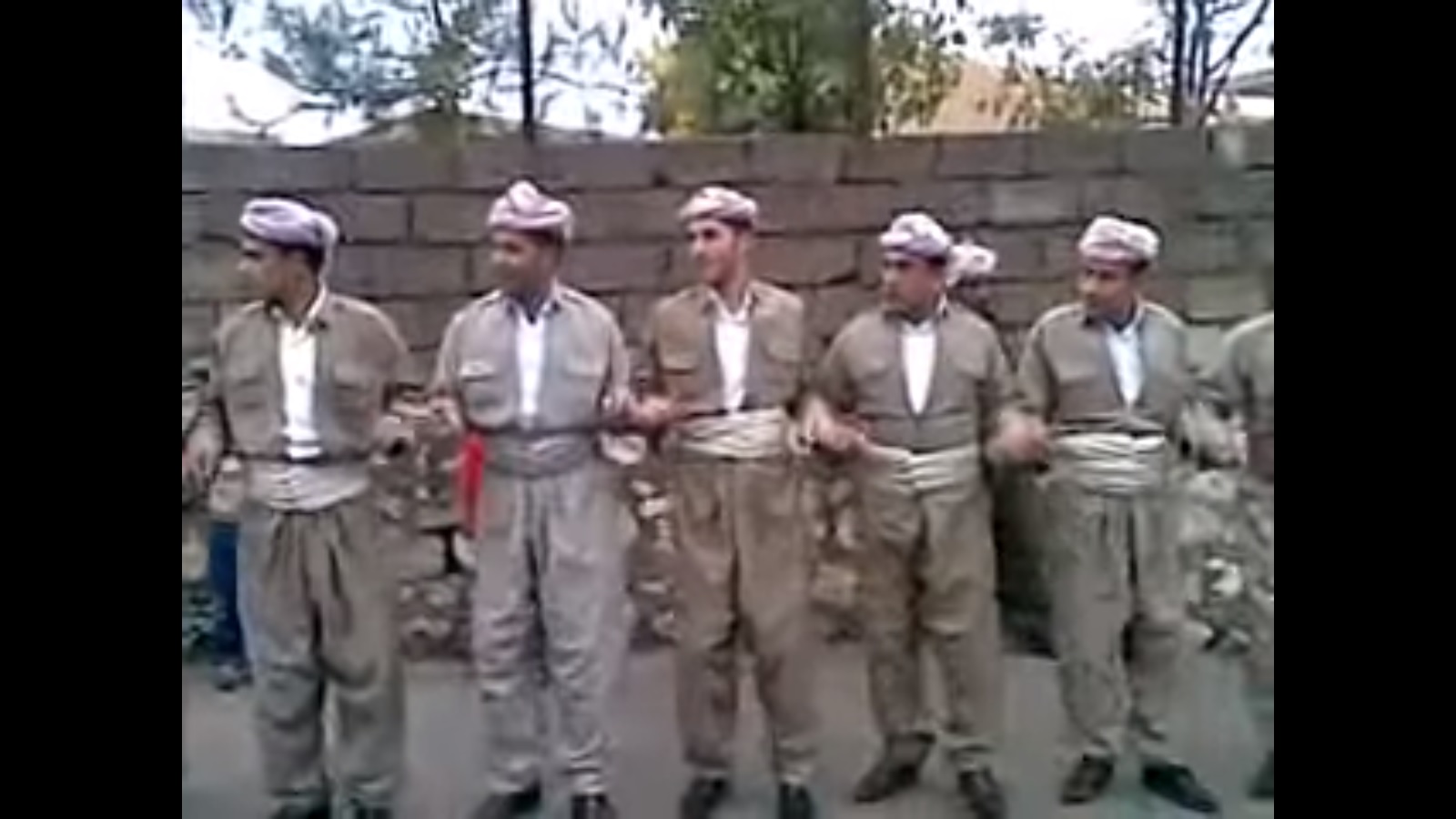
Moving on to the dance sequence. I learned this dance in Taipei with teacher Tom Bozigian. First, lets discuss the preparatory position (formation). This posture is a bit special: with your partner, interlock your fingers, bend your elbows, left forearm over right, shoulders touching (because the group moves to the right). Keep your elbows close together, and keep your upper arms close to your partners. Your face is slightly turned to the right. The original dance sequence describes this posture as the Kurdish arm-lock hold.
Teacher Frogs Note: The Kurds are a nomadic people located in West Asia, with a population of approximately 30 million. They are the worlds largest stateless ethnic grorup. The Kurds are mainly distributed in Turkey, Syria, Iran, and Iraq. Although they are some distance from Lebanon, due to cultural spillover effects, it wouldnt be too surprising if Lebanese dances used Kurdish postures.
Kurdish Distribution Map: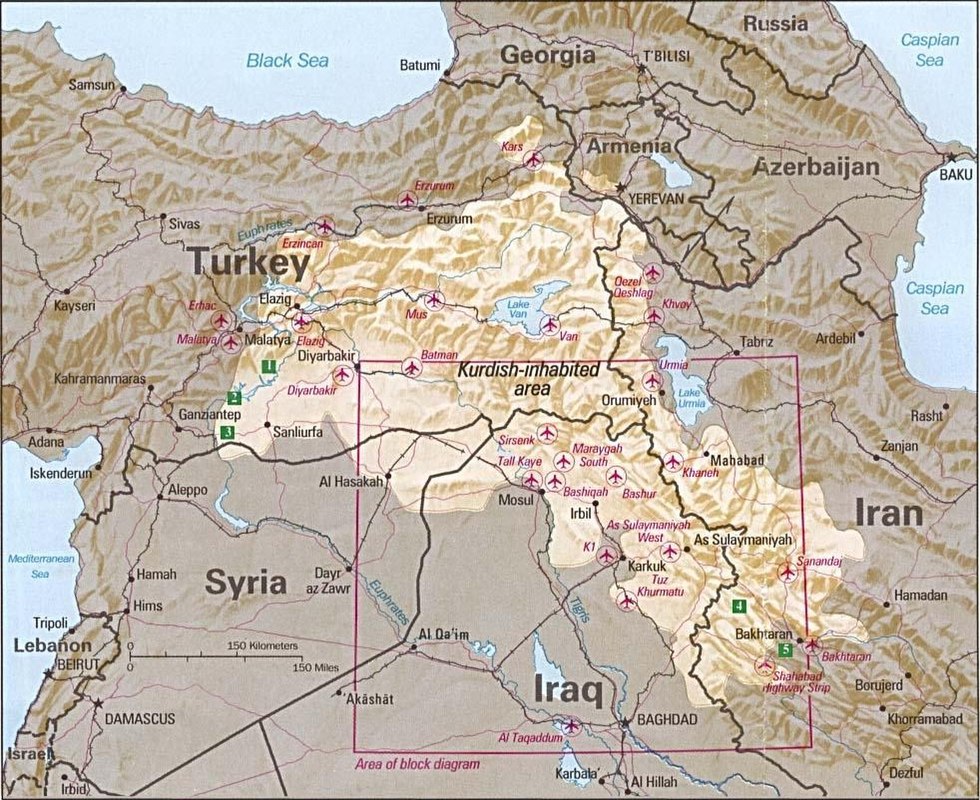
However, upon closer inspection, there are differences between the Kurdish dance posture, the preparatory posture described in this dance, and the traditional Lebanese dance posture. Teacher Frog compares them as follows:
Kurdish position:
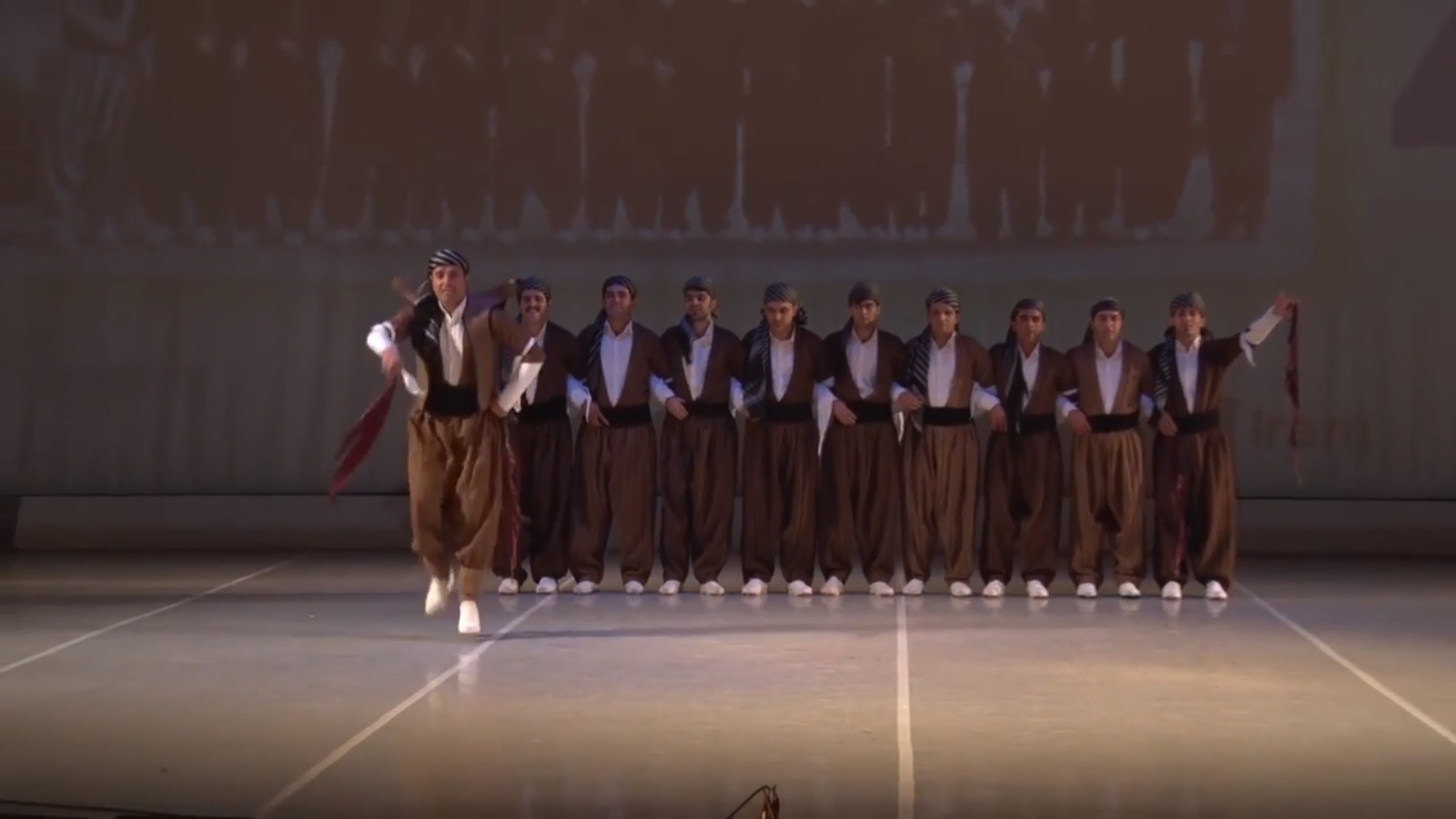
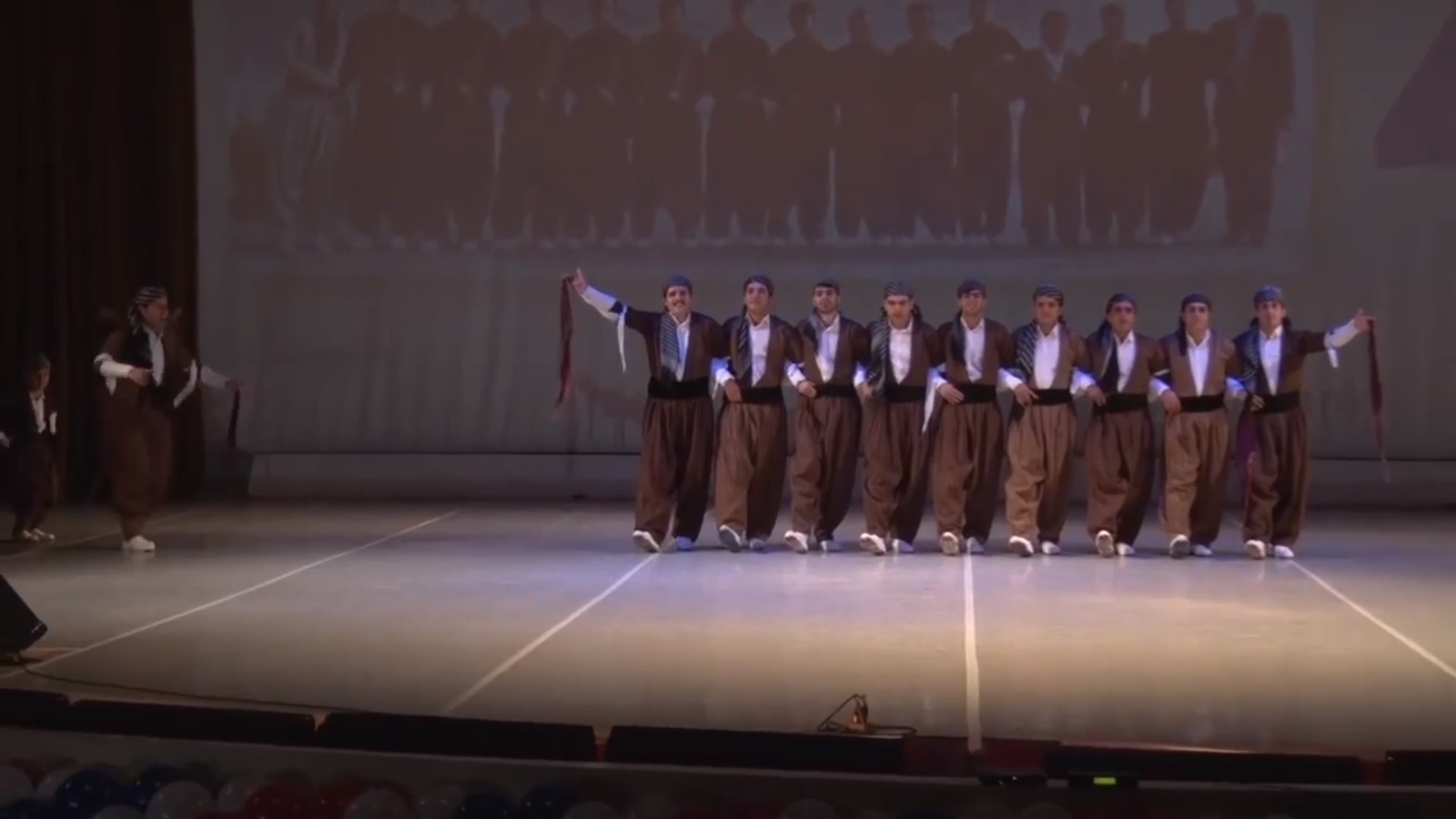
Lebanese traditional dance position:
Reference demonstration video:
Teacher Frogs Note: This version of the dance is exactly the same as the version Teacher Frog learned from Teacher Tom Bozigian, except that the lead dancer does not hold a handkerchief. The other videos online that shout "Aeewa!" are all distorted and weird, dont imitate them.
PS: Theres a version online demonstrated by Hong Kong teachers Johnny and Tony thats completely different from the one taught by Teacher Tom. The dance is called "Braided Girl," but the music is the same. I dont know the origin of the Hong Kong dancers method, so I suggest you refer to the reference demonstration tape attached by Teacher Frog.
References:
1. Arabic Wikipedia
2. Online lyrics websites: https://lyrics.jspinyin.net/lyrics-jadal-jaddele/
3. American folk dance website: Folk Dance Musings
4. Handbook of the September 1982 (Republic of China Year 71) 弦歌Dance Presentation, Taipei.


