1.
cir- circle
circus-a public entertainment consisting typically of a variety of performances by
acrobats, clowns, and trained animals.
circulation-movement in a circle or circuit, especially the movement of blood through bodily vessels as
a result of the heart's pumping action.
2.
anti-against
antipathy- extreme dislike; aversion or repugnance.
antiseptic-capable of preventing infection by inhibiting the growth of
infectious agents.
antisocial- shunning the society of others; not sociable or hostile to or disruptive of the established social order; marked by or engaging in
behavior that violates accepted more.
3.
e- out, free from
emancipate- to free from bondage, oppression, or restraint; liberate.
eloquent-capable of or characterized by eloquence.
eloquence- persuasive, moving, or graceful discourse.
emissary- an agent sent on a mission to represent or advance the interests of another.
4.
snob- one who despises, ignores, or is patronizing to those he or she considers
inferior. (n.)
snobbish- of, befitting, or resembling a snob; pretentious. (adj.)
5.
administration-the act or process of administering, especially the management
of a government or large institution.
the activity of a government or state in the exercise of its powers and duties.
ostentation- pretentious display meant to impress others; pretentious showiness.
6.
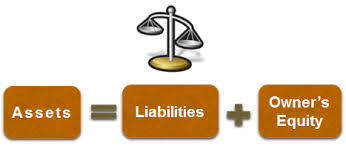
assets-the entries on a balance sheet showing all properties, both tangible and
intangible, and claims against others thatmay be applied to cover the liabilities
of a person or business. Assets can include cash, stock, inventories, property rights,
and good will. (資產)
liabilities-business obligations incurred but not discharged and entered as claims on
the assets shown on the balance sheet.
equity-ownership interest in a corporation, property, or other holding, usually
calculated as the value of the holding after subtracting any debt or liabilities.(淨值)
assets- liabilities= equity (net worth)