The jewelry industry has always balanced craftsmanship with innovation. While traditional casting methods remain important, the emergence of small jewelry casting machines is changing how custom pieces are designed and manufactured. These compact systems are giving independent jewelers, small workshops, and even ambitious hobbyists access to production capabilities that were once reserved for large factories.
Personalized jewelry has become one of the fastest-growing segments of the market. Consumers are no longer satisfied with choosing a design from a display case. Instead, they want rings engraved with meaningful dates, pendants shaped after personal sketches, and custom pieces that reflect their identity. Meeting these expectations requires flexibility, quick turnaround times, and efficient production methods. Small casting machines are helping businesses meet all three demands.
One of the most significant advantages of compact casting equipment is the ability to produce limited runs economically. In the past, creating a custom design often involved outsourcing production to specialized facilities. This added transportation costs, communication delays, and minimum order requirements. Today, a small workshop can handle much of the process in-house. A designer can move from wax model to finished casting within a relatively short period, allowing customers to see their ideas become reality much faster.
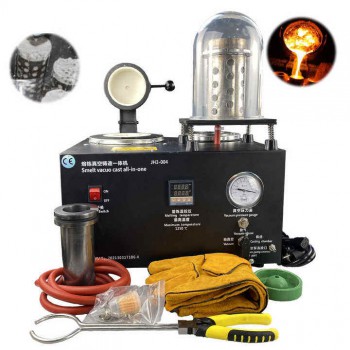
Another factor driving adoption is compatibility with digital design technologies. Modern jewelers frequently use 3D modeling software and resin printers to create highly detailed patterns. Small casting machines integrate naturally into this workflow. Once a digital design has been printed and prepared, it can be cast into precious metals with a level of accuracy that supports intricate textures and complex geometries. As digital tools become more affordable, the combination of CAD design, 3D printing, and compact casting equipment is creating a powerful production ecosystem.
Sustainability is also becoming an important consideration. Personalized jewelry often involves smaller production batches, reducing the need for excess inventory. Small casting systems support this approach by allowing manufacturers to produce pieces on demand rather than maintaining large stocks of finished products. Many workshops can also recycle metal scraps directly within their operations, minimizing waste and improving material efficiency.
The influence of these machines extends beyond commercial production. Educational institutions, jewelry schools, and maker spaces are increasingly incorporating compact casting equipment into their programs. Students gain hands-on experience with professional manufacturing techniques without requiring large industrial facilities. This accessibility encourages innovation and helps cultivate the next generation of jewelry designers.
Looking ahead, the future of personalized jewelry will likely depend on speed, creativity, and customer involvement. Buyers may soon participate directly in the design process through online configurators, augmented reality previews, and AI-assisted customization tools. Small jewelry casting machines will play a critical role behind the scenes, transforming unique digital concepts into tangible objects with remarkable efficiency.
Rather than replacing traditional craftsmanship, these machines are expanding what artisans can achieve. They provide the technical support needed to turn individual ideas into wearable works of art. As consumer demand for unique jewelry continues to grow, compact casting technology is poised to become one of the most important tools shaping the industry's future.
Related Articles: https://ameblo.jp/frank35/entry-12970071289.html
下一則: The Advantages of Compact Jewelry Mini Drill Press Designs
- How to Control Abrasive Flow in a Jewelry Sandblaster?
- Improving Production Consistency with a Pearl Drilling Machine
- The Importance of Temperature Control in Automatic Jewelry Casting Systems
- The Future of Small Induction Melting Furnaces in Jewelry Manufacturing
- How Automatic Casting Machines Enhance Precision in Jewelry Manufacturing
- Exploring the Technology Behind Modern Pearl Drilling Machines
限會員,要發表迴響,請先登入


